- 0086-571-85302990
- [email protected]




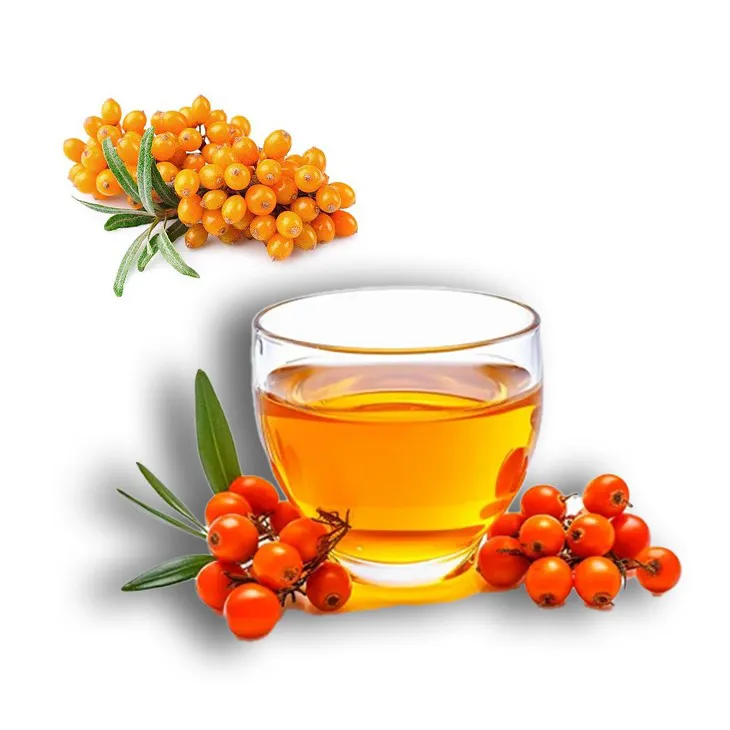
Sea Buckthorn Oil Extract & B2B Sourcing (2026)
2026-11-14
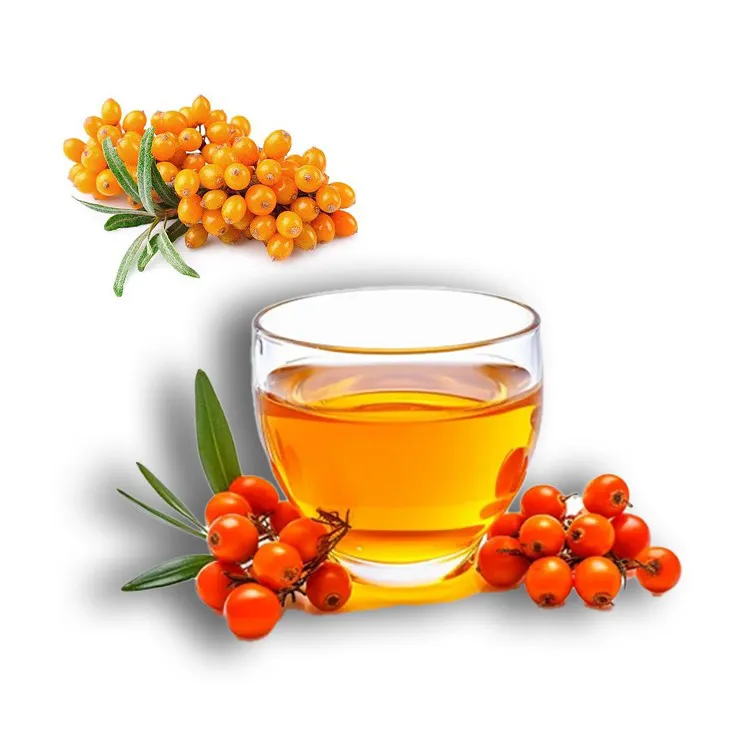
Table of Contents
1. What Is Sea buckthorn oil Extract?
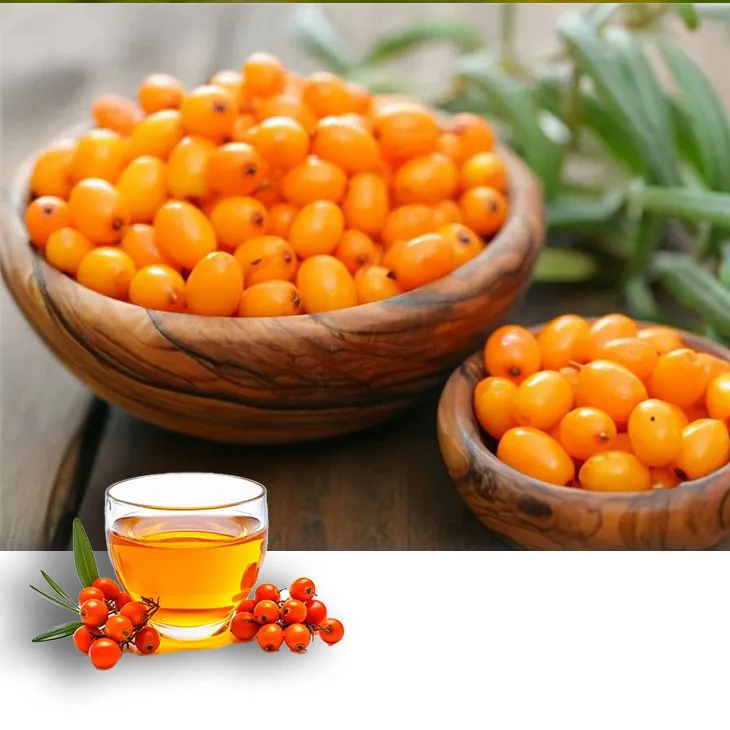
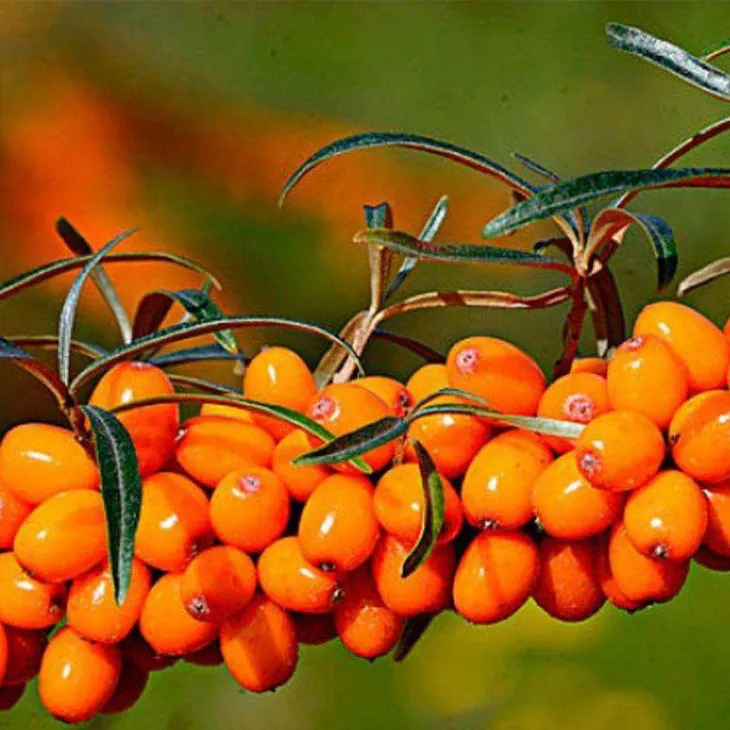
Sea buckthorn (Hippophae rhamnoides) — known as 沙棘 in Chinese — is a hardy shrub that thrives in harsh environments across Europe and Asia, particularly in the mountainous regions of China, Russia, Mongolia, and Scandinavia. Every part of the plant — berries, seeds, leaves, and bark — has been used in traditional medicine systems for centuries.
What makes sea buckthorn truly unique is its complete omega fatty acid profile: it is one of the very few plant sources that contains all four major omega fatty acids — Omega-3, Omega-6, Omega-7 (palmitoleic acid), and Omega-9 (oleic acid) — in significant quantities.
Sea buckthorn oil can be extracted from two primary sources within the berry:
Fruit (pulp) oil — rich in Omega-7 (palmitoleic acid), carotenoids, and vitamin E
Seed oil — rich in Omega-3 (alpha-linolenic acid) and Omega-6 (linoleic acid)
The whole berry oil (combining both fruit and seed) provides the most comprehensive fatty acid profile, making it highly valued for skin health, mucosal repair, and overall nutritional supplementation.
As a leading botanical extract supplier, Greensky Bio supplies premium Sea buckthorn oil extract — produced via advanced supercritical CO₂ extraction — to global formulators in the dietary supplement, cosmetic, functional food, and pet health industries.
2. Key Active Compounds: Omega 3/6/7/9 Full Spectrum
2.1 Complete Omega Profile
Sea buckthorn is remarkable for its full-spectrum omega fatty acid content:
Omega Fatty Acid Primary Source in Berry Key Benefits Omega-3 Alpha-linolenic acid (ALA, C18:3) Seed oil Anti-inflammatory, cardiovascular, brain health Omega-6 Linoleic acid (LA, C18:2) Seed oil Skin barrier function, cellular health Omega-7 Palmitoleic acid (C16:1) Fruit (pulp) oil Mucosal repair, skin regeneration, unique to sea buckthorn Omega-9 Oleic acid (C18:1) Fruit (pulp) oil Skin moisturization, cardiovascular support
2.2 Omega-7: The Signature Compound
Palmitoleic acid (Omega-7) is the most distinctive compound in sea buckthorn oil and the primary reason for its exceptional skin and mucosal health benefits:
One of the few natural dietary sources of Omega-7 (other sources are limited — macadamia nut oil is another)
Essential for mucous membrane integrity and repair
Supports skin cell regeneration and wound healing
May support healthy insulin sensitivity and lipid metabolism
Declines with age — supplementation may help restore youthful levels
2.3 Other Bioactive Compounds
Sea buckthorn oil contains a rich matrix of additional compounds:
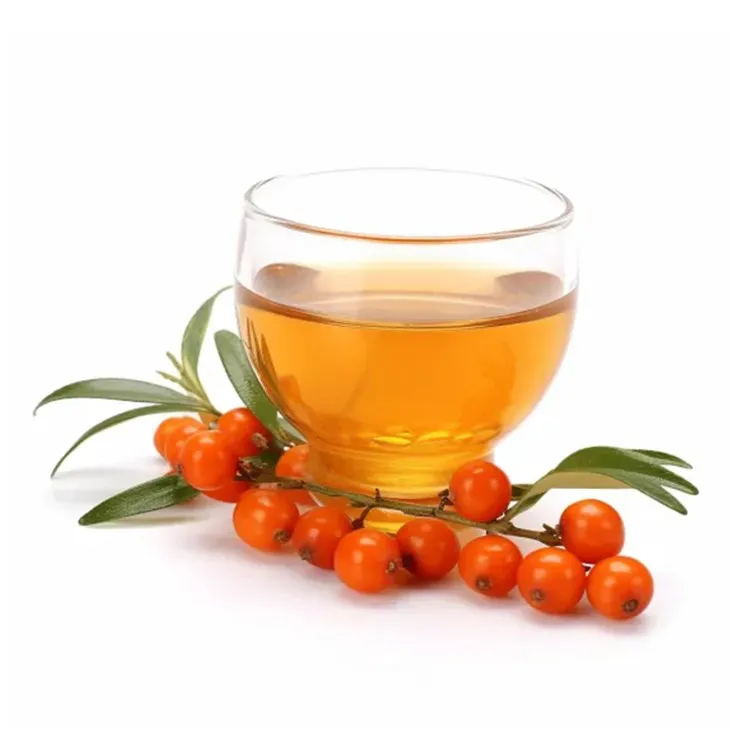
Compound Content Function Carotenoids (beta-carotene, Lycopene, zeaxanthin) High (gives oil its orange-red color) Antioxidant, skin photoprotection, vision Vitamin E (tocopherols, tocotrienols) Significant Antioxidant, skin protection Plant sterols Moderate Cholesterol management, anti-inflammatory Flavonoids Moderate Antioxidant, vascular health Vitamin K Present Blood clotting, skin health Squalene Present Skin moisturization, antioxidant
3. Mechanism of Action: How Sea Buckthorn Works
3.1 Mucosal Repair and Regeneration
The unique combination of Omega-7 (palmitoleic acid) with carotenoids and vitamin E makes sea buckthorn oil exceptionally effective for mucous membrane health:
Palmitoleic acid is a key component of mucous membrane cell membranes
Promotes cell proliferation and tissue regeneration
Reduces inflammation in mucosal tissues
Supports the production of mucin (the protective mucus layer)
Clinical applications include:
Dry eye syndrome (Sjögren's syndrome)
Vaginal dryness and atrophy (particularly post-menopausal)
Oral mucositis (from chemotherapy or radiation)
Gastric mucosal protection
Intestinal barrier support
3.2 Skin Health and Regeneration
Sea buckthorn oil supports skin health through multiple pathways:
Omega-7 promotes collagen synthesis and skin cell turnover
Omega-3 and Omega-6 maintain skin barrier integrity and hydration
Carotenoids provide photoprotection against UV damage
Vitamin E protects against oxidative stress and lipid peroxidation
Anti-inflammatory compounds reduce skin inflammation and redness
3.3 Anti-Inflammatory and Antioxidant Activity
Omega-3 (ALA) reduces inflammatory prostaglandin and leukotriene production
Carotenoids and vitamin E neutralize free radicals
Flavonoids provide additional antioxidant protection
Plant sterols modulate inflammatory signaling
4. Health Benefits and Clinical Evidence
4.1 Skin Health
Clinical studies show sea buckthorn oil improves skin hydration, elasticity, and wrinkle depth
Topical application accelerates wound healing and burn recovery
Effective for eczema, dermatitis, and other inflammatory skin conditions
Carotenoid-rich oil provides natural photoprotection (SPF-enhancing)
4.2 Mucosal Health
A clinical study of 100 post-menopausal women with vaginal dryness showed significant improvement in vaginal epithelial integrity and moisture with oral sea buckthorn oil supplementation
Studies in dry eye patients (Sjögren's syndrome) showed improved tear film stability and reduced ocular surface inflammation
Clinical use in oral mucositis management (cancer patients) shows reduced severity and faster healing
4.3 Cardiovascular Health
Omega-3 and Omega-7 fatty acids support healthy lipid profiles
Reduction in total cholesterol and LDL oxidation
Improved endothelial function
Anti-inflammatory effects on cardiovascular risk markers
4.4 Liver Health
Hepatoprotective effects demonstrated in animal studies
Reduction in liver enzyme markers (ALT, AST)
Protection against toxin-induced liver damage
Anti-fibrotic activity
4.5 Immune Support
Carotenoids enhance immune cell function
Omega-3 fatty acids modulate immune response
Vitamin E supports immune system integrity
Traditional use as an adaptogenic and immune-tonic herb
5. Applications Across Industries
5.1 Dietary Supplements
Skin health and beauty-from-within capsules
Mucosal health supplements (eye, vaginal, gastric)
Omega-7 specific supplements
Comprehensive omega formulas (3/6/7/9)
Women's health (menopausal support)
Cardiovascular health formulas
5.2 Functional Foods and Beverages
Omega-enriched oils for culinary use
Functional beverage additives
Beauty-focused gummies and softgels
Nutritional meal replacement formulas
5.3 Cosmetics and Personal Care
Anti-aging serums and creams
Moisturizing body oils and lotions
Lip care products (Omega-7 for lip barrier repair)
Eye care formulations
Hair and scalp treatment oils
After-sun and skin repair products
Natural makeup base oils
5.4 Pet Health
Skin and coat health supplements for dogs and cats
Anti-inflammatory support for senior pets
Wound healing and skin repair
6. Quality Parameters and Specifications
Greensky Bio's sea buckthorn oil extract is manufactured under strict quality control standards.
Parameter Specification Test Method Appearance Orange-red to deep red viscous oil Organoleptic Odor Characteristic, fruity Organoleptic Extraction Source Whole berry, fruit pulp only, or seed only Documentation Omega-3 (ALA) ≥ 20% (seed oil); ≥ 3% (fruit oil) GC-FID Omega-6 (LA) ≥ 35% (seed oil); ≥ 8% (fruit oil) GC-FID Omega-7 (Palmitoleic) ≥ 15% (fruit oil); ≥ 2% (seed oil) GC-FID Omega-9 (Oleic) ≥ 15% (fruit oil); ≥ 15% (seed oil) GC-FID Carotenoids ≥ 200 mg/100g (fruit oil) Spectrophotometric Vitamin E (Tocopherols) ≥ 150 mg/100g HPLC Peroxide Value ≤ 10 meq/kg AOCS Cd 8-53 Acid Value ≤ 5.0 mg KOH/g AOCS Ca 5a-40 Heavy Metals Pb ≤ 1.0 ppm, As ≤ 1.0 ppm, Cd ≤ 0.5 ppm, Hg ≤ 0.1 ppm ICP-MS Microbial Limits TPC ≤ 10,000 CFU/g, YM ≤ 1,000 CFU/g USP <2021> Pesticide Residues Compliant with EU limits GC-MS / LC-MS/MS
Certificates Available
Certificate Status ISO 22000 Certified HACCP Certified Kosher Certified Halal Certified Organic (EU/USDA) Available on request COA (per batch) Always provided Third-Party Lab Report Available (Eurofins, SGS)
7. B2B Buyer's Guide: How to Source Sea Buckthorn Oil Extract
7.1 Understanding Oil Types
Oil Type Source Omega-7 Omega-3 Best For Fruit (Pulp) Oil Berry flesh/pulp High (15–35%) Low (2–5%) Skin health, mucosal repair, cosmetics Seed Oil Berry seeds Low (1–3%) High (20–35%) Omega-3 supplementation, inflammation Whole Berry Oil Whole berry Moderate (8–15%) Moderate (10–20%) Comprehensive omega profile, all-around use
7.2 Extraction Methods
Method Advantages Disadvantages Supercritical CO₂ (Recommended) Solvent-free, preserves all actives, highest quality Higher cost, requires specialized equipment Cold Pressing Simple, food-grade, cost-effective Lower yield, may not extract all actives Solvent Extraction High yield Residual solvent risk, lower quality perception Subcritical Butane Good yield, relatively clean Residual hydrocarbon risk
7.3 Key Supplier Evaluation Criteria
Green Flags (Good Signs):
Clear specification of oil source (fruit, seed, or whole berry)
Complete fatty acid profile analysis (GC-FID chromatograms)
Supercritical CO₂ extraction documentation
Carotenoid and vitamin E content quantification
Peroxide value and acid value testing (indicates freshness)
Deep orange-red color (indicates high carotenoid content)
Third-party fatty acid profile verification
Red Flags (Warning Signs):
No fatty acid profile breakdown (only "contains omega fatty acids" claims)
Pale or yellow color (may indicate low carotenoid content or dilution with cheaper oils)
High peroxide value (>10 meq/kg indicates oxidation/rancidity)
No extraction method disclosure
No documentation of berry variety (Hippophae rhamnoides vs. other species)
Inconsistent color or odor between batches
7.4 Sourcing Best Practices
Match oil type to application — fruit oil for skin/mucosal health, seed oil for omega-3, whole berry for comprehensive benefits
Prioritize supercritical CO₂ extraction — produces the highest quality, solvent-free oil with maximum active compound preservation
Verify freshness indicators — peroxide value and acid value are critical for oil quality; request current batch data
Evaluate packaging — sea buckthorn oil is light- and oxygen-sensitive; nitrogen-flushed, dark glass or aluminum packaging is essential
Consider cold chain requirements — for maximum freshness, some suppliers offer refrigerated shipping
8. Regulatory and Safety Information
8.1 United States (FDA)
Sea buckthorn oil is marketed as a dietary supplement ingredient under DSHEA
GRAS status available for sea buckthorn berry and seed oil in food applications
Approved as a food ingredient and cosmetic ingredient
No NDI notification required for traditional food-based extracts
8.2 European Union (EFSA)
Sea buckthorn (Hippophae rhamnoides) has a long history of safe consumption in Europe
Approved as a food ingredient and cosmetic ingredient under EU regulations
Health claims subject to EFSA authorization process
Widely used in Nordic and Eastern European traditional medicine
8.3 China (NHC/SAMR)
沙棘 (sea buckthorn) is extensively cultivated in China (Shaanxi, Inner Mongolia, Xinjiang, Qinghai provinces)
Approved as a food ingredient and traditional medicine ingredient
Large-scale government-supported cultivation programs
Available for health food (保健食品) formulation
8.4 Safety Profile
Excellent safety profile with extensive history of food and medicinal use
No significant adverse events reported at standard supplemental doses (500–2,000 mg/day)
May interact with blood pressure medications (additive hypotensive effect)
May interact with anticoagulant medications (vitamin K content)
Safe for long-term use based on traditional consumption patterns
Topical application is well-tolerated; patch testing recommended for sensitive skin
9. Supercritical CO₂ Extraction: The Gold Standard
9.1 Why Supercritical CO₂?
Supercritical CO₂ extraction is widely considered the gold standard for sea buckthorn oil extraction:
Solvent-free — no residual organic solvents (unlike hexane or ethanol extraction)
Temperature-controlled — operates at low temperatures (31–50°C), preserving heat-sensitive compounds (carotenoids, vitamin E, omega fatty acids)
Selective extraction — by adjusting pressure and temperature, specific compound fractions can be targeted
Environmentally friendly — CO₂ is recycled and has zero environmental impact
Regulatory advantage — solvent-free extracts face fewer regulatory hurdles and have broader market acceptance
9.2 The Supercritical CO₂ Process
Raw material preparation — fresh or freeze-dried sea buckthorn berries/seeds are prepared
CO₂ pressurization — CO₂ is pressurized above its critical point (73.8 bar, 31.1°C), becoming a supercritical fluid with both gas-like diffusivity and liquid-like solvating power
Extraction — supercritical CO₂ dissolves and extracts oil-soluble compounds (fatty acids, carotenoids, vitamin E, sterols)
Separation — pressure is reduced, CO₂ returns to gas phase, leaving pure extracted oil
CO₂ recycling — the CO₂ gas is captured and reused in a closed-loop system
9.3 Quality Comparison
Parameter Supercritical CO₂ Cold Pressed Solvent Extraction Solvent residues None None Possible (hexane, etc.) Carotenoid retention 90%+ 70–80% 50–70% Vitamin E retention 90%+ 70–80% 60–75% Omega fatty acid integrity Excellent Good Moderate Yield Moderate Low High Cost Higher Moderate Lower Market perception Premium Standard Lower
10. Why Choose Greensky Bio as Your Supplier
Greensky Bio is a professional plant extract manufacturer and botanical extract supplier delivering premium herbal extracts from China to global markets.
Manufacturing Excellence
Supercritical CO₂ extraction capability — the gold standard for sea buckthorn oil
Multiple oil types available — fruit oil, seed oil, and whole berry oil
Advanced cold-chain handling — from raw material through finished product
Nitrogen-flushed packaging — protects against oxidation for maximum shelf life
Quality Assurance
ISO 22000, HACCP, Kosher, Halal, Organic certified facilities
Full fatty acid profiling via GC-FID for every batch
Comprehensive testing — peroxide value, acid value, carotenoids, vitamin E, heavy metals, microbes, pesticides
Third-party verification available (Eurofins, SGS)
Comprehensive Product Portfolio
Beyond sea buckthorn oil, Greensky Bio produces:
Saw Palmetto Extract — men's health
Astaxanthin — antioxidant and skin health
Red Yeast Rice Extract — cardiovascular support
Artichoke Extract — liver and metabolic health
Turmeric Curcumin Extract — anti-inflammatory
Supply Chain Advantages
Direct sourcing from sea buckthorn farms in China's major growing regions (Shaanxi, Inner Mongolia, Xinjiang)
Sustainable harvesting — sea buckthorn is an ecological crop that prevents desertification
Scalable production — from 1 kg evaluation to multi-ton annual supply
Custom specifications — Omega ratios, carotenoid levels, and packaging tailored to your needs
Competitive pricing with transparent cost structures
11. Frequently Asked Questions
Q1: What is the difference between sea buckthorn fruit oil and seed oil?
Fruit oil (from the berry pulp) is rich in Omega-7 (palmitoleic acid, 15–35%) and carotenoids, making it ideal for skin and mucosal health. Seed oil (from the seeds) is rich in Omega-3 (ALA, 20–35%) and Omega-6 (LA, 30–40%), making it ideal for anti-inflammatory and cardiovascular applications. Whole berry oil combines both profiles.
Q2: Why is Omega-7 (palmitoleic acid) so important?
Omega-7 is rare in the plant kingdom (sea buckthorn and macadamia nut oil are the main sources). It is a key component of mucous membranes and skin cell membranes, supports collagen synthesis, and may improve insulin sensitivity. Levels decline with age, making supplementation particularly beneficial for older adults.
Q3: What is the best extraction method for sea buckthorn oil?
Supercritical CO₂ extraction is the gold standard — it produces a solvent-free extract with maximum retention of heat-sensitive compounds (carotenoids, vitamin E, omega fatty acids). Cold pressing is a good alternative for food-grade applications, while solvent extraction is less desirable due to potential residual solvents.
Q4: How should sea buckthorn oil be stored?
Store in a cool, dark place (below 25°C) in nitrogen-flushed, light-resistant packaging. Sea buckthorn oil is particularly sensitive to light and oxygen due to its high carotenoid and unsaturated fatty acid content. Properly stored, it maintains quality for 18–24 months.
Q5: What color should high-quality sea buckthorn oil be?
High-quality sea buckthorn fruit oil and whole berry oil should be deep orange-red due to its rich carotenoid content. Pale yellow oil may indicate low carotenoid content, dilution, or degradation. Seed oil is typically lighter (golden yellow) due to lower carotenoid content.
Q6: Can sea buckthorn oil be used topically?
Yes, sea buckthorn oil is widely used in cosmetic and skincare formulations. It is particularly effective in anti-aging serums, moisturizers, lip care products, and skin repair formulations. Due to its intense color, it is often diluted in carrier oils for topical use (5–20% concentration).
Q7: Is sea buckthorn oil suitable for vegan formulations?
Yes, our sea buckthorn oil is entirely plant-derived and suitable for vegan and vegetarian formulations.
Q8: What is the MOQ and typical dosage?
Our standard MOQ is 1 kg for evaluation, with bulk pricing for 25 kg+ orders. Typical supplemental dosage is 500–2,000 mg/day of sea buckthorn oil. For topical cosmetic applications, concentrations of 2–20% are common. Contact our sales team for custom specifications and pricing.
Ready to source premium Sea Buckthorn Oil Extract?
Contact Greensky Bio — your trusted plant extract manufacturer and botanical extract supplier — for competitive pricing, free samples, and expert formulation support.
Email: [email protected] Website:
- ▶ Hesperidin
- ▶ Citrus Bioflavonoids
- ▶ Plant Extract
- ▶ lycopene
- ▶ Diosmin
- ▶ Grape seed extract
- ▶ Sea buckthorn Juice Powder
- ▶ Fruit Juice Powder
- ▶ Hops Extract
- ▶ Artichoke Extract
- ▶ Mushroom extract
- ▶ Astaxanthin
- ▶ Green Tea Extract
- ▶ Curcumin
- ▶ Horse Chestnut Extract
- ▶ Other Product
- ▶ Boswellia Serrata Extract
- ▶ Resveratrol
- ▶ Marigold Extract
- ▶ Grape Leaf Extract
- ▶ New Product
- ▶ Aminolevulinic acid
- ▶ Cranberry Extract
- ▶ Red Yeast Rice
- ▶ Red Wine Extract
- ▶ blog
-
Angelica sinensis extract
2026-11-14
-
Lycopene
2026-11-14
-
Garcinia Cambogia Extract
2026-11-14
-
NMN (Nicotinamide Mononucleotide)
2026-11-14
-
Phellodendron Extract
2026-11-14
-
Green Tea Extract
2026-11-14
-
Acerola Juice Powder
2026-11-14
-
American Ginseng Root Extract
2026-11-14
-
Yellow Pine Extract
2026-11-14
-
Polygonum Cuspidatum Extract
2026-11-14