- 0086-571-85302990
- [email protected]




Magnolia Bark Extract & B2B Sourcing (2026)
2026-11-14
Table of Contents
1. What Is Magnolia Bark Extract?
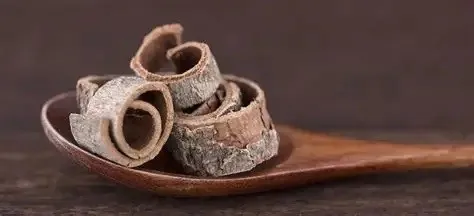
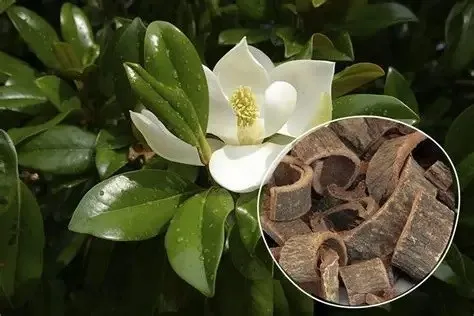
Magnolia bark extract is derived from the bark of Magnolia officinalis (known as 厚朴 in Traditional Chinese Medicine), a tree native to China and Japan that has been used in Chinese herbal medicine for over 2,000 years. The bark has traditionally been employed to treat anxiety, digestive disorders, and sleep disturbances.
Modern science has identified honokiol and magnolol — two neolignan compounds unique to Magnolia bark — as the primary bioactive constituents responsible for these therapeutic effects. These compounds have attracted significant research interest for their anxiolytic, sleep-promoting, neuroprotective, and anti-inflammatory properties.
As a leading herbal extract manufacturer, Greensky Bio supplies standardized Magnolia bark extract to global formulators in the dietary supplement, functional food, cosmetic, and pharmaceutical sectors.
2. Key Active Compounds: Honokiol & Magnolol
Magnolia bark extract's pharmacological activity is driven by two structurally related neolignans:
Honokiol (3,5'-diallyl-2,4'-dihydroxybiphenyl)
Molecular weight: 266.34 g/mol
Primary activities: Anxiolytic, anti-inflammatory, antioxidant, anti-tumor, neuroprotective
Unique property: Crosses the blood-brain barrier efficiently (unlike most polyphenols)
Relative potency: Generally considered more potent than magnolol for anxiolytic effects
Magnolol (5,5'-diallyl-2,2'-dihydroxybiphenyl)
Molecular weight: 266.34 g/mol (structural isomer of honokiol)
Primary activities: Anti-anxiety, anti-inflammatory, antimicrobial, GABAergic modulation
Unique property: Stronger antimicrobial activity than honokiol
Relative potency: Comparable anxiolytic effects at slightly higher doses
Typical Extract Ratios
| Extract Type | Honokiol | Magnolol | Combined Total |
|---|---|---|---|
| Standard | 2% | 2% | 4% |
| Premium | 5% | 5% | 10% |
| High-Potency | 10% | 10% | 20% |
| Custom | Per specification | Per specification | Per specification |
3. Mechanism of Action: Natural GABA Modulation
Magnolia bark extract is one of the most well-studied botanical natural GABA modulators, offering a pharmaceutical-grade mechanism through a plant-derived pathway.
3.1 GABA-A Receptor Positive Allosteric Modulation
Both honokiol and magnolol act as positive allosteric modulators (PAMs) of the GABA-A receptor — the same receptor class targeted by benzodiazepines and non-benzodiazepine sleep medications (Z-drugs). However, unlike synthetic drugs:
No physical dependence or withdrawal syndrome documented in preclinical studies
No significant sedative hangover at therapeutic doses
Preserved cognitive function compared to benzodiazepines
Multi-site binding — honokiol binds to both the benzodiazepine site and a distinct allosteric site
3.2 5-HT₁A Serotonin Receptor Agonism
Honokiol also acts as a partial agonist at 5-HT₁A serotonin receptors, contributing to its anxiolytic effects through a complementary mechanism. This dual action (GABAergic + serotonergic) is rare among botanical compounds.
3.3 Additional Mechanisms
NMDA receptor modulation — neuroprotective effects
COX-2 and NF-κB inhibition — anti-inflammatory activity
PPAR-γ activation — metabolic and anti-diabetic potential
Antioxidant activity — direct free radical scavenging (magnolol is a potent antioxidant)
Neurotrophic factor enhancement — potential cognitive benefits
4. Health Benefits and Clinical Evidence
4.1 Anxiety and Stress Relief
Magnolia bark extract has demonstrated significant anxiolytic effects in both animal models and human studies:
A clinical study found that 250 mg/day of Magnolia bark extract (standardized to honokiol + magnolol) significantly reduced anxiety scores compared to placebo
Preclinical studies show anxiolytic efficacy comparable to low-dose diazepam, without sedation or motor impairment
The GABAergic mechanism provides rapid onset of action (30–60 minutes)
4.2 Sleep Support
By enhancing GABAergic neurotransmission, Magnolia bark extract promotes:
Reduced sleep latency (faster sleep onset)
Improved sleep quality and duration
Non-habit-forming sleep support (unlike Z-drugs and benzodiazepines)
Particularly effective when combined with other sleep-supporting botanicals
4.3 Cognitive Function and Neuroprotection
Emerging research suggests honokiol may offer:
Protection against age-related cognitive decline
Neuroprotection in Alzheimer's and Parkinson's disease models
Enhancement of memory consolidation
Reduction of neuroinflammation
4.4 Digestive Health
Traditional use of Magnolia bark for digestive complaints is supported by modern evidence:
Antispasmodic effects on smooth muscle
Antimicrobial activity against gut pathogens
Anti-inflammatory action in the intestinal mucosa
Reduction of bloating and abdominal discomfort
4.5 Metabolic Health
PPAR-γ activation by honokiol and magnolol suggests potential benefits for:
Insulin sensitivity
Lipid metabolism
Weight management support
5. Applications Across Industries
5.1 Dietary Supplements
Sleep support capsules and gummies
Anti-anxiety and stress relief formulas
Relaxation and mood support blends
Nootropic and cognitive enhancement stacks
Digestive health supplements
5.2 Functional Foods and Beverages
Relaxation teas (combined with chamomile, lavender)
Sleep-support beverages and shots
Calming gummies and soft chews
Functional mushroom coffee blends (paired with reishi, lion's mane)
5.3 Cosmetics and Personal Care
Anti-aging skincare (antioxidant properties)
Anti-acne formulations (antimicrobial activity)
Scalp care products
Calming body care and bath products
5.4 Pet Health
Anxiety-reducing supplements for dogs (separation anxiety, storm phobia)
Sleep support for senior pets
Stress management during travel or grooming
6. Quality Parameters and Specifications
Greensky Bio's Magnolia bark extract is manufactured under strict quality control standards.
| Parameter | Specification | Test Method |
|---|---|---|
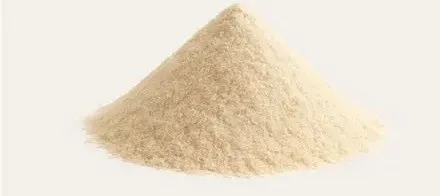
| Appearance | White to light brown fine powder | Organoleptic |
| Odor | Characteristic, mild | Organoleptic |
| Honokiol | 2%, 5%, 10%, or custom | HPLC |
| Magnolol | 2%, 5%, 10%, or custom | HPLC |
| Combined (Honokiol + Magnolol) | 4%, 10%, 20%, or custom | HPLC |
| Loss on Drying | ≤ 5.0% | USP <731> |
| Ash Content | ≤ 5.0% | USP <281> |
| Particle Size | 80 mesh or custom | Sieve Analysis |
| Heavy Metals | Pb ≤ 1.0 ppm, As ≤ 1.0 ppm, Cd ≤ 0.5 ppm, Hg ≤ 0.1 ppm | ICP-MS |
| Microbial Limits | TPC ≤ 10,000 CFU/g, YM ≤ 1,000 CFU/g, E. coli: Neg, Salmonella: Neg | USP <2021> |
| Pesticide Residues | Compliant with EU/USP limits | GC-MS / LC-MS/MS |
| Solvent Residues | Compliant with ICH Q3C | GC |
Certificates Available
| Certificate | Status |
|---|---|
| ISO 22000 | Certified |
| HACCP | Certified |
| Kosher | Certified |
| Halal | Certified |
| Organic (EU/USDA) | Available on request |
| COA (per batch) | Always provided |
| Third-Party Lab Report | Available (Eurofins, SGS) |
7. B2B Buyer's Guide: How to Source Magnolia Bark Extract
7.1 Understanding Extract Grades
| Grade | Total Neolignans | Typical Use |
|---|---|---|
| Standard (4%) | Honokiol 2% + Magnolol 2% | General wellness, food/beverage applications |
| Premium (10%) | Honokiol 5% + Magnolol 5% | Sleep support, stress relief supplements |
| High-Potency (20%+) | Honokiol 10% + Magnolol 10%+ | Clinical-grade, targeted therapeutic formulations |
7.2 Key Supplier Evaluation Criteria
Green Flags (Good Signs):
Separate quantification of honokiol AND magnolol (not just combined total)
HPLC chromatograms showing clean peaks without co-eluting compounds
Source documentation for Magnolia officinalis bark origin (Sichuan, Hubei, or other regions)
Third-party verification of honokiol/magnolol content
Consistent batch-to-batch potency
Transparent about extraction method
Red Flags (Warning Signs):
Only lists "Magnolia bark extract" without honokiol/magnolol percentages
No HPLC data or chromatograms provided
Unusually high potency at unusually low prices (potential synthetic adulteration)
No documentation of raw material origin
Inconsistent color or potency between batches
7.3 Sourcing Best Practices
Determine your target honokiol:magnolol ratio — equal ratios (1:1) are most common, but some formulations benefit from honokiol-enriched extracts
Request independent lab verification — honokiol and magnolol are expensive compounds; adulteration is a known issue
Consider the extraction solvent — ethanol extracts retain a broader profile of compounds; CO₂ extracts are solvent-free but may lose some polar compounds
Evaluate stability data — honokiol and magnolol are susceptible to oxidation; proper packaging (nitrogen-flushed, light-resistant) is essential
Plan for combination sourcing — Magnolia bark extract is rarely used alone; a supplier with complementary botanicals (ashwagandha, passion flower, valerian) simplifies your supply chain
8. Regulatory and Safety Information
8.1 United States (FDA)
Marketed as a dietary supplement ingredient under DSHEA
No GRAS designation required for supplement use
NDI notification may be required for novel concentration levels
Traditional use history supports safety for food and beverage applications
8.2 European Union (EFSA)
Listed in the European Pharmacopoeia (Magnoliae officinalis cortex)
Novel Food status depends on concentration and extraction method
Traditional Herbal Medicinal Product registration available in several EU member states
Compliant with EU cosmetics regulation (Regulation (EC) No 1223/2009)
8.3 China (NHC/SAMR)
厚朴 (Magnolia officinalis bark) is listed in the Chinese Pharmacopoeia
Available for health food (保健食品) formulation
Both raw bark and extract are widely used in TCM preparations
8.4 Safety Profile
Well-tolerated in clinical studies at doses up to 500 mg/day (standardized extract)
Mild drowsiness at higher doses (expected given GABAergic mechanism)
No documented serious adverse events in clinical literature
Potential interaction with sedative medications (additive effect)
Limited safety data during pregnancy and lactation — caution advised
No evidence of dependence or withdrawal in animal or human studies
9. Synergy with Other Botanicals
Magnolia bark extract is highly synergistic with several other botanical ingredients:
| Combination | Rationale | Applications |
|---|---|---|
| Magnolia + Ashwagandha | GABA modulation + cortisol regulation | Comprehensive stress relief |
| Magnolia + L-Theanine | GABA-A modulation + GABA increase | Calm focus, pre-sleep relaxation |
| Magnolia + Valerian Root | Dual GABAergic action | Enhanced sleep support |
| Magnolia + Passion Flower | Complementary GABA-A binding | Anxiety and sleep formula |
| Magnolia + GABA | Receptor modulation + substrate availability | Fast-acting calm formula |
| Magnolia + Melatonin | GABAergic sleep onset + circadian regulation | Complete sleep cycle support |
| Magnolia + Lemon Balm | GABA transaminase inhibition + receptor modulation | Daytime calm formula |
As a botanical extract supplier with a broad portfolio, Greensky Bio can supply Magnolia bark extract alongside complementary ingredients like saw palmetto, artichoke extract, turmeric Curcumin, and Astaxanthin.
10. Why Choose Greensky Bio as Your Supplier
Greensky Bio is a professional plant extract manufacturer and herbal extract supplier based in China, delivering premium botanical extracts to global markets.
Manufacturing Excellence
Standardized to your exact specifications — honokiol and magnolol individually quantified
Advanced extraction and purification — multi-step processes ensure consistent potency
Full analytical capability — in-house HPLC, ICP-MS, GC-MS for comprehensive quality control
Quality Certifications
ISO 22000, HACCP, Kosher, Halal, Organic certified
Per-batch COA with full heavy metals, microbial, and pesticide panels
Third-party lab verification available (Eurofins, SGS)
Comprehensive Product Portfolio
Beyond Magnolia bark extract, Greensky Bio produces:
Saw Palmetto Extract — men's health
Astaxanthin — antioxidant and skin health
Red Yeast Rice Extract — cardiovascular support
Artichoke Extract — liver and metabolic health
Turmeric Curcumin Extract — anti-inflammatory and antioxidant
Supply Chain Advantages
Direct sourcing from cultivated Magnolia officinalis farms in Sichuan and Hubei provinces
Scalable production — from 1 kg evaluation orders to multi-ton annual supply
Custom formulation support — blending, microencapsulation, and dosage form optimization
Competitive pricing with transparent cost structures
11. Frequently Asked Questions
Q1: What is the difference between honokiol and magnolol?
Honokiol and magnolol are structural isomers (same molecular formula, different arrangement). Honokiol is generally considered more potent for anxiolytic and neuroprotective effects, while magnolol shows stronger antimicrobial and antioxidant activity. Most commercial extracts contain both in roughly equal proportions.
Q2: What is the recommended dosage for Magnolia bark extract?
For sleep support: 100–300 mg/day of extract standardized to 5–10% total neolignans (30–60 minutes before bedtime). For stress and anxiety: 100–200 mg/day, 1–2 times daily. For high-potency extracts (20%+ total neolignans), dosages of 25–100 mg/day may be sufficient.
Q3: Is Magnolia bark extract habit-forming?
No. Unlike benzodiazepines and Z-drugs that act on the same GABA-A receptor, Magnolia bark extract does not cause physical dependence, tolerance, or withdrawal symptoms in clinical or preclinical studies.
Q4: Can Magnolia bark extract be combined with prescription sleep or anxiety medications?
Caution is advised. Since Magnolia bark extract enhances GABAergic neurotransmission, combining it with prescription sedatives (benzodiazepines, zolpidem, etc.) may produce additive sedative effects. Consult a healthcare professional before combining.
Q5: What is the best extraction method for Magnolia bark?
Ethanol extraction is the most common and provides a broad spectrum of active compounds. Supercritical CO₂ extraction yields a solvent-free extract but may not capture all polar compounds. We can supply both methods depending on your requirements.
Q6: How stable is Magnolia bark extract?
Honokiol and magnolol are susceptible to oxidation over time. Proper storage (cool, dry, nitrogen-flushed packaging, away from light) ensures 24-month shelf life. We recommend light-resistant, oxygen-barrier packaging for finished products.
Q7: Is Magnolia bark extract suitable for vegan formulations?
Yes, our Magnolia bark extract is entirely plant-derived and suitable for vegan and vegetarian formulations.
Q8: What is the MOQ for Magnolia bark extract?
Our standard MOQ is 1 kg for evaluation purposes, with bulk pricing available for 25 kg+ orders. Contact our sales team for custom specifications and volume pricing.
Ready to source premium Magnolia Bark Extract?
Contact Greensky Bio — your trusted plant extract manufacturer and botanical extract supplier — for competitive pricing, free samples, and expert formulation support.
Email: [email protected] Website:
- ▶ Hesperidin
- ▶ Citrus Bioflavonoids
- ▶ Plant Extract
- ▶ lycopene
- ▶ Diosmin
- ▶ Grape seed extract
- ▶ Sea buckthorn Juice Powder
- ▶ Fruit Juice Powder
- ▶ Hops Extract
- ▶ Artichoke Extract
- ▶ Mushroom extract
- ▶ Astaxanthin
- ▶ Green Tea Extract
- ▶ Curcumin
- ▶ Horse Chestnut Extract
- ▶ Other Product
- ▶ Boswellia Serrata Extract
- ▶ Resveratrol
- ▶ Marigold Extract
- ▶ Grape Leaf Extract
- ▶ New Product
- ▶ Aminolevulinic acid
- ▶ Cranberry Extract
- ▶ Red Yeast Rice
- ▶ Red Wine Extract
- ▶ blog
-
Echinacea Extract
2026-11-14
-
Yellow Pine Extract
2026-11-14
-
Chaste Berry Extract
2026-11-14
-
Oat Straw Extract Powder
2026-11-14
-
Epimedium extract powder
2026-11-14
-
Polygonum Cuspidatum Extract
2026-11-14
-
Cat Claw Extract
2026-11-14
-
NMN (Nicotinamide Mononucleotide)
2026-11-14
-
Liposomal Berberine HCl
2026-11-14
-
Magnolia Bark Extract
2026-11-14