- 0086-571-85302990
- [email protected]




Ginkgo Biloba Extract: Complete Guide to Cognitive Health, Circulation & B2B Sourcing (2026)
2026-11-08
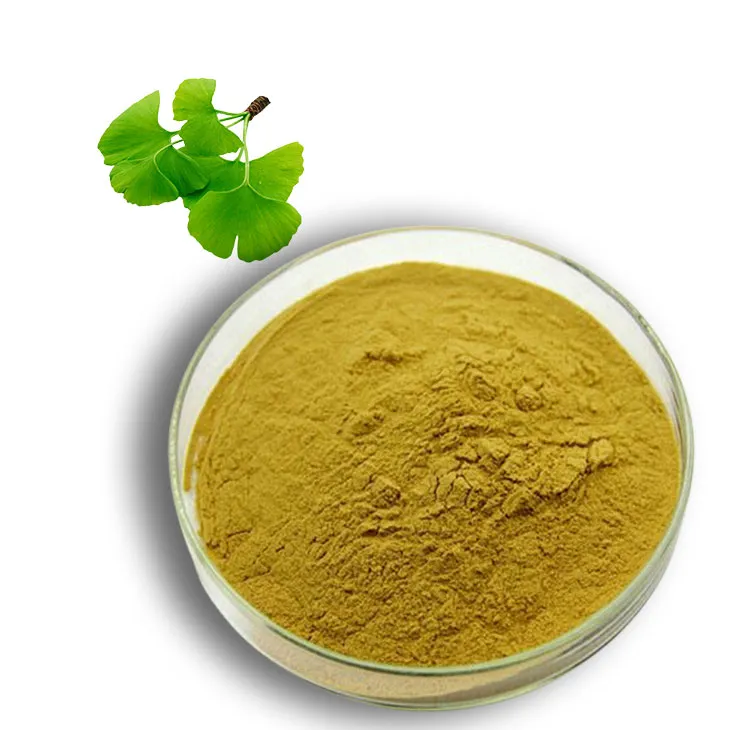
Table of Contents
What Is Ginkgo Biloba Extract and Why Is It the Most Studied Herbal Nootropic?
Ginkgo biloba, commonly known as the maidenhair tree, is a living fossil — the sole surviving species of the Ginkgoaceae family, dating back over 270 million years. Native to China, it has been used in Traditional Chinese Medicine (TCM) for centuries, and since the 1960s has become one of the most extensively researched botanical medicines in the Western world.
Ginkgo biloba extract (GBE) is one of the top 3 best-selling herbal supplements globally, with annual sales exceeding USD 1 billion. It is prescribed as a medicine in Germany and France and is classified as a dietary supplement in the United States.
The extract's primary applications span cognitive health, circulatory support, tinnitus management, and antioxidant protection, with over 400 peer-reviewed clinical studies published to date.
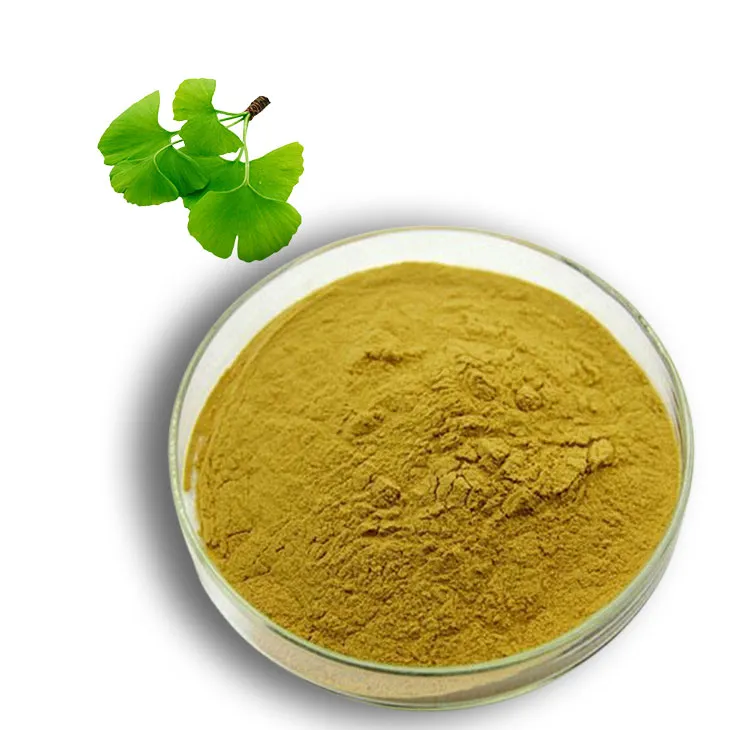
Active Compounds: Flavone Glycosides, Terpene Lactones, and Ginkgolic Acids
The therapeutic activity of GBE is attributed to two unique classes of bioactive compounds:
Flavone Glycosides (24% in standardized extract)
Quercetin — Potent antioxidant, anti-inflammatory
Kaempferol — Cardioprotective, neuroprotective
Isorhamnetin — Free radical scavenging, anti-aging
Terpene Lactones (6% in standardized extract)
Ginkgolides A, B, C, J, M — Platelet-activating factor (PAF) antagonists
Bilobalide — Neuroprotective, myelin sheath support
Ginkgolic Acids (must be <5 ppm)
Potentially allergenic and cytotoxic compounds that must be removed during processing
Regulated limit: <5 ppm (European Pharmacopoeia standard)
Standard Flavone Glycosides Terpene Lactones Ginkgolic Acids European Pharmacopoeia 22–27% 5.4–7.8% < 5 ppm USP (United States) ≥24% ≥6% < 5 ppm Chinese Pharmacopoeia ≥24% ≥6% < 5 ppm

Clinical Evidence for Cognitive Enhancement and Memory Support
Age-Related Cognitive Decline
A comprehensive meta-analysis published in Phytotherapy Research (2021) reviewed 38 RCTs involving GBE for cognitive function:
Dementia patients: GBE (120–240 mg/day) showed significant improvements in cognitive test scores (ADAS-cog, MMSE) compared to placebo (p < 0.01)
Mild cognitive impairment: 240 mg/day of EGb 761 improved memory recall and attention over 24 weeks
Healthy older adults: Modest but significant improvements in processing speed and working memory
Alzheimer's Disease Adjunct Therapy
The German Commission E and ESCOP (European Scientific Cooperative on Phytotherapy) both recognize GBE as a treatment for dementia symptoms. In Germany, GBE (EGb 761) is a prescription medication reimbursed by health insurance for dementia treatment.
Healthy Adult Cognitive Performance
Multiple studies have demonstrated acute and chronic cognitive benefits in young, healthy adults:
Acute effects (1–6 hours post-dose): Improved attention accuracy and working memory speed (Kennedy et al., 2007)
Chronic effects (4–12 weeks): Enhanced memory consolidation and reduced mental fatigue (Mix & Crews, 2002)
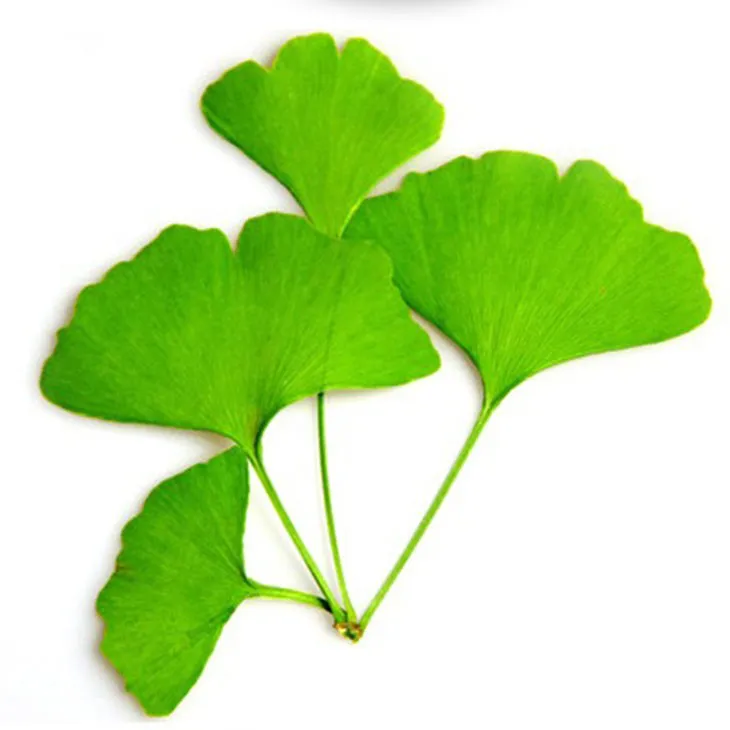
Cerebral and Peripheral Circulation Benefits
Mechanism of Action
GBE improves blood flow through multiple pathways:
Vasodilation — Increases nitric oxide (NO) production in endothelial cells
Blood rheology — Reduces blood viscosity and improves red blood cell deformability
PAF antagonism — Ginkgolides (especially Ginkgolide B) inhibit platelet-activating factor, reducing platelet aggregation
Microcirculation enhancement — Improves capillary blood flow and tissue oxygenation
Peripheral Arterial Disease (PAD)
A Cochrane Review (2019) analyzed 10 RCTs of GBE for intermittent claudication:
Walking distance improved by an average of 34 meters compared to placebo
Quality of life scores showed modest improvement
Effects were smaller than conventional treatments but with fewer adverse events
Cerebral Blood Flow
A PET imaging study (2017) demonstrated that 120 mg/day of GBE for 4 weeks increased cerebral blood flow by 9% in the prefrontal cortex, correlating with improved cognitive test performance.
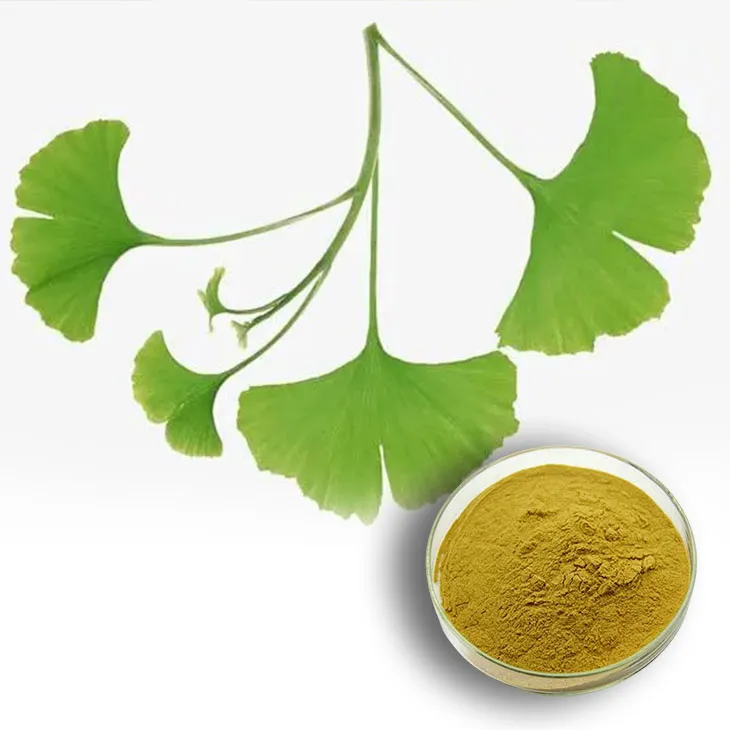
Tinnitus, Vertigo and Vestibular Health
GBE has been used clinically for vestibular disorders for decades:
A meta-analysis of 15 RCTs (n=1,543) found GBE significantly improved tinnitus symptoms in 42% of patients vs. 28% for placebo (Bauer & Garland, 2020)
ESCOP recognizes GBE for "symptomatic treatment of peripheral vestibular vertigo"
Most effective for tinnitus of vascular origin; less effective for sensorineural tinnitus
Antioxidant and Neuroprotective Mechanisms
Mitochondrial Protection
Bilobalide, unique to Ginkgo, protects mitochondrial function under oxidative stress by:
Preserving mitochondrial membrane potential
Reducing reactive oxygen species production in neuronal mitochondria
Supporting ATP synthesis under ischemic conditions
Amyloid-β Modulation
Preclinical research has shown GBE may:
Reduce amyloid-β plaque aggregation in Alzheimer's models
Inhibit β-secretase (BACE1) activity, reducing amyloid production
Enhance microglial clearance of amyloid-β deposits
Blood-Brain Barrier Protection
GBE strengthens blood-brain barrier integrity by upregulating tight junction proteins (claudin-5, occludin) and reducing matrix metalloproteinase (MMP-9) activity.
Safety Considerations: Ginkgolic Acid Limits and Drug Interactions
Ginkgolic Acid Toxicity
Ginkgolic acids are allergenic compounds naturally present in Ginkgo leaves. Modern extraction processes reduce them to <5 ppm, which is considered safe. Products exceeding this limit may cause:
Contact dermatitis
Gastrointestinal irritation
Cytotoxic effects
Drug Interactions
Drug Class Interaction Clinical Significance Anticoagulants (Warfarin, Aspirin) Additive antiplatelet effect Moderate — monitor bleeding time SSRIs/SNRIs Theoretical seizure risk (case reports) Rare — avoid high doses Antidiabetic drugs May enhance glucose-lowering Low — monitor blood sugar CYP2C19 substrates Mild enzyme inhibition Low — clinically insignificant at standard doses
Recommended Dosage
Cognitive support: 120–240 mg/day (standardized to 24% flavone glycosides, 6% terpene lactones)
Tinnitus: 120–160 mg/day in divided doses
Peripheral circulation: 120–240 mg/day
Acute cognitive enhancement: 120–360 mg as a single dose (effects within 1–4 hours)
Contraindications
Pregnancy and lactation (insufficient safety data)
Pre-surgical use (discontinue 2 weeks before surgery due to antiplatelet effects)
Epilepsy (theoretical seizure threshold reduction)
Standardized Extract EGb 761: The Gold Standard
EGb 761 (produced by Dr. Willmar Schwabe, Germany) is the most extensively studied GBE formulation, referenced in over 300 clinical trials. Key characteristics:
Composition: 24% flavone glycosides, 6% terpene lactones (<5 ppm ginkgolic acids)
Extraction: Acetone-water (60:40) extraction with proprietary processing
Clinical evidence base: Largest and most rigorous of any GBE
For B2B buyers, matching the EGb 761 specification (24/6 standardization with <5 ppm ginkgolic acids) is essential for producing clinically validated formulations.
Quality Markers for B2B Buyers
Parameter Specification Test Method Flavone glycosides 22–27% HPLC (European Pharmacopoeia) Terpene lactones 5.4–7.8% HPLC-ELSD Ginkgolic acids < 5 ppm HPLC-FLD Quercetin ≥ 4% HPLC Kaempferol ≥ 2% HPLC Isorhamnetin ≥ 0.5% HPLC Ginkgolide A ≥ 2.4% HPLC-ELSD Ginkgolide B ≥ 1.2% HPLC-ELSD Bilobalide ≥ 2.4% HPLC-ELSD Heavy metals Pb < 1.0 ppm, As < 0.5 ppm ICP-MS Pesticide residues EU MRL compliant LC-MS/MS Moisture < 5.0% Loss on drying
Manufacturing Process and Supply Chain
Production Process
Leaf Harvesting — Ginkgo leaves are harvested in autumn (September–October) when flavone glycoside and terpene lactone content peak
Drying — Controlled drying at 40–50°C to preserve heat-sensitive terpene lactones
Milling — Leaves are ground to increase extraction surface area
Extraction — Hydroalcoholic or acetone-water extraction at controlled temperature (60–70°C)
Purification — Multiple extraction and concentration steps to achieve target standardization
Ginkgolic Acid Removal — Proprietary adsorption or chromatographic process to reduce <5 ppm
Spray Drying — Conversion to free-flowing powder with carrier (maltodextrin or silica)
Quality Control — Full panel testing including terpene lactone quantification by HPLC-ELSD
Ginkgo Cultivation in China
China is the world's largest Ginkgo resource, with major cultivation areas in:
Jiangsu Province (Pizhou, Xinghua) — The largest Ginkgo planting base globally
Shandong Province (Tancheng) — Known for high flavone content
Guangxi Province — Southern growing region with extended harvest season
B2B Sourcing from China: Greensky Bio's Ginkgo Biloba Capability
Hangzhou Greensky Biological Tech. Co., Ltd. brings 20+ years of plant extract manufacturing expertise to Ginkgo biloba extract production:
Standardized Quality — Our GBE meets European Pharmacopoeia, USP, and Chinese Pharmacopoeia specifications (24% flavone glycosides, 6% terpene lactones, <5 ppm ginkgolic acids)
Certified Facility — ISO 22000, BRCGS, Ecocert Organic, and SGS-GMP certified production
Advanced Testing — In-house HPLC-ELSD for terpene lactone analysis, HPLC-FLD for ginkgolic acid quantification
Global Compliance — Products meet EU, US FDA, and international regulatory requirements
Reliable Supply — Direct sourcing from Chinese Ginkgo cultivation regions with traceable supply chain
Export Experience — Serving European, American, Korean, and Russian markets
- ▶ Hesperidin
- ▶ Citrus Bioflavonoids
- ▶ Plant Extract
- ▶ lycopene
- ▶ Diosmin
- ▶ Grape seed extract
- ▶ Sea buckthorn Juice Powder
- ▶ Fruit Juice Powder
- ▶ Hops Extract
- ▶ Artichoke Extract
- ▶ Mushroom extract
- ▶ Astaxanthin
- ▶ Green Tea Extract
- ▶ Curcumin
- ▶ Horse Chestnut Extract
- ▶ Other Product
- ▶ Boswellia Serrata Extract
- ▶ Resveratrol
- ▶ Marigold Extract
- ▶ Grape Leaf Extract
- ▶ New Product
- ▶ Aminolevulinic acid
- ▶ Cranberry Extract
- ▶ Red Yeast Rice
- ▶ Red Wine Extract
- ▶ blog
-
5-HTP (5-Hydroxytryptophan)
2026-11-08
-
Marigold Extract
2026-11-08
-
Acerola Extract
2026-11-08
-
Tongkat Ali Extract Powder
2026-11-08
-
Beta Carotene
2026-11-08
-
Grape Seed Extract
2026-11-08
-
Shikone Extract
2026-11-08
-
Giant Knotweed Extract
2026-11-08
-
Red Wine Extract
2026-11-08
-
melatonin
2026-11-08