- 0086-571-85302990
- [email protected]




What Is Rhodiola Rosea Extract?
2026-10-08
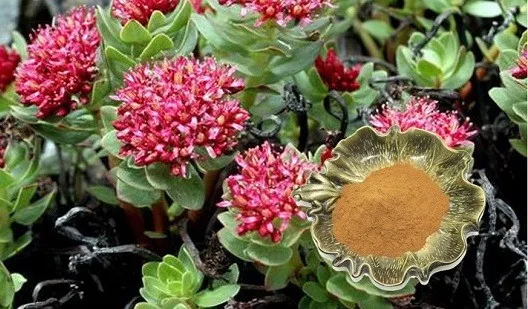
What Is Rhodiola Rosea Extract?
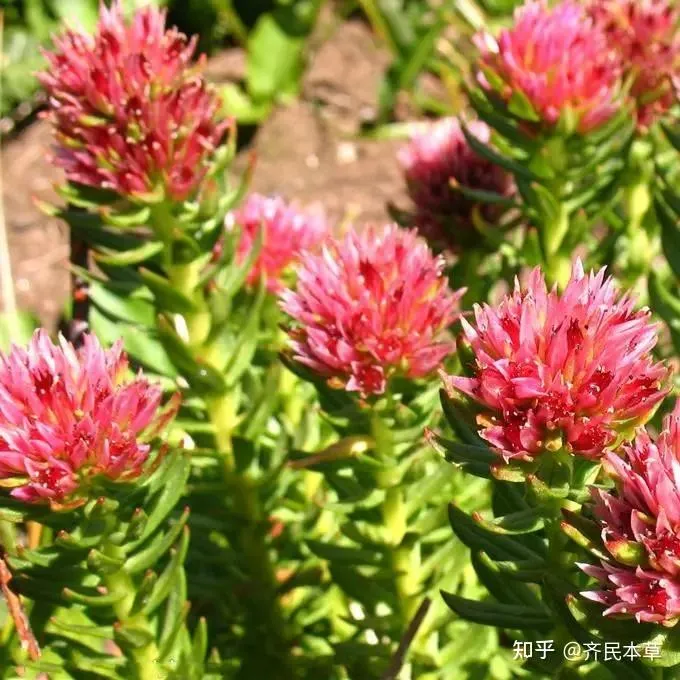
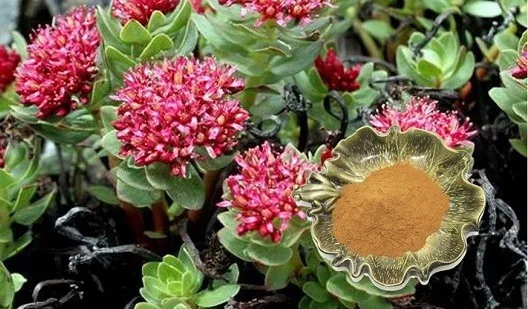
Rhodiola rosea (commonly known as golden root, arctic root, or roseroot) is a perennial flowering plant in the Crassulaceae family, native to cold, high-altitude regions of Europe, Asia, and North America. It has been used for centuries in Traditional Chinese Medicine, Scandinavian folk medicine, and Russian adaptogenic therapy for its stress-resistance and performance-enhancing properties.
The global Rhodiola rosea extract market is valued at approximately USD 120-150 million (2024) and is growing at 9-12% CAGR, driven by surging consumer demand for natural stress management, cognitive support, and athletic performance supplements.
Key Active Compounds: Rosavins and Salidroside
Rhodiola rosea contains a unique combination of bioactive compounds not found together in any other plant:
Compound Class Function Rosavin (rosavins A, B, C) Phenylpropanoid glycosides Primary markers; adaptogenic, anti-stress Salidroside (rhodioloside) Phenylethanoid glycoside Neuroprotective, antioxidant, anti-fatigue Rosin Phenylpropanoid Complementary adaptogenic activity Rosiridin Phenylpropanoid Anti-stress, cognitive support Tyrosol Phenylethanoid Antioxidant, cardioprotective
Standardization ratios: The European Pharmacopoeia and most quality-focused manufacturers standardize Rhodiola extract to 3% rosavins and 1% salidroside (3:1 ratio), reflecting the natural proportion found in the raw root.
Adaptogenic Science: How Rhodiola Works
The HPA Axis and Stress Response
Rhodiola's primary mechanism of action involves modulation of the hypothalamic-pituitary-adrenal (HPA) axis — the body's central stress response system:
Stress Stimulus
    │
    ▼
Hypothalamus → releases CRH (corticotropin-releasing hormone)
    │
    ▼
Pituitary Gland → releases ACTH (adrenocorticotropic hormone)
    │
    ▼
Adrenal Cortex → releases Cortisol (stress hormone)
    │
    ┌─────────────────────────────────┐
    │  Rhodiola acts at multiple      │
    │  points to modulate this axis:   │
    │  • Regulates CRH sensitivity     │
    │  • Normalizes cortisol levels    │
    │  • Protects against HPA burnout  │
    └─────────────────────────────────┘
Neurotransmitter Modulation
Rhodiola influences key neurotransmitter systems:
Neurotransmitter Effect Outcome Serotonin Increased availability (MAO inhibition) Mood support, emotional resilience Dopamine Enhanced dopaminergic signaling Motivation, cognitive performance Norepinephrine Modulated release and reuptake Alertness, focus, energy Beta-endorphins Increased levels Stress tolerance, pain threshold Nitric oxide Enhanced production Vasodilation, oxygen delivery
Cellular Stress Protection
Heat shock protein (HSP70) upregulation — Protects cells from stress-induced damage
Stress-activated kinase (JNK) inhibition — Prevents stress-induced apoptosis
Cortisol normalization — Prevents both excess and deficiency states
Extraction Methods
Ethanol-Water Extraction (Industry Standard)
The most common commercial method for Rhodiola rosea extract:
Process Flow:
Raw material preparation — Dried Rhodiola roots are cleaned, sorted, and milled to 20-40 mesh
Solvent extraction — 40-70% ethanol-water mixture at 60-80°C for 2-3 extraction cycles
Filtration — Insoluble plant materials removed via filtration
Concentration — Solvent recovered via vacuum evaporation at low temperature (<60°C) to preserve thermolabile compounds
Standardization — Extract adjusted to 3% rosavins / 1% salidroside
Drying — Spray drying produces the final standardized powder
Yield: Typically 15-25% extract from dried Rhodiola root
Supercritical CO₂ + Ethanol Extraction (Premium)
A two-step process combining CO₂ and ethanol extraction:
Step 1 — Supercritical CO₂: Extracts lipophilic compounds (essential oils, fatty acids)
Step 2 — Ethanol extraction: Extracts rosavins and salidroside (polar compounds)
Advantages: Full-spectrum extract, solvent-free lipophilic fraction
Best for: Premium adaptogenic supplements targeting comprehensive stress support
Low-Temperature Extraction (Premium Quality)
Specialized processes to preserve thermolabile compounds:
Extraction temperature maintained below 50°C
Preserves sensitive rosavin glycosides and volatile compounds
Higher cost but superior phytochemical profile
Application: Clinical-grade supplements, pharmaceutical applications
Standardization Grades and Specifications
Common Rhodiola Rosea Extract Grades
Grade Rosavins Salidroside Primary Use Standard extract (3:1) ≥3% ≥1% General adaptogenic supplements High-potency extract ≥5% ≥1.5% Premium stress management Salidroside-enriched 1-3% ≥5% Neuroprotective formulations Whole root powder 0.5-1% 0.3-0.8% Capsule filling, tea blends Liquid extract (1:1) 0.3-0.5% 0.1-0.2% Tinctures, liquid supplements
Quality Specification Sheet (Rhodiola Extract, 3% Rosavins / 1% Salidroside)
Parameter Specification Test Method Rosavins ≥3% HPLC Salidroside ≥1% HPLC Rosin ≥0.5% HPLC Loss on drying ≤5.0% USP <731> Ash content ≤5.0% USP <281> Heavy metals Pb ≤2.0 ppm, As ≤1.0 ppm, Cd ≤0.5 ppm, Hg ≤0.1 ppm ICP-MS Pesticide residues Compliant with EU limits GC-MS/LC-MS Microbial limits TPC <1,000 CFU/g, Yeast/Mold <100 CFU/g, E. coli/Salmonella: Negative USP <61>, <62> Solvent residues Ethanol <5,000 ppm GC (USP <467>) Particle size 95% through 80 mesh Sieve analysis
Adulteration Detection
Rhodiola rosea is frequently adulterated with related species. Key differentiation markers:
Species Rosavins Present Salidroside Level Distinguishing Feature Rhodiola rosea (authentic) ✓ (rosavins A, B, C) 0.5-2% Gold standard Rhodiola crenulata ✗ 1-4% (high) High salidroside but no rosavins Rhodiola kirilowii ✗ Trace Different phenylethanoid profile Rhodiola sachalinensis ✗ 0.5-1% No rosavins
Detection method: HPLC fingerprinting with rosavin markers is the definitive authentication method. Suppliers should provide chromatograms confirming rosavin presence.
Clinical Evidence Summary
Health Area Key Findings Representative Studies Stress & fatigue Significant reduction in stress-related fatigue; improved mental performance under stress (SHR-5 extract, 400 mg/day, 4 weeks) Darbinyan et al. (2000), Phytomedicine Cognitive performance Improved attention, memory, and processing speed during stressful conditions (576 mg SHR-5 extract) Shevtsov & Pankratova (2002), Phytomedicine Exercise performance Reduced exercise-induced muscle damage, improved endurance capacity De Bock et al. (2004), Phytomedicine Mild to moderate depression Comparable to sertraline with fewer side effects (340 mg SHR-5, 6 weeks) Mao et al. (2015), Phytomedicine Burnout syndrome Significant improvement in burnout symptoms and cortisol normalization Olsson et al. (2009), Planta Med Altitude sickness Reduced symptoms of acute mountain sickness at high altitude Chen et al. (2010), High Alt Med Biol
Applications in Product Formulation
Stress & Adaptogenic Supplements
Formulation Type Recommended Grade Typical Dosage Notes Capsules 3% rosavins / 1% salidroside 200-400 mg Standard adaptogenic dose Liquid extracts 1:1 liquid extract 1-3 mL Fast-acting, good absorption Gummies Standardized powder 100-250 mg Growing category for stress management Combination formulas 3:1 extract + other adaptogens 200-500 mg Synergistic with ,
Athletic Performance Supplements
Pre-workout blends — Rhodiola + caffeine for sustained energy without jitters
Recovery formulas — Rhodiola + antioxidants for post-exercise recovery
Endurance supplements — 200-300 mg taken 1 hour before exercise
Cognitive & Nootropic Formulations
Combination Rationale Rhodiola + L-Theanine Calm focus, stress-free concentration Rhodiola + Bacopa monnieri Memory + stress resilience Rhodiola + Antioxidant + cognitive synergy Rhodiola + Phosphatidylserine Cortisol management + brain health
Sourcing Considerations for B2B Buyers
Key Questions for Suppliers
Can you provide HPLC chromatograms confirming rosavin presence? — Essential for authenticating R. rosea vs. related species
What is the wildcrafting vs. cultivation status? — Wild-harvested roots may have higher active compound levels but sustainability concerns
Is sustainable sourcing documented? — Rhodiola rosea is listed in CITES Appendix II in some regions
What extraction temperature is used? — Lower temperatures preserve thermolabile rosavins
Are batch-to-batch consistency data available? — Natural variation can be significant
Sustainability and Regulatory Notes
CITES status: Rhodiola rosea is protected in some European countries; sustainable sourcing documentation is increasingly important
Novel Food status: Not applicable in the EU (traditional use established), but check local regulations
Organic certification: Wild-harvested organic Rhodiola is available but limited in supply
Why Choose Greensky Bio as Your Rhodiola Rosea Extract Supplier
GMP-certified production — ISO22000, BRCGS, Ecocert Organic Standard, SGS-GMP certified facilities
Advanced testing capabilities — Independent laboratory with HPLC, GC, UV, ICP-MS for comprehensive quality control
20+ years experience — Established in 2004, with deep expertise in plant extract R&D and production
Global market presence — Export to Europe, the United States, South Korea, and Russia
Customized solutions — Ability to develop standardized Rhodiola extracts per customer specifications
GreenSky Bio — Professional Natural Plant Extract Manufacturer Since 2004. For inquiries about Rhodiola rosea extract and other adaptogenic ingredients, .
Related Products: | | |
- ▶ Hesperidin
- ▶ Citrus Bioflavonoids
- ▶ Plant Extract
- ▶ lycopene
- ▶ Diosmin
- ▶ Grape seed extract
- ▶ Sea buckthorn Juice Powder
- ▶ Fruit Juice Powder
- ▶ Hops Extract
- ▶ Artichoke Extract
- ▶ Mushroom extract
- ▶ Astaxanthin
- ▶ Green Tea Extract
- ▶ Curcumin
- ▶ Horse Chestnut Extract
- ▶ Other Product
- ▶ Boswellia Serrata Extract
- ▶ Resveratrol
- ▶ Marigold Extract
- ▶ Grape Leaf Extract
- ▶ New Product
- ▶ Aminolevulinic acid
- ▶ Cranberry Extract
- ▶ Red Yeast Rice
- ▶ Red Wine Extract
- ▶ blog
-
Echinacea Extract
2026-10-08
-
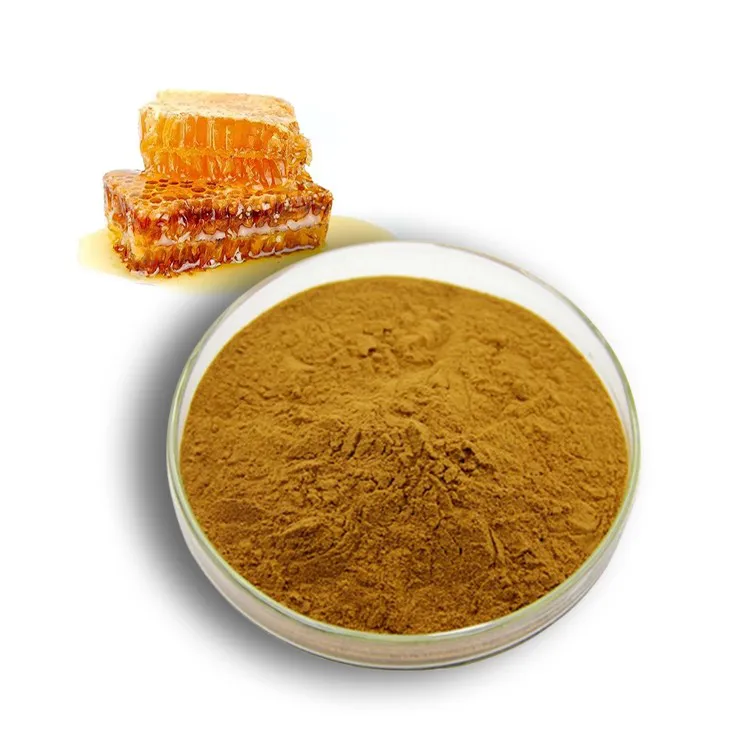
Propolis Extract Powder
2026-10-08
-
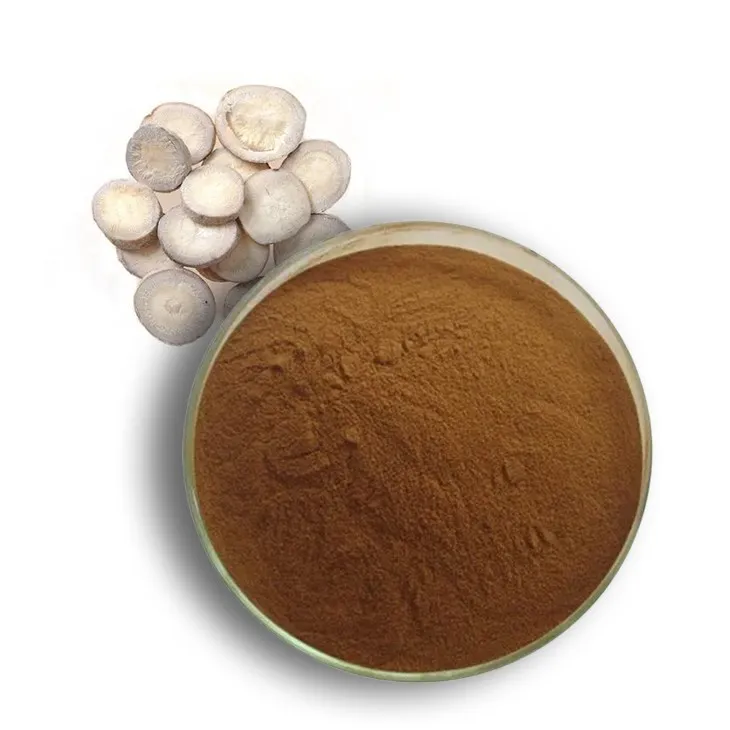
White Peony Extract
2026-10-08
-
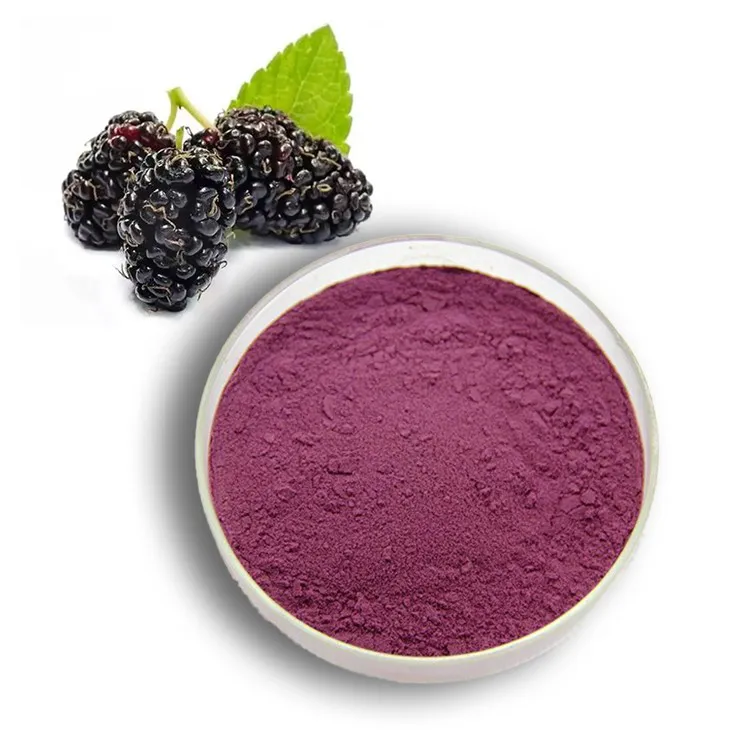
Mulberry Extract
2026-10-08
-
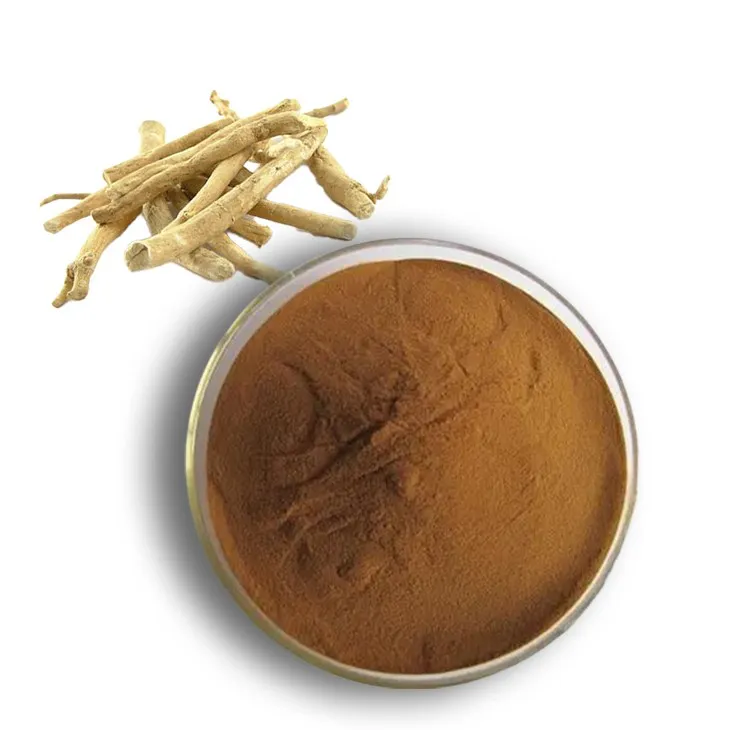
Withania Somnifera Extract
2026-10-08
-
Selenium yeast
2026-10-08
-
Black Pepper Extract
2026-10-08
-
Troxerutin
2026-10-08
-
Nutmeg Extract
2026-10-08
-
Chaste Berry Extract
2026-10-08