- 0086-571-85302990
- [email protected]






Pomegranate Extract: The Complete Guide to Ellagic Acid, Punicalagins, and Premium Antioxidant Sourc
2026-10-03
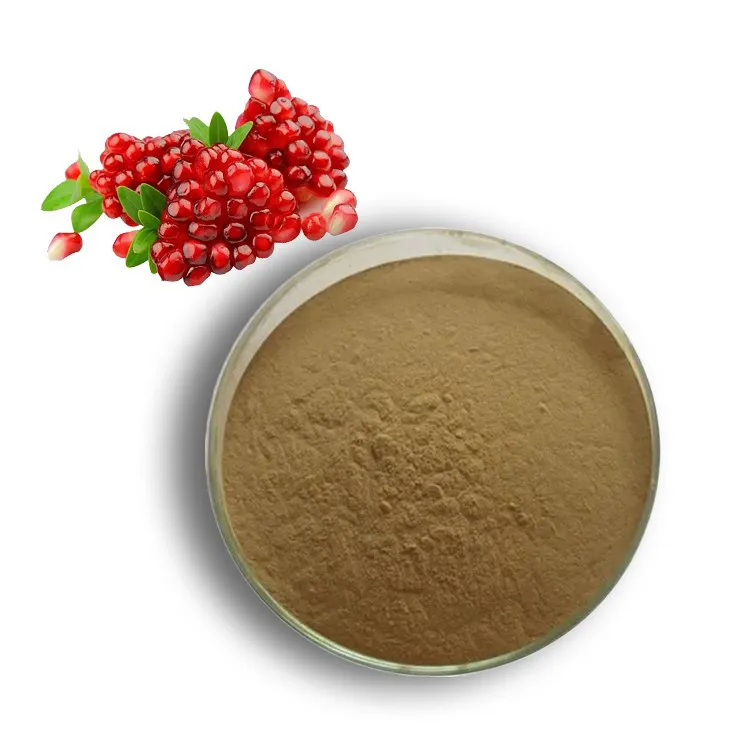
Pomegranate Extract: The Complete Guide to Ellagic Acid, Punicalagins, and Premium Antioxidant Sourcing
Pomegranate (Punica granatum L.) has been revered across civilizations for its medicinal properties. Modern science has confirmed that Pomegranate Extract — particularly concentrated preparations from the fruit peel — is one of the most potent natural antioxidant sources available. With punicalagin content up to three times higher than the juice and exceptional ellagic acid levels, this botanical ingredient is increasingly demanded across the nutraceutical, skincare, and functional food industries.
What Is Pomegranate Extract?
Pomegranate Extract is a concentrated botanical preparation derived primarily from the peel (pericarp) of Punica granatum L. fruit. While pomegranate juice is well-known for its health benefits, the peel actually contains 2–3 times higher concentrations of polyphenolic compounds, making it the superior source for standardized extract production.
The extract is typically standardized to ellagic acid content (40% or higher) or total punicalagin content. These polyphenolic compounds are responsible for the extract's extraordinary antioxidant capacity, which exceeds that of green tea, red wine, and most other botanical extracts measured by ORAC value.
Key Bioactive Compounds
The therapeutic value of Pomegranate Extract is driven by its unique polyphenol profile:
Punicalagins (α and β): Large ellagitannin molecules unique to pomegranate, representing the most abundant polyphenols in the peel. Punicalagins are hydrolyzed in the gut to produce ellagic acid and urolithins — metabolites with significant biological activity. They provide exceptional free-radical scavenging capacity and anti-inflammatory effects.
Ellagic acid (40–90%): A naturally occurring phenolic acid with well-documented antioxidant, anti-inflammatory, and chemopreventive properties. Ellagic acid is the primary standardization target for commercial Pomegranate Extracts and is increasingly recognized for its role in cardiovascular and skin health.
Punicalins: Smaller ellagitannin derivatives that contribute to the overall antioxidant profile and undergo similar metabolic conversion to bioactive urolithins.
Anthocyanins: Red pigments (delphinidin, cyanidin, pelargonidin glycosides) present in lower concentrations, providing color and additional antioxidant activity.
Gallagic acid derivatives: Additional hydrolyzable tannins contributing to the extract's astringent and antioxidant properties.
Clinically Supported Health Benefits
Cardiovascular Health
Pomegranate Extract has demonstrated significant cardiovascular protective effects in clinical studies:
Reduction in systolic blood pressure (5–8 mmHg) in hypertensive individuals
Decreased LDL oxidation — a critical step in atherosclerosis prevention
Improved endothelial function through enhanced nitric oxide production
Reduced carotid intima-media thickness in long-term supplementation studies
The mechanism involves punicalagin-mediated protection of vascular endothelial cells, inhibition of oxidative stress pathways, and modulation of lipid metabolism.
Skin Health and Photoprotection
Pomegranate ellagitannins and ellagic acid provide multi-faceted skin protection:
Inhibition of collagenase, elastase, and hyaluronidase — enzymes that degrade skin structural proteins
Protection against UV-induced skin damage and photoaging
Reduction of hyperpigmentation through tyrosinase inhibition
Anti-inflammatory activity beneficial for acne-prone and sensitive skin
Gut Health and Urolithin Production
A unique benefit of Pomegranate Extract involves the gut microbiome's conversion of ellagitannins into urolithins — metabolites with emerging evidence for:
Mitophagy enhancement (cellular quality control)
Muscle function and exercise performance
Anti-aging and longevity pathways
Gut microbiome modulation and anti-inflammatory effects
Anti-inflammatory and Immune Support
Punicalagins modulate NF-κB signaling and reduce production of pro-inflammatory cytokines (TNF-α, IL-6, IL-1β), providing broad-spectrum anti-inflammatory activity that supports immune function and may benefit chronic inflammatory conditions.
Extraction and Production Process
Industrial-Scale Manufacturing
Professional production of Pomegranate Extract requires careful handling to preserve heat-sensitive polyphenols:
Raw material preparation: Pomegranate peels are separated from the fruit (often as a byproduct of juice production), dried at controlled low temperatures (40–50°C), and milled to increase extraction efficiency.
Water-ethanol extraction: Milled peels are extracted using food-grade ethanol-water mixtures in multi-functional extraction tanks at optimized temperatures. As a professional plant extract manufacturer, Greensky Bio utilizes advanced 6-ton multi-functional extraction tanks with precise temperature control to preserve polyphenol integrity.
Filtration and clarification: The extract is filtered to remove particulate matter and concentrated under vacuum at low temperatures.
Purification and standardization: Macroporous resin column chromatography enriches ellagic acid and punicalagin content to target specifications while removing sugars and impurities.
Spray drying: The purified extract is spray-dried to produce a uniform powder with consistent potency, moisture content ≤5%, and excellent flowability.
Quality Specifications
Premium-grade Pomegranate Extract should meet the following specifications:
| Parameter | Specification (Ellagic Acid 40%) |
|---|---|
| Ellagic acid | ≥40% (HPLC) |
| Total punicalagins | ≥20% (HPLC) |
| Total polyphenols | ≥60% |
| Moisture | ≤5.0% |
| Ash | ≤3.0% |
| Heavy metals | Pb <2 ppm, Cd <1 ppm, As <1 ppm, Hg <0.1 ppm |
| Microbiological | TPC <1,000 CFU/g; Yeast/Mold <100 CFU/g; E. coli, Salmonella: negative |
| Pesticide residues | Compliant with EU/USP limits |
Greensky Bio, a certified natural plant extract manufacturer with ISO22000, BRCGS, Ecocert Organic Standard, and SGS-GMP certifications, provides comprehensive batch-specific COAs and third-party testing documentation for all pomegranate extract products.
Applications and Formulation Guidelines
Pomegranate Extract is used across multiple product categories:
Antioxidant supplements: 250–500 mg per serving of 40% ellagic acid extract
Cardiovascular health formulas: Combined with CoQ10, hawthorn, and garlic extracts
Skincare products: Anti-aging serums, sunscreens, and moisturizers at 0.5–3% concentration
Functional beverages: Antioxidant-enriched juices, teas, and wellness drinks
Sports nutrition: Recovery and anti-inflammatory formulations leveraging urolithin precursors
Why Choose Greensky Bio as Your Pomegranate Extract Supplier?
Hangzhou Greensky Biological Tech. Co., Ltd. brings over 20 years of expertise in botanical extract research, development, and production. Our competitive advantages include:
Low-temperature processing: High-efficiency low-temperature concentrators and vacuum drying systems preserve heat-sensitive polyphenols
Advanced quality control: HPLC-equipped laboratory for precise ellagic acid and punicalagin quantification
International certifications: ISO22000, BRCGS, Ecocert Organic Standard, SGS-GMP
Custom specification development: R&D team capable of producing extracts at various ellagic acid concentrations (40%–90%) to meet specific formulation needs
Global supply capability: Established export network serving Europe, the United States, South Korea, and Russia with annual export value approaching $30 million
Frequently Asked Questions
Q: What's the difference between pomegranate fruit extract and peel extract?
A: Peel extract contains significantly higher concentrations of ellagitannins and ellagic acid (2–3× more) compared to whole fruit or juice extract. For antioxidant supplementation, peel-standardized extract offers superior potency.
Q: What is the recommended daily dosage?
A: Most clinical studies use 250–500 mg/day of standardized pomegranate extract (40% ellagic acid). Dosage should be adjusted based on the specific application and formulation.
Q: How does pomegranate extract compare to other antioxidant extracts?
A: Pomegranate extract has one of the highest ORAC values among botanical extracts, surpassing Green Tea Extract and Grape Seed Extract in total polyphenol content. Its unique punicalagin profile provides additional benefits not found in other antioxidant sources.
- ▶ Hesperidin
- ▶ Citrus Bioflavonoids
- ▶ Plant Extract
- ▶ lycopene
- ▶ Diosmin
- ▶ Grape seed extract
- ▶ Sea buckthorn Juice Powder
- ▶ Fruit Juice Powder
- ▶ Hops Extract
- ▶ Artichoke Extract
- ▶ Mushroom extract
- ▶ Astaxanthin
- ▶ Green Tea Extract
- ▶ Curcumin
- ▶ Horse Chestnut Extract
- ▶ Other Product
- ▶ Boswellia Serrata Extract
- ▶ Resveratrol
- ▶ Marigold Extract
- ▶ Grape Leaf Extract
- ▶ New Product
- ▶ Aminolevulinic acid
- ▶ Cranberry Extract
- ▶ Red Yeast Rice
- ▶ Red Wine Extract
- ▶ blog
-
Artichoke Leaf Extract
2026-10-03
-
American Ginseng Root Extract
2026-10-03
-
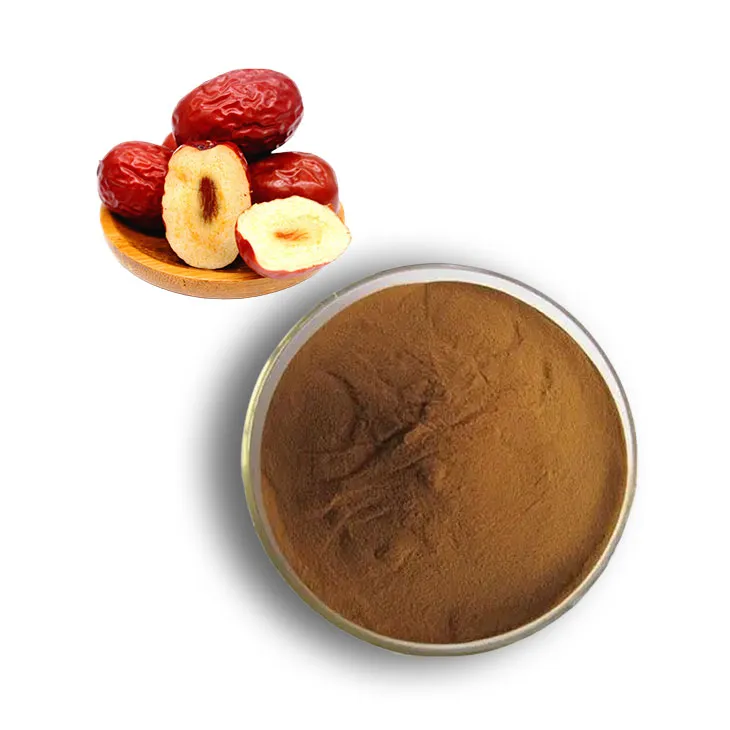
Red Date Extract
2026-10-03
-
Lotus leaf extract
2026-10-03
-
Medicinal Marshmallow Extract
2026-10-03
-
Carrageenan Extract Powder
2026-10-03
-
Rhodiola Rosea Extract
2026-10-03
-
Cat Claw Extract
2026-10-03
-
Uridine-5'-monophosphate Disodium salt
2026-10-03
-
Grape Seed Extract
2026-10-03
