- 0086-571-85302990
- [email protected]




Rhodiola Rosea Extract: The Complete Guide to Adaptogen Benefits, Stress Resilience & Premium Suppli
2026-09-02
Meta Description: Discover everything about Rhodiola Rosea Extract — the premier adaptogen herb for stress resilience, mental performance, and physical endurance. Learn about its active compounds (rosavins & salidroside), clinical evidence, and how to source premium-quality Rhodiola extract.
Keywords: rhodiola rosea extract, adaptogen herb, stress relief supplement, rosavins salidroside, mental performance, physical endurance, rhodiola extract supplier, Arctic root
Introduction
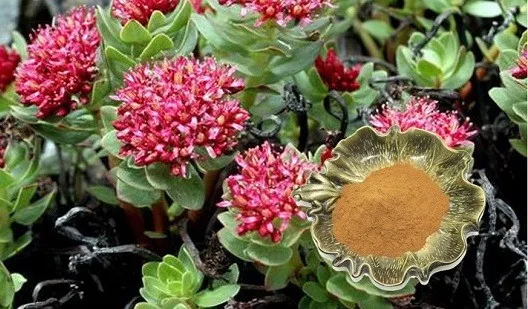
Growing in the harsh, high-altitude environments of the Arctic regions of Europe, Central Asia, and North America, Rhodiola rosea — often called "golden root" or "Arctic root" — has been used for centuries by Scandinavian Vikings and traditional Chinese and Tibetan medicine practitioners to enhance physical endurance, mental resilience, and survival under extreme stress. Modern science has confirmed what ancient healers knew: this remarkable adaptogen herb, standardized to its signature compounds rosavins and salidroside, delivers measurable benefits for stress management, cognitive function, and athletic performance. Today, Rhodiola rosea extract is one of the most sought-after adaptogen ingredients in the global nutraceutical market.
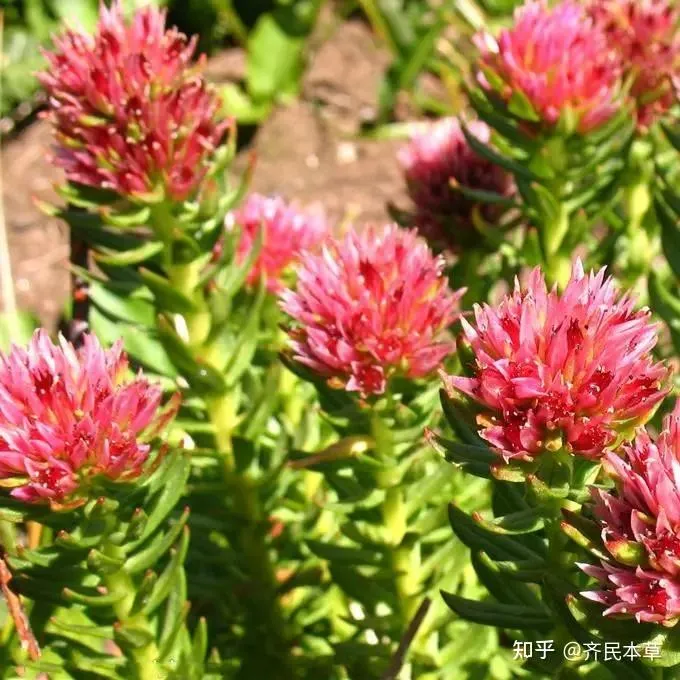
Part 1: What Is Rhodiola Rosea Extract?
Botanical Profile
Attribute Detail Latin Name Rhodiola rosea L. Family Crassulaceae (Stonecrop family) Plant Part Used Rhizome and roots (dried) Primary Origin Altai Mountains (Russia, Mongolia, China), Bulgaria, Scandinavia, Iceland, Tibet, Pamir Mountains Habitat Rocky alpine and arctic environments, 1,500–5,000m altitude Conservation Wild populations under pressure; cultivation programs expanding in China and Eastern Europe
The "Golden Root"
Rhodiola rosea earns its nickname from the golden-yellow rhizome that develops a rose-like aroma when freshly cut. The plant's remarkable ability to thrive in extreme environmental conditions — freezing temperatures, intense UV radiation, oxygen deprivation at high altitude, and poor soil — is attributed to its rich adaptive phytochemistry. These same compounds, when extracted and consumed as supplements, help the human body better withstand physiological and psychological stress.
Active Compounds
The therapeutic value of Rhodiola rosea extract derives from a complex array of bioactive phenolic compounds:
Compound Class Key Molecules Primary Role Rosavins (Phenylpropanoids) Rosavin, Rosin, Rosarin (unique to R. rosea) Stress adaptation, CNS modulation, antidepressant-like activity Salidroside (Phenylethanoid Glycoside) Salidroside (Rhodioloside), Tyrosol Antioxidant, neuroprotective, immunomodulatory, anti-fatigue Flavonoids Rhodionin, Rhodiolin, Tricin, Kaempferol Antioxidant, anti-inflammatory, vascular protection Phenolic Acids Chlorogenic acid, Hydroxycinnamic acids Complementary antioxidant activity Monoterpene Alcohols Rosiridin, Rosiridol Supporting adaptogenic activity
Rosavins: The Marker Compounds
Rosavins (rosavin, rosin, and rosarin) are phenylpropanoid glycosides found almost exclusively in Rhodiola rosea — making them the gold-standard markers for authenticating genuine R. rosea material versus other Rhodiola species (e.g., R. crenulata, R. sacra). The European Pharmacopoeia and many pharmacopeial monographs specify rosavins as the primary quality marker for R. rosea extracts.
Salidroside: The Multi-Target Molecule
Salidroside (also known as rhodioloside) is a phenylethanoid glycoside with a broader pharmacological profile than rosavins. It is found in multiple Rhodiola species (and even in other plants), making it less species-specific but equally therapeutically important:
Neuroprotection: Salidroside crosses the blood-brain barrier, reducing oxidative stress and neuroinflammation in neuronal tissue.
Anti-Fatigue: Enhances mitochondrial ATP production and reduces exercise-induced lactate accumulation.
Immunomodulation: Activates macrophages and modulates cytokine production (IL-2, IFN-γ).
Anti-Aging: Activates the AMPK/SIRT1 pathway, associated with longevity and metabolic health.
Standard Specifications
The following table outlines the typical specifications for our products available for B2B supply:
Parameter Specification Botanical Source Rhodiola rosea L. rhizome and root Extract Type Ethanol-Water Extract Appearance Brown to brownish-red fine powder Rosavins 1%, 2%, 3%, 5% (HPLC) — European Pharmacopoeia standard: ≥0.8% Salidroside 0.2%, 0.5%, 1%, 2%, 3% (HPLC) Ratio 3:1, 4:1, 5:1, 10:1 (customizable) Loss on Drying ≤ 5.0% Heavy Metals Pb ≤ 2.0 ppm, As ≤ 1.0 ppm, Cd ≤ 0.5 ppm, Hg ≤ 0.1 ppm Pesticide Residues Compliant with EU/USP standards Microbial Limits Total Plate Count ≤ 1,000 CFU/g; Yeast & Mold ≤ 100 CFU/g; E. coli & Salmonella: Negative Shelf Life 24 months (stored in sealed, cool, dry conditions)
Custom ratios and proprietary standardization profiles (e.g., fixed rosavin:salidroside ratios) are available upon request.
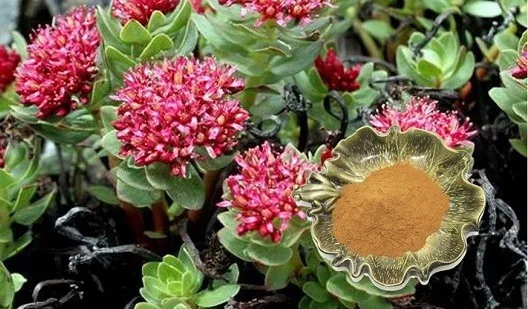
Part 2: Core Health Benefits & Mechanisms
Rhodiola rosea is classified as an adaptogen — a substance that enhances the body's non-specific resistance to stress and promotes homeostasis. Below, we examine the five most well-documented benefits and the scientific mechanisms behind each.
1. Stress Resilience & Anti-Fatigue
Rhodiola's primary and most validated benefit is its ability to enhance the body's resistance to both physical and mental stress.
Mechanism: As an adaptogen, Rhodiola rosea modulates the hypothalamic–pituitary–adrenal (HPA) axis and the stress-activated protein kinase (SAPK/JNK) pathway. Key actions include:
Cortisol Regulation: Salidroside modulates cortisol secretion, preventing the excessive cortisol elevation associated with chronic stress while maintaining adequate levels for acute stress response.
Neurotransmitter Balance: Rosavins and salidroside influence the levels and activity of serotonin, dopamine, norepinephrine, and β-endorphins in the brain, creating a state of calm alertness.
Nitric Oxide Modulation: Rhodiola enhances endothelial nitric oxide synthase (eNOS) activity, improving blood flow and oxygen delivery to tissues under stress.
Heat Shock Protein (HSP70) Upregulation: Rosavins induce HSP70 expression, a molecular chaperone that protects cells from stress-induced damage.
Clinical Evidence:
Darbinyan et al. (2000) — Phytomedicine: A double-blind, placebo-controlled study of 56 physicians working night shifts found that Rhodiola rosea extract (SHR-5, 500 mg/day) significantly reduced fatigue and improved mental performance (concentration, associative thinking, short-term memory) compared to placebo.
Spasov et al. (2000) — Phytomedicine: A randomized, double-blind, placebo-controlled trial of 60 students during examination periods found that Rhodiola rosea extract significantly improved mental performance and reduced fatigue. The anti-fatigue effect was measurable within 2 hours of a single dose.
Olsson et al. (2009) — Phytotherapy Research: A 4-week randomized, double-blind, placebo-controlled study (n=86) of patients with stress-related fatigue (adjustment disorder) found that Rhodiola rosea extract (576 mg/day) significantly improved symptoms of fatigue, emotional instability, and cognitive impairment.
2. Cognitive Function & Mental Performance
Rhodiola rosea has demonstrated measurable benefits for cognitive function, particularly under conditions of stress and fatigue.
Mechanism: Beyond HPA axis modulation, Rhodiola's cognitive effects involve:
Cholinergic System Enhancement: Salidroside inhibits acetylcholinesterase (AChE), increasing acetylcholine availability in synaptic clefts — a mechanism relevant to memory and learning.
Neuroprotection: Salidroside reduces oxidative stress and neuroinflammation in the hippocampus and prefrontal cortex, brain regions critical for memory and executive function.
Cerebral Blood Flow: Enhanced nitric oxide production improves cerebral perfusion, supporting cognitive function under stress.
Clinical Evidence:
Furman et al. (2022) — Phytotherapy Research: A randomized, double-blind, placebo-controlled crossover study (n=66) of healthy young adults found that acute Rhodiola rosea extract administration (500 mg) significantly improved performance on cognitively demanding tasks, with effects on sustained attention and mental fatigue most pronounced during prolonged testing.
Shevtsov et al. (2003) — Phytomedicine: Demonstrated that Rhodiola extract improved cognitive performance in fatigued subjects, with effects on working memory, processing speed, and error reduction compared to placebo.
3. Physical Endurance & Athletic Performance
Rhodiola rosea has gained popularity in the sports nutrition market as a natural performance enhancer.
Mechanism: Rhodiola improves physical performance through multiple pathways:
ATP Production Enhancement: Salidroside stimulates mitochondrial oxidative phosphorylation, increasing cellular energy production.
Lactate Metabolism: Reduces exercise-induced lactate accumulation and enhances lactate clearance, delaying the onset of fatigue.
Oxygen Utilization: Improves VO₂ max and oxygen delivery to working muscles through enhanced nitric oxide-mediated vasodilation.
Muscle Damage Protection: Antioxidant activity reduces exercise-induced oxidative damage to muscle tissue.
Clinical Evidence:
De Bock et al. (2004) — Phytomedicine: A double-blind, placebo-controlled crossover study of 24 well-trained cyclists found that acute Rhodiola rosea extract administration (200 mg, 1 hour before exercise) significantly increased time to exhaustion on a cycling endurance test by approximately 3%. While modest, this improvement is meaningful in competitive athletics.
Noreen et al. (2021) — Journal of the International Society of Sports Nutrition: A systematic review of 13 studies concluded that Rhodiola rosea supplementation produces small but measurable improvements in endurance performance, with the strongest evidence for acute (pre-exercise) dosing at 200–400 mg.
4. Mood Support & Mild Antidepressant Activity
Rhodiola rosea has been studied for its potential to support mood and reduce symptoms of mild-to-moderate depression.
Mechanism: Rhodiola's antidepressant-like effects involve:
Monoamine Modulation: Rosavins inhibit monoamine oxidase A and B (MAO-A/B), enzymes that degrade serotonin, dopamine, and norepinephrine, thereby increasing their availability in the brain.
β-Endorphin Release: Rhodiola stimulates the release of β-endorphins, endogenous opioids associated with feelings of well-being and euphoria.
HPA Axis Normalization: By reducing excessive cortisol production, Rhodiola addresses one of the key physiological drivers of depression and anxiety.
Clinical Evidence:
Mao et al. (2015) — Phytomedicine: A 6-week, randomized, double-blind, placebo-controlled trial (n=89) of adults with mild-to-moderate depression found that Rhodiola rosea extract (340–680 mg/day) significantly reduced depression scores on the Beck Depression Inventory and Hamilton Rating Scale for Depression. The extract was well-tolerated with minimal side effects, and the therapeutic effect was comparable to sertraline (a prescription SSRI) but with fewer adverse effects.
5. Immune System Support
Rhodiola rosea's immunomodulatory properties make it a valuable ingredient for immune health formulations.
Mechanism: Salidroside activates macrophages and natural killer (NK) cells, enhances antibody production, and modulates cytokine profiles (increasing IL-2 and IFN-γ, reducing TNF-α). It also enhances the body's resistance to viral and bacterial infections under stress conditions.
Clinical Evidence:
Shevtsov et al. (2003) — Demonstrated that Rhodiola extract enhanced immune cell function in fatigued individuals, with increased NK cell activity and improved cytokine profiles.
Panossian et al. (2021) — Pharmaceuticals: A comprehensive review of Rhodiola's immunomodulatory effects concluded that the extract enhances both innate and adaptive immune responses, particularly under conditions of stress-induced immunosuppression.
Part 3: Application Areas
Dietary Supplements
The supplement sector is the largest market for Rhodiola rosea extract:
Stress & Adaptogen Capsules: Standardized extracts (3% rosavins / 1% salidroside) positioned for daily stress management, often combined with Ashwagandha, Holy Basil, and Schisandra.
Cognitive & Nootropic Formulas: Rhodiola combined with L-theanine, Bacopa, and Ginkgo for brain health and mental performance products.
Sports Nutrition: Pre-workout and endurance supplements leveraging Rhodiola's physical performance benefits.
Mood Support Blends: Positioned alongside Saffron, St. John's Wort, and 5-HTP for emotional well-being products.
Functional Foods & Beverages
Energy & Focus Drinks: Water-soluble Rhodiola extract provides a natural, jitter-free energy boost for functional beverages.
Adaptogenic Beverages: Mushroom coffee blends, wellness shots, and herbal teas incorporating Rhodiola for stress-management positioning.
Sports Recovery Drinks: Post-exercise beverages combining Rhodiola with electrolytes and BCAAs for enhanced recovery.
Cosmetics & Personal Care
Anti-Aging Skincare: Salidroside's antioxidant and anti-glycation properties make Rhodiola extract suitable for premium anti-aging formulations.
Anti-Fatigue Eye Creams: Rhodiola's ability to reduce cellular stress and improve microcirculation positions it for eye care products targeting puffiness and dark circles.
Animal Nutrition
Performance Animal Supplements: Rhodiola used in equine and working dog supplements for endurance and stress resilience.
Poultry Production: Research explores Rhodiola's potential as a natural growth promoter and stress reducer in intensively farmed poultry.
Part 4: Key Factors in Choosing Premium Rhodiola Rosea Extract
1. Species Authentication
Not all "Rhodiola" is Rhodiola rosea. The genus contains over 70 species, but only R. rosea contains the characteristic rosavins. Other species (R. crenulata, R. sacra) contain salidroside but lack rosavins. Always verify:
HPLC fingerprint confirming rosavin, rosin, and rosarin peaks.
DNA barcoding for species authentication (increasingly important given wild-harvesting pressure and adulteration risks).
Botanical origin documentation from the supplier.
2. Rosavin & Salidroside Ratio
The natural ratio of rosavins to salidroside in R. rosea rhizomes varies by growing region and harvest conditions. A high-quality extract should reflect a balanced profile:
European Pharmacopoeia standard: ≥0.8% rosavins (expressed as rosavin).
Commercial standard: 3% rosavins / 1% salidroside (3:1 ratio) is the most widely used specification.
High-potency standard: 5% rosavins / 2% salidroside for premium formulations.
3. Raw Material Sustainability
Wild R. rosea populations face harvesting pressure, particularly in Russia and Scandinavia. Suppliers with:
Cultivated sources (Chinese cultivation in Xinjiang, Jilin, and Heilongjiang provinces is expanding).
Sustainable wild-harvesting certifications.
Traceability documentation (geographic origin, harvest date, processing chain).
4. Extraction Technology
Ethanol-Water Extraction: Standard method, effective for both rosavins and salidroside. Ethanol concentration (typically 40–70%) and extraction temperature influence the final phytochemical profile.
Supercritical CO₂ Extraction: Less common for Rhodiola (rosavins are moderately polar), but can produce clean, solvent-free extracts.
Membrane Separation: Advanced purification for standardized extracts with consistent active compound profiles.
5. Regulatory Compliance
A reliable Rhodiola rosea extract supplier must demonstrate:
EMA Traditional Herbal Medicinal Product registration (EU).
FDA GRAS status for food applications.
Health Canada Natural Product Number (NPN).
Heavy metal, pesticide, and microbial testing meeting destination market requirements.
Part 5: About Greensky Biochem
Hangzhou Greensky Biological Tech. Co., Ltd.
Established in 2004, Hangzhou Greensky Biological Tech. Co., Ltd. is a leading manufacturer of natural plant extracts based in Hangzhou, China. With over two decades of expertise in botanical extraction, Greensky has built a reputation for delivering premium-quality extracts to the global health, nutrition, food, and cosmetics industries.
What Sets Greensky Apart
Strength Detail Experience 20+ years in natural plant extract manufacturing Certifications ISO 22000, BRCGS, Ecocert, SGS-GMP certified facilities Product Range 200+ plant extract products with deep specialization Quality Control In-house HPLC/GC testing, batch-by-batch CoA, full traceability Global Reach Serving customers in 40+ countries across North America, Europe, Southeast Asia, and Australia R&D Capability Dedicated research team focused on extraction optimization and novel formulation development Custom Solutions Tailored specifications, proprietary blend development, and private label support
Rhodiola Rosea Extract at Greensky
Our Rhodiola Rosea Extract is produced from carefully selected Rhodiola rosea rhizomes sourced from certified cultivation bases in China's high-altitude growing regions (Xinjiang, Jilin) and sustainable wild-harvest operations. We offer a range of standardizations — from 1% to 5% rosavins with proportional salidroside content — verified by HPLC analysis. Each batch includes full traceability documentation and species authentication.
Whether you are formulating a stress relief supplement, developing a nootropic product, or seeking a reliable Rhodiola rosea extract supplier for long-term partnership, Greensky provides the quality, consistency, and technical support you need.
Frequently Asked Questions
Q: What is the standard dosage for Rhodiola rosea extract?
A: Clinical studies typically use 200–600 mg/day of standardized extract (3% rosavins / 1% salidroside). For acute performance enhancement (pre-exercise or pre-cognitive testing), a single dose of 200–400 mg taken 1–2 hours before the activity is effective. For daily stress management, 200–300 mg/day in divided doses is common.
Q: How quickly does Rhodiola rosea work?
A: Unlike many herbal supplements, Rhodiola rosea can produce measurable effects within 2–4 hours of a single dose (particularly for anti-fatigue and cognitive effects). However, optimal stress-adaptation benefits typically build over 2–4 weeks of consistent use.
Q: Is Rhodiola rosea safe for long-term use?
A: Clinical trials of up to 12 weeks have demonstrated excellent safety. Minor side effects (dry mouth, agitation) are rare and typically dose-related. Rhodiola is generally well-tolerated and has a low potential for drug interactions. However, individuals on SSRI antidepressants should consult their healthcare provider, as Rhodiola's MAO-inhibiting activity may potentiate serotonergic effects.
Q: What's the difference between Rhodiola rosea and Rhodiola crenulata?
A: R. rosea contains both rosavins and salidroside, while R. crenulata contains salidroside but not rosavins. R. rosea is the species specified in most pharmacopeial monographs and has the most extensive clinical evidence. R. crenulata is primarily used in traditional Tibetan medicine and is more common in the Chinese domestic market.
Q: Can Rhodiola rosea extract be used in beverages?
A: Yes. Our water-soluble Rhodiola extracts are suitable for beverage applications. The characteristic earthy, slightly astringent flavor may need masking in clear beverages but works well in botanical teas, energy shots, and functional drinks.
Ready to Source Premium Rhodiola Rosea Extract?
With over 20 years of experience in natural plant extract manufacturing, ISO 22000, BRCGS, Ecocert, and SGS-GMP certified facilities, and a global customer base spanning 40+ countries, Hangzhou Greensky Biological Tech. Co., Ltd. is your trusted partner for premium-quality Rhodiola rosea extract.
Whether you need standardized extracts for adaptogen supplements, water-soluble formats for functional beverages, or custom formulations for nootropic products, our team is ready to support your product development from concept to commercialization.
Contact Greensky Biochem today for:
Free samples and technical documentation
Custom specification quotations
Bulk pricing for large-volume orders
Private label and co-packing support
Premium quality, competitive pricing, reliable supply. Partner with Greensky, your leading plant extract manufacturer since 2004.
- ▶ Hesperidin
- ▶ Citrus Bioflavonoids
- ▶ Plant Extract
- ▶ lycopene
- ▶ Diosmin
- ▶ Grape seed extract
- ▶ Sea buckthorn Juice Powder
- ▶ Fruit Juice Powder
- ▶ Hops Extract
- ▶ Artichoke Extract
- ▶ Mushroom extract
- ▶ Astaxanthin
- ▶ Green Tea Extract
- ▶ Curcumin
- ▶ Horse Chestnut Extract
- ▶ Other Product
- ▶ Boswellia Serrata Extract
- ▶ Resveratrol
- ▶ Marigold Extract
- ▶ Grape Leaf Extract
- ▶ New Product
- ▶ Aminolevulinic acid
- ▶ Cranberry Extract
- ▶ Red Yeast Rice
- ▶ Red Wine Extract
- ▶ blog
-
Avocado Extract Powder
2026-09-02
-
Cassia Seed Extract
2026-09-02
-
Jujube Extract
2026-09-02
-
White Peony Extract
2026-09-02
-
Artichoke Extract
2026-09-02
-
Rhodiola Rosea Extract
2026-09-02
-
Almond Extract Powder
2026-09-02
-
Black Garlic Extract
2026-09-02
-
Lemon Juice Powder
2026-09-02
-
Licorice Root Extract Powder
2026-09-02