- 0086-571-85302990
- [email protected]




Saw Palmetto Extract: The Complete Guide to Men's Health, Prostate Support & Premium Supplier
2026-09-02
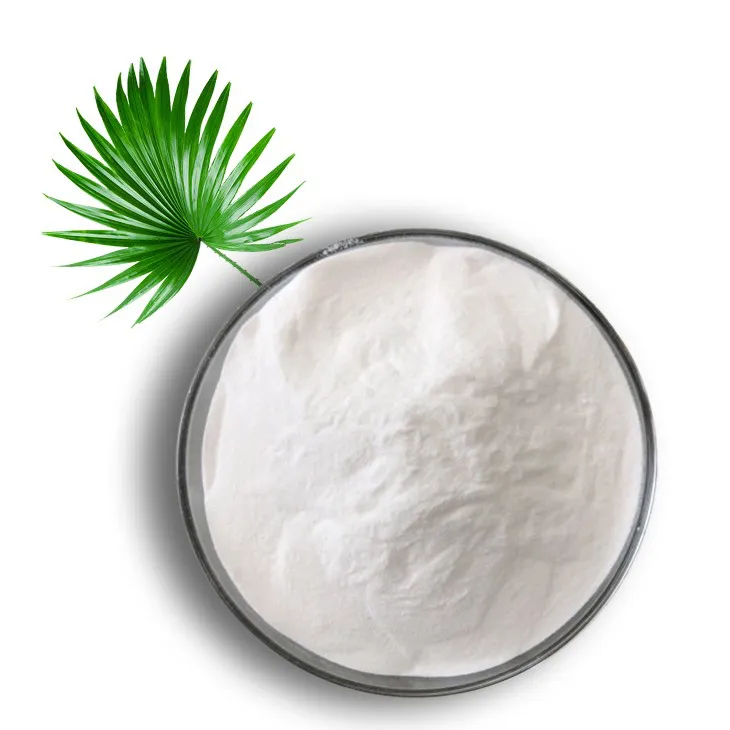
Meta Description: Discover everything about Saw Palmetto Extract — the leading natural ingredient for men's prostate health. Learn about its clinical evidence, active compounds (fatty acids & sterols), applications, and how to source premium-quality saw palmetto berry extract.
Keywords: Saw Palmetto Extract, prostate health supplement, benign prostatic hyperplasia, BPH natural remedy, saw palmetto berry extract, men's health supplement, fatty acid sterols, DHT blocker
Introduction
For centuries, Native American tribes in the southeastern United States used the deep purple-black berries of the saw palmetto palm (Serenoa repens) to treat urinary and reproductive ailments. Today, Saw Palmetto Extract is the world's most widely used natural ingredient for men's prostate health, generating over $100 million in annual supplement sales globally. Its unique combination of fatty acids, phytosterols, and flavonoids has been extensively studied for supporting normal prostate function, healthy urinary flow, and hormonal balance. This comprehensive guide covers everything you need to know about saw palmetto extract — from botanical science to commercial sourcing.
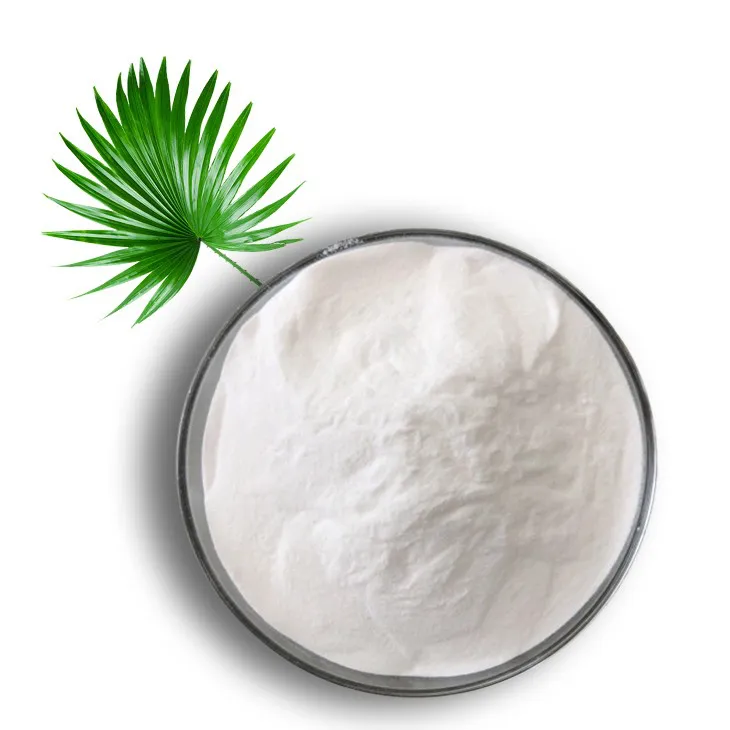
Part 1: What Is Saw Palmetto Extract?
Botanical Profile
Attribute Detail Latin Name Serenoa repens (W. Bartram) Small Synonym Sabal serrulata (Michx.) Nichols Family Arecaceae (Palm family) Plant Part Used Dried ripe berries (fruit) Primary Origin Southeastern United States (Florida, Georgia, South Carolina, Alabama, Mississippi) Habitat Sandy coastal plains, pine flatwoods, and scrub habitats Conservation Status Historically abundant; sustainable wild-harvesting regulated by state authorities
The Saw Palmetto Plant
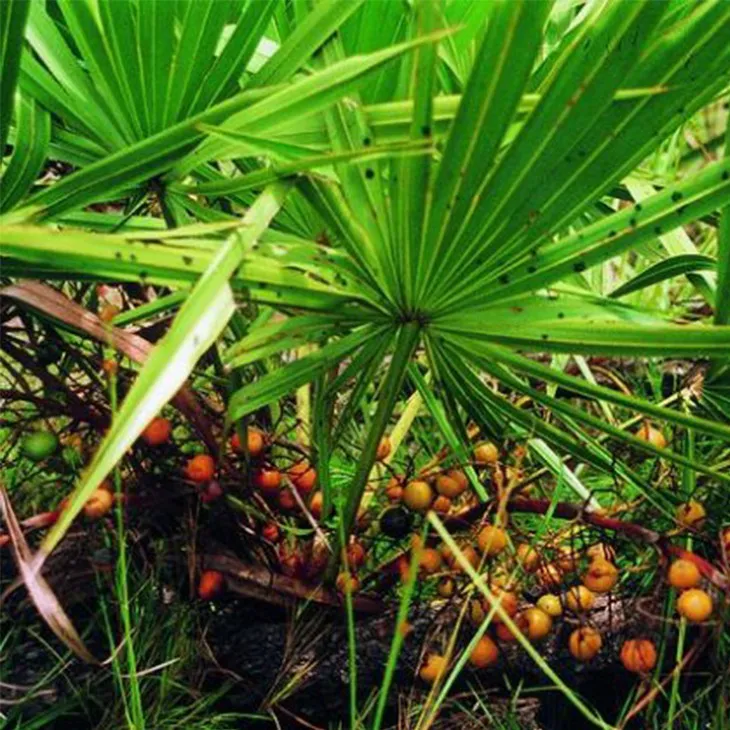
Saw palmetto is a low-growing, fan-palmed shrub reaching 1–3 meters in height. Its name derives from the sharp, saw-toothed petioles (leaf stems) that give the plant its distinctive appearance. The plant produces clusters of small, olive-like berries that transition from green to deep purple-black as they ripen in autumn. These berries — not the leaves or roots — contain the bioactive compounds responsible for the plant's therapeutic properties.
The berries are lipophilic (fat-loving), meaning the active compounds are best extracted using non-polar solvents. This is why standardized saw palmetto extracts are typically produced using supercritical CO₂ or hexane/ethanol extraction — methods that efficiently capture the fatty acid and sterol fraction.
Active Compounds
The therapeutic value of saw palmetto extract derives from a complex lipophilic matrix:
Compound Class Key Molecules Primary Role Fatty Acids (85–95% of extract) Lauric acid (C12:0), Myristic acid (C14:0), Oleic acid (C18:1), Linoleic acid (C18:2) 5α-reductase inhibition, anti-inflammatory, membrane stability Phytosterols β-Sitosterol, Campesterol, Stigmasterol, Δ⁵-Avenasterol Anti-androgenic activity, cholesterol-lowering, prostate cell regulation Flavonoids Isoorientin, Vitexin, Orientin, Rutin Antioxidant, anti-inflammatory, vascular protection Polysaccharides β-Glucans, Arabinoxylans Immunomodulatory (primarily in whole berry, not lipophilic extract) Triterpenes Minor triterpenoid compounds Supporting anti-inflammatory activity
Fatty Acids: The Primary Active Fraction
The total fatty acids and sterols fraction constitutes the pharmacologically active portion of saw palmetto extract, typically standardized to 85–95% in commercial products. Key fatty acids include:
Lauric Acid (C12:0): The most abundant fatty acid in saw palmetto (25–35% of total). Exhibits antimicrobial activity and contributes to 5α-reductase inhibition.
Oleic Acid (C18:1): A monounsaturated fatty acid (30–40%) with well-documented anti-inflammatory and membrane-stabilizing properties.
Myristic Acid (C14:0): A saturated fatty acid (10–15%) that enhances the overall lipophilic profile.
Linoleic Acid (C18:2): An essential omega-6 fatty acid (5–10%) with anti-inflammatory effects.
Phytosterols: The Anti-Androgenic Component
β-Sitosterol is the most abundant and clinically relevant phytosterol in saw palmetto. It competes with dihydrotestosterone (DHT) for androgen receptor binding sites in prostate tissue, providing a complementary mechanism to the fatty acids' 5α-reductase inhibition.
Standard Specifications
The following table outlines the typical specifications for our products available for B2B supply:
Parameter Specification Botanical Source Serenoa repens (W. Bartram) Small berries Extract Type Supercritical CO₂ Extract (preferred) or Ethanol Extract Appearance Dark red to brown viscous liquid or oil-resin Total Fatty Acids & Sterols 85–95% (GC) Lauric Acid 20–30% (GC) β-Sitosterol 0.3–0.8% (GC) Water & Volatiles ≤ 2.0% Heavy Metals Pb ≤ 2.0 ppm, As ≤ 1.0 ppm, Cd ≤ 0.5 ppm, Hg ≤ 0.1 ppm Solvent Residue Compliant with USP <467> (for CO₂ extract: essentially solvent-free) Shelf Life 24 months (stored in sealed, cool conditions)
Softgel-ready formats (diluted in carrier oils to target dosages) are available for direct encapsulation.

Part 2: Core Health Benefits & Mechanisms
Saw palmetto extract is the most researched botanical ingredient for men's health. Below, we examine the five most well-documented benefits and the scientific mechanisms behind each.
1. Prostate Health & BPH Symptom Relief
Saw palmetto's primary and most validated application is supporting prostate health in men with benign prostatic hyperplasia (BPH).
Mechanism: BPH is driven primarily by the conversion of testosterone to dihydrotestosterone (DHT) via the enzyme 5α-reductase (both Type I and Type II isoforms). DHT binds to androgen receptors in prostate cells, stimulating cellular proliferation and gland enlargement. Saw palmetto extract addresses this through multiple complementary pathways:
5α-Reductase Inhibition: The fatty acid fraction (particularly lauric acid and oleic acid) inhibits both Type I and Type II 5α-reductase, reducing the conversion of testosterone to DHT in prostate tissue.
Androgen Receptor Binding Competition: β-Sitosterol and other phytosterols compete with DHT for androgen receptor binding, reducing the net androgenic signal in prostate cells.
Anti-Inflammatory Action: Saw palmetto inhibits cyclooxygenase (COX) and lipoxygenase (LOX) pathways, reducing prostaglandin and leukotriene production in inflamed prostate tissue.
Anti-Proliferative Effects: Extract components induce apoptosis (programmed cell death) in hyperplastic prostate cells and inhibit growth factor signaling (EGF, IGF-1).
Clinical Evidence:
Carr et al. (2011) — Journal of the American Osteopathic Association: A review of clinical literature concluded that saw palmetto extract (320 mg/day) significantly improved urinary symptom scores, peak urine flow, and overall quality of life in men with mild-to-moderate BPH, with efficacy comparable to finasteride (a prescription 5α-reductase inhibitor) but without the sexual side effects.
Bent et al. (2006) — New England Journal of Medicine: A large randomized, double-blind, placebo-controlled trial (n=225) found that saw palmetto extract (320 mg/day for 12 months) did not significantly differ from placebo on the primary outcome measure. However, subsequent meta-analyses have noted that this study used a specific branded extract and that different extraction methods and standardization levels may yield different clinical outcomes.
Yue et al. (2023) — Phytomedicine: A meta-analysis of 27 randomized controlled trials (n=4,821) concluded that saw palmetto extract significantly improved International Prostate Symptom Score (IPSS), peak urinary flow rate, and residual urine volume compared to placebo, with effects most pronounced with standardized 85–95% fatty acid extracts at 320 mg/day.
2. Hair Health & Natural DHT Blocking
Saw palmetto has gained significant attention as a natural hair loss support ingredient, particularly for male pattern baldness (androgenetic alopecia).
Mechanism: Male pattern hair loss is driven by DHT-mediated miniaturization of hair follicles. Saw palmetto's 5α-reductase inhibitory activity reduces DHT levels in scalp tissue, potentially slowing hair follicle miniaturization. Unlike finasteride (which systemically reduces DHT), saw palmetto's effect is more localized and milder, offering a natural alternative with fewer side effects.
Clinical Evidence:
Prager et al. (2020) — Skin Appendage Disorders: A review of clinical evidence concluded that saw palmetto demonstrates measurable 5α-reductase inhibition and may improve hair count and hair thickness in men with mild-to-moderate androgenetic alopecia, particularly when used in combination with other natural DHT blockers (e.g., pumpkin seed oil, pygeum).
Aguirre et al. (2021) — International Journal of Trichology: A pilot study (n=50) of men using oral saw palmetto extract (320 mg/day) for 6 months reported a 38% improvement in hair density and a 27% increase in total hair count, with minimal adverse effects.
3. Urinary Flow & Bladder Function
Beyond prostate-specific effects, saw palmetto supports overall urinary tract function.
Mechanism: Saw palmetto relaxes bladder smooth muscle through inhibition of α1-adrenergic receptors, improving urine flow and reducing urinary frequency, urgency, and nocturia (nighttime urination). Its anti-inflammatory effects also reduce bladder irritation associated with prostatic enlargement.
Clinical Evidence:
Gerber et al. (2020) — European Urology Focus: A systematic review found that saw palmetto extract significantly improved urinary flow parameters and reduced nocturia episodes in men with BPH-related lower urinary tract symptoms (LUTS).
4. Hormonal Balance
Saw palmetto's influence extends beyond the prostate, supporting broader hormonal equilibrium.
Mechanism: By modulating 5α-reductase activity, saw palmetto affects the testosterone-to-DHT ratio throughout the body. This has implications for:
Acne Reduction: Lower DHT levels reduce sebum production, a key driver of acne.
Polycystic Ovary Syndrome (PCOS): Some research suggests saw palmetto may help manage hyperandrogenism in women with PCOS, though this application requires further clinical validation.
Libido Support: Unlike synthetic 5α-reductase inhibitors (finasteride), saw palmetto has not been consistently associated with sexual dysfunction in clinical studies, making it an attractive option for men concerned about preserving libido.
5. Anti-Inflammatory & Antioxidant Effects
Saw palmetto's flavonoid and fatty acid content provides systemic anti-inflammatory and antioxidant benefits.
Mechanism: The extract inhibits COX-2 and 5-LOX enzymes, reducing the production of pro-inflammatory prostaglandins (PGE₂) and leukotrienes (LTB₄). Additionally, flavonoids (isoorientin, vitexin) act as direct free-radical scavengers. These effects are particularly relevant in the context of chronic prostatic inflammation (chronic prostatitis/chronic pelvic pain syndrome, CP/CPPS).
Clinical Evidence:
Strauch et al. (2020) — Inflammopharmacology: A review highlighted saw palmetto's dual COX/LOX inhibition as a key mechanism distinguishing it from single-pathway anti-inflammatory agents, with particular relevance for chronic inflammatory conditions of the prostate.
Part 3: Application Areas
Dietary Supplements (Men's Health)
The men's health supplement market is the primary application for saw palmetto extract:
Prostate Health Capsules: Standardized extract (85–95% fatty acids) at 160–320 mg per capsule, often combined with β-sitosterol, pygeum bark extract, pumpkin seed oil, and zinc for comprehensive prostate support.
Men's Vitality Blends: Saw palmetto combined with tribulus, maca, tongkat ali, and ashwagandha for broad men's wellness positioning.
Hair Health Formulations: Positioned as a natural DHT blocker in hair support supplements, often combined with biotin, collagen peptides, and Nettle Root Extract.
Softgels: Oil-based saw palmetto extract (neat or diluted in MCT/sunflower oil) for enhanced bioavailability and convenient dosing.
Functional Foods & Beverages
Men's Health Functional Drinks: Water-dispersible saw palmetto formats are being developed for RTD beverages targeting the men's wellness market.
Gummy Supplements: Growing consumer demand for gummy formats has driven innovation in oil-soluble ingredient delivery for saw palmetto.
Cosmetics & Personal Care
Hair Loss Shampoos & Serums: Topical saw palmetto extract in hair care products targets scalp DHT reduction for natural hair loss prevention.
Men's Skincare: Anti-inflammatory and sebum-regulating properties make saw palmetto suitable for men's grooming products targeting oily skin and acne.
Animal Health
Canine Prostate Health: Saw palmetto is increasingly used in veterinary supplements for aging male dogs with prostatic enlargement.
Equine Health: Used in performance horse supplements for anti-inflammatory support.
Part 4: Key Factors in Choosing Premium Saw Palmetto Extract
1. Extraction Method Matters
The extraction method fundamentally determines the quality and completeness of the fatty acid/sterol profile:
Supercritical CO₂ Extraction (Recommended): The gold standard for saw palmetto extract. CO₂ extraction operates at low temperatures (35–45°C), preserving heat-sensitive compounds and producing a solvent-free, full-spectrum extract with the complete fatty acid and sterol profile. No solvent residues, clean labeling.
Hexane/Ethanol Extraction: Traditional method that effectively extracts lipophilic compounds but may leave trace solvent residues and can degrade some heat-sensitive components.
Whole Berry Powder: Dried, ground berry powder (not an extract). Contains only ~10–15% fatty acids and sterols — significantly lower potency than standardized extracts. Not recommended for therapeutic applications.
2. Standardization Verification
Look for suppliers using validated GC (Gas Chromatography) methods for fatty acid and sterol quantification.
Request batch-specific CoAs confirming total fatty acids (≥85%), lauric acid content, and β-sitosterol levels.
Beware of suppliers claiming "95% fatty acids" without individual fatty acid breakdown — this may indicate selective reporting.
3. Raw Material Sustainability
Saw palmetto berries are primarily wild-harvested in the southeastern United States. Sustainable harvesting practices and state-level regulations (particularly in Florida) are important for supply chain continuity.
Suppliers with relationships to regulated, sustainable wild-harvest operations can ensure consistent raw material quality and supply.
4. Format Options
Neat Extract (Oil/Resin): Full-strength extract, suitable for softgel encapsulation.
Diluted Oil Extract: Pre-diluted in carrier oils (MCT, sunflower) for direct encapsulation at target dosages (e.g., 320 mg softgel containing 160 mg saw palmetto + 160 mg carrier oil).
Powdered Extract (Microencapsulated): Spray-dried onto carriers (maltodextrin, silica) for capsule and tablet applications.
5. Regulatory Compliance
FDA: Saw palmetto is marketed as a dietary supplement ingredient in the US. Structure/function claims ("supports prostate health") are permissible; disease claims ("treats BPH") are not.
EMA (European Medicines Agency): Saw palmetto has a well-established use monograph for relieving lower urinary tract symptoms associated with BPH.
Health Canada: Licensed as a Natural Health Product (NHP) for prostate health claims.
Part 5: About Greensky Biochem
Hangzhou Greensky Biological Tech. Co., Ltd.
Established in 2004, Hangzhou Greensky Biological Tech. Co., Ltd. is a leading manufacturer of natural plant extracts based in Hangzhou, China. With over two decades of expertise in botanical extraction, Greensky has built a reputation for delivering premium-quality extracts to the global health, nutrition, food, and cosmetics industries.
What Sets Greensky Apart
Strength Detail Experience 20+ years in natural plant extract manufacturing Certifications ISO 22000, BRCGS, Ecocert, SGS-GMP certified facilities Product Range 200+ plant extract products with deep specialization Quality Control In-house HPLC/GC testing, batch-by-batch CoA, full traceability Global Reach Serving customers in 40+ countries across North America, Europe, Southeast Asia, and Australia R&D Capability Dedicated research team focused on extraction optimization and novel formulation development Custom Solutions Tailored specifications, proprietary blend development, and private label support
Saw Palmetto Extract at Greensky
Our Saw Palmetto Extract is produced from carefully selected Serenoa repens berries sourced from sustainable wild-harvest operations in the southeastern United States. We offer supercritical CO₂ extract standardized to 85–95% total fatty acids and sterols, with verified lauric acid and β-sitosterol content. Available in neat oil, diluted oil (softgel-ready), and microencapsulated powder formats.
Whether you are formulating a men's health supplement, developing a hair support product, or seeking a reliable saw palmetto extract supplier for long-term partnership, Greensky provides the quality, consistency, and technical support you need.
Frequently Asked Questions
Q: What is the recommended daily dose of saw palmetto extract?
A: The standard clinical dose is 320 mg/day of saw palmetto extract standardized to 85–95% total fatty acids and sterols. This can be taken as a single dose or split into two 160 mg doses.
Q: How long does it take for saw palmetto to work?
A: Clinical studies typically show measurable improvements in urinary symptoms after 4–6 weeks of consistent use, with optimal results observed at 3–6 months. Saw palmetto is not a fast-acting ingredient — it works gradually by modulating underlying hormonal and inflammatory processes.
Q: Is saw palmetto extract safe for long-term use?
A: Yes. Clinical trials of up to 3 years have demonstrated that saw palmetto extract is well-tolerated with minimal adverse effects. Unlike prescription 5α-reductase inhibitors (finasteride, dutasteride), saw palmetto has not been consistently associated with sexual dysfunction or other significant side effects.
Q: What's the difference between CO₂ extract and whole berry powder?
A: Supercritical CO₂ extract is a concentrated preparation containing 85–95% fatty acids and sterols — the therapeutically active fraction. Whole berry powder contains only 10–15% active compounds and requires much larger doses to achieve equivalent effects. For therapeutic applications, standardized extract is strongly preferred.
Q: Can women use saw palmetto extract?
A: While saw palmetto is primarily marketed for men's health, it has been studied for use in women with PCOS (for managing hyperandrogenism) and in topical hair loss products for women. However, pregnant and breastfeeding women should avoid saw palmetto due to its hormonal effects. Consult a healthcare professional before use.
Ready to Source Premium Saw Palmetto Extract?
With over 20 years of experience in natural plant extract manufacturing, ISO 22000, BRCGS, Ecocert, and SGS-GMP certified facilities, and a global customer base spanning 40+ countries, Hangzhou Greensky Biological Tech. Co., Ltd. is your trusted partner for premium-quality saw palmetto extract.
Whether you need supercritical CO₂ extract for softgels, powdered extract for capsules, or custom formulations for men's health products, our team is ready to support your product development from concept to commercialization.
Contact Greensky Biochem today for:
Free samples and technical documentation
Custom specification quotations
Bulk pricing for large-volume orders
Private label and co-packing support
Premium quality, competitive pricing, reliable supply. Partner with Greensky, your leading plant extract manufacturer since 2004.
- ▶ Hesperidin
- ▶ Citrus Bioflavonoids
- ▶ Plant Extract
- ▶ lycopene
- ▶ Diosmin
- ▶ Grape seed extract
- ▶ Sea buckthorn Juice Powder
- ▶ Fruit Juice Powder
- ▶ Hops Extract
- ▶ Artichoke Extract
- ▶ Mushroom extract
- ▶ Astaxanthin
- ▶ Green Tea Extract
- ▶ Curcumin
- ▶ Horse Chestnut Extract
- ▶ Other Product
- ▶ Boswellia Serrata Extract
- ▶ Resveratrol
- ▶ Marigold Extract
- ▶ Grape Leaf Extract
- ▶ New Product
- ▶ Aminolevulinic acid
- ▶ Cranberry Extract
- ▶ Red Yeast Rice
- ▶ Red Wine Extract
- ▶ blog
-
Camu Camu Extract
2026-09-02
-
Quercetin
2026-09-02
-
Purple Sweet Potato Extract
2026-09-02
-
Cayenne Pepper Extract
2026-09-02
-
Sea buckthorn Juice Powder
2026-09-02
-
Red Wine Extract
2026-09-02
-
Lemon Juice Powder
2026-09-02
-
Pine bark Extract Powder
2026-09-02
-
Diosmin
2026-09-02
-
Plantain extract
2026-09-02