- 0086-571-85302990
- [email protected]




Green Tea Extract (EGCG): Complete Guide to Metabolic Health, Antioxidant Science & B2B Sourcing (20
2026-11-14
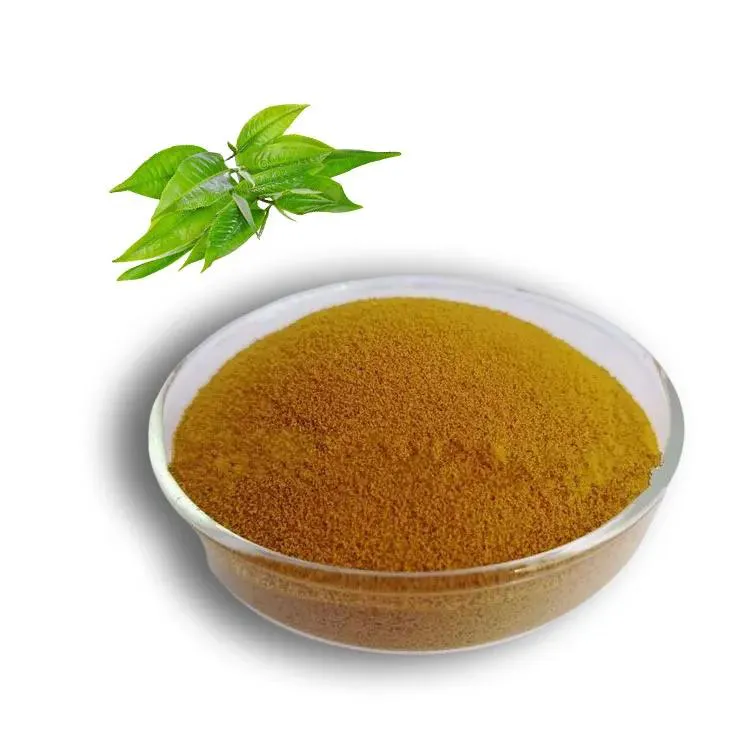
Table of Contents
What Is Green Tea Extract and Why Is EGCG the Gold Standard Catechin?
Catechin Profile: EGCG, ECG, EGC, and EC — Understanding the Green Tea Spectrum
Clinical Evidence for Metabolic Health, Weight Management, and Cognitive Support
EGCG Safety and Liver Health: What the Research Really Shows
Quality Markers: How to Identify Premium Decaffeinated Green Tea Extract
Green Tea Extract Applications in Supplements, Beverages, and Cosmetics
How Greensky Produces Standardized Green Tea Extract
B2B Sourcing Guide: Selecting the Right Green Tea Extract Supplier
Frequently Asked Questions
What Is Green Tea Extract and Why Is EGCG the Gold Standard Catechin?
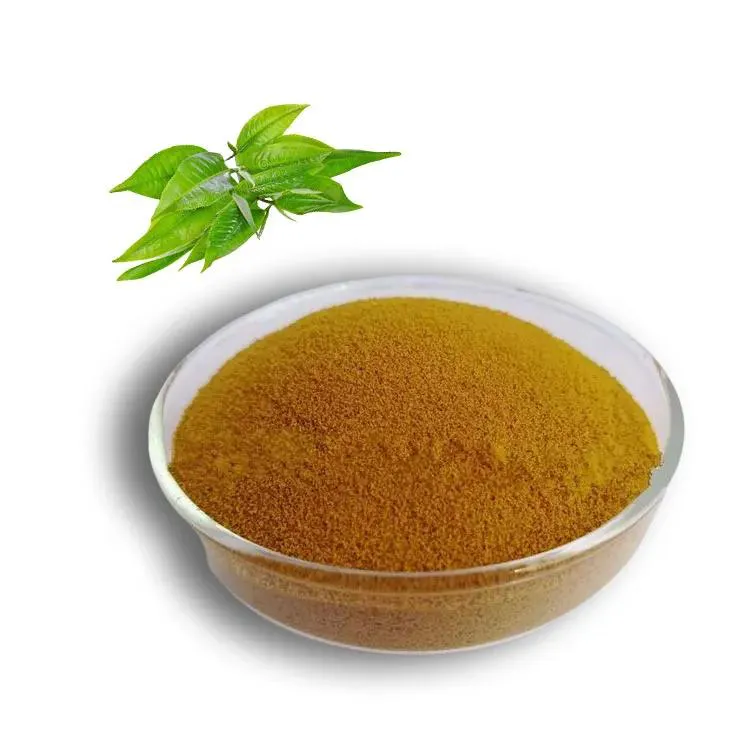
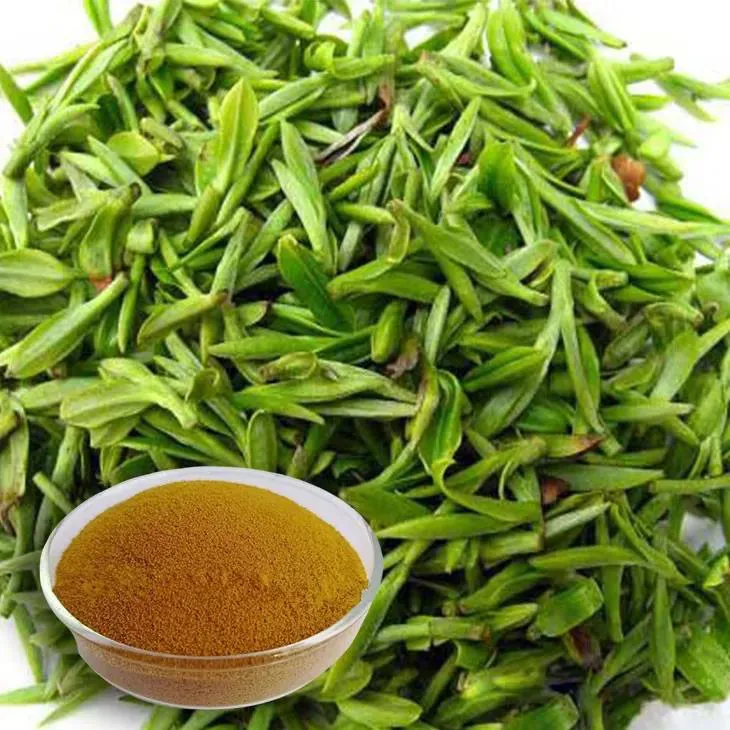
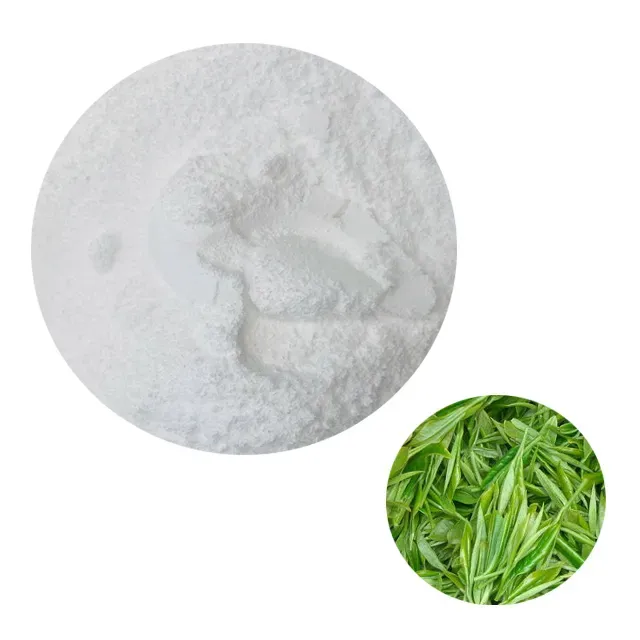
Green tea extract is a concentrated preparation derived from the leaves of Camellia sinensis, the same plant used to produce green tea. Unlike brewed tea, green tea extract delivers a standardized, concentrated dose of the bioactive compounds found in tea — primarily catechins, with epigallocatechin gallate (EGCG) being the most abundant and biologically active.
Green tea extract has been consumed for millennia in traditional Asian medicine and is now one of the best-selling botanical extracts in the global dietary supplement market. The European Food Safety Authority (EFSA) has approved health claims for green tea catechins related to the maintenance of normal blood LDL cholesterol levels, further validating the scientific foundation of this ingredient.
Hangzhou Greensky Biological Tech. Co., Ltd. — a natural plant extract manufacturer established in 2004, with nearly $30 million USD in annual exports to Europe, the United States, South Korea, and Russia — produces standardized green tea extract (EGCG) for the global supplement and food industry.
Catechin Profile: EGCG, ECG, EGC, and EC — Understanding the Green Tea Spectrum
Green tea contains four major catechins, collectively known as green tea polyphenols (GTPP):
Epigallocatechin Gallate (EGCG)
EGCG is the most abundant and extensively studied catechin in green tea, typically comprising 50–60% of total catechins. It is responsible for the majority of green tea extract's biological activity:
Antioxidant potency — EGCG's ORAC value exceeds that of vitamins C and E
Metabolic activation — EGCG activates AMPK, a key regulator of cellular energy metabolism
Gene expression modulation — EGCG influences the expression of genes involved in lipid metabolism, inflammation, and cell cycle regulation
Epicatechin Gallate (ECG)
ECG is the second most abundant gallated catechin, contributing to green tea extract's overall antioxidant and metabolic activity.
Epigallocatechin (EGC)
A non-gallated catechin with significant antioxidant activity. EGC is more stable than EGCG and may contribute to the sustained bioactivity of full-spectrum green tea extracts.
Epicatechin (EC)
The simplest of the four major catechins, found in green tea, dark chocolate, and various fruits. EC supports endothelial function and cardiovascular health.
Standardization Levels
Specification Total Catechins EGCG Content Application 50% Polyphenols / 25% EGCG ~50% ~25% Standard supplements 80% Polyphenols / 50% EGCG ~80% ~50% Premium supplements 90%+ Polyphenols / 60–70% EGCG ~90%+ 60–70% Clinical-grade formulations Decaffeinated 98% EGCG ~98% catechins ~98% Pharmaceutical applications
Clinical Evidence for Metabolic Health, Weight Management, and Cognitive Support
Metabolic Health and Weight Management
Green tea extract's effects on metabolism are among its most well-researched applications:
Thermogenesis and Fat Oxidation — A seminal study by Dulloo et al. (1999) demonstrated that green tea extract increased 24-hour energy expenditure by 4% and fat oxidation by 17% in healthy men, beyond the effects of caffeine alone. This effect is attributed to the synergistic action of EGCG and caffeine.
A 2021 Meta-Analysis of 32 randomized controlled trials found that green tea catechin supplementation significantly reduced body weight, BMI, and waist circumference, with the most pronounced effects in Asian populations and at doses of ≥500 mg EGCG/day.
Blood Lipid Management — EFSA has approved a health claim stating that green tea catechins help maintain normal blood LDL cholesterol levels. Multiple meta-analyses have confirmed modest but statistically significant reductions in LDL cholesterol with green tea extract supplementation.
Cognitive Function and Neuroprotection
EGCG and Brain Health — EGCG crosses the blood-brain barrier and has demonstrated neuroprotective effects in preclinical models of Alzheimer's and Parkinson's diseases.
Attention and Working Memory — Clinical studies suggest that the combination of EGCG and L-theanine (naturally present in green tea) improves attention, working memory, and cognitive flexibility.
The "Green Tea Effect" — Regular green tea consumption has been associated with reduced risk of cognitive decline in longitudinal population studies.
Blood Glucose Regulation
A 2013 Meta-Analysis found that green tea extract supplementation significantly reduced fasting blood glucose and HbA1c levels in subjects with metabolic syndrome and type 2 diabetes.
Mechanism — EGCG inhibits carbohydrate-digesting enzymes (α-amylase and α-glucosidase) in the digestive tract, slowing glucose absorption.
EGCG Safety and Liver Health: What the Research Really Shows
In 2018, EFSA published a safety assessment of green tea catechins, raising concerns about potential hepatotoxicity at high supplemental doses. Here's what the evidence shows:
The Safety Profile
Brewed Green Tea — EFSA concluded that drinking green tea (providing up to 800 mg EGCG/day from beverages) is safe.
Supplemental EGCG — EFSA identified potential safety concerns at supplemental doses ≥ 800 mg EGCG/day taken on an empty stomach.
Below 800 mg/day — No safety concerns have been identified at doses below 800 mg EGCG/day when taken with food.
Best Practices for Safe Use
Take with meals — Taking green tea extract supplements with food significantly reduces the risk of hepatic effects.
Dose appropriately — Most effective clinical doses range from 250–500 mg EGCG/day, well below the 800 mg threshold.
Use decaffeinated extracts — Decaffeinated green tea extract reduces the total catechin load while maintaining the EGCG-to-other-catechins ratio.
Choose quality suppliers — Ensure the extract is free from contaminants and accurately standardized.
At Greensky, we provide comprehensive safety data sheets and dosing guidance with all green tea extract shipments.
Quality Markers: How to Identify Premium Decaffeinated Green Tea Extract
When sourcing green tea extract, evaluate these critical parameters:
Catechin Profile — Request full catechin profiling by HPLC (EGCG, ECG, EGC, EC individually quantified). Total catechins and EGCG should be verified independently.
Caffeine Content — For decaffeinated extracts, verify caffeine content is < 0.1% (some applications require < 0.05%).
Heavy Metals — Lead < 1.0 ppm, Arsenic < 0.5 ppm, Cadmium < 0.5 ppm, Mercury < 0.1 ppm.
Pesticide Residues — Green tea is susceptible to pesticide contamination. Ensure compliance with EU MRL standards (among the strictest globally).
Solvent Residues — Ethyl acetate is commonly used for decaffeination. Verify compliance with ICH Q3C limits.
EGCG Stability — EGCG is sensitive to heat, light, and moisture. Request stability data and ensure proper packaging (aluminum foil bags with desiccant).
Microbiological Standards — Total plate count < 1,000 CFU/g, absence of pathogens.
Green Tea Extract Applications in Supplements, Beverages, and Cosmetics
Dietary Supplements
Green tea extract is a leading ingredient in weight management, metabolic health, and antioxidant supplement categories. Formats include capsules, tablets, softgels, and energy supplement blends.
Functional Beverages
Decaffeinated green tea extract is used in clear beverage formulations, energy drinks, and functional waters. The natural antioxidant properties also serve as a clean-label preservative.
Cosmetics and Personal Care
EGCG's antioxidant and anti-inflammatory properties make it valuable in:
Anti-aging skincare (protection against UV-induced damage)
Acne treatment formulations (sebum regulation and anti-inflammatory)
Hair care products (antioxidant protection for hair and scalp)
Food Industry
Green tea extract is used as a natural antioxidant in food preservation, replacing synthetic antioxidants (BHA/BHT) in clean-label formulations.
How Greensky Produces Standardized Green Tea Extract
Jiangxi Greensky Food Co., Ltd. produces green tea extract using a controlled, multi-stage process:
Carefully sourced Camellia sinensis leaves — Sourced from verified tea-growing regions with strict agricultural practice standards
Water-based extraction — Initial extraction using hot water to preserve the natural catechin profile
Ethyl acetate decaffeination — Selective removal of caffeine while retaining catechins
Column chromatography — Precise standardization to target EGCG and total catechin specifications
Spray drying — Produces free-flowing powder with optimal physical properties
100,000-class clean area — Food-grade production environment
Full analytical testing — HPLC catechin profiling, caffeine quantification, heavy metals, pesticides, microbiology
Certifications: ISO 22000, BRCGS, Ecocert Organic Standard, SGS-GMP, HALAL, Kosher.
B2B Sourcing Guide: Selecting the Right Green Tea Extract Supplier
Key procurement considerations:
Catechin Verification — Request third-party HPLC analysis of the full catechin profile. Beware of suppliers who only report "total polyphenols" by UV — this can be inaccurate and doesn't confirm EGCG content.
Caffeine Control — For decaffeinated extracts, verify the decaffeination method and resulting caffeine content. Ethyl acetate extraction is the industry standard.
Pesticide Testing — Green tea is one of the crops most prone to pesticide residues. Ensure your supplier conducts comprehensive pesticide panel testing.
Stability and Packaging — EGCG degrades under heat, light, and humidity. Ensure the supplier uses appropriate packaging (aluminum foil with desiccant) and provides stability data.
Regulatory Support — Your supplier should provide documentation for EFSA, FDA GRAS, and target market regulatory requirements.
Supply Reliability — Greensky's established export operations serve Europe, the US, South Korea, and Russia, ensuring dependable supply for long-term partnerships.
Frequently Asked Questions
Q1: What is the optimal daily dose of EGCG?A: Most clinical studies use 250–500 mg EGCG/day. EFSA considers supplemental doses below 800 mg/day safe when taken with food. For weight management support, 300–500 mg EGCG/day is commonly used.
Q2: Should I take green tea extract with or without caffeine?A: Decaffeinated green tea extract is preferred for most supplement applications, as it allows precise dosing of catechins without caffeine-related side effects. However, some weight management formulations intentionally include caffeine for its thermogenic synergy with EGCG.
Q3: Can green tea extract be combined with other ingredients?A: Yes. Common combinations include green tea extract + L-theanine (cognitive support), green tea extract + Garcinia cambogia (weight management), and green tea extract + resveratrol (antioxidant synergy).
Q4: What is the shelf life of green tea extract?A: When stored properly (cool, dry, protected from light), green tea extract powder typically maintains specification for 24 months. Accelerated stability data is available upon request.
Q5: Does Greensky supply custom EGCG specifications?A: Yes. We can produce green tea extract to custom catechin profiles, EGCG concentrations, and caffeine levels. Please contact our technical team to discuss your specific requirements.
- ▶ Hesperidin
- ▶ Citrus Bioflavonoids
- ▶ Plant Extract
- ▶ lycopene
- ▶ Diosmin
- ▶ Grape seed extract
- ▶ Sea buckthorn Juice Powder
- ▶ Fruit Juice Powder
- ▶ Hops Extract
- ▶ Artichoke Extract
- ▶ Mushroom extract
- ▶ Astaxanthin
- ▶ Green Tea Extract
- ▶ Curcumin
- ▶ Horse Chestnut Extract
- ▶ Other Product
- ▶ Boswellia Serrata Extract
- ▶ Resveratrol
- ▶ Marigold Extract
- ▶ Grape Leaf Extract
- ▶ New Product
- ▶ Aminolevulinic acid
- ▶ Cranberry Extract
- ▶ Red Yeast Rice
- ▶ Red Wine Extract
- ▶ blog
-
Konjac Powder
2026-11-14
-
Elderberry Extract
2026-11-14
-
White Peony Extract
2026-11-14
-
Centella Asiatica Extract
2026-11-14
-
Almond Extract Powder
2026-11-14
-
Medicinal Marshmallow Extract
2026-11-14
-
Ginger Extract
2026-11-14
-
Beetroot Powder
2026-11-14
-
Liposomal Berberine HCl
2026-11-14
-
Chia Seed Powder
2026-11-14