- 0086-571-85302990
- [email protected]




Green Tea Extract EGCG: Complete Guide to Antioxidant Power, Weight Management & B2B Sourcing (2026)
2026-11-08
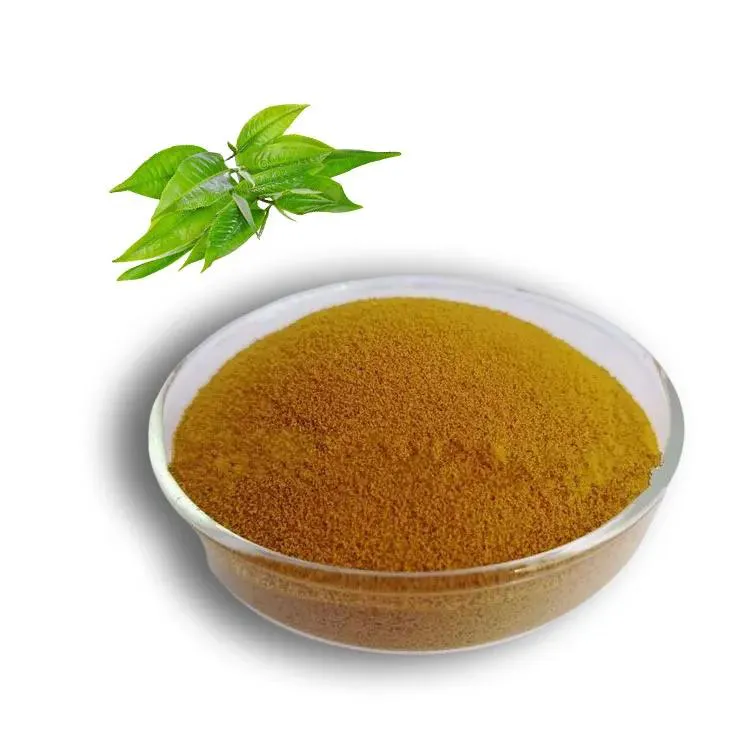
Table of Contents
What Is Green Tea Extract and Why Is EGCG the Most Important Catechin?
The Four Catechins of Green Tea: EGCG, EGC, ECG, and EC
Antioxidant Mechanisms: How EGCG Neutralizes Free Radicals at the Molecular Level
Clinical Evidence: Weight Management, Metabolic Health and Cognitive Benefits
Hepatotoxicity Safety Review: What the Science Really Says About Green Tea Extract Safety
How to Source Premium Green Tea Extract: Quality Parameters for B2B Buyers
GreenSky: Reliable Green Tea Extract Manufacturing Since 2004
What Is Green Tea Extract and Why Is EGCG the Most Important Catechin?
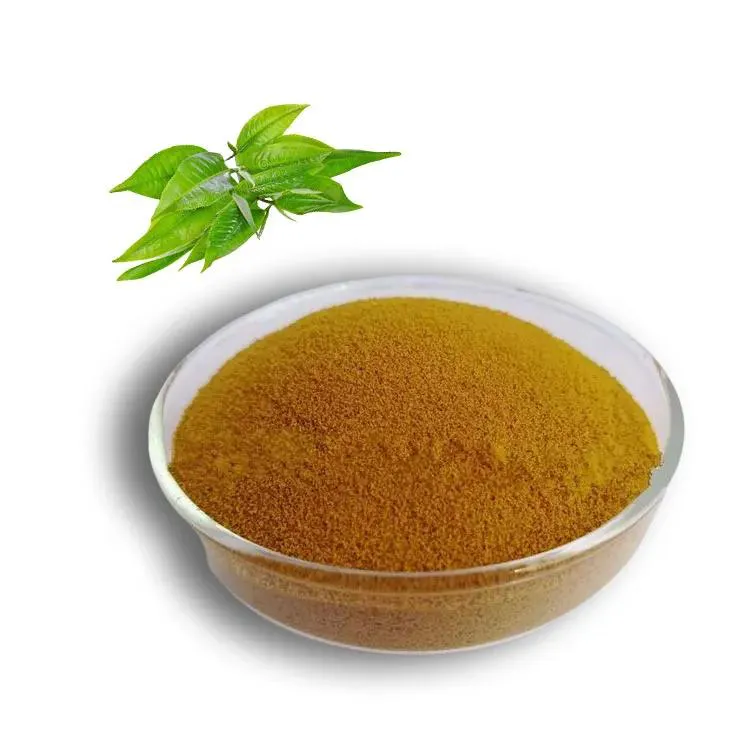
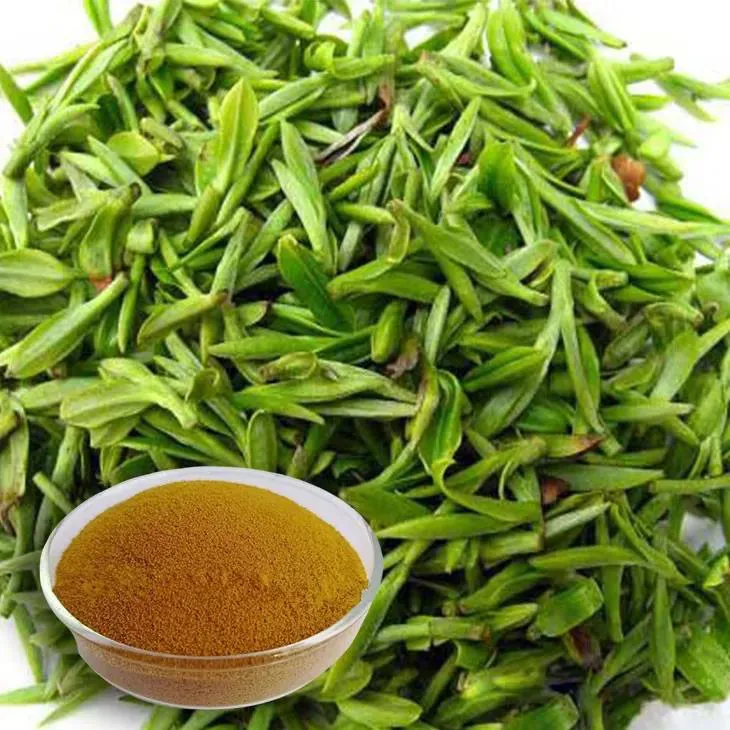
Green tea extract (GTE) is a concentrated preparation derived from the unfermented leaves of Camellia sinensis. Unlike black tea, which undergoes enzymatic oxidation, green tea preserves the original catechin profile of the fresh leaf, making it the richest natural source of these potent polyphenolic antioxidants.
Epigallocatechin-3-gallate (EGCG) is the most abundant and biologically active catechin in green tea, accounting for 50–80% of total catechin content. With an ORAC (Oxygen Radical Absorbance Capacity) value significantly higher than vitamins C and E, EGCG is widely recognized as one of the most powerful natural antioxidants available.
The global green tea extract market exceeded USD 280 million in 2024 and is growing at a CAGR of 7.8%, driven by demand across dietary supplements, functional beverages, cosmetics, and nutraceutical applications.
The Four Catechins of Green Tea: EGCG, EGC, ECG, and EC
Green tea contains four major catechins, each with distinct pharmacological properties:
| Catechin | Full Name | Approx. % of Total | Key Activities |
|---|---|---|---|
| EGCG | Epigallocatechin-3-gallate | 50–60% | Antioxidant, anti-inflammatory, thermogenic, neuroprotective |
| EGC | Epigallocatechin | 10–20% | Antioxidant, anti-allergic |
| ECG | Epicatechin-3-gallate | 10–15% | Antioxidant, antimicrobial |
| EC | Epicatechin | 5–10% | Vascular health, endothelial function |
Standardized green tea extracts are typically labeled by total polyphenol content (usually 80–98%) and EGCG content (usually 40–70% of the extract). The ratio of catechins can vary significantly based on cultivar, growing conditions, harvest timing, and extraction methodology.
Antioxidant Mechanisms: How EGCG Neutralizes Free Radicals at the Molecular Level
EGCG's antioxidant activity operates through multiple complementary mechanisms:
Direct Free Radical Scavenging
The galloyl moiety and multiple hydroxyl groups in EGCG's B-ring donate hydrogen atoms to neutralize reactive oxygen species (ROS), including superoxide anion, hydroxyl radical, and peroxynitrite. The resulting EGCG radical is stabilized by resonance across its polyphenolic structure.
Metal Ion Chelation
EGCG chelates pro-oxidant transition metals (Fe²⁺, Cu²⁺) that catalyze Fenton reactions, preventing the formation of highly damaging hydroxyl radicals. This is particularly relevant for neurodegenerative disease prevention.
Nrf2 Pathway Activation
Beyond direct antioxidant activity, EGCG activates the Nrf2/ARE signaling pathway, upregulating endogenous antioxidant enzymes including superoxide dismutase (SOD), catalase, and glutathione peroxidase. This provides sustained cellular protection beyond the half-life of EGCG itself.
Anti-Inflammatory Effects
EGCG inhibits NF-κB activation and reduces production of pro-inflammatory cytokines (TNF-α, IL-1β, IL-6), providing synergistic benefits alongside direct antioxidant activity.
Clinical Evidence: Weight Management, Metabolic Health and Cognitive Benefits
Weight Management and Fat Oxidation
A 2021 meta-analysis of 16 RCTs (n=1,202) found that green tea catechins (primarily EGCG, 250–600 mg/day) combined with caffeine (75–300 mg/day) produced significant reductions in body weight (-1.31 kg), BMI (-0.52 kg/m²), and fat mass (-1.42 kg) over 12 weeks. The mechanism involves increased thermogenesis via COMT inhibition (EGCG prevents catecholamine degradation) and enhanced fat oxidation during exercise.
Metabolic Syndrome and Cardiovascular Health
Clinical trials demonstrate that green tea extract improves multiple metabolic parameters:
Reduces LDL cholesterol by 4–14% (meta-analysis of 14 RCTs)
Lowers systolic blood pressure by 2–4 mmHg
Improves endothelial function and arterial stiffness
Reduces fasting insulin and HOMA-IR in insulin-resistant individuals
Cognitive Health and Neuroprotection
EGCG crosses the blood-brain barrier and demonstrates neuroprotective effects in preclinical models of Alzheimer's and Parkinson's disease. Human studies show improvements in working memory and attention after acute supplementation. A 2024 RCT found that 100 mg/day of EGCG improved cognitive performance in adults aged 50–69 over 6 months.
Skin Health and Photoprotection
Oral and topical green tea extract reduces UV-induced skin damage, erythema, and collagen degradation. A 2022 clinical trial found that 1,000 mg/day of green tea extract (50% EGCG) reduced UV-induced erythema by 25% and improved skin elasticity by 15% over 8 weeks.
Hepatotoxicity Safety Review: What the Science Really Says About Green Tea Extract Safety
In 2018, the European Food Safety Authority (EFSA) issued an opinion noting that doses of EGCG ≥800 mg/day from supplements may raise safety concerns for liver health, based on rare case reports of hepatotoxicity. However, subsequent scientific analysis has clarified several key points:
Dose threshold — Adverse events are extremely rare at EGCG intakes below 500 mg/day; most reported cases involved doses exceeding 1,000 mg/day
Fasting state risk — Taking EGCG on an empty stomach significantly increases absorption and potential hepatotoxicity; consumption with meals is recommended
Pre-existing conditions — Most reported cases involved individuals with pre-existing liver conditions or concurrent medication use
Tea vs. extract — Drinking green tea (providing 50–100 mg EGCG per cup) is universally safe; the concern relates only to concentrated supplements
EFSA concluded that EGCG intakes up to 500 mg/day from supplements are unlikely to pose a safety concern for the general adult population. GreenSky recommends clear labeling of EGCG content and dosage guidance to ensure safe consumer use.
How to Source Premium Green Tea Extract: Quality Parameters for B2B Buyers
When evaluating green tea extract suppliers, verify these critical quality parameters:
Total polyphenol content — 80–98% (UV or HPLC method); specify testing method on COA
EGCG content — 40–70% of total extract; request HPLC chromatogram
Caffeine content — Specify decaffeinated (<2%) or natural caffeine (3–5%); verify by HPLC
EGCG/ECG ratio — Indicates extraction quality; high ECG relative to EGCG may indicate oxidation during processing
Residual solvents — Ethyl acetate/water extraction preferred; verify solvent residue by GC
Heavy metals — Tea plants bioaccumulate metals; demand Pb, As, Cd, Hg analysis
Fluoride content — Tea plants accumulate fluoride; request testing (limit < 200 ppm for extracts)
Pesticide residues — Multi-residue screening per EU MRLs (maximum residue limits)
Microbiological safety — Total plate count, yeast/mold, E. coli, Salmonella
Certifications — ISO 22000, GMP, Kosher, Halal, organic (USDA/EU)
GreenSky: Reliable Green Tea Extract Manufacturing Since 2004
Hangzhou Greensky Biological Tech. Co., Ltd. manufactures premium green tea extract with standardized polyphenol and EGCG content under ISO 22000, BRCGS, Ecocert Organic, and SGS-GMP certified conditions.
Our product range includes:
Green Tea Extract 80%–98% Total Polyphenols
Standardized EGCG 40%–70%
Decaffeinated Green Tea Extract (caffeine < 2%)
Theanine-enriched Green Tea Extract
Custom standardization and spray-dried formats
With over 20 years of experience in plant extract R&D and production, an independent laboratory equipped with HPLC, GC, and UV instruments, and export experience across Europe, the United States, South Korea, and Russia, GreenSky is your reliable partner for green tea extract. Contact us today for samples and competitive quotations.
- ▶ Hesperidin
- ▶ Citrus Bioflavonoids
- ▶ Plant Extract
- ▶ lycopene
- ▶ Diosmin
- ▶ Grape seed extract
- ▶ Sea buckthorn Juice Powder
- ▶ Fruit Juice Powder
- ▶ Hops Extract
- ▶ Artichoke Extract
- ▶ Mushroom extract
- ▶ Astaxanthin
- ▶ Green Tea Extract
- ▶ Curcumin
- ▶ Horse Chestnut Extract
- ▶ Other Product
- ▶ Boswellia Serrata Extract
- ▶ Resveratrol
- ▶ Marigold Extract
- ▶ Grape Leaf Extract
- ▶ New Product
- ▶ Aminolevulinic acid
- ▶ Cranberry Extract
- ▶ Red Yeast Rice
- ▶ Red Wine Extract
- ▶ blog
-
Baicalin
2026-11-08
-
Lemon Balm Extract
2026-11-08
-
Gynostemma pentaphyllum extract
2026-11-08
-
Hawthorn Extract
2026-11-08
-
Grape Seed Extract
2026-11-08
-
Plantain extract
2026-11-08
-
Nutmeg Extract
2026-11-08
-
Licorice Root Extract Powder
2026-11-08
-
Camu Camu Extract
2026-11-08
-
Shikone Extract
2026-11-08