- 0086-571-85302990
- [email protected]




What Is Green Tea Extract? EGCG Science, Antioxidant Benefits & B2B Sourcing Guide (2026)
2026-10-24
Meta Title: What Is Green Tea Extract? EGCG Science & B2B Sourcing Guide (2026)
Meta Description: Complete B2B guide to Green Tea Extract and EGCG. Covers antioxidant mechanisms, metabolism support, standardization (98% EGCG), extraction technologies, quality standards, and sourcing tips for supplement brands.
URL Slug: /green_tea_extract/
What Is Green Tea Extract?
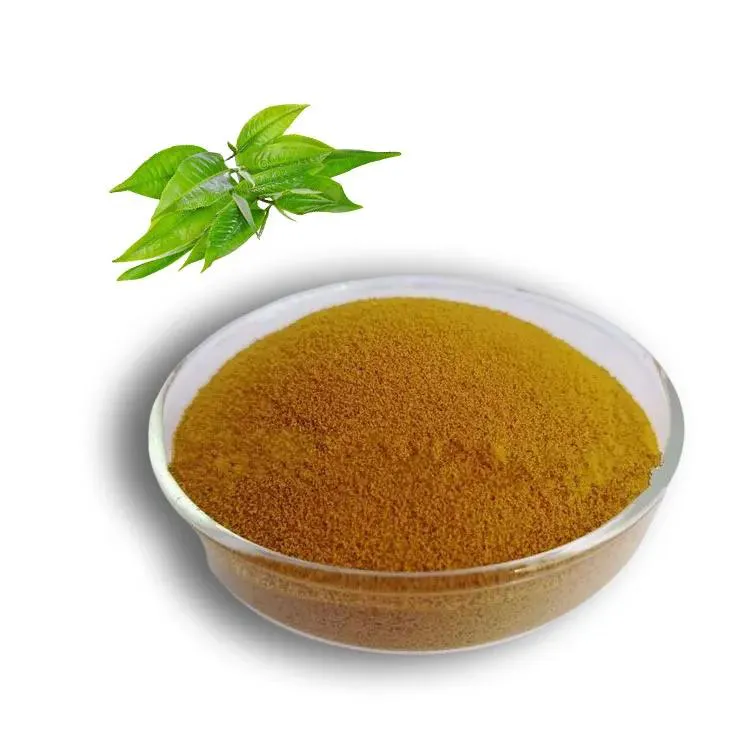
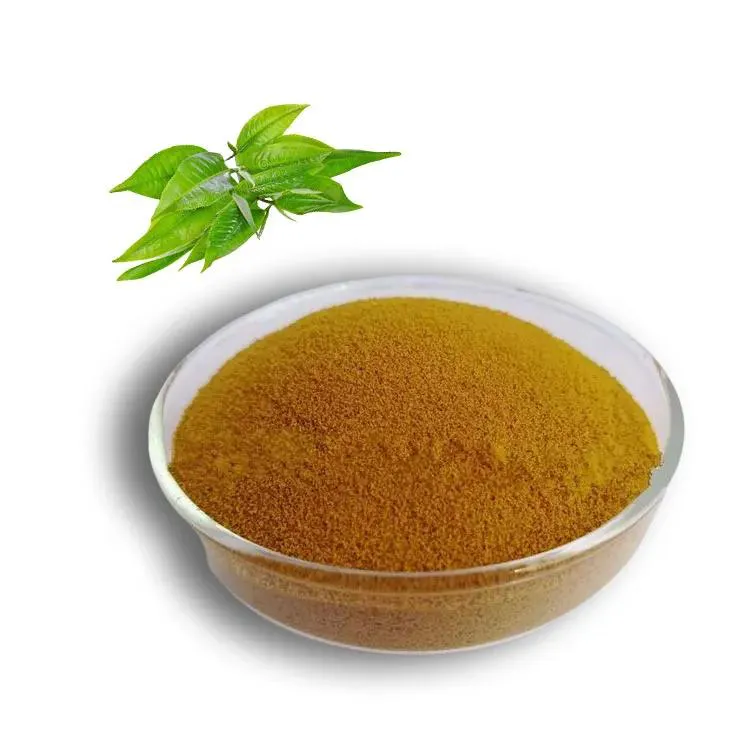
Green tea extract (GTE) is a concentrated preparation derived from the unfermented leaves of Camellia sinensis. Unlike black tea (fully oxidized) or oolong tea (partially oxidized), green tea is minimally processed, preserving its rich content of catechins — the polyphenolic compounds responsible for green tea's renowned health benefits.
The most important catechin in green tea is epigallocatechin gallate (EGCG), which accounts for 50–80% of total catechins and is the primary driver of green tea extract's biological activity. Other significant catechins include epicatechin gallate (ECG), epigallocatechin (EGC), and epicatechin (EC).
Commercial green tea extracts are standardized to various polyphenol and EGCG concentrations, typically ranging from 50% to 98% EGCG, depending on the intended application.
The global green tea extract market was valued at approximately USD 350 million in 2024 and is projected to grow at a CAGR of 7.5% through 2032, driven by demand in dietary supplements, functional beverages, cosmetics, and food preservation.
The Science of Green Tea Catechins
EGCG: The Superstar Catechin
EGCG (epigallocatechin-3-gallate) is the most abundant and most biologically active catechin in green tea. Its molecular structure — containing eight hydroxyl groups — makes it an exceptionally potent antioxidant with multiple mechanisms of action:
Antioxidant Mechanisms
Direct free radical scavenging — EGCG neutralizes reactive oxygen species (ROS) and reactive nitrogen species (RNS) through electron donation from its hydroxyl groups
Metal chelation — EGCG binds transition metals (iron, copper) that catalyze free radical formation via Fenton reactions
Enzyme modulation — EGCG upregulates endogenous antioxidant enzymes (SOD, catalase, glutathione peroxidase) via Nrf2 pathway activation
Mitochondrial protection — EGCG reduces mitochondrial ROS production and improves mitochondrial biogenesis
Metabolic and Weight Management Effects
EGCG influences energy metabolism through several pathways:
AMPK activation — enhances fatty acid oxidation and glucose uptake
Catechol-O-methyltransferase (COMT) inhibition — prolongs norepinephrine activity, increasing thermogenesis
Lipid metabolism modulation — reduces triglyceride accumulation and cholesterol synthesis
Gut microbiota modulation — promotes beneficial bacterial populations associated with metabolic health
Clinical studies have shown that green tea extract supplementation (250–500 mg EGCG/day) combined with exercise can increase fat oxidation rates by 17% and support healthy body composition.
Cardiovascular Health Benefits
Endothelial function improvement — EGCG enhances nitric oxide bioavailability
LDL cholesterol oxidation prevention — reduces oxidized LDL, a key atherosclerotic factor
Blood pressure modulation — mild antihypertensive effects demonstrated in meta-analyses
Platelet aggregation inhibition — reduces thrombotic risk
Cognitive Function and Neuroprotection
EGCG crosses the blood-brain barrier and has demonstrated:
Reduced neuroinflammation through NF-κB suppression
Protection against amyloid-beta aggregation (relevant to Alzheimer's research)
Enhanced neurogenesis in the hippocampus
Improved working memory and attention in clinical trials
Green Tea Extract Specifications
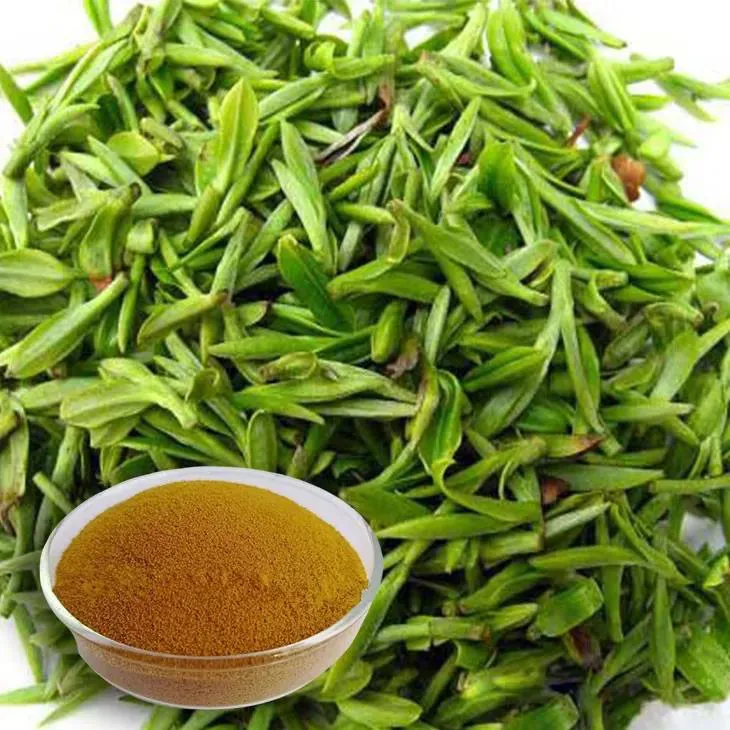
Parameter Standard Spec Premium Spec Test Method Total polyphenols ≥50% ≥80% UV/Folin-Ciocalteu EGCG content ≥30% ≥50–98% HPLC Total catechins ≥40% ≥70% HPLC Caffeine content ≤10% ≤2% (decaf) HPLC Appearance Light brown to green powder Green powder Visual Loss on drying ≤5.0% ≤3.0% Gravimetric Heavy metals Pb < 3.0 ppm, As < 1.0 ppm Pb < 1.0 ppm, As < 0.5 ppm ICP-MS Pesticide residues ≤EU MRL limits ≤EU MRL limits GC-MS/LC-MS
Green Tea Extraction Technologies
Solvent Extraction (Water-Ethanol)
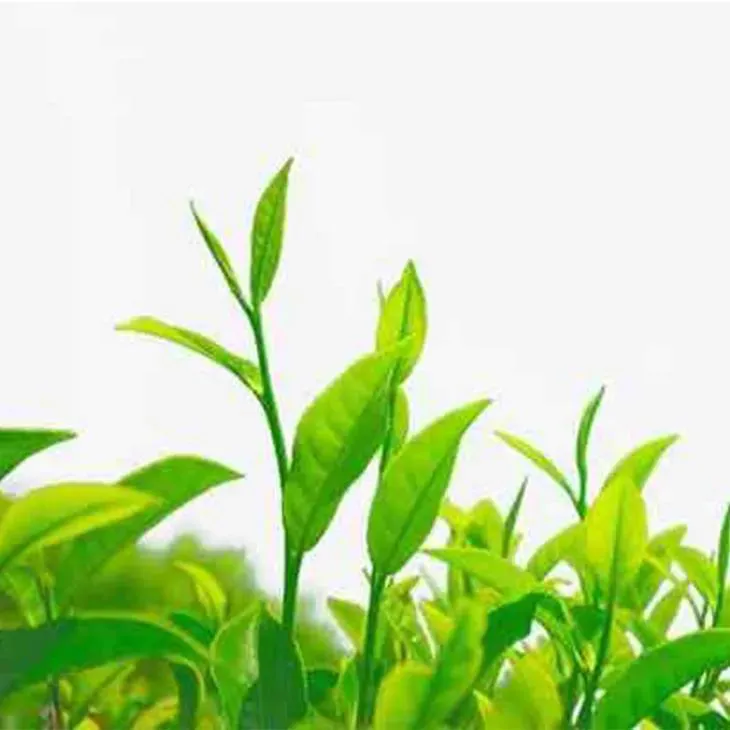
The most common commercial method. Green tea leaves are extracted with hot water or ethanol-water mixtures, followed by purification and concentration. Caffeine can be selectively removed during processing to produce decaffeinated extracts.
Supercritical CO₂ Extraction
A solvent-free method particularly suitable for decaffeinated green tea extracts. CO₂ selectively extracts catechins while leaving caffeine behind, producing a cleaner final product with no solvent residues.
Membrane Separation Technology
Ultrafiltration and nanofiltration membranes are increasingly used to fractionate green tea extract components, enabling precise control over EGCG content and removal of unwanted compounds (caffeine, proteins, carbohydrates).
Counter-Current Chromatography
For ultra-high-purity EGCG (≥95%), counter-current chromatography provides exceptional separation efficiency without the use of solid stationary phases, reducing contamination risk.
Applications of Green Tea Extract
1. Weight Management Supplements
The largest application segment. Green tea extract is formulated into capsules, tablets, and powders targeting consumers interested in metabolism support and healthy weight management.
2. Functional Beverages
Green tea extract is widely used in energy drinks, metabolism-boosting beverages, and wellness teas. Decaffeinated versions are preferred for evening consumption products.
3. Cosmetics and Skincare
EGCG's antioxidant and anti-inflammatory properties make it valuable in:
Anti-aging serums and creams
Sun protection formulations (synergistic with SPF)
Acne treatment products
Scalp and hair care formulations
4. Food Preservation
Green tea extract is increasingly used as a natural antioxidant preservative in meat products, oils, and packaged foods, replacing synthetic antioxidants like BHA and BHT.
5. Oral Care
EGCG's antimicrobial properties are leveraged in toothpaste, mouthwash, and gum formulations for oral health applications.
Safety Considerations for Green Tea Extract
Liver Health Precautions
In 2018, the European Food Safety Authority (EFSA) reviewed the safety of green tea catechins and concluded:
Drinking green tea infusions is safe
Supplements providing ≥800 mg EGCG/day may raise liver safety concerns
Most adverse events are associated with taking green tea extract on an empty stomach
B2B Recommendations:
Label products with EGCG dosing guidance (typically ≤500 mg/day per serving)
Recommend taking with food
Avoid combining with other hepatotoxic ingredients
Include appropriate disclaimers on product labeling
Caffeine Content
Standard green tea extracts contain varying levels of caffeine. Decaffeinated versions (≤2% caffeine) are recommended for:
Products targeting caffeine-sensitive consumers
Evening/night-time formulations
Products for pregnant or nursing women
How to Choose a Green Tea Extract Supplier
1. Raw Material Origin
The quality of green tea extract depends heavily on the source material. Key growing regions include:
China (Zhejiang, Anhui, Fujian) — largest producer, diverse cultivars
Japan — premium quality, lower pesticide use
India (Assam, Darjeeling) — emerging source
Sri Lanka — high-altitude tea gardens
Ask suppliers about their tea sourcing regions and cultivar information.
2. Processing Standards
Fresh leaf processing — extracts made from fresh (not aged) tea leaves have higher catechin content
Extraction temperature control — excessive heat degrades catechins
Oxygen protection — catechins oxidize easily; processing should minimize oxygen exposure
3. Certifications and Testing
Organic certification (Ecocert, USDA) if targeting organic markets
Pesticide residue testing per EU, USP, or JP standards
Heavy metal testing (especially important for teas grown in industrial regions)
ISO22000, BRCGS, GMP certifications
4. Custom Specification Capability
Top-tier suppliers offer:
Decaffeinated options
Specific EGCG percentages (30%, 50%, 80%, 95%, 98%)
Custom ratios of EGCG to other catechins
Water-soluble formulations for beverage applications
Why Choose Greensky Bio for Green Tea Extract
Hangzhou Greensky Biological Tech. Co., Ltd. has been producing high-quality plant extracts since 2004, with extensive experience in tea polyphenol extraction and purification.
20+ years of botanical extraction expertise
Multi-certified production — ISO22000, BRCGS, Ecocert Organic, SGS-GMP
Advanced analytical lab — HPLC, GC, UV for comprehensive quality testing
Custom specifications — from standard 50% polyphenol extracts to 98% EGCG
Decaffeination capability — producing extracts with ≤2% caffeine content
Global export experience — serving European, American, Korean, and Russian markets
Whether you need green tea extract for supplements, beverages, cosmetics, or food applications, Greensky Bio delivers products that meet the highest quality and safety standards.
Frequently Asked Questions
Q: What is the difference between green tea extract and green tea powder?A: Green tea powder (matcha) is ground whole tea leaves. Green tea extract is a concentrated preparation containing standardized levels of catechins (especially EGCG), with optional caffeine removal. Extracts are far more concentrated than powders.
Q: Is green tea extract safe for the liver?A: Green tea extract is generally safe at recommended dosages. EFSA recommends limiting supplemental EGCG intake to below 800 mg/day. Most products contain 200–500 mg EGCG per serving. Taking GTE with food further reduces any potential risk.
Q: What is the best time to take green tea extract?A: Green tea extract should be taken with meals to reduce the risk of liver stress and to enhance absorption. Split doses (morning and afternoon) are commonly recommended.
Q: Can green tea extract be used in hot beverages?A: Yes, though EGCG is heat-sensitive. For hot beverage applications, consider using slightly over-formulated extracts to account for thermal degradation during preparation.
Q: Does Greensky Bio offer decaffeinated green tea extract?A: Yes. We provide decaffeinated green tea extracts with ≤2% caffeine content, available in various EGCG specifications (50%, 80%, 95%).

- ▶ Hesperidin
- ▶ Citrus Bioflavonoids
- ▶ Plant Extract
- ▶ lycopene
- ▶ Diosmin
- ▶ Grape seed extract
- ▶ Sea buckthorn Juice Powder
- ▶ Fruit Juice Powder
- ▶ Hops Extract
- ▶ Artichoke Extract
- ▶ Mushroom extract
- ▶ Astaxanthin
- ▶ Green Tea Extract
- ▶ Curcumin
- ▶ Horse Chestnut Extract
- ▶ Other Product
- ▶ Boswellia Serrata Extract
- ▶ Resveratrol
- ▶ Marigold Extract
- ▶ Grape Leaf Extract
- ▶ New Product
- ▶ Aminolevulinic acid
- ▶ Cranberry Extract
- ▶ Red Yeast Rice
- ▶ Red Wine Extract
- ▶ blog
-
Baobab Fruit Extract
2026-10-24
-
Berberis aristata Extract
2026-10-24
-
Lily extract
2026-10-24
-
Pine bark Extract Powder
2026-10-24
-
Carrageenan Extract Powder
2026-10-24
-
Moringa powder
2026-10-24
-
Centella Asiatica Extract
2026-10-24
-
Panax Ginseng Leaf Extract
2026-10-24
-
Medicinal Marshmallow Extract
2026-10-24
-
Tamarind extract powder
2026-10-24