- 0086-571-85302990
- [email protected]




Green Tea Extract EGCG: Benefits, Extraction Methods, and Sourcing Guide for B2B Buyers
2026-10-03
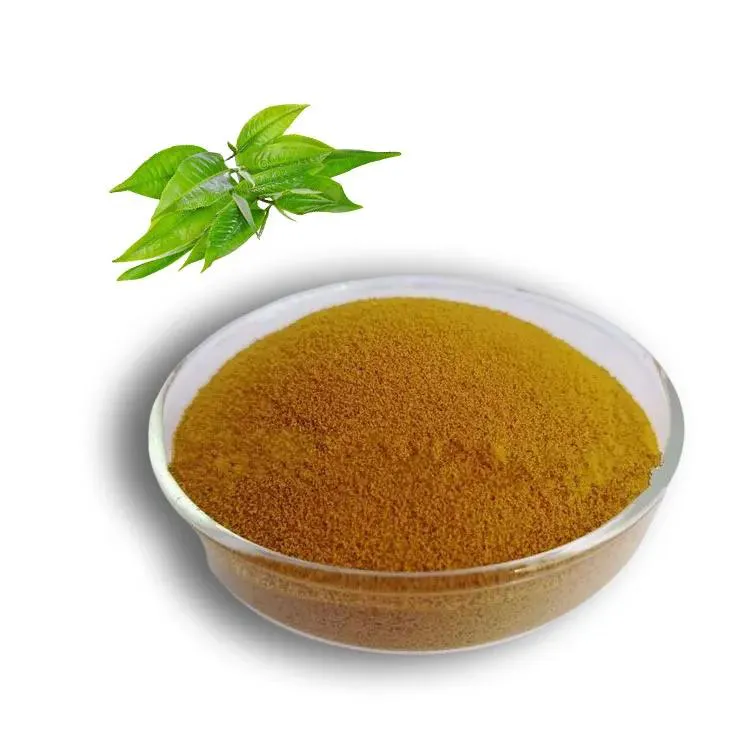
Meta Title: Green Tea Extract EGCG | Plant Extract Manufacturer | Greensky BioMeta Description: Discover premium Green Tea Extract standardized to 50%-98% EGCG from a leading China manufacturer. Learn about extraction methods, health benefits, quality standards, and bulk sourcing for dietary supplements.
: Benefits, Extraction Methods, and Sourcing Guide for B2B Buyers
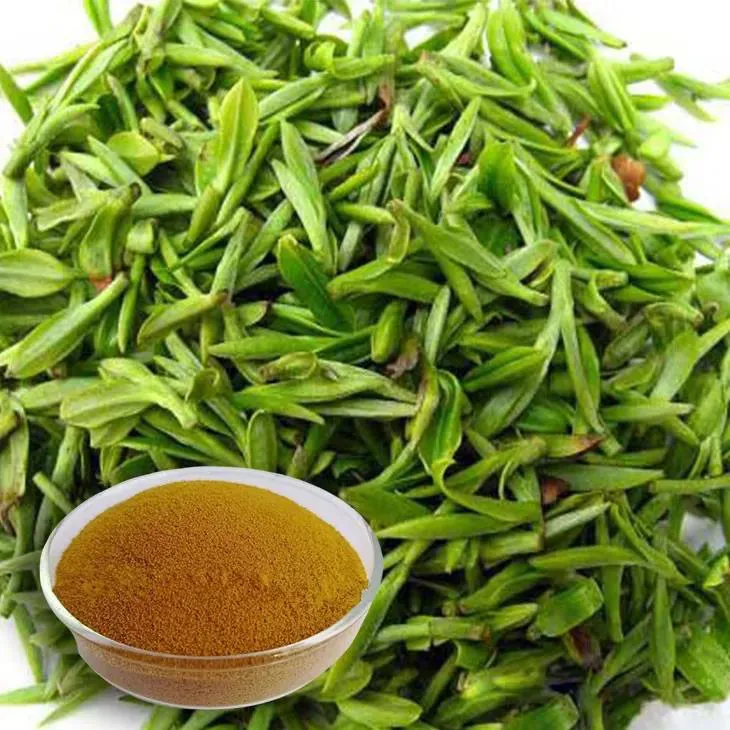
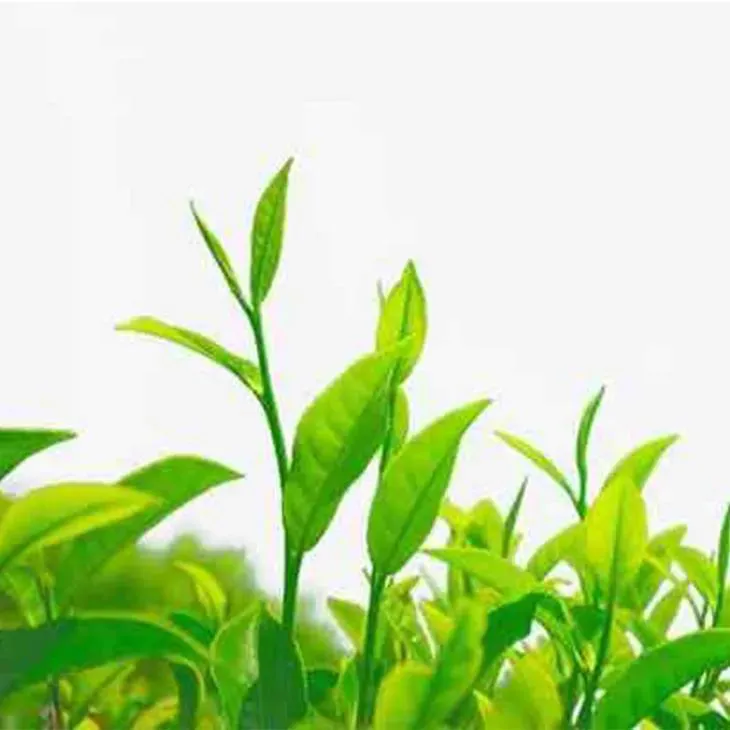
Green tea (Camellia sinensis) has been consumed for thousands of years across Asia for its health-promoting properties. Today, is one of the most commercially significant botanical extracts globally, driven by soaring demand in the dietary supplement, functional beverage, and cosmetic industries. With its rich profile of catechins — particularly epigallocatechin gallate (EGCG) — green tea extract has become a cornerstone ingredient for formulators seeking evidence-based, natural actives.
As a professional plant extract manufacturer with over 20 years of experience, Greensky Bio provides premium-grade green tea extracts standardized to 50%, 70%, and 98% EGCG, backed by comprehensive analytical testing and international certifications.
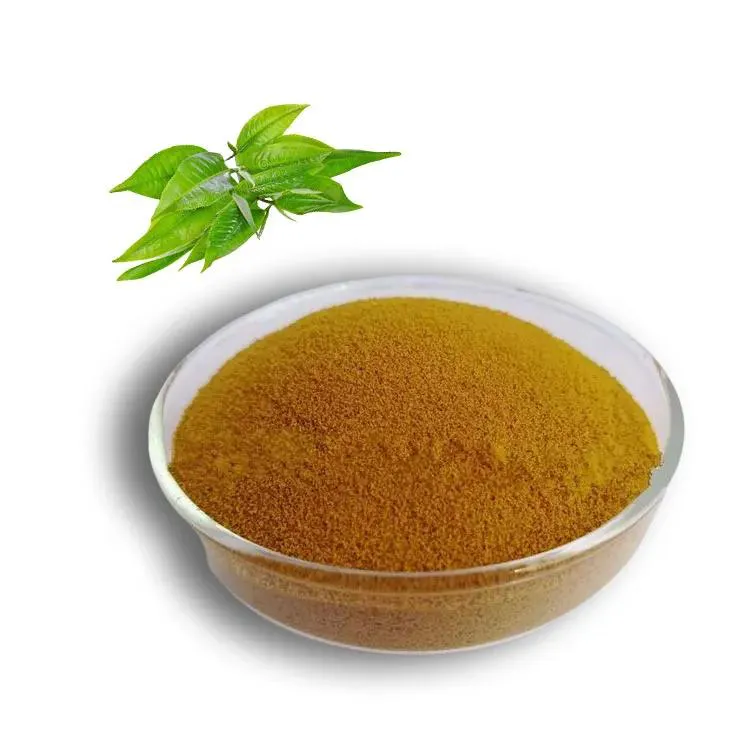
Key Active Compounds in Green Tea Extract
The therapeutic and commercial value of green tea extract derives primarily from its catechin content. Catechins are a class of polyphenolic compounds that account for 30–40% of the dry weight of green tea leaves. The four major catepachins include:
Epigallocatechin Gallate (EGCG): The most abundant and biologically active catechin, typically representing 50–60% of total catechins in green tea extract. EGCG is the primary driver of antioxidant, anti-inflammatory, and metabolic benefits.
Epicatechin Gallate (ECG): Contributes to cardiovascular and metabolic health, with demonstrated synergy alongside EGCG in clinical studies.
Epigallocatechin (EGC): A non-gallated catechin with strong free-radical scavenging capacity.
Epicatechin (EC): Supports endothelial function and vascular health.
Beyond catechins, green tea extract contains:
L-Theanine: An amino acid that promotes relaxation and cognitive focus without sedation.
Caffeine: A mild stimulant (typically 2–5% in decaffeinated extracts) that enhances thermogenesis and alertness.
Vitamins and minerals: Including vitamin C, vitamin E, selenium, zinc, and chromium.
For B2B buyers, the EGCG content is the single most important specification when sourcing green tea extract. Greensky Bio offers standardized extracts at 50%, 70%, and 98% EGCG to suit diverse formulation needs.
Extraction Technologies for Premium Green Tea Extract
The extraction method significantly impacts the catechin profile, purity, and safety of the final product. Three primary methods are used commercially:
Ethanol-Water Extraction
Ethanol-water extraction is the most widely used method for producing green tea catechin extracts. By adjusting the ethanol-to-water ratio (typically 40–70% ethanol) and controlling extraction temperature (60–80°C), manufacturers can selectively enrich the catechin fraction while minimizing extraction of undesirable compounds such as tannins and proteins.
This method is cost-effective, scalable, and produces extracts with consistent catechin profiles. At Greensky Bio, our ethanol-water extraction process is optimized to maximize EGCG yield while preserving the integrity of heat-sensitive polyphenols. The process is conducted in closed-system multi-functional extraction tanks, ensuring minimal solvent loss and environmental compliance.
Supercritical CO₂ Extraction
Supercritical CO₂ extraction produces decaffeinated green tea extracts with minimal thermal degradation. Operating at 35–55°C and 200–350 bar, CO₂ selectively extracts lipophilic compounds, leaving polar catechins in the raffinate for subsequent aqueous or ethanolic recovery. This two-stage approach yields a decaffeinated catechin concentrate with virtually no solvent residue.
While this method has higher capital costs, it is preferred for premium cosmetic and nutraceutical applications where solvent-free certification is required.
Membrane Separation and Purification
Modern green tea extract production increasingly incorporates membrane filtration (ultrafiltration and nanofiltration) as a post-extraction purification step. This technology removes high-molecular-weight impurities such as proteins, polysaccharides, and pigments, resulting in extracts with higher catechin purity and improved solubility — critical for beverage and capsule formulations.
Clinically Supported Health Benefits
Green tea extract has been the subject of extensive clinical research, with thousands of studies published on its health effects.
Antioxidant and Anti-Aging Effects
EGCG is one of the most potent natural antioxidants identified, with an oxygen radical absorbance capacity (ORAC) value approximately 100 times greater than that of vitamins C and E. It neutralizes free radicals, chelates transition metals, and upregulates endogenous antioxidant enzymes including superoxide dismutase (SOD) and glutathione peroxidase. These mechanisms underpin green tea extract's widespread use in anti-aging supplements and skincare formulations.
Weight Management and Metabolic Support
Multiple randomized controlled trials have demonstrated that green tea extract supplementation supports weight management through two primary mechanisms:
Enhanced thermogenesis: EGCG inhibits catechol-O-methyltransferase (COMT), prolonging norepinephrine activity and increasing fat oxidation.
Reduced nutrient absorption: Catechins inhibit pancreatic lipase and α-amylase, reducing dietary fat and carbohydrate absorption.
A meta-analysis published in the American Journal of Clinical Nutrition found that green tea extract supplementation resulted in significant reductions in body weight and body fat percentage compared to placebo.
Cardiovascular Health
Green tea catechins improve cardiovascular markers by:
Reducing LDL cholesterol oxidation
Improving endothelial function and nitric oxide bioavailability
Modulating blood pressure through ACE inhibition
Reducing platelet aggregation
Cognitive Function and Neuroprotection
The combination of EGCG and L-theanine in green tea extract supports cognitive health through complementary mechanisms. EGCG crosses the blood-brain barrier and exhibits neuroprotective properties, while L-theanine promotes alpha-wave activity associated with relaxed alertness.
Quality Standards and Testing
When sourcing green tea extract, B2B buyers should verify the following quality parameters:
Parameter Premium Standard EGCG content ≥50% (HPLC verified) Total catechins ≥70% Caffeine ≤5% (decaffeinated) or as specified Heavy metals Pb <2 ppm, Cd <1 ppm, As <1 ppm, Hg <0.1 ppm Pesticide residues Compliant with EU/USP limits Microbiological Total plate count <1,000 CFU/g Solvent residue Within ICH Q3C limits
Greensky Bio's green tea extracts undergo rigorous in-house testing using HPLC, UV spectrophotometry, and GC-MS, with third-party verification available upon request. Our facilities are certified to ISO22000, BRCGS, and SGS-GMP standards, ensuring consistent quality for international buyers.
Applications Across Industries
Green tea extract's versatility makes it valuable across multiple sectors:
Dietary supplements: Capsules, tablets, softgels, and gummies for weight management and antioxidant support.
Functional beverages: Ready-to-drink teas, energy drinks, and wellness shots.
Cosmetics and skincare: Anti-aging serums, sunscreens, and moisturizers leveraging EGCG's photoprotective properties.
Food and confectionery: Natural antioxidant for shelf-life extension in lipid-containing products.
Pharmaceutical intermediates: Starting material for semi-synthetic catechin derivatives.
Why Choose Greensky Bio as Your Green Tea Extract Supplier
As a China-based plant extract manufacturer with over two decades of expertise, Greensky Bio stands out for:
Advanced extraction infrastructure: Multi-functional extraction tanks, low-temperature concentrators, and a 100,000-class clean area ensure consistent, high-purity output.
Comprehensive quality control: An independent laboratory equipped with GC, HPLC, UV, and other analytical instruments provides full-spectrum testing capability.
International certifications: ISO22000, BRCGS, Ecocert Organic Standard, and SGS-GMP certifications meet the requirements of European, American, Korean, and Russian markets.
Custom specifications: We offer tailored EGCG standardization, particle size customization, and proprietary blend development.
Scalable production: With 500 tons per year of herb extract capacity, we serve clients from pilot-scale to full commercial production.
Ready to source premium green tea extract?
- ▶ Hesperidin
- ▶ Citrus Bioflavonoids
- ▶ Plant Extract
- ▶ lycopene
- ▶ Diosmin
- ▶ Grape seed extract
- ▶ Sea buckthorn Juice Powder
- ▶ Fruit Juice Powder
- ▶ Hops Extract
- ▶ Artichoke Extract
- ▶ Mushroom extract
- ▶ Astaxanthin
- ▶ Green Tea Extract
- ▶ Curcumin
- ▶ Horse Chestnut Extract
- ▶ Other Product
- ▶ Boswellia Serrata Extract
- ▶ Resveratrol
- ▶ Marigold Extract
- ▶ Grape Leaf Extract
- ▶ New Product
- ▶ Aminolevulinic acid
- ▶ Cranberry Extract
- ▶ Red Yeast Rice
- ▶ Red Wine Extract
- ▶ blog
-
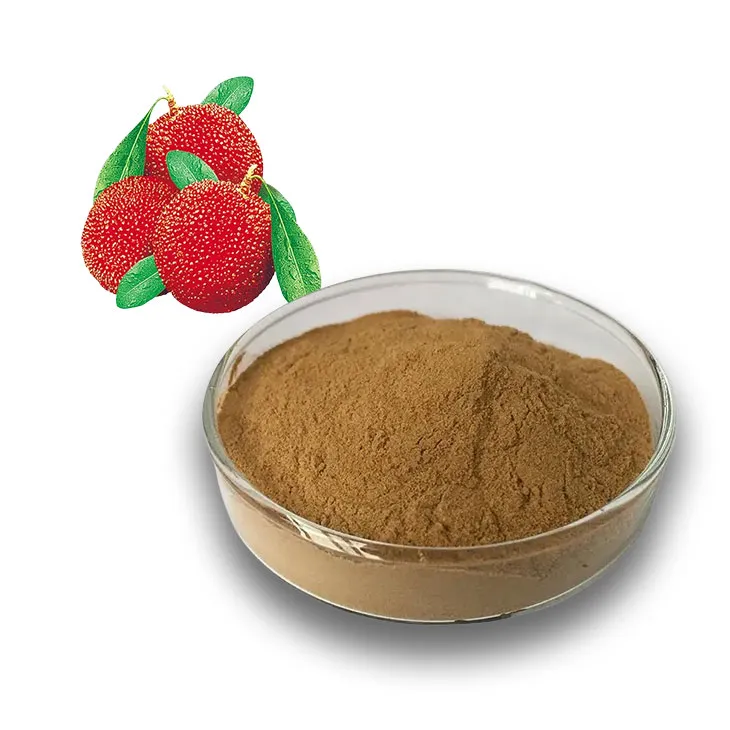
Bayberry Extract
2026-10-03
-
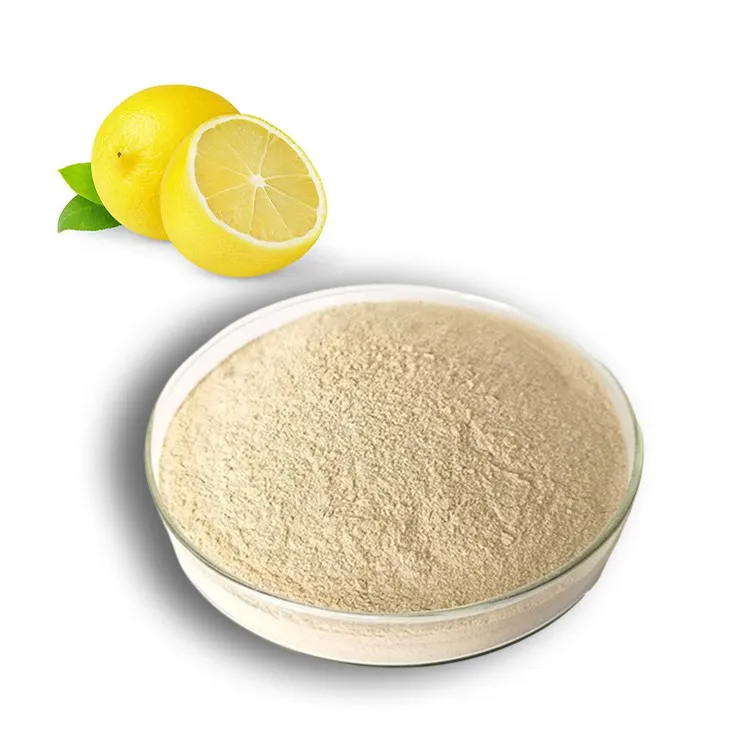
Lemon Extract
2026-10-03
-
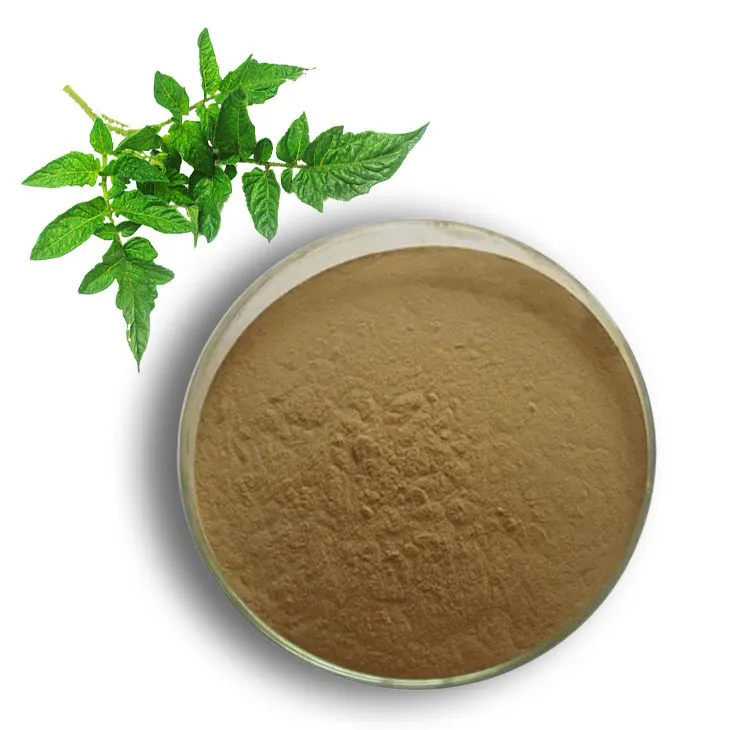
Senna Leaf Extract
2026-10-03
-
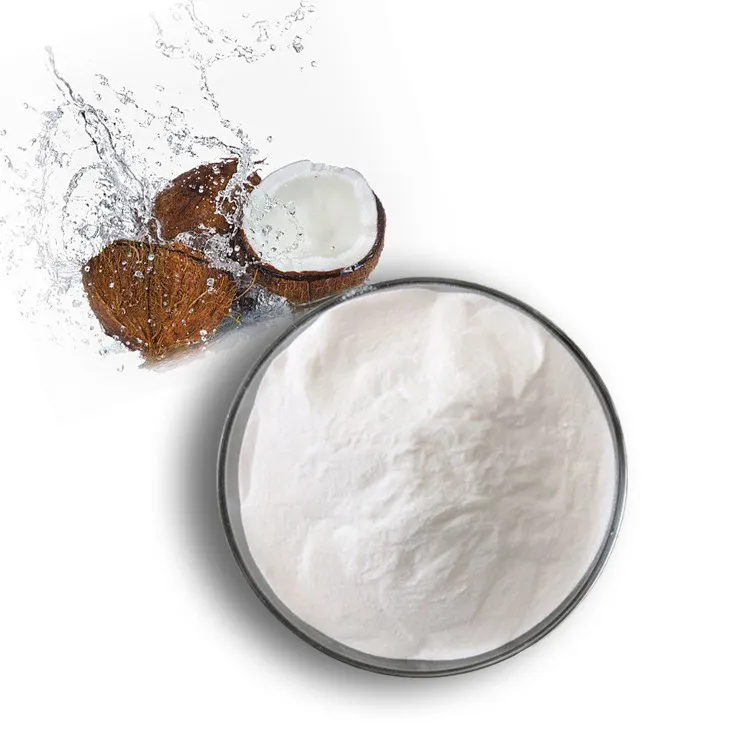
Coconut Water Powder
2026-10-03
-
Centella Asiatica Extract
2026-10-03
-
Diosmin
2026-10-03
-
Cranberry Extract
2026-10-03
-
Jujube Extract
2026-10-03
-
Nattokinase
2026-10-03
-
Red Wine Extract
2026-10-03