- 0086-571-85302990
- [email protected]






Grape Seed Extract: The Complete B2B Buyer's Guide to Sourcing High-OPC Proanthocyanidins
2026-10-03
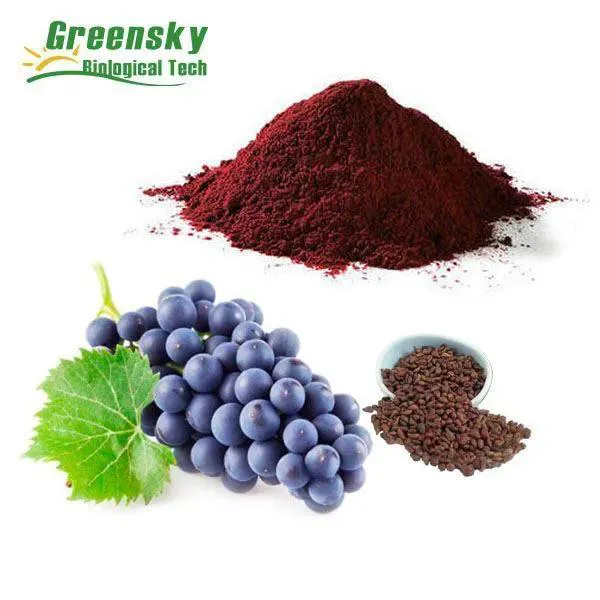
Meta Title: Grape Seed Extract Manufacturer | High OPC Proanthocyanidin Supplier | Greensky BioMeta Description: Premium Grape Seed Extract manufacturer with 95% OPC proanthocyanidins. GMP certified, UV/HPLC tested, bulk supply for supplements and cosmetics. Get a free quote.
Related Product
We are a leading grape seed extract manufacturer in China, specializing in high-OPC proanthocyanidin extracts for dietary supplements, functional foods, and cosmetic applications.
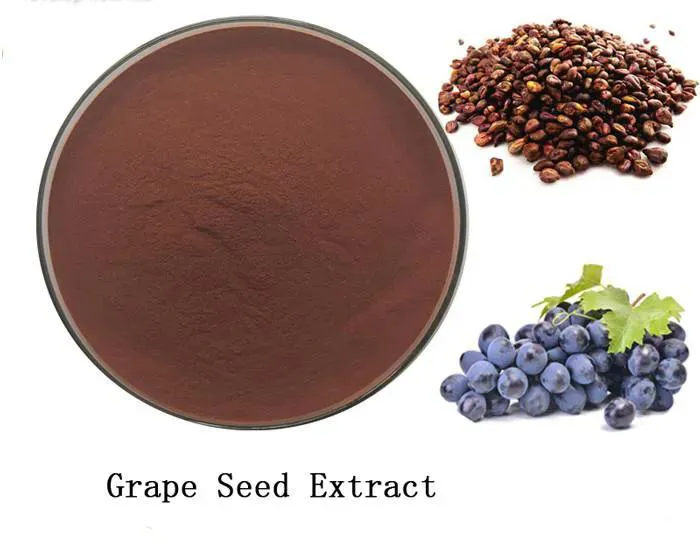
Grape Seed Extract: The Complete B2B Buyer's Guide to Sourcing High-OPC Proanthocyanidins
Grape seed extract (GSE) has established itself as one of the most versatile and scientifically validated botanical ingredients in the global nutraceutical and cosmetics markets. Rich in oligomeric proanthocyanidins (OPCs) — among the most potent naturally occurring antioxidants — grape seed extract addresses consumer demand across cardiovascular health, skin beauty, cognitive function, and sports nutrition categories. The global grape seed extract market, valued at approximately USD 200 million in 2024, is projected to grow at a compound annual growth rate of 6–8% through 2032, driven by expanding applications and increasing consumer awareness of antioxidant supplementation.
As a certified with over two decades of experience in botanical research and production, Greensky Bio provides this comprehensive sourcing guide for B2B buyers evaluating grape seed extract suppliers.
What Is Grape Seed Extract? Composition and Active Compounds
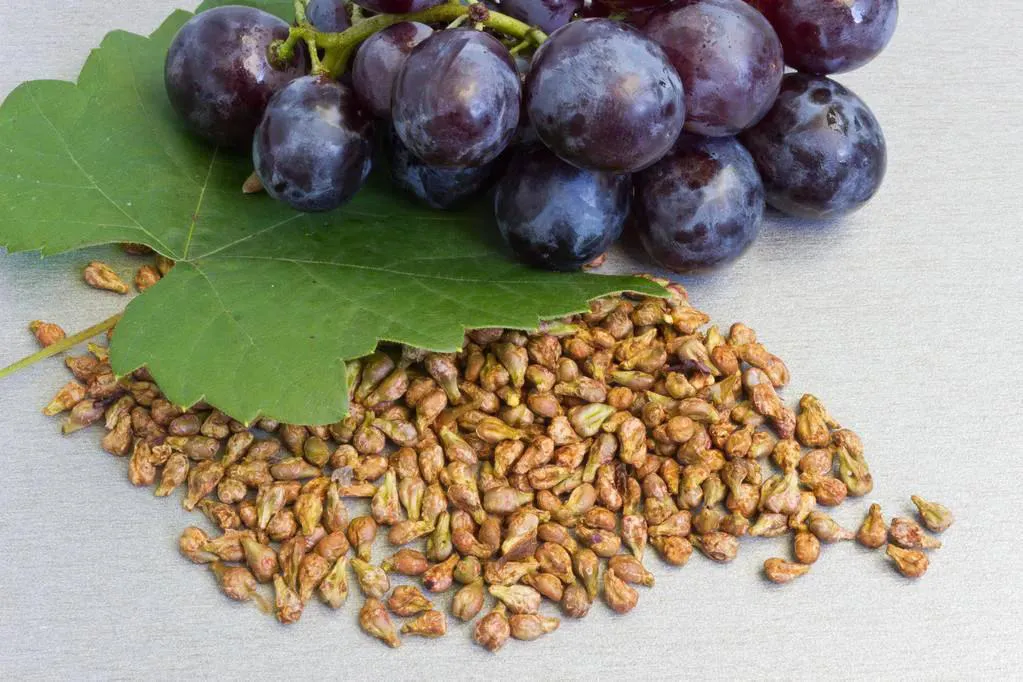
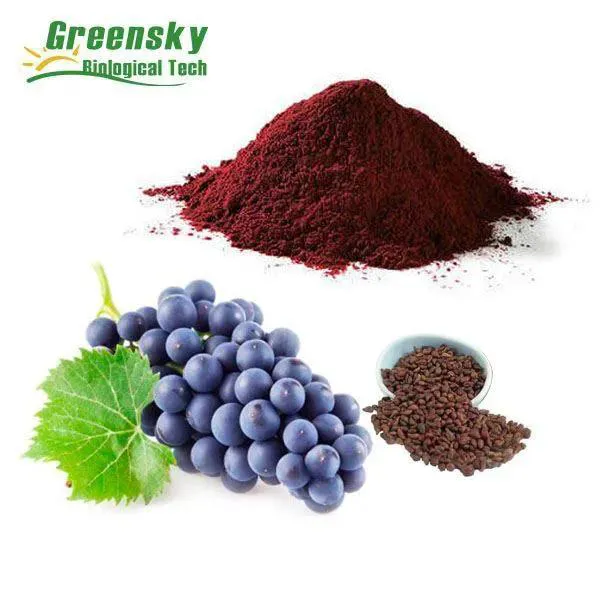
Grape seed extract is produced from the seeds of Vitis vinifera grapes — the same grape species used in global winemaking. While grape seeds represent approximately 3–5% of total grape mass and were historically discarded as winemaking byproducts, they are now recognized as one of nature's richest sources of proanthocyanidins and other polyphenolic antioxidants.
Key Active Compounds
The therapeutic and commercial value of grape seed extract derives from its complex polyphenol profile:
Oligomeric Proanthocyanidins (OPCs) — The primary active compounds, OPCs are condensed tannin polymers composed of catechin and epicatechin units. Grape seed OPCs range from dimers to decamers, with lower-molecular-weight oligomers (dimers through tetramers) demonstrating the highest bioavailability. Premium grape seed extracts are standardized to 90–95% OPC content.
Monomeric Flavan-3-ols — Catechin and epicatechin serve as the building blocks of OPC polymers and possess independent antioxidant and vasoprotective activity.
Phenolic Acids — Gallic acid, caffeic acid, and ferulic acid contribute to the extract's overall antioxidant capacity and exhibit antimicrobial properties.
Proanthocyanidin Polymers — Higher-molecular-weight proanthocyanidins (pentamers and above) contribute to the extract's astringency and gut microbiome-modulating effects, though with reduced systemic bioavailability.
Grape Seed Extract vs. Pine Bark Extract
Grape seed extract is frequently compared to French maritime pine bark extract (Pycnogenol), as both are rich sources of OPCs. While their antioxidant mechanisms overlap, grape seed extract typically contains higher total OPC concentrations at a lower raw material cost, making it the preferred choice for cost-sensitive formulations. Pine bark extract contains unique phenolic acids not present in grape seed, creating opportunities for combination products that leverage both botanical sources.
Clinically Supported Health Benefits
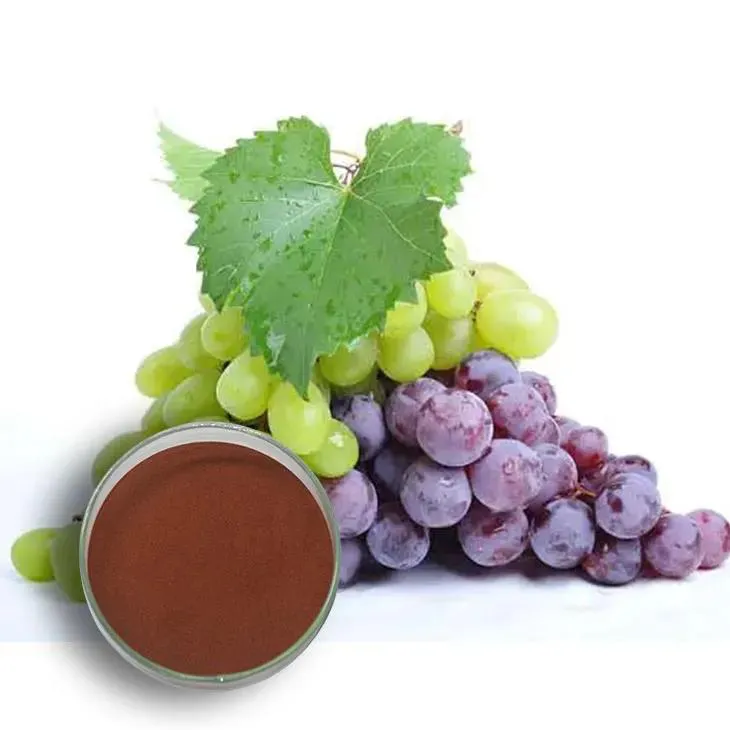
The health benefits of grape seed extract are supported by decades of research spanning cardiovascular science, dermatology, sports medicine, and ophthalmology.
Cardiovascular Health and Vascular Function
The most extensively researched application of grape seed extract involves cardiovascular and vascular health support. OPCs exert their cardioprotective effects through multiple mechanisms:
Endothelial function improvement — Grape seed extract stimulates nitric oxide production in vascular endothelial cells, promoting vasodilation and healthy blood pressure. A 2016 meta-analysis of 16 randomized controlled trials found that grape seed extract supplementation significantly reduced systolic blood pressure by an average of 5–6 mmHg in prehypertensive and hypertensive populations.
LDL cholesterol oxidation prevention — OPCs protect LDL particles from oxidative modification, a key step in the development of atherosclerotic plaque. This antioxidant protection of circulating lipids represents one of the most well-characterized mechanisms of grape seed extract's cardiovascular benefits.
Capillary strength and microcirculation — OPCs reinforce capillary walls by cross-linking with collagen fibers, reducing capillary fragility and supporting healthy microcirculation. This mechanism underpins grape seed extract's application in venous insufficiency, varicose vein, and chronic venous insufficiency formulations.
Skin Health and Anti-Aging
The cosmetics and nutricosmetics sectors represent one of the fastest-growing application areas for grape seed extract. OPCs' antioxidant activity — estimated at 20 times greater than vitamin E and 50 times greater than vitamin C on a per-molecule basis — provides powerful protection against UV-induced oxidative stress and environmental free radical damage.
Clinical studies have demonstrated that oral grape seed extract supplementation:
Reduces visible signs of photoaging, including fine lines and hyperpigmentation
Improves skin elasticity and moisture retention by supporting collagen and elastin integrity
Enhances skin microcirculation, contributing to a healthier, more radiant complexion
Protects against UV-induced DNA damage in skin cells through free radical scavenging
These evidence-based benefits have driven grape seed extract's inclusion in premium anti-aging supplement formulations and topical skincare products worldwide.
Cognitive Function and Neuroprotection
Emerging research indicates that grape seed OPCs can cross the blood-brain barrier and exert neuroprotective effects through antioxidant and anti-inflammatory mechanisms. Animal studies and preliminary human trials suggest potential benefits for:
Memory and cognitive function support
Reduction of oxidative stress in neural tissues
Protection against age-related cognitive decline
Modulation of neuroinflammatory pathways
While the cognitive health application of grape seed extract is still developing, the growing consumer interest in brain health supplements presents a significant opportunity for product innovation.
Exercise Recovery and Sports Nutrition
Grape seed extract's antioxidant and anti-inflammatory properties have attracted attention in the sports nutrition sector. Clinical studies have shown that grape seed extract supplementation can:
Reduce exercise-induced oxidative stress and muscle damage markers
Support faster recovery between training sessions
Modulate post-exercise inflammatory responses
Improve endothelial function during and after intense physical activity
These benefits align with the growing demand for clean-label, plant-based sports recovery supplements, positioning grape seed extract as a valuable ingredient for sports nutrition brands.
Extraction and Manufacturing Technologies
The quality of grape seed extract is directly influenced by the extraction methodology employed. Understanding these processes helps B2B buyers make informed sourcing decisions.
Raw Material Sourcing
High-quality grape seed extract begins with properly sourced raw materials. Winemaking byproducts provide a sustainable, cost-effective source of grape seeds. However, the polyphenol content of grape seeds varies significantly by grape variety, growing region, harvest timing, and winemaking process. As a , Greensky Bio sources grape seeds from established winemaking regions with documented polyphenol profiles to ensure consistent raw material quality.
Solvent Extraction Methods
Ethanol-Water Extraction — The most widely used method for commercial grape seed extract production involves sequential extraction with ethanol-water mixtures (typically 50–70% ethanol). The ethanol concentration and extraction temperature are carefully controlled to maximize OPC recovery while minimizing extraction of undesirable tannins and non-target compounds.
Water-Based Extraction — Hot water extraction followed by membrane filtration provides a solvent-free alternative. While this method produces extracts with lower total polyphenol yields compared to ethanol extraction, it eliminates solvent residue concerns and aligns with clean-label positioning.
Purification and Standardization
After extraction, the crude grape seed polyphenol concentrate undergoes purification through one or more of the following techniques:
Macroporous resin adsorption — Selective resin columns capture OPCs while allowing smaller molecules and impurities to pass through. This is the most common industrial purification method, offering a balance of efficiency and cost-effectiveness.
Ultrafiltration/nanofiltration — Membrane separation technology provides precise molecular weight-based fractionation, enabling the production of extracts with specific OPC oligomer profiles.
Spray drying — The purified extract solution is spray-dried to produce a free-flowing powder. Carrier agents such as maltodextrin may be added to improve powder handling characteristics, though premium extracts minimize or eliminate carrier use.
Greensky Bio's implements GMP-standard extraction and purification processes, including multi-stage resin purification and HPLC-monitored standardization to ensure every batch meets declared OPC specifications.
Quality Specifications for B2B Procurement
When evaluating grape seed extract suppliers, the following quality parameters should be verified:
Parameter Premium Standard (95% OPC) Standard Standard (40–50% OPC) Total proanthocyanidins (UV) ≥95% 40–50% Monomeric OPCs (HPLC) ≥30% 10–15% Moisture ≤5.0% ≤5.0% Ash ≤2.0% ≤5.0% Heavy metals (Pb) ≤2.0 ppm ≤2.0 ppm Heavy metals (Cd) ≤1.0 ppm ≤1.0 ppm Heavy metals (As) ≤1.0 ppm ≤1.0 ppm Pesticide residues Compliant with EP/USP Compliant with EP/USP Total plate count ≤1,000 CFU/g ≤10,000 CFU/g
Premium-grade grape seed extract (≥90% OPC) commands higher pricing but delivers significantly greater antioxidant activity per gram, enabling smaller dose formulations and superior product positioning.
Regulatory Status and Market Access
Grape seed extract enjoys favorable regulatory status in major global markets:
United States — Generally Recognized As Safe (GRAS) for use in dietary supplements and conventional foods. GRAS notification available.
European Union — Novel Food status not required; accepted as a food supplement ingredient. EFSA health claim evaluations ongoing.
China — Approved as a health food (保健食品) raw material with defined usage limits.
Australia/New Zealand — Listed on the Australian Register of Therapeutic Goods (ARTG) for complementary medicine use.
This broad regulatory acceptance facilitates global product distribution for brands incorporating grape seed extract into their formulations.
Conclusion
Grape seed extract's combination of scientifically validated health benefits, broad application versatility, and favorable regulatory status makes it a cornerstone ingredient for dietary supplement, functional food, and cosmetics brands worldwide. Its exceptional antioxidant capacity — delivered through well-characterized OPC compounds — addresses consumer demand across cardiovascular health, skin beauty, cognitive support, and sports nutrition categories.
For B2B buyers seeking a reliable grape seed extract manufacturing partner, Greensky Bio offers GMP-certified production, comprehensive analytical testing, sustainable sourcing practices, and international quality certifications (ISO22000, BRCGS, Ecocert Organic Standard, SGS-GMP). Whether you need standard 40–50% OPC extract for cost-effective formulations or premium 95% OPC extract for high-end products, our team provides the quality assurance and technical support your product development requires.
Ready to source premium grape seed extract? today for specifications, pricing, and free sample requests. Our experienced team is ready to support your formulation from concept to commercial production.
- ▶ Hesperidin
- ▶ Citrus Bioflavonoids
- ▶ Plant Extract
- ▶ lycopene
- ▶ Diosmin
- ▶ Grape seed extract
- ▶ Sea buckthorn Juice Powder
- ▶ Fruit Juice Powder
- ▶ Hops Extract
- ▶ Artichoke Extract
- ▶ Mushroom extract
- ▶ Astaxanthin
- ▶ Green Tea Extract
- ▶ Curcumin
- ▶ Horse Chestnut Extract
- ▶ Other Product
- ▶ Boswellia Serrata Extract
- ▶ Resveratrol
- ▶ Marigold Extract
- ▶ Grape Leaf Extract
- ▶ New Product
- ▶ Aminolevulinic acid
- ▶ Cranberry Extract
- ▶ Red Yeast Rice
- ▶ Red Wine Extract
- ▶ blog
-
Plantain extract
2026-10-03
-
Black Garlic Extract
2026-10-03
-
Mulberry leaf Extract
2026-10-03
-
Tamarind extract powder
2026-10-03
-
Liposomal Berberine HCl
2026-10-03
-
Fig Extract
2026-10-03
-
Mango flavored powder
2026-10-03
-
Horse Chestnut Extract
2026-10-03
-
Troxerutin
2026-10-03
-
Hericium erinaceus extract powder
2026-10-03
