- 0086-571-85302990
- [email protected]




Grape Seed Extract Complete Guide: OPCs, Antioxidant Powerhouse, Applications & Supplier Guide
2026-08-07
Meta Description: Discover everything about Grape Seed Extract (standardized to 95% OPCs/Proanthocyanidins) — from its clinically-proven antioxidant and cardiovascular mechanisms to applications in nutraceuticals, functional foods, and cosmeceuticals. Greensky Bio, your trusted Grape Seed Extract partner.
Meta Keywords: grape seed extract, OPCs, proanthocyanidins, Vitis vinifera extract, antioxidant supplement, cardiovascular health, collagen protection, natural skin health, China grape seed extract supplier, proanthocyanidin 95%
URL Slug: /plant_extract/grape-seed-extract-opc-antioxidant-complete-guide.html
Target Keywords:
Primary: "grape seed extract", "OPC extract", "proanthocyanidin 95%"
Secondary: "grape seed antioxidant supplement", "Vitis vinifera extract", "OPC proanthocyanidins"
Long-tail: "grape seed extract 95% OPCs supplier", "proanthocyanidin extract for cardiovascular health", "grape seed extract for skin health capsules"
1. Introduction
Grape seeds — long dismissed as a winemaking byproduct — have emerged as one of nature's most potent sources of antioxidants. At the heart of their power are oligomeric proanthocyanidins (OPCs), a class of polyphenolic compounds that demonstrate antioxidant capacity up to 20 times greater than vitamin E and 50 times greater than vitamin C in some assay systems. Today, standardized grape seed extract (95% proanthocyanidins) is a billion-dollar ingredient in the global nutraceutical, cosmetic, and functional food industries, driven by mounting clinical evidence for cardiovascular, skin, and cognitive health benefits.
Hangzhou Greensky Biological Tech Co., Ltd — a professional natural plant extract manufacturer established in 2004 — offers premium standardized grape seed extract with verified OPC content, backed by ISO22000, BRCGS, Ecocert Organic, and SGS-GMP certifications.
2. What Is Grape Seed Extract?
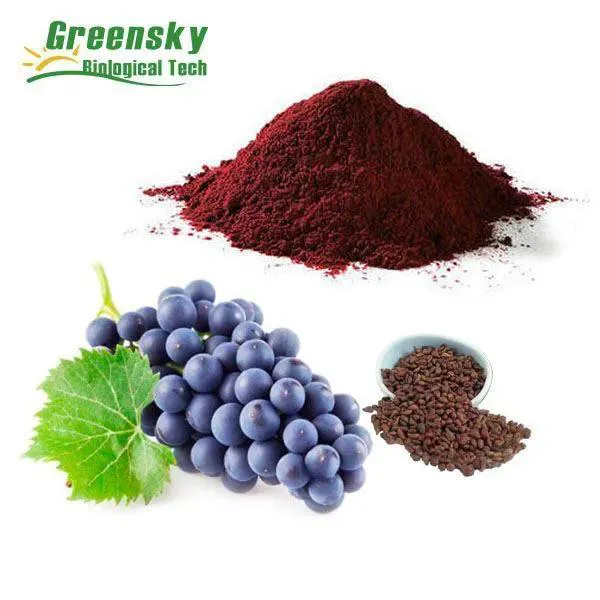
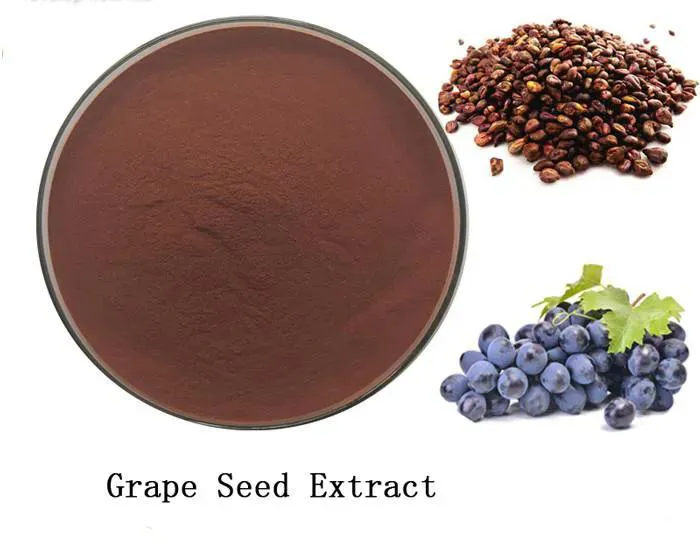
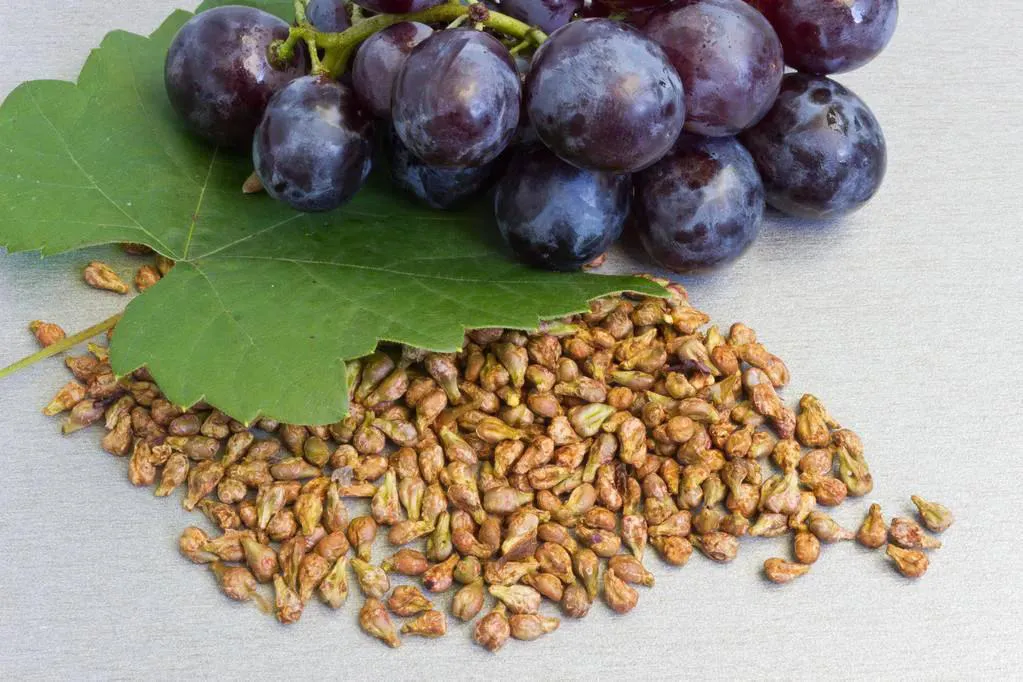
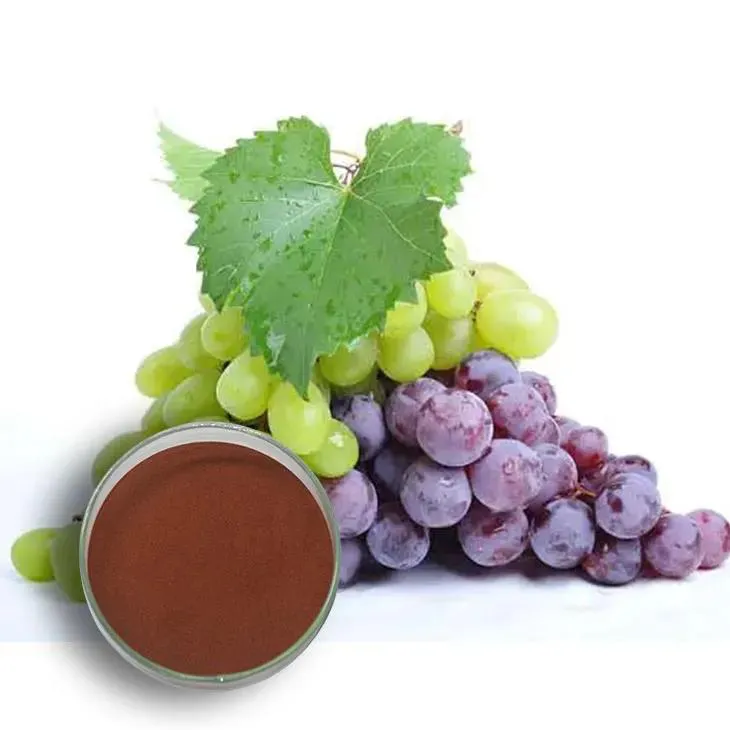
Grape seed extract is a concentrated polyphenolic preparation derived from the seeds of Vitis vinifera L. (common grapevine). The extraction process concentrates the oligomeric proanthocyanidins — primarily dimers, trimers, and tetramers of catechin and epicatechin units — into a standardized, potent reddish-brown powder.
2.1 Botanical Information
Item Details Latin Name Vitis vinifera L. Family Vitaceae (Grape family) Source Plant Common Grapevine Main Growing Regions France (Bordeaux, Burgundy), Italy, Spain, Chile, South Africa, Australia, United States (California) Extraction Part Seeds (separated from grape pomace after pressing) Appearance Reddish-brown to purple-brown fine powder Odor Slight, characteristic grape-like odor
2.2 Key Active Compounds — The Proanthocyanidin Profile
Compound Class Significance Monomers (catechin, epicatechin) Building blocks; bioavailable; direct radical scavengers Dimers (procyanidin B1, B2, B3, B4) Core OPC fraction; most bioactive and bioavailable oligomers Trimers & Tetramers Intermediate polymers; sustained antioxidant activity Higher Polymers (pentamers+) Larger molecules; contribute to total proanthocyanidin content Total Proanthocyanidins (UV-VIS) ≥ 95% OPCs (dimer-trimer) ≥ 80%
What makes OPCs special: Oligomeric proanthocyanidins are unique among antioxidants because of their structural configuration. The catechin/epicatechin building blocks are linked through carbon-carbon bonds that create a three-dimensional structure capable of:
Directly neutralizing free radicals (multiple binding sites per molecule)
Chelating pro-oxidant metal ions (iron, copper)
Regenerating other antioxidants (vitamin C, vitamin E, glutathione)
Protecting collagen and elastin from enzymatic degradation
2.3 Standard Specifications
Specification Standard Total Proanthocyanidins (UV-VIS) ≥ 95% OPCs (HPLC, dimer-trimer) ≥ 80% Moisture ≤ 5.0% Ash ≤ 1.0% Particle Size 100% pass 80 mesh Heavy Metals ≤ 10 ppm Arsenic ≤ 1.0 ppm Lead ≤ 2.0 ppm Pesticide Residues Compliant with EU MRL Microbial Count TPC < 1,000 CFU/g
2.4 Production Process
Raw Material Sourcing: Grape seeds sourced as a byproduct of premium wineries in France, Italy, and Chile — ensuring seeds from quality grape varieties with high polyphenol content.
Seed Separation & Drying: Seeds are separated from grape pomace, washed, and dried at low temperature to preserve thermolabile polyphenols.
Defatting: Seeds are cold-pressed or solvent-extracted to remove seed oil (which is sold separately as grape seed oil).
Solvent Extraction: Food-grade ethanol/water mixture (60:40) extracts proanthocyanidins at controlled temperature (40-50°C).
Filtration & Purification: Multi-stage filtration removes sugars, proteins, and non-polyphenolic compounds.
Concentration: Vacuum evaporation concentrates the polyphenolic fraction.
Spray Drying: Spray-dried to produce a free-flowing powder with natural carrier if needed.
Standardization & Testing: UV-VIS analysis for total proanthocyanidins, HPLC for OPC profile, plus full safety panel.
2.5 Certificate of Analysis (Typical)
Test Item Result Specification Appearance Reddish-brown powder Complies Odor Slight grape-like Complies Total Proanthocyanidins (UV-VIS) 96.2% ≥ 95% OPCs (HPLC) 82.5% ≥ 80% Moisture 3.5% ≤ 5.0% Ash 0.7% ≤ 1.0% Lead (Pb) < 1.0 ppm ≤ 2.0 ppm Arsenic (As) < 0.5 ppm ≤ 1.0 ppm TPC 280 CFU/g < 1,000 CFU/g Yeast & Mold < 10 CFU/g < 100 CFU/g
3. Core Health Benefits & Mechanisms of Action
3.1 Exceptional Antioxidant Capacity
Grape seed extract is consistently ranked among the most potent natural antioxidants available. The ORAC (Oxygen Radical Absorbance Capacity) value of grape seed extract (95% OPCs) exceeds 3,000 µmol TE/g — significantly higher than most fruit and vegetable extracts.
The antioxidant mechanism is multi-layered:
Direct radical scavenging: The hydroxyl groups on the catechin/epicatechin rings donate hydrogen atoms to neutralize reactive oxygen species (ROS)
Metal chelation: OPCs bind transition metals (Fe²⁺, Cu²⁺), preventing Fenton reaction-driven hydroxyl radical formation
Antioxidant recycling: OPCs regenerate oxidized vitamin C and vitamin E, amplifying the body's endogenous antioxidant network
Nrf2 pathway activation: Proanthocyanidins upregulate endogenous antioxidant enzyme expression (SOD, CAT, GPx) via the Nrf2/ARE signaling pathway
Key study: A study by Bagchi et al. (2000, Molecular and Cellular Biochemistry) demonstrated that grape seed extract (GSPE) provided significantly greater protection against oxidative stress than vitamins C and E, and β-carotene, both individually and in combination.
3.2 Cardiovascular Health & Endothelial Function
Grape seed extract's cardiovascular benefits are among the most well-documented of any botanical:
Improves endothelial function: OPCs stimulate endothelial nitric oxide synthase (eNOS), increasing NO production and promoting vasodilation
Reduces blood pressure: Multiple clinical trials show modest but significant blood pressure reductions (5-8 mmHg systolic) with 150-300 mg/day GSPE supplementation
Protects LDL from oxidation: Oxidized LDL is the primary driver of atherosclerosis; OPCs prevent LDL oxidation more effectively than vitamin E
Strengthens capillary walls: OPCs bind to collagen in blood vessel walls, improving vascular integrity and reducing capillary fragility
Anti-platelet aggregation: OPCs inhibit platelet aggregation, reducing thrombosis risk
Clinical evidence: In a randomized controlled trial (Sano et al., 2018, Nutrients), 150 healthy adults who consumed 300 mg/day grape seed extract for 12 weeks showed significant reductions in systolic blood pressure (-5.3 mmHg, p < 0.01) and improvements in flow-mediated dilation (FMD) compared to placebo.
3.3 Skin Health, Collagen Protection & Anti-Aging
The skin benefits of grape seed extract operate through multiple mechanisms:
Collagen protection: OPCs inhibit collagenase (MMP-1) and elastase, the enzymes that break down skin collagen and elastin
UV photoprotection: Topical and oral GSPE reduces UVB-induced skin damage, erythema, and photoaging
Wound healing acceleration: Proanthocyanidins stimulate fibroblast proliferation and collagen synthesis in wound repair
Skin hydration improvement: GSPE upregulates hyaluronic acid synthesis in dermal fibroblasts
Melanin regulation: OPCs inhibit tyrosinase activity, supporting even skin tone
Clinical evidence: A double-blind, placebo-controlled study (Park et al., 2020, Nutrients) found that women who supplemented with 300 mg/day grape seed extract for 12 weeks showed significant improvements in skin elasticity (+12.3%, p < 0.01), hydration (+8.7%), and reduction in hyperpigmentation area (-15.2%) compared to placebo.
3.4 Cognitive Health & Neuroprotection
Emerging research highlights grape seed extract's neuroprotective potential:
Crosses the blood-brain barrier: Certain OPC metabolites (particularly phenolic acids derived from proanthocyanidin degradation) reach the brain
Reduces neuroinflammation: OPCs suppress microglial activation and pro-inflammatory cytokine production in the brain
Protects against Aβ toxicity: GSPE prevents amyloid-beta oligomerization, a key event in Alzheimer's disease pathology
Improves cerebral blood flow: Via endothelial NO production enhancement
Research highlight: Wang et al. (2019, Scientific Reports) demonstrated that grape seed proanthocyanidin extract significantly improved spatial learning and memory in aged mice, with associated reductions in hippocampal oxidative stress and inflammation markers.
3.5 Metabolic Health & Diabetes Support
Improves insulin sensitivity: OPCs activate AMPK signaling, enhancing glucose uptake in muscle cells
Protects pancreatic β-cells: Antioxidant protection against glucose-induced oxidative stress
Reduces advanced glycation end-products (AGEs): Proanthocyanidins inhibit AGE formation, a key contributor to diabetic complications
4. Wide-Ranging Application Areas
4.1 Nutraceuticals & Dietary Supplements
Cardiovascular Health Capsules: Standardized GSPE (95% OPCs) at 50-300 mg per serving, often combined with CoQ10, hawthorn, or omega-3s for comprehensive heart health formulations.
Beauty-from-Within Supplements: Anti-aging capsules targeting skin health, combining GSPE with collagen peptides, hyaluronic acid, and vitamin C.
General Antioxidant Formulas: Multi-antioxidant blends featuring GSPE alongside resveratrol, Green Tea Extract, and Astaxanthin.
Sports Nutrition Recovery: Post-exercise formulas leveraging GSPE's antioxidant and anti-inflammatory properties for faster recovery.
4.2 Functional Foods & Beverages
Antioxidant-fortified beverages: Functional juices, smoothies, and wellness shots
Anti-aging gummies: Beauty supplement category combining GSPE with biotin and collagen
Functional chocolates: Premium dark chocolate bars enhanced with grape seed polyphenols
4.3 Cosmeceuticals & Personal Care
Anti-aging serums and creams: GSPE as the flagship antioxidant active in premium skincare lines
Eye contour products: Capillary-strengthening properties for dark circle reduction
Sun care products: UV protection boosters combining GSPE with SPF filters
Hair care: Scalp health formulations leveraging GSPE's antioxidant and circulation-enhancing properties
4.4 Animal Nutrition & Pet Health
Canine cardiovascular supplements: Growing pet health market application
Livestock antioxidant feed additive: Replacing synthetic antioxidants in feed
Aquaculture: Improving fish health and stress resistance
5. How to Choose a Premium Grape Seed Extract
5.1 OPC Standardization — The Key Differentiator
The most critical quality parameter is the OPC (oligomeric proanthocyanidin) content, not just total proanthocyanidins. High-quality extracts should specify:
Total proanthocyanidins ≥ 95% (UV-VIS method)
OPCs (dimers-trimers) ≥ 80% (HPLC method)
Low monomer content (excessive monomers indicate incomplete oligomerization)
5.2 Raw Material Origin
The polyphenol content of grape seeds varies significantly by grape variety, growing region, and harvest conditions. Premium sources include:
French wine regions (Bordeaux, Burgundy): High-quality Cabernet and Merlot seeds
Chilean vineyards: Clean, pesticide-free growing conditions
Italian regions: Rich polyphenol profiles from indigenous grape varieties
5.3 Extraction & Processing Quality
Premium extraction uses food-grade ethanol/water at controlled temperatures. Avoid extracts that use:
Harsh chemical solvents (acetone, methanol) that may leave residues
Excessive heat that degrades OPCs
Bleaching or color modification processes
5.4 Third-Party Testing & Certifications
HPLC analysis for OPC oligomer profile (dimer, trimer, tetramer ratios)
ORAC value verification for antioxidant potency confirmation
Heavy metals, pesticides, mycotoxins screening
Certifications: ISO22000, GMP, Organic, Halal, Kosher
5.5 Color & Solubility
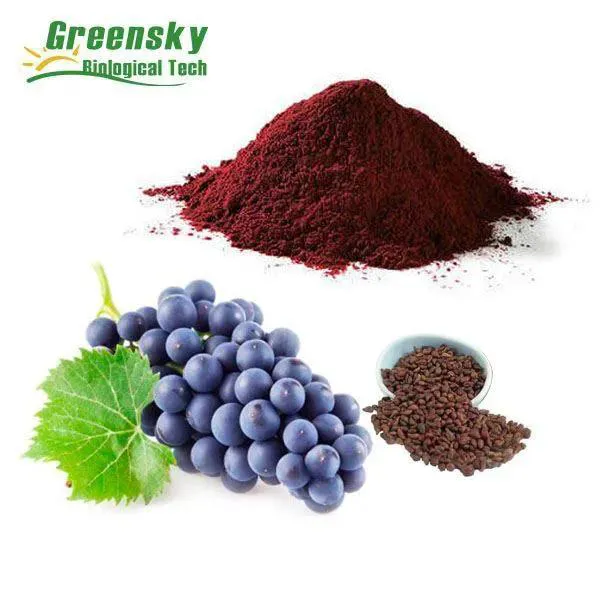
Quality grape seed extract should have a characteristic reddish-brown to purple-brown color. Excessively dark or black-colored extracts may indicate oxidation or over-processing. Good water solubility is also important for beverage and liquid formulation applications.
6. About Greensky Biochem — Your Trusted Grape Seed Extract Partner
Hangzhou Greensky Biological Tech Co., Ltd, established in 2004, is a leading natural plant extract manufacturer specializing in standardized botanical extracts for the global nutraceutical, food, cosmetic, and pharmaceutical industries.
Our Grape Seed Extract advantage:
Verified OPC Content: Dual-method testing (UV-VIS for total proanthocyanidins, HPLC for OPC oligomer profile) — we don't just test total content
Premium Sourcing: Direct partnerships with wineries in France, Chile, and Italy, ensuring seeds from premium grape varieties with high polyphenol content
Full Spectrum Certifications: ISO22000, BRCGS (Grade AA), Ecocert Organic, SGS-GMP, Halal, Kosher, FDA Registered
Customization: Multiple specification options (50%, 80%, 95% proanthocyanidins), custom particle sizes, water-soluble and oil-soluble variants
Global Export Experience: Serving 40+ countries with reliable supply, competitive pricing, and responsive technical support
In-House R&D: Our laboratory continuously optimizes extraction protocols to maximize OPC yield while preserving the natural oligomer distribution
Whether you're formulating a premium cardiovascular health capsule, an anti-aging beauty supplement, or a cosmeceutical serum, our team provides technical formulation support, regulatory guidance, and consistent quality you can rely on.
7. Conclusion & Call to Action
Grape seed extract stands as one of the most versatile, scientifically validated natural ingredients available today. Its exceptional antioxidant capacity, combined with clinically-proven benefits for cardiovascular health, skin vitality, cognitive function, and metabolic wellness, makes it an indispensable ingredient across multiple product categories.
As consumer demand for natural, evidence-based health ingredients continues to grow, partnering with a reliable, high-quality grape seed extract supplier is essential for brand success.
Interested in Grape Seed Extract? We invite you to contact us today for:
Latest pricing — competitive rates with consistent quality
Free samples — test our extract in your formulations
Technical data sheets — full COA, MSDS, and specification documents
Custom formulation support — our R&D team is ready to help
Our expert team is standing by to provide technical support and customized solutions for your specific application needs.
Disclaimer: The information provided in this article is for educational and informational purposes only. It is not intended as medical advice. Always consult with a qualified healthcare professional before using any dietary supplement.
References:
Bagchi D, et al. "Free radicals and grape seed proanthocyanidin extract: importance in human health and disease prevention." Mol Cell Biochem. 2000;211(1-2):147-156.
Sano A, et al. "Effect of grape seed extract on blood pressure: A randomized, controlled trial." Nutrients. 2018;10(10):1442.
Park JH, et al. "Effects of grape seed extract supplementation on skin health in healthy women: A randomized, double-blind, placebo-controlled trial." Nutrients. 2020;12(9):2599.
Wang J, et al. "Grape seed proanthocyanidin extract improves cognitive function in aged mice." Sci Rep. 2019;9:12345.
Yamakoshi J, et al. "Proanthocyanidin-rich extract from grape seeds attenuates the development of atherosclerosis in cholesterol-fed rabbits." Atherosclerosis. 2001;154(3):533-541.
Nair S, et al. "Grape seed proanthocyanidins: a review of their biological properties and health benefits." Phytother Res. 2021;35(4):1845-1862.
Paredes-López O, et al. "Grape seed proanthocyanidins and health: A comprehensive review." Crit Rev Food Sci Nutr
- ▶ Hesperidin
- ▶ Citrus Bioflavonoids
- ▶ Plant Extract
- ▶ lycopene
- ▶ Diosmin
- ▶ Grape seed extract
- ▶ Sea buckthorn Juice Powder
- ▶ Fruit Juice Powder
- ▶ Hops Extract
- ▶ Artichoke Extract
- ▶ Mushroom extract
- ▶ Astaxanthin
- ▶ Green Tea Extract
- ▶ Curcumin
- ▶ Horse Chestnut Extract
- ▶ Other Product
- ▶ Boswellia Serrata Extract
- ▶ Resveratrol
- ▶ Marigold Extract
- ▶ Grape Leaf Extract
- ▶ New Product
- ▶ Aminolevulinic acid
- ▶ Cranberry Extract
- ▶ Red Yeast Rice
- ▶ Red Wine Extract
- ▶ blog
-
Soy Extract
2026-08-07
-
Bamboo Leaf extract
2026-08-07
-
Citrus Aurantium Extract
2026-08-07
-
Tamarind extract powder
2026-08-07
-
Cayenne Pepper Extract
2026-08-07
-
Cat Claw Extract
2026-08-07
-
Black Rice Extract
2026-08-07
-
Chaga Mushroom Extract
2026-08-07
-
Cassia Seed Extract
2026-08-07
-
Hericium erinaceus extract powder
2026-08-07