- 0086-571-85302990
- [email protected]






Dioscorea Villosa Extract
2026-03-16
Dioscorea Villosa Extract
1.Introduction
For centuries, wild yam has been a trusted remedy in traditional herbalism, particularly by Native American and eclectic medicine practitioners who used it to soothe everything from menstrual cramps to morning sickness and colic. Fast forward to today, and modern science is taking a hard look at this humble root. The focus of this attention? Dioscorea Villosa Extract, a botanical powerhouse prized not just for its historical use, but for its complex phytochemical profile and its role as a foundational ingredient in pharmaceuticals, nutraceuticals, and clean-beauty cosmetics.
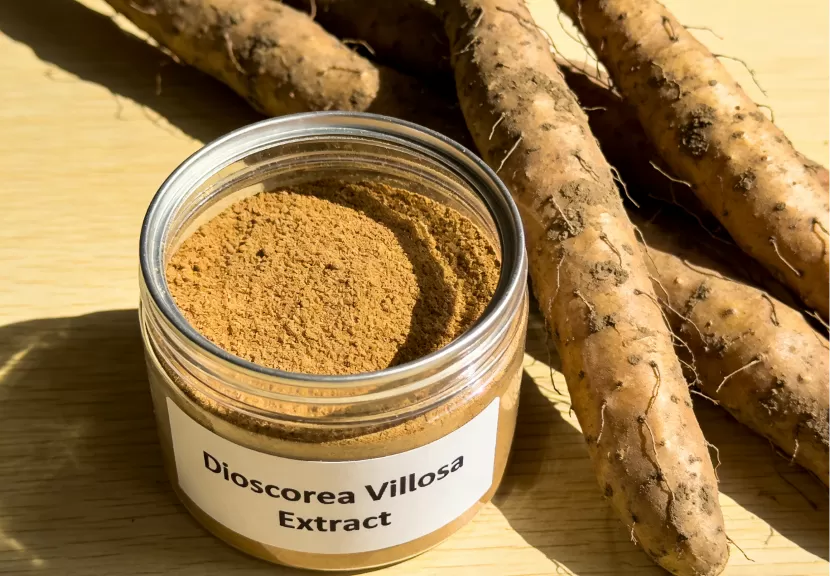
2. What is Dioscorea Villosa (Wild Yam) Extract?
Let’s start with the basics. If you are sourcing ingredients, you need to know exactly what you are buying.
l Plant Profile: Dioscorea villosa, commonly known as wild yam, colic root, or rheumatism root, is a perennial vine native to North America (from Connecticut to Minnesota and down to Texas and Florida) . It’s important to distinguish it from the sweet potato (Ipomoea batatas) or the common yam found in grocery stores; this is a different species altogether, valued for its rhizomes, not its nutrition.
l Part Used: The primary part used is the rhizome (the underground stem) .
l Active Constituents: This is where the science gets interesting. The extract contains a complex mixture of bioactive compounds including:
l Steroidal Saponins: This is the star compound group, primarily diosgenin (a precursor for steroid synthesis) and dioscin .
l Other Constituents: It also contains alkaloids, tannins, phytosterols (like beta-sitosterol), and starch .
l Standard Specifications: As a supplier, we offer standardized extracts to ensure consistency. Our most common specifications are:
l Diosgenin 6%, 16%, 98% (HPLC)
l Ratio extracts (e.g., 4:1, 10:1)
l In-depth Analysis & Testing: We don’t just guess the potency. Utilizing advanced analytical methods like UHPLC-ELSD (Ultra-High-Performance Liquid Chromatography with Evaporative Light Scattering Detection), we can create a chemical fingerprint of the extract, accurately quantifying the steroidal saponins and diosgenin content . This guarantees that every batch meets the labeled specification and is free from adulteration.
3. Core Benefits and Mechanisms of Action
Why should a formulator or manufacturer care about this extract? Because the science supports a range of specific biological activities.
l Hormonal Balance Support (The Mechanism): This is the most well-known use, but it is often misunderstood. The extract contains diosgenin, a steroidal saponin. While diosgenin is chemically similar to progesterone and is used industrially to synthesize hormones, the human body cannot convert diosgenin into progesterone on its own . However, research suggests that diosgenin may modulate hormonal activity by binding to receptors or influencing enzyme pathways, which may explain its traditional use for menstrual discomfort and menopausal symptoms, though more research is needed .
l Anti-Inflammatory & Antispasmodic Effects: Traditionally used for "rheumatism" and colic, these effects are likely due to the saponins and phytosterols inhibiting pro-inflammatory enzymes and COX-2 pathways. A 2021 study found that sub-lethal concentrations of wild Yam Extract evoked a "pro-inflammatory" cytokine release (like TNF signaling) in cancer cells, suggesting a complex, dose-dependent interaction with the immune system .
l Antioxidant Properties: A clinical trial noted that an extract of wild yam demonstrated antioxidant properties and was even found to raise HDL ("good") cholesterol in elderly adults .
l Potential Anti-Cancer Research: This is a cutting-edge area of study. Recent research published in Cancer Genomics & Proteomics investigated the effect of Wild Yam Extract on triple-negative breast cancer cells. The study found that at specific concentrations, the extract caused significant changes in gene expression. It down-regulated genes related to cell division (cyclins, CDKs) essentially putting the brakes on cancer cell proliferation, while up-regulating genes involved in immune stimulation . While this is early-stage in vitro research, it opens the door for future therapeutic applications.
4. Widespread Applications Across Industries
The versatility of Dioscorea Villosa Extract makes it a valuable commodity across multiple sectors.
l Dietary Supplements & Herbal Medicine:
l Formats: Encapsulated powders, tablets, and liquid tinctures.
l Targets: Women's health formulas (for PMS and menstrual cramp relief), joint health supplements (as an anti-inflammatory), and digestive health aids .
l Cosmetics & Personal Care:
l Function: Functions as an anti-aging, anti-inflammatory, antioxidant, and moisturizing agent .
l Applications: Ideal for anti-wrinkle creams (stimulating collagen synthesis), soothing lotions for irritated or eczema-prone skin, and natural moisturizers . It is also a key ingredient in "natural" topical creams marketed for hormonal balance .
l Pharmaceutical Industry:
l Primary Use: Diosgenin extracted from Dioscorea villosa is a crucial starting material for the semi-synthesis of steroid hormones like progesterone and cortisone in the lab .
l Functional Foods & Beverages:
l Emerging as an ingredient in herbal teas, wellness shots, and functional bars aimed at holistic health and hormone support .
5. How to Identify High-Quality Dioscorea Villosa Extract
Not all extracts are created equal. As a buyer, here is what you need to look for to ensure safety and efficacy.
1. Verified Phytochemical Profile: A high-quality extract should have a consistent chemical profile. Crucially, look for extracts with a controlled and limited diosgenin content (like our 16% or 98% specs). The CIR Expert Panel’s safety assessment concluded that extracts with diosgenin levels up to 3.5% did not show estrogenic activity, highlighting the importance of controlled processing .
2. Clean Extraction Process: The safest extracts are produced using methods that avoid toxic residual solvents. CO2 extraction or food-grade ethanol extraction are the gold standards for preserving the integrity of the compounds and ensuring consumer safety .
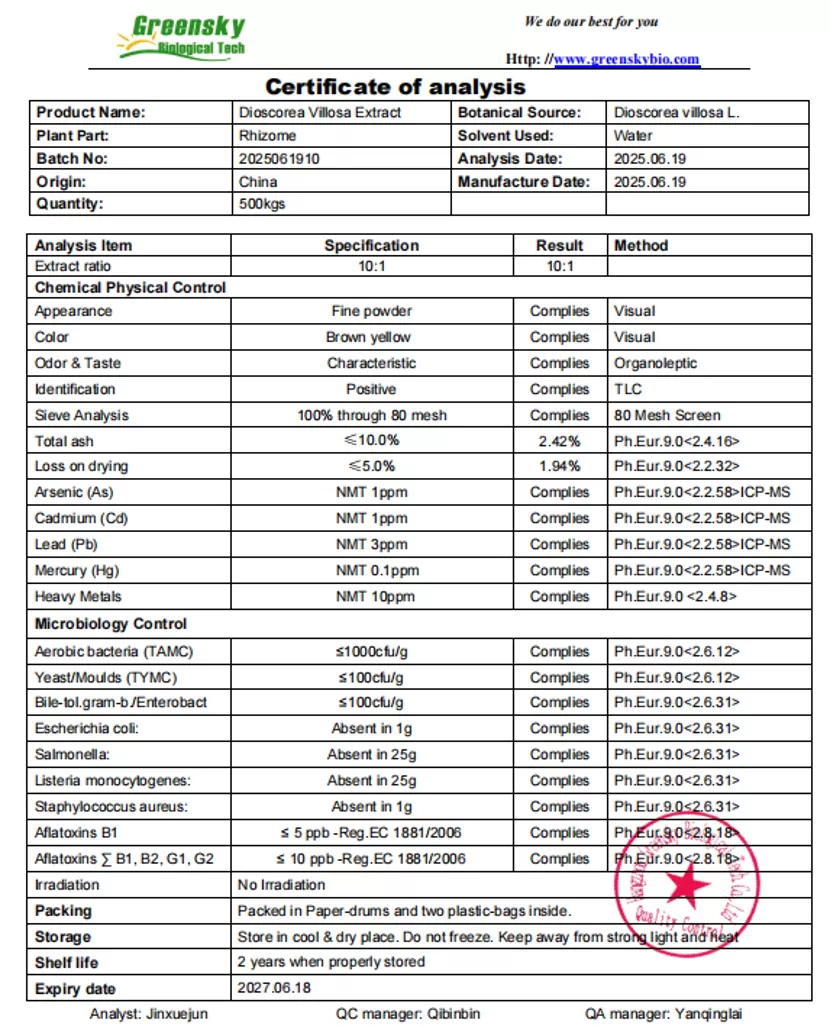
3. Rigorous Third-Party Testing: Always demand a Certificate of Analysis. This must verify:
l Potency: Confirms the percentage of diosgenin or saponins via HPLC.
l Purity: Tests for heavy metals (lead, arsenic, mercury), pesticides, and microbial contaminants. The safety panel recommends pesticide residues not exceed 40 ppm total .
l Safety: Ensure the extract has been tested for dermal irritation and genotoxicity, especially for cosmetic applications .
6. Why Partner With Us?
As a dedicated supplier of botanical extracts, we bridge the gap between traditional herbalism and modern pharmaceutical standards. We don’t just sell powder; we provide a reliable, high-purity active ingredient you can build your products around.
l Guaranteed Potency: Our Dioscorea Villosa Extract is rigorously standardized to your desired diosgenin level (6% to 98%), verified by HPLC testing in our in-house lab.
l Safety & Traceability: Our production process ensures a chemical profile that aligns with safety assessments. We strictly control raw material sourcing and conduct comprehensive testing for pesticides and heavy metals, giving you complete peace of mind .
l Customization: Need a specific mesh size, a unique blend, or a water-soluble format? Our R&D team is equipped to develop custom solutions for your specific formulation needs.
l Stability & Supply: With decades of industry experience, we guarantee a stable supply chain, from sustainable harvest to your doorstep, whether you need 1kg or 1000kg.
7. Conclusion & Call to Action
Dioscorea Villosa Extract is far more than a simple herb; it is a scientifically validated ingredient with applications ranging from high-potency pharmaceuticals to gentle, effective skincare. Its starring compound, diosgenin, continues to be a subject of intense research, promising even more therapeutic potential in the future.
Ready to incorporate this versatile extract into your product line?
Don’t settle for inconsistent quality.
[CONTACT US TODAY] for a free sample of our 98% Diosgenin extract and a detailed, batch-specific Certificate of Analysis. Let our expert team help you find the perfect specification for your project.
References
1. Cosmetic Ingredient Review Expert Panel. (2004). Final report of the amended safety assessment of Dioscorea Villosa (Wild Yam) root extract. International Journal of Toxicology, 23 Suppl 2, 49–54. [PubMed ID: 15513824]
2. Metagenics UK. (n.d.). Wild Yam Health Notes. Retrieved from Metagenics UK
3. Bio-Botanica, Inc. (n.d.). Wild Yam Root In Butylene Glycol Product Page. Knowde.
4. Avula, B., Wang, Y. H., Ali, Z., Smillie, T. J., & Khan, I. A. (2014). Chemical fingerprint analysis and quantitative determination of steroidal compounds from Dioscorea villosa, Dioscorea species and dietary supplements using UHPLC-ELSD. Biomedical Chromatography, 28(2), 281–294.
5. Einbond, L. S., et al. (2021). Effects of Wild Yam Root (Dioscorea villosa) Extract on the Gene Expression Profile of Triple-negative Breast Cancer Cells. Cancer Genomics & Proteomics, 18(6), 735–755. [PMCID: PMC8569819]
6. Shaanxi Bolin Biotechnology Co., Ltd. (n.d.). Wild Yam Root Extract Product Page.
TEST REPORT
- ▶ Hesperidin
- ▶ Citrus Bioflavonoids
- ▶ Plant Extract
- ▶ lycopene
- ▶ Diosmin
- ▶ Grape seed extract
- ▶ Sea buckthorn Juice Powder
- ▶ Fruit Juice Powder
- ▶ Hops Extract
- ▶ Artichoke Extract
- ▶ Mushroom extract
- ▶ Astaxanthin
- ▶ Green Tea Extract
- ▶ Curcumin
- ▶ Horse Chestnut Extract
- ▶ Other Product
- ▶ Boswellia Serrata Extract
- ▶ Resveratrol
- ▶ Marigold Extract
- ▶ Grape Leaf Extract
- ▶ New Product
- ▶ Aminolevulinic acid
- ▶ Cranberry Extract
- ▶ Red Yeast Rice
- ▶ Red Wine Extract
- ▶ blog
-
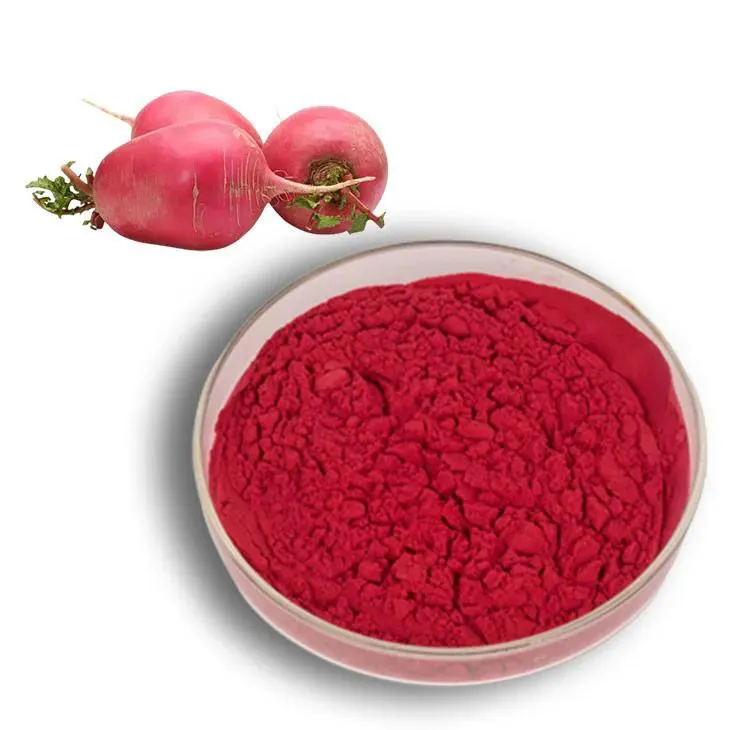
Beetroot juice Powder
2026-03-16
-
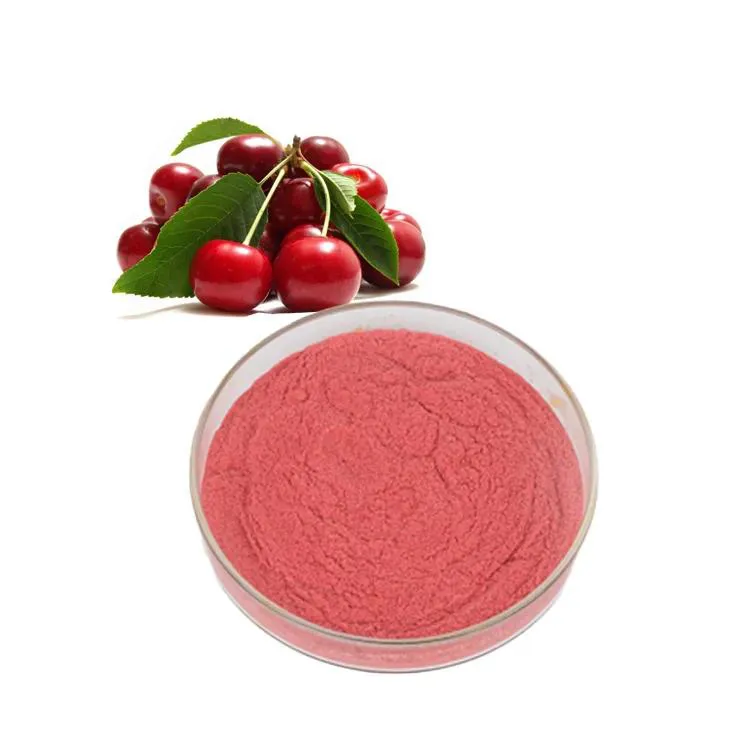
Acerola Juice Powder
2026-03-16
-
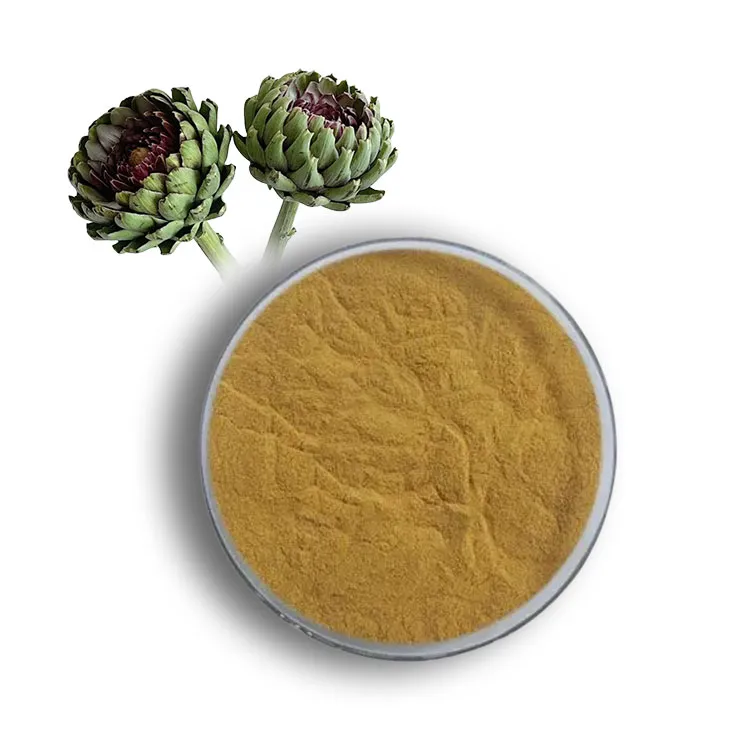
Artichoke Leaf Extract
2026-03-16
-
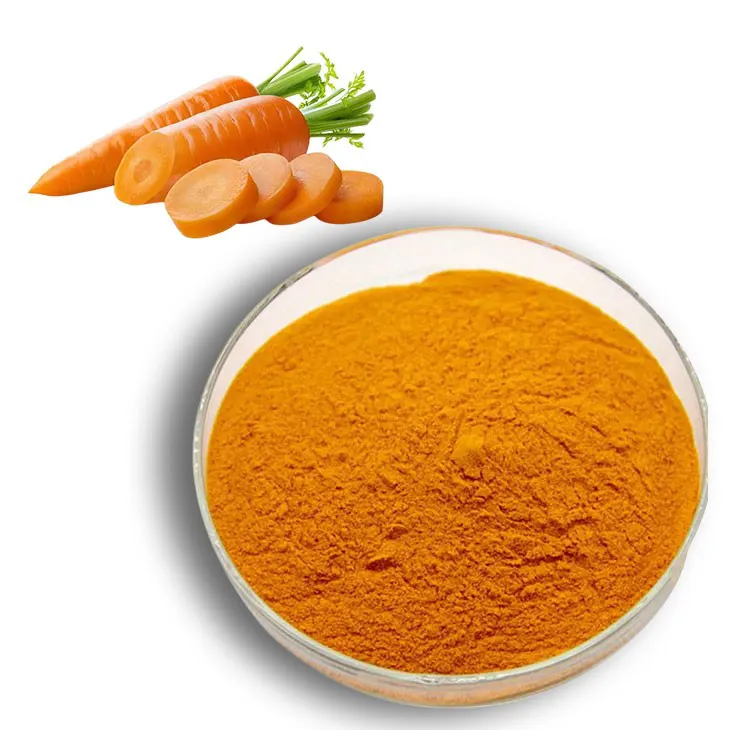
Beta Carotene
2026-03-16
-
Lemon Juice Powder
2026-03-16
-
Mulberry leaf Extract
2026-03-16
-
Konjac Powder
2026-03-16
-
Cranberry Extract
2026-03-16
-
Rosemary extract
2026-03-16
-
Lavender Extract
2026-03-16
