- 0086-571-85302990
- [email protected]





Echinacea Purpurea Extract
2026-01-26
Echinacea Purpurea Extract
1. Introduction
For centuries, Native Americans have revered the vibrant purple coneflower for its healing properties. Today, modern science has turned its focus to this remarkable plant, revealing that its core active component—Echinacea purpurea extract—holds significant potential, particularly in the realm of immune support and overall wellness.
2. Part 1:What is Echinacea Purpurea Extract?
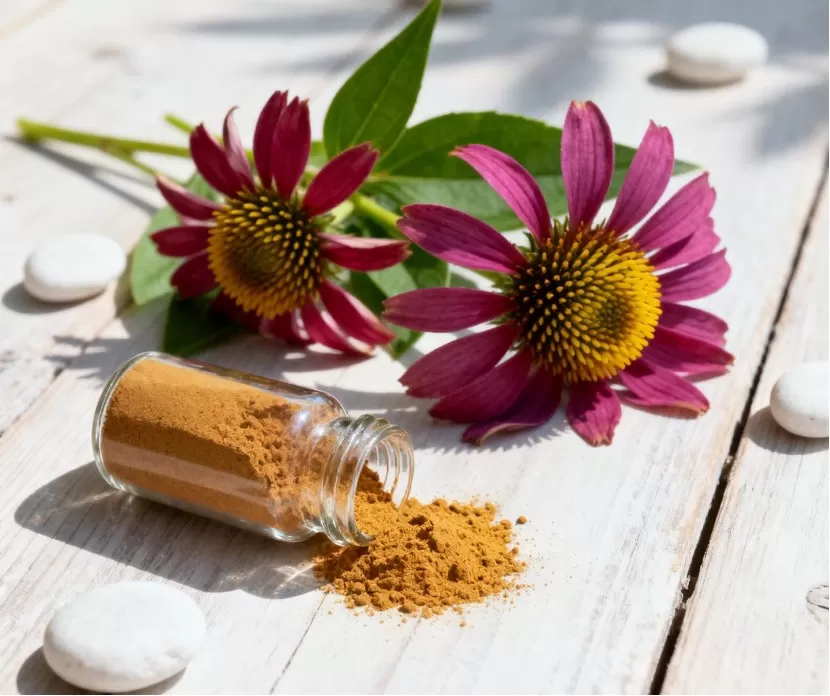
1. Botanical Profile: Echinacea purpurea, also commonly known as the purple coneflower, is a flowering plant native to North America. It is the most widely studied and utilized species within the Echinacea genus.
2. Part Used: While different parts are used, the aerial parts (flowers, leaves, and stems) and the roots are most commonly extracted. Each part offers a slightly different phytochemical profile.
3. Key Active Compounds: The efficacy of Echinacea is linked to a synergistic blend of compounds:
4. Alkylamides: The primary lipophilic compounds responsible for the characteristic tingling sensation and a key driver of immune-modulating activity.
5. Phenolic Compounds (Cichoric Acid, Echinacoside): Major antioxidants that contribute to its free-radical scavenging power.
6. Polysaccharides: Known for their immune-stimulating effects.
7. Our Standard Specifications: We offer a range of standardized extracts to meet diverse formulation needs, including:
8. Echinacea Purpurea Extract (Aerial Parts) – 4% Alkylamides
9. Echinacea Purpurea Extract (Root) – 4% Phenolic Compounds
10. Custom ratios upon request.
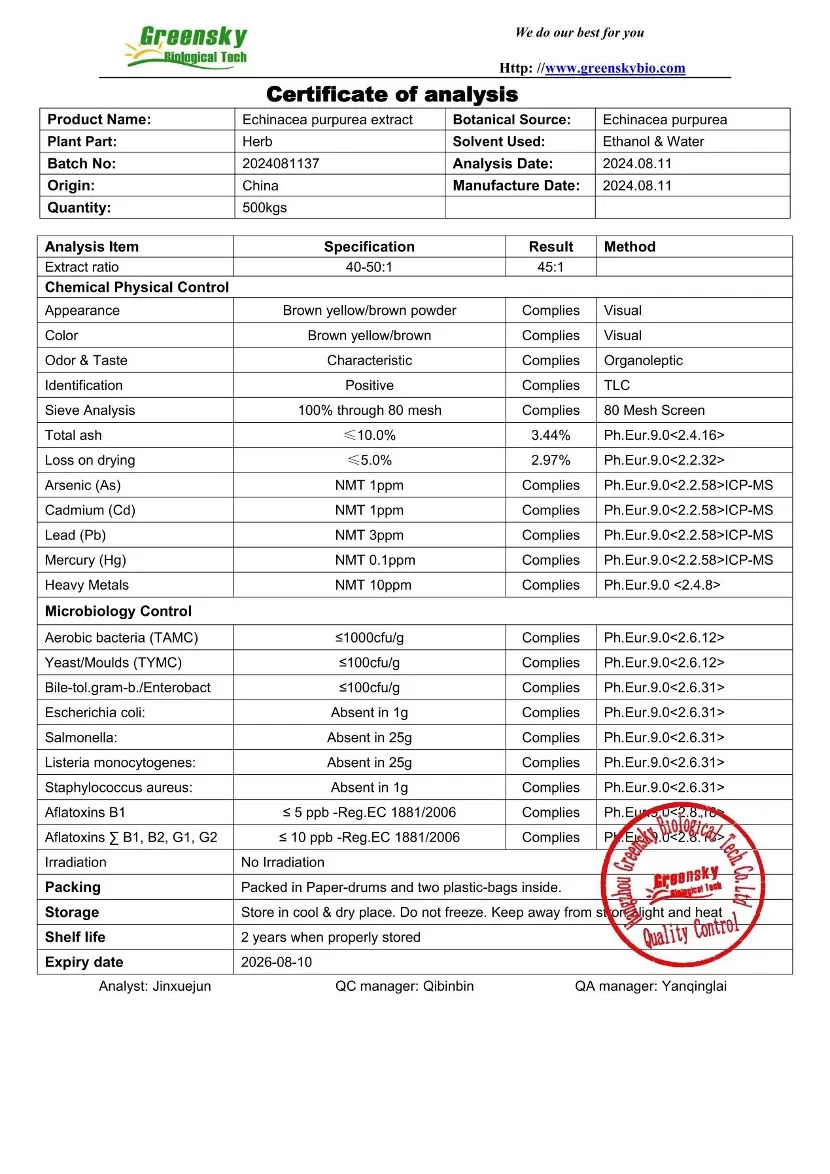
11. Our Certificate of Analysis (CoA): Every batch is rigorously tested. Our comprehensive CoA provides verified data on potency (active markers), heavy metals, pesticides, microbial limits, and more, ensuring safety, consistency, and transparency.
3. Part 2:Core Benefits & Mechanisms of Action
12. Immune System Modulation: Echinacea is best known for its role in supporting the body's natural defenses. Research indicates it can stimulate the activity of immune cells like macrophages and natural killer (NK) cells, helping the body respond more effectively to challenges (Percival, 2000). Alkylamides are believed to play a central role in this immunomodulatory effect.
13. Powerful Antioxidant Activity: The rich phenolic content, especially cichoric acid, makes it an effective antioxidant. It helps neutralize harmful free radicals, protecting cells from oxidative stress which is linked to aging and various chronic conditions (Barnes et al., 2005).
14. Anti-Inflammatory Support: Studies suggest that Echinacea Extracts can help moderate the body's inflammatory response by influencing the production of certain cytokines and enzymes like COX-2, supporting overall comfort and recovery (Benson et al., 2010).
4. Part 3:Wide-Ranging Applications
1. Dietary Supplements & Nutraceuticals: The leading application. Used in capsules, tablets, and tinctures designed for immune support, seasonal wellness, and shortening the duration of common cold symptoms.
2. Functional Foods & Beverages: Incorporated into immune-boosting shots, herbal teas, syrups, and wellness gummies, meeting consumer demand for preventative health ingredients in everyday products.
3. Cosmetics & Personal Care: Valued for its antioxidant and anti-inflammatory properties, it is used in serums, creams, and lotions aimed at calming irritated skin, reducing redness, and providing anti-aging benefits.
4. Animal Nutrition (Pet Health): Increasingly used in premium pet supplements and feeds to support the immune health of companion animals.
5. Part 4:Key to Choosing a High-Quality Extract
Not all Echinacea Extracts are created equal. Here’s what to look for:
1. Standardization: Ensure the extract is standardized to key active markers (e.g., Alkylamides, Cichoric Acid). This guarantees consistent biological activity.
2. Extraction Method: Advanced methods like CO2 supercritical extraction or ethanol/water extraction preserve the delicate balance of lipophilic (alkylamides) and hydrophilic (polysaccharides, phenolics) compounds.
3. Third-Party Testing & Transparency: Always request a CoA from an independent lab. Trustworthy suppliers provide full disclosure on potency and contaminants.
4. Supplier Expertise: Partner with a supplier who understands the botany, chemistry, and applications of Echinacea, and can provide technical support.
6. Part 5:About Us — Your Trusted Partner
At Greensky, we specialize in premium botanical extracts with a deep commitment to science and sustainability. Our Echinacea Purpurea Extract is a testament to our philosophy:
1. Vertically Integrated Quality: From selecting cultivated, sustainable sources to final extraction, we control every step for purity and potency.
2. Science-Backed: Our products are developed with an understanding of the latest research, like the studies cited above.
3. Customization & Support: We offer tailored specifications and work closely with you to develop solutions for your specific application, whether in supplements, cosmetics, or functional foods.
7. Conclusion & Call to Action
Echinacea Purpurea Extract remains a cornerstone of natural health, backed by a rich history and growing scientific validation. Its multifaceted benefits for immune function, antioxidant defense, and inflammation management make it an invaluable ingredient across numerous industries.
Ready to explore how high-quality Echinacea Purpurea Extract can enhance your product line?
Contact us today to request a complimentary sample, our latest specifications sheet, and a competitive quote. Our technical team is here to support your project from concept to market.
References
1. Percival, S. S. (2000). Use of echinacea in medicine. Biochemical Pharmacology, 60(2), 155-158. (This review discusses the immune-modulating mechanisms of Echinacea).
2. Barnes, J., Anderson, L. A., Gibbons, S., & Phillipson, J. D. (2005). Echinacea species (Echinacea angustifolia (DC.) Hell., Echinacea pallida (Nutt.) Nutt., Echinacea purpurea (L.) Moench): a review of their chemistry, pharmacology and clinical properties. Journal of Pharmacy and Pharmacology, 57(8), 929-954. (A comprehensive review covering chemistry, pharmacology, and antioxidant activities).
3. Benson, J. M., Pokorny, A. J., Rhule, A., Wenner, C. A., Kandhi, V., Cech, N. B., & Shepherd, D. M. (2010). Echinacea purpurea extracts modulate murine dendritic cell fate and function. Food and Chemical Toxicology, 48(5), 1170-1177. (A study demonstrating the anti-inflammatory and immunomodulatory effects on specific immune cells).
TEST REPORT
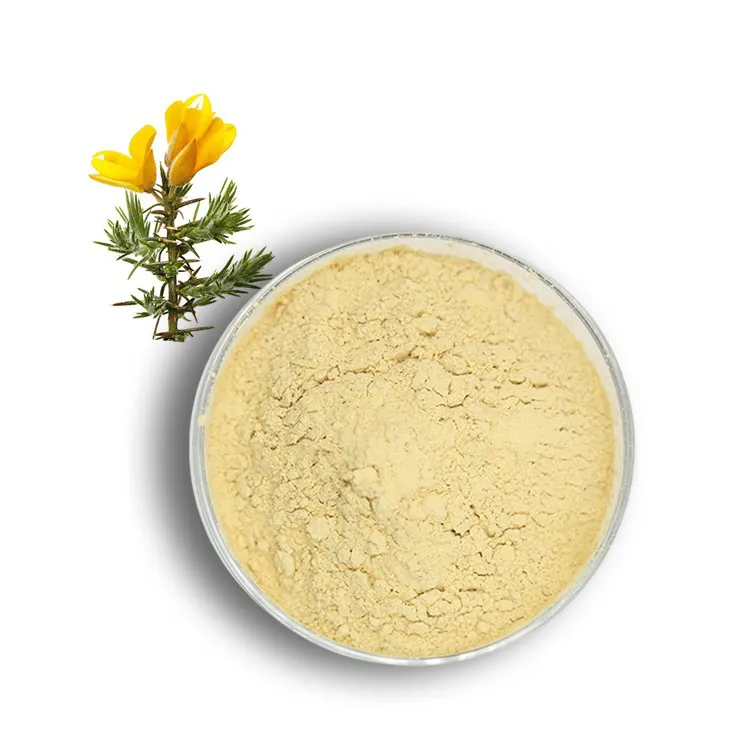
- ▶ Hesperidin
- ▶ Citrus Bioflavonoids
- ▶ Plant Extract
- ▶ lycopene
- ▶ Diosmin
- ▶ Grape seed extract
- ▶ Sea buckthorn Juice Powder
- ▶ Fruit Juice Powder
- ▶ Hops Extract
- ▶ Artichoke Extract
- ▶ Mushroom extract
- ▶ Astaxanthin
- ▶ Green Tea Extract
- ▶ Curcumin
- ▶ Horse Chestnut Extract
- ▶ Other Product
- ▶ Boswellia Serrata Extract
- ▶ Resveratrol
- ▶ Marigold Extract
- ▶ Grape Leaf Extract
- ▶ New Product
- ▶ Aminolevulinic acid
- ▶ Cranberry Extract
- ▶ Red Yeast Rice
- ▶ Red Wine Extract
- ▶ blog
-
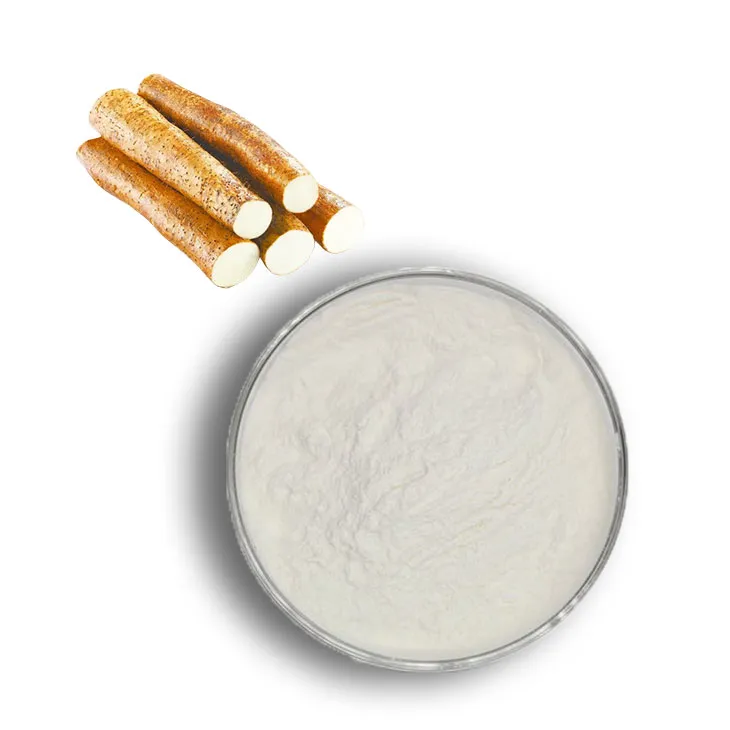
Yam Extract
2026-01-26
-
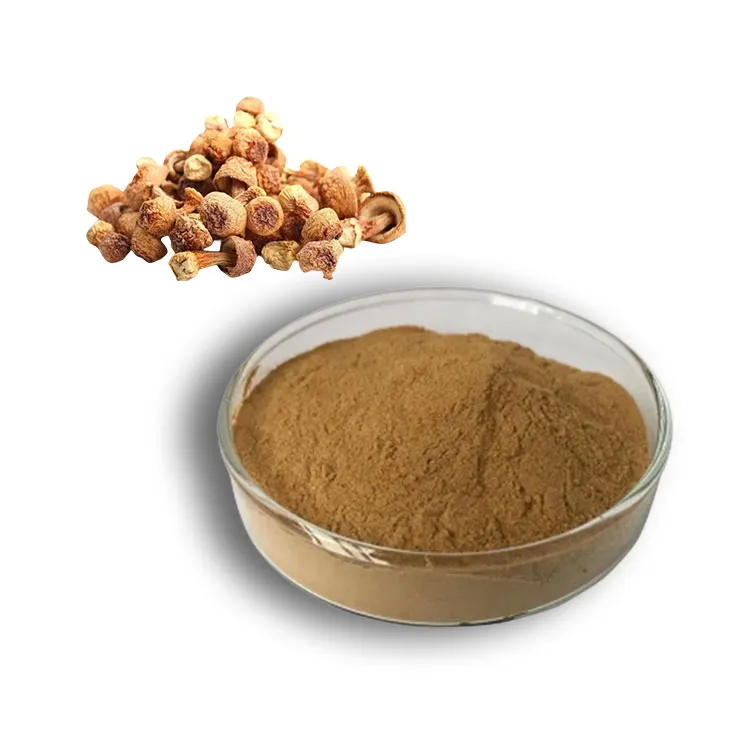
Agaricus Blazei Extract
2026-01-26
-
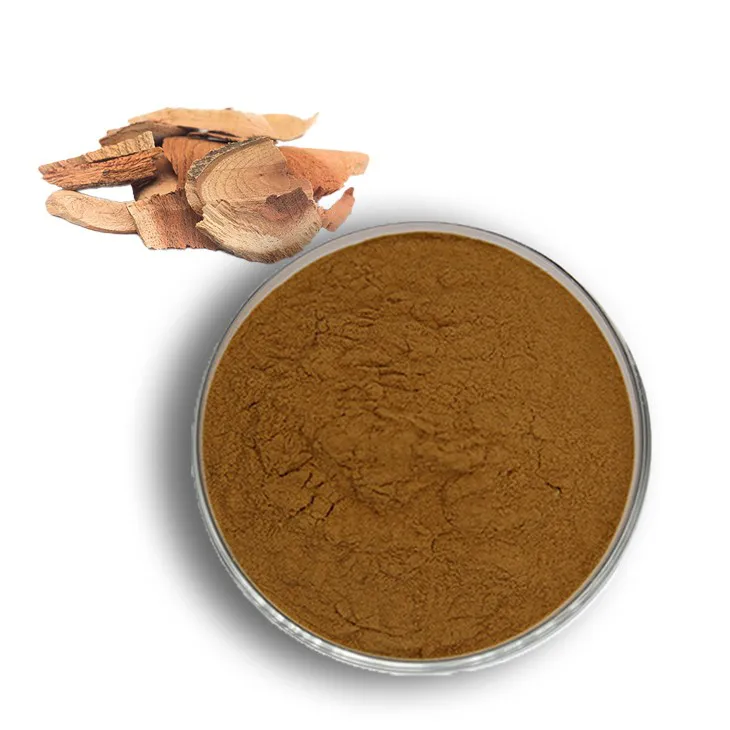
Thunder God Vine Extract
2026-01-26
-
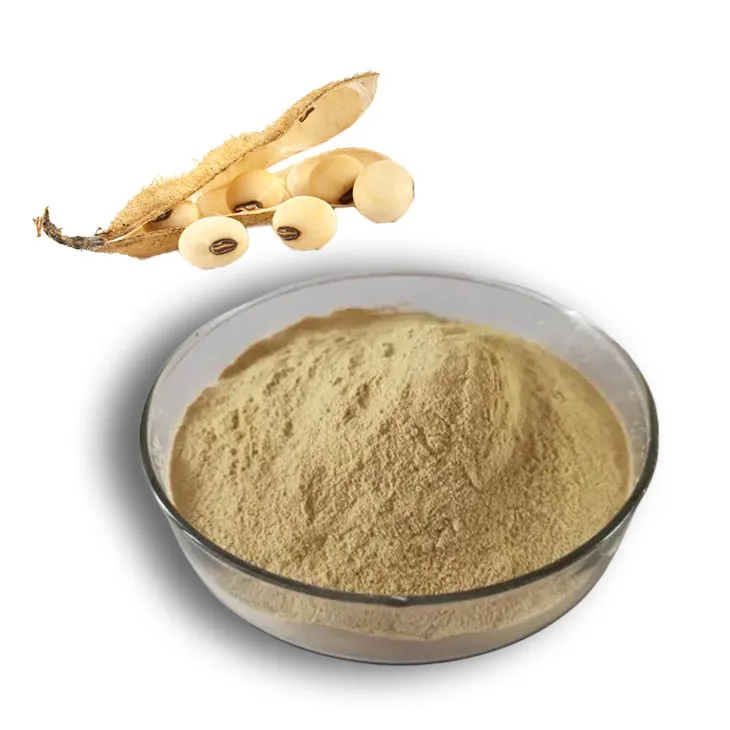
Soy Extract
2026-01-26
-
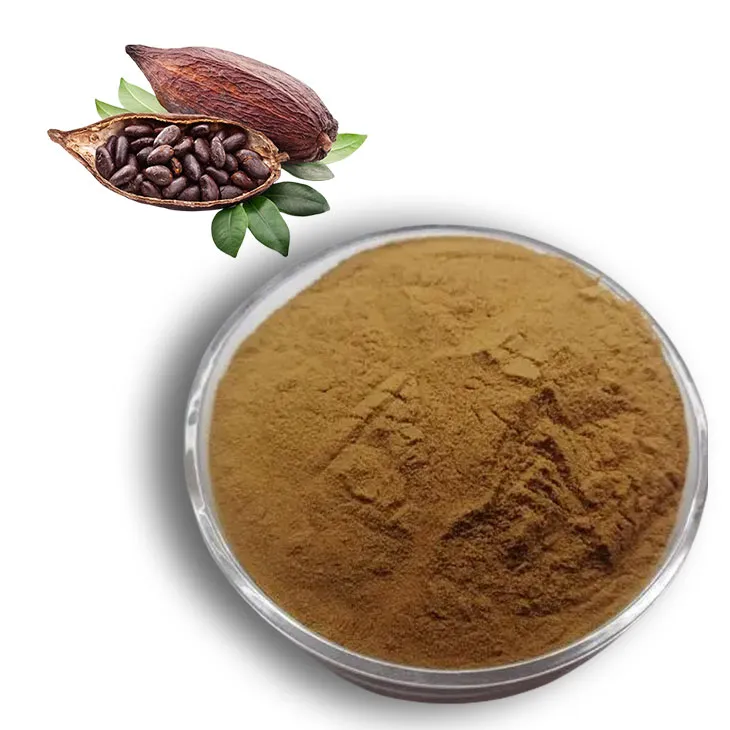
Cocoa Extract
2026-01-26
-
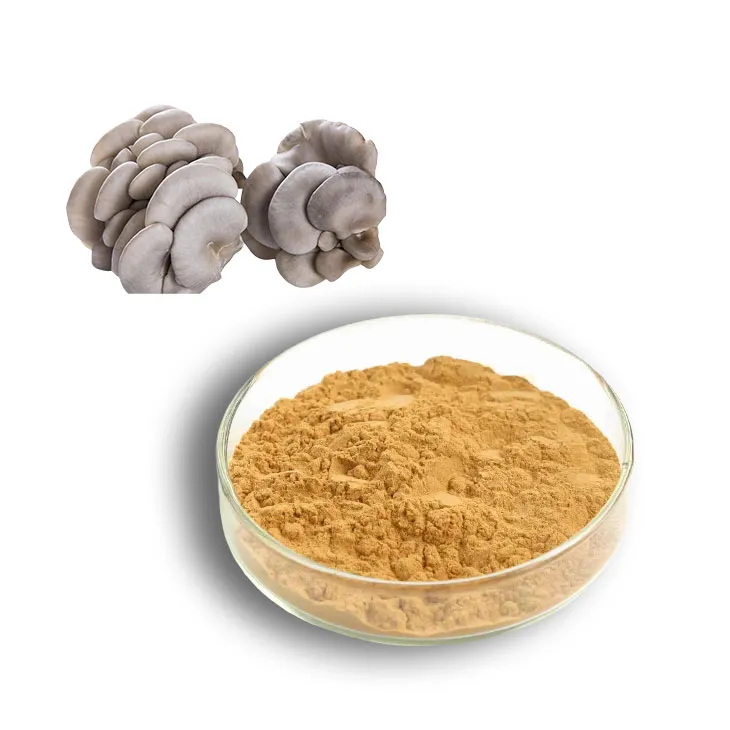
Oyster Mushroom Extract Powder
2026-01-26
-
Lion's Mane Mushroom Extract
2026-01-26
-
Horse Chestnut Extract
2026-01-26
-
Quercetin
2026-01-26
-
Honeysuckle Pollen
2026-01-26