- 0086-571-85302990
- [email protected]




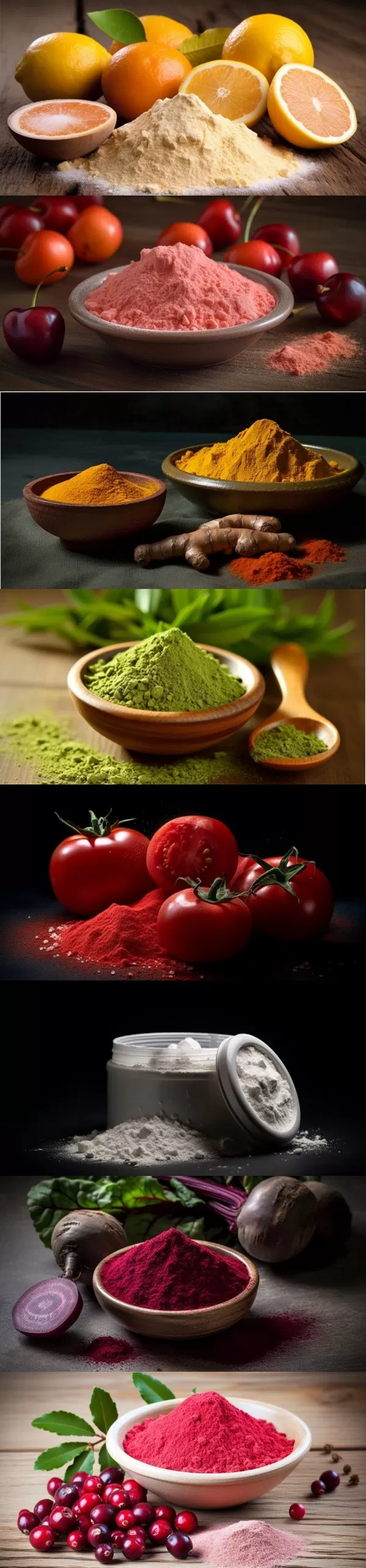

Diosmin: Complete Guide to Venous Health, Circulatory Support & Hesperidin Synergy (2026)
2026-11-23
Table of Contents
What Is Diosmin and Why Is It the Gold Standard for Venous Health?
Natural Sources: Citrus Bioflavonoids and the Diosmin-Hesperidin Relationship
Clinical Evidence for Chronic Venous Insufficiency and Varicose Veins
Hemorrhoid Treatment: Acute Episodes and Maintenance Therapy
Mechanisms of Action: Venotonic, Vasoprotective, and Anti-Inflammatory
Lymphatic Health and Edema Management
Quality Standards, Particle Size, and Micronized Diosmin
How to Source Premium Diosmin: A Buyer's Guide
Applications in Supplements, Pharmaceuticals, and Topical Formulations
Safety, Dosage, and Regulatory Compliance
Why Choose Greensky Bio as Your Diosmin Supplier
1. What Is Diosmin and Why Is It the Gold Standard for Venous Health?
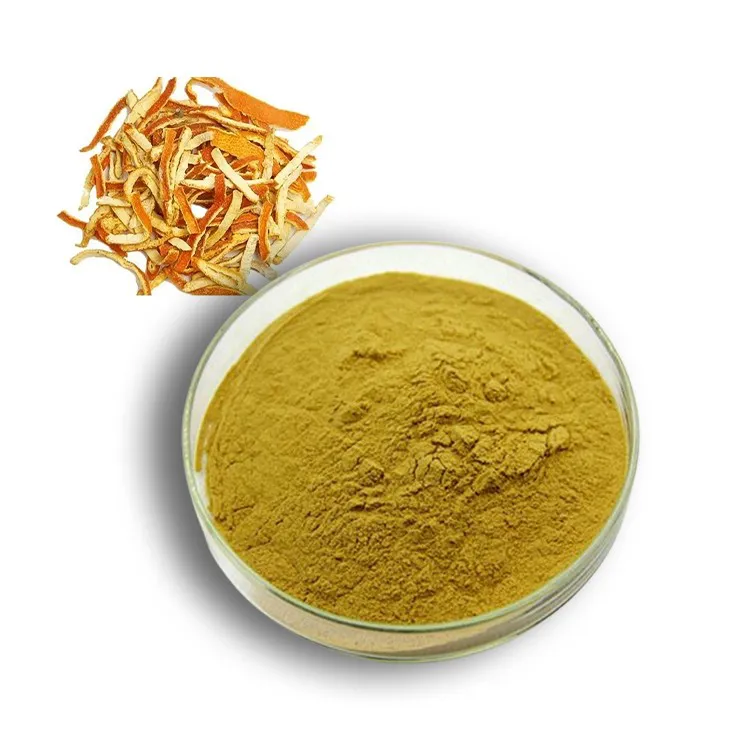
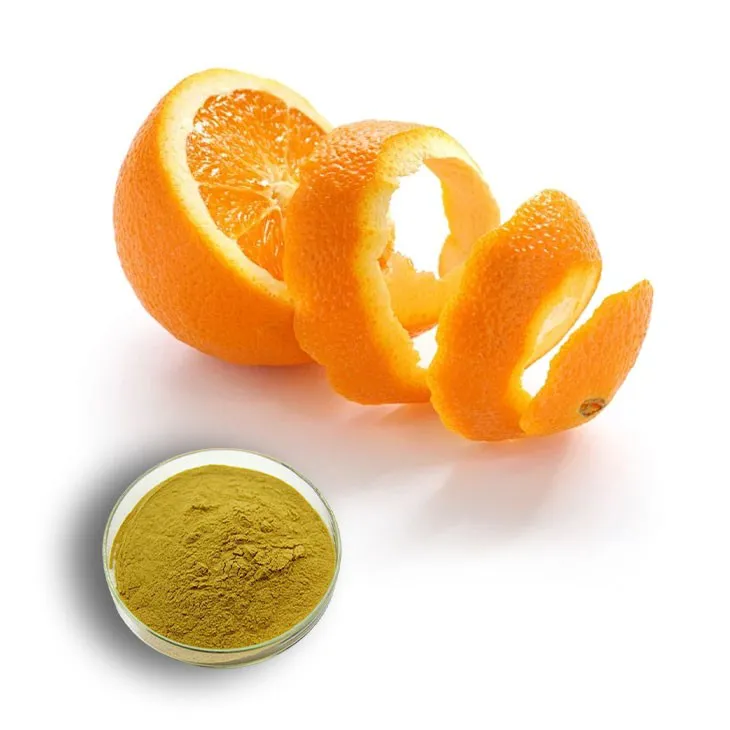
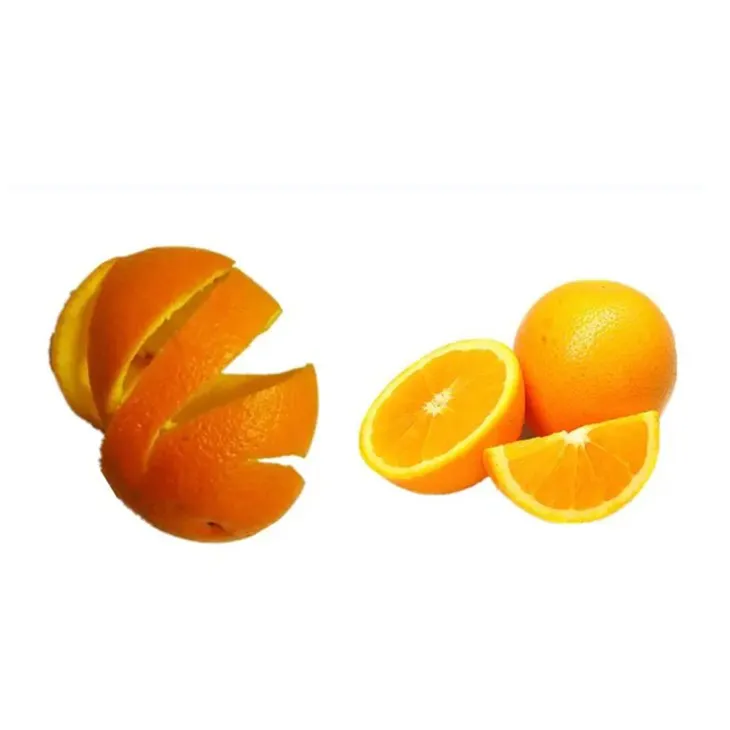
Diosmin (7-rutinosyl-diosmetin) is a naturally occurring flavonoid glycoside derived primarily from citrus fruits (oranges, lemons, grapefruits). It is the predominant bioactive compound in the citrus bioflavonoid complex and is widely recognized as the most effective natural ingredient for supporting venous health, capillary integrity, and circulatory function.
Diosmin has been used clinically for over 50 years, particularly in Europe, where micronized purified flavonoid fraction (MPFF) — a combination of 90% diosmin and 10% Hesperidin — is a prescription medication for chronic venous insufficiency and hemorrhoidal disease. The landmark Daflon 500 formulation has been the subject of over 60 clinical trials, establishing diosmin as one of the most extensively researched venoactive compounds in modern medicine.
The global diosmin market is projected to reach USD 250 million by 2028, driven by the increasing prevalence of chronic venous disorders (affecting up to 40% of adults in developed countries), growing awareness of natural circulatory health solutions, and expanding applications in cosmetic formulations targeting vascular health.
Hangzhou Greensky Biological Tech Co., Ltd offers high-purity diosmin (≥90%) for B2B buyers in the dietary supplement, pharmaceutical, and cosmetic industries.
2. Natural Sources: Citrus Bioflavonoids and the Diosmin-Hesperidin Relationship
2.1 Primary Botanical Sources
Diosmin occurs naturally in citrus fruits, primarily in the peel and pulp:
Source Diosmin Content Commercial Viability Citrus sinensis (Sweet Orange) peel Moderate ★★★★★ (Primary commercial source) Citrus aurantium (Bitter Orange) High ★★★★☆ Citrus limon (Lemon) Moderate ★★★☆☆ Citrus paradisi (Grapefruit) Low-Moderate ★★☆☆☆
2.2 The Diosmin-Hesperidin Relationship
Diosmin and hesperidin are closely related flavonoid glycosides that share a common biosynthetic pathway:
Hesperidin (hesperetin-7-rutinoside): The most abundant citrus flavonoid; precursor to diosmetin
Diosmetin (4′-methoxy-luteolin): The aglycone of diosmin; more bioactive than hesperetin
Diosmin (diosmetin-7-rutinoside): Formed by methylation of hesperidin; more potent venotonic activity
The metabolic relationship can be simplified as:Hesperidin → Hesperetin → (methylation) → Diosmetin → (glycosylation) → Diosmin
2.3 The Synergistic Combination
The most clinically validated formulation of diosmin is MPFF (Micronized Purified Flavonoid Fraction), which combines:
Component Proportion Role Diosmin 90% Primary venotonic and vasoprotective agent Hesperidin (as hesperidin expressed as diosmin) 10% Enhances diosmin absorption and adds complementary vasoprotective activity
This 90:10 ratio has been validated in over 60 clinical trials and is the basis for most pharmaceutical-grade diosmin products.
3. Clinical Evidence for Chronic Venous Insufficiency and Varicose Veins
3.1 Chronic Venous Insufficiency (CVI)
Chronic venous insufficiency affects 20–40% of adults in developed countries, manifesting as leg heaviness, swelling, pain, cramps, and visible varicose veins.
Meta-Analysis (18 RCTs, n = 2,329)
Leg heaviness: Significant improvement (OR = 3.29 vs. placebo)
Leg pain: Significant reduction (OR = 2.67)
Nocturnal cramps: Significant improvement (OR = 2.85)
Ankle circumference (edema): Significant reduction
Overall global efficacy: 70–80% of patients showed improvement
3.2 Varicose Veins
Study (n = 180): MPFF (1,000 mg/day) for 6 months significantly reduced varicose vein symptoms, including leg heaviness, pain, and edema
Mechanism: Venotonic effect (increased venous tone), improved lymphatic drainage, and reduced capillary permeability
3.3 Mechanisms of Venotonic Action
Increased venous tone: Diosmin increases the responsiveness of venous smooth muscle to norepinephrine, enhancing venous return
Reduced capillary permeability: Strengthens capillary walls and reduces fluid extravasation
Improved lymphatic function: Increases lymphatic vessel contraction frequency and amplitude, enhancing lymph drainage
Anti-inflammatory: Reduces leukocyte adhesion and activation in venous endothelium, preventing inflammatory damage
4. Hemorrhoid Treatment: Acute Episodes and Maintenance Therapy
4.1 Acute Hemorrhoidal Attacks
Diosmin (as MPFF) is the most extensively studied natural treatment for acute hemorrhoidal episodes:
Study (n = 120, acute hemorrhoidal attack)
Intervention: MPFF 3,000 mg/day for 4 days, then 2,000 mg/day for 3 days
Results: 94.4% of patients showed significant improvement within 3 days
Bleeding, pain, and discharge were significantly reduced compared to placebo
4.2 Maintenance Therapy
Study (n = 300): MPFF 500 mg twice daily for 3 months significantly reduced the frequency and severity of hemorrhoidal recurrences
Prevention of recurrence: 39% reduction in recurrence rate compared to placebo
4.3 Clinical Guidelines
Diosmin-based therapy (MPFF) is included in:
American Society of Colon and Rectal Surgeons (ASCRS) guidelines for hemorrhoid management
European Society of Coloproctology clinical practice guidelines
World Society of Emergency Surgery (WSES) guidelines for acute hemorrhoidal disease
5. Mechanisms of Action: Venotonic, Vasoprotective, and Anti-Inflammatory
5.1 Venotonic Effects
Norepinephrine sensitization: Diosmin increases the sensitivity of α-adrenergic receptors in venous smooth muscle, enhancing venous tone without increasing circulating catecholamines
Venous capacitance reduction: Decreases venous volume and pooling, improving venous return to the heart
5.2 Vasoprotective Effects
Capillary resistance: Strengthens capillary walls by reducing hyaluronidase activity (which degrades the capillary basement membrane)
Capillary permeability: Reduces fluid and protein leakage from capillaries, decreasing edema
Microcirculation: Improves blood flow velocity in the microcirculation, reducing stasis
5.3 Anti-Inflammatory Effects
Diosmin's anti-inflammatory action in venous disease involves multiple pathways:
Leukocyte-endothelium interaction: Inhibits expression of adhesion molecules (ICAM-1, VCAM-1, E-selectin) on venous endothelial cells
Leukocyte activation: Reduces production of inflammatory mediators (thromboxane B2, prostaglandin E2, free radicals) by activated leukocytes
Lymphatic activation: Stimulates lymphatic vessel contraction, reducing interstitial fluid accumulation and inflammatory mediator concentration
Cytokine modulation: Reduces production of TNF-α, IL-1β, and IL-6 in venous tissue
5.4 Antioxidant Activity
Free radical scavenging: Diosmin and its metabolites scavenge superoxide anions, hydroxyl radicals, and peroxynitrite
Enzymatic antioxidant support: Enhances endogenous antioxidant enzyme activity (SOD, catalase)
Lipid peroxidation inhibition: Protects cell membrane lipids from oxidative damage
6. Lymphatic Health and Edema Management
6.1 Lymphatic Function Enhancement
Diosmin is one of the few natural compounds with demonstrated effects on lymphatic function:
Increased lymphatic contraction frequency: Animal studies show 30–50% increase in lymphatic vessel contraction rate
Increased lymphatic contraction amplitude: Enhanced pumping efficiency improves lymph drainage
Reduced lymphatic capillary permeability: Decreases protein and fluid leakage into interstitial spaces
6.2 Edema Management
Study (n = 60, post-surgical edema)
Intervention: MPFF (1,000 mg/day) for 30 days post-surgery
Results: Significant reduction in limb circumference and improved mobility compared to control group
Lymphedema (Breast Cancer-Related)
Study (n = 40): MPFF supplementation significantly reduced arm volume and improved quality of life in women with breast cancer-related lymphedema
Mechanism: Enhanced lymphatic drainage and reduced interstitial fluid accumulation
7. Quality Standards, Particle Size, and Micronized Diosmin
7.1 Micronization: Why Particle Size Matters
The particle size of diosmin significantly affects its absorption and clinical efficacy:
Particle Size Relative Bioavailability Clinical Efficacy Non-micronized (>10 μm) Baseline (1x) Standard Micronized (2–5 μm) 1.5–2x Enhanced Ultra-micronized (<2 μm) 2–3x Optimal
MPFF (Daflon 500) uses a micronization process that reduces particle size to approximately 2 μm, significantly enhancing absorption compared to non-micronized diosmin.
7.2 Key Quality Specifications
Parameter Standard Diosmin content (HPLC) ≥ 90% (pharmaceutical grade); ≥ 80% (supplement grade) Hesperidin content ≤ 5% Particle size (D90) ≤ 5 μm (micronized); ≤ 10 μm (standard) Loss on drying ≤ 5.0% Heavy metals ≤ 10 ppm Pesticide residues EU/US compliant Residual solvents Complies with ICH guidelines
7.3 Analytical Methods
HPLC: Primary method for diosmin quantification (UV detection at 280 nm)
Laser diffraction: Particle size distribution analysis
Dissolution testing: In vitro dissolution rate assessment
Microscopy: Visual confirmation of particle morphology
8. How to Source Premium Diosmin: A Buyer's Guide
8.1 Evaluating Suppliers
What is the diosmin content? — ≥90% for pharmaceutical applications; ≥80% for supplements
Is the product micronized? — Particle size significantly affects bioavailability
What is the hesperidin content? — Should be low (<5%) for pure diosmin; ~10% for MPFF-type products
What is the extraction method? — Alkaline hydrolysis of citrus hesperidin followed by methylation is the standard industrial process
Is third-party testing available? — Request HPLC chromatograms and particle size distribution data
8.2 Common Quality Issues
Low diosmin content: Adulteration with cheaper citrus bioflavonoid extracts
Incorrect particle size: Non-micronized material sold as micronized
High hesperidin content: Inadequate conversion from hesperidin
Residual solvents: Improper removal of processing solvents
Inconsistent batch quality: Variability in content and particle size between batches
8.3 Regulatory Requirements by Application
Application Regulatory Framework Key Requirements Pharmaceutical GMP, pharmacopoeial standards ≥90% purity, micronized, full validation Dietary supplement FDA/EFSA supplement regulations ≥80% purity, COA, safety data Cosmetic Cosmetic ingredient regulations ≥80% purity, heavy metals testing
9. Applications in Supplements, Pharmaceuticals, and Topical Formulations
9.1 Dietary Supplements
Venous health capsules: 500–1,000 mg diosmin per serving
Hemorrhoid support: Often combined with horse chestnut, butcher's broom, and pine bark extract
Circulatory health formulas: Blended with vitamin C, grape seed extract, and gotu kola
Combination with hesperidin: 90:10 ratio (MPFF-type) for maximum clinical efficacy
9.2 Pharmaceutical Products
MPFF (Daflon 500): Prescription medication for CVI and hemorrhoidal disease
Generic equivalents: Various manufacturers produce MPFF-type formulations
Topical formulations: Diosmin-containing creams and gels for localized venous support
9.3 Cosmetics
Anti-cellulite formulations: Targeting microcirculation and fluid retention
Dark circle treatments: Addressing periorbital vascular congestion
Anti-aging serums: Leveraging diosmin's vasoprotective and antioxidant properties
10. Safety, Dosage, and Regulatory Compliance
10.1 Recommended Dosage
Application Daily Dosage Chronic venous insufficiency 1,000 mg/day (500 mg twice daily) Acute hemorrhoidal attack 3,000 mg/day for 4 days, then 2,000 mg/day for 3 days Hemorrhoid maintenance 1,000 mg/day Edema management 1,000–1,500 mg/day General circulatory support 500–1,000 mg/day
10.2 Safety Profile
Well-tolerated: Mild GI disturbances (nausea, diarrhea, abdominal pain) in 2–5% of users
Headache and dizziness: Rare (<1%)
Contraindications: Known hypersensitivity to diosmin or hesperidin
Pregnancy: Generally considered safe (extensive use in pregnant women for hemorrhoidal treatment); consult physician
Drug interactions: No significant drug interactions reported
10.3 Regulatory Status
Region Status USA Dietary supplement ingredient; MPFF available as prescription EU Prescription medication (Daflon 500); supplement ingredient China Pharmaceutical ingredient (地奥司明); supplement ingredient Australia Listed medicine (AUST L) for venous and hemorrhoidal indications
11. Why Choose Greensky Bio as Your Diosmin Supplier
Hangzhou Greensky Biological Tech Co., Ltd is a professional natural plant extract manufacturer with over 20 years of experience in botanical sourcing, extraction, and quality control.
Our Advantages
High-purity production: ≥90% diosmin content verified by HPLC
Micronization capability: Particle size control for enhanced bioavailability
Full quality documentation: COAs, HPLC chromatograms, particle size distribution data, TDS, SDS
ISO22000, BRCGS, Ecocert Organic, SGS-GMP certified facilities
In-house laboratory with GC, HPLC, UV analytical capabilities
Flexible product formats: Standard and micronized grades to match your application needs
Global export experience: Serving markets in Europe, US, South Korea, and Russia
Contact Greensky Bio today for pricing, samples, and technical documentation for our Diosmin product line.
- ▶ Hesperidin
- ▶ Citrus Bioflavonoids
- ▶ Plant Extract
- ▶ lycopene
- ▶ Diosmin
- ▶ Grape seed extract
- ▶ Sea buckthorn Juice Powder
- ▶ Fruit Juice Powder
- ▶ Hops Extract
- ▶ Artichoke Extract
- ▶ Mushroom extract
- ▶ Astaxanthin
- ▶ Green Tea Extract
- ▶ Curcumin
- ▶ Horse Chestnut Extract
- ▶ Other Product
- ▶ Boswellia Serrata Extract
- ▶ Resveratrol
- ▶ Marigold Extract
- ▶ Grape Leaf Extract
- ▶ New Product
- ▶ Aminolevulinic acid
- ▶ Cranberry Extract
- ▶ Red Yeast Rice
- ▶ Red Wine Extract
- ▶ blog
-
Giant Knotweed Extract
2026-11-23
-
Clove Powder
2026-11-23
-
Uridine-5'-monophosphate Disodium salt
2026-11-23
-
Shikonin
2026-11-23
-
Camu Camu Extract
2026-11-23
-
Green Tea Extract
2026-11-23
-
Coconut Water Powder
2026-11-23
-
Nettle Root Extract
2026-11-23
-
Gynostemma pentaphyllum extract
2026-11-23
-
Sea buckthorn Juice Powder
2026-11-23