- 0086-571-85302990
- [email protected]




Curcumin Turmeric Extract: Complete Guide to Anti-Inflammatory Science, Bioavailability & B2B Sourci
2026-11-08
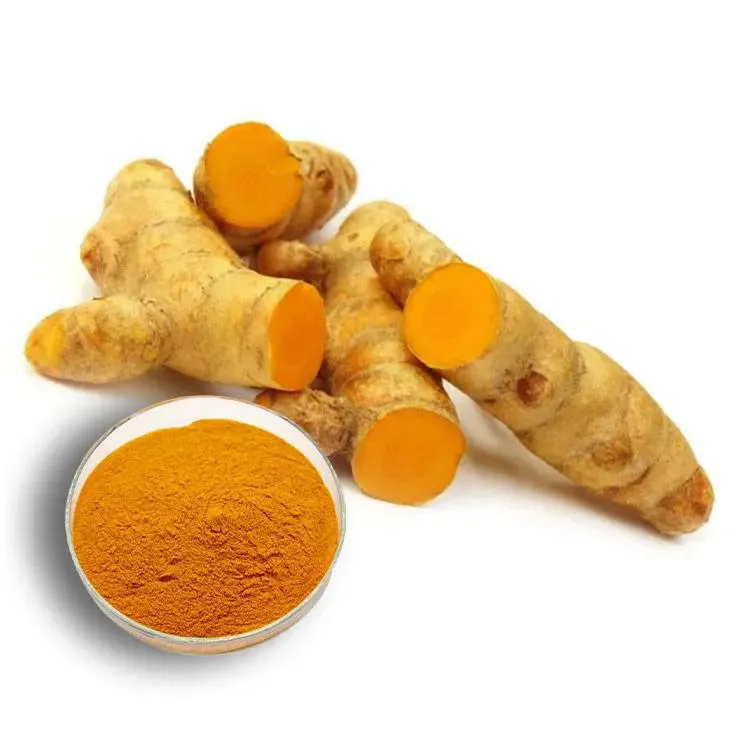
Table of Contents
What Is Curcumin and Why Is It the Most Researched Anti-Inflammatory Compound?
Key Active Compounds: Curcuminoids and the Curcumin–Curcuminoids Debate
The Bioavailability Challenge: Why Plain Curcumin Fails and How to Fix It
Clinical Evidence for Inflammation, Joint Pain and Metabolic Health
How to Evaluate and Source Premium Curcumin/Turmeric Extract for B2B
GreenSky: Your Trusted Curcumin Extract Partner
What Is Curcumin and Why Is It the Most Researched Anti-Inflammatory Compound?
Curcumin (diferuloylmethane) is the principal bioactive polyphenol found in the rhizome of Curcuma longa, commonly known as turmeric. It belongs to a group of compounds called curcuminoids, which also include demethoxycurcumin (DMC) and bisdemethoxycurcumin (BDMC). Turmeric has been used for over 4,000 years in Ayurvedic and Traditional Chinese Medicine, but it is only in the last three decades that modern science has begun to validate its therapeutic potential.
With over 12,000 peer-reviewed publications, curcumin is one of the most extensively studied natural compounds in history. Its global market was valued at approximately USD 80 million in 2024 and is projected to grow at a CAGR of 9.2% through 2030, driven by demand in dietary supplements, functional foods, cosmetics, and pharmaceutical applications.
For B2B buyers, the key challenge is not whether curcumin works — the evidence is overwhelming — but how to source a product with consistent potency, verified bioavailability, and regulatory compliance for target markets.
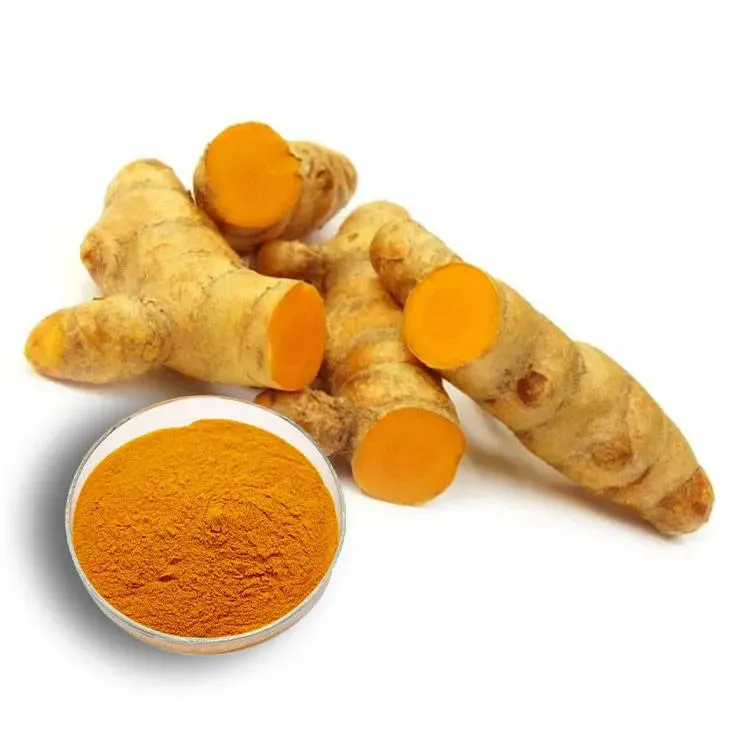
Key Active Compounds: Curcuminoids and the Curcumin–Curcuminoids Debate
Standardized turmeric extract is typically labeled by total curcuminoid content. The three primary curcuminoids are:
Curcumin (C₂₁H₂₀O₆) — the most abundant and most studied compound, responsible for the majority of anti-inflammatory and antioxidant activity
Demethoxycurcumin (DMC) — exhibits distinct pharmacokinetics and may offer superior blood-brain barrier permeability
Bisdemethoxycurcumin (BDMC) — the least abundant but shows unique anti-proliferative properties in preclinical models
Industry standard extracts are typically standardized to 95% total curcuminoids (by HPLC). However, some research suggests that full-spectrum curcuminoid extracts (maintaining the natural ratio of approximately 77:17:6 for curcumin:DMC:BDMC) may provide synergistic benefits over isolated curcumin alone. B2B buyers should specify whether they need 95% curcuminoids, full-spectrum extract, or tetrahydrocurcumin (the primary active metabolite) based on their formulation goals.
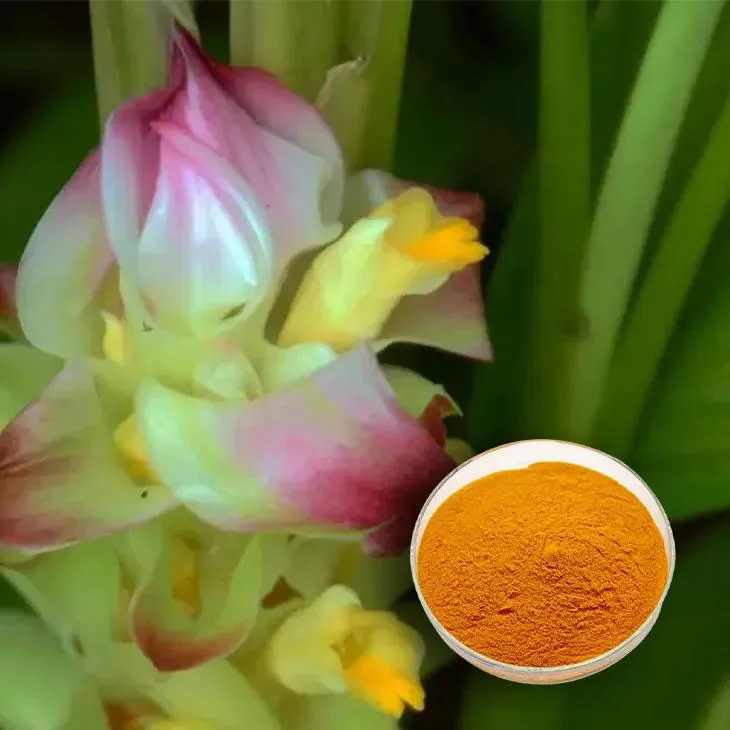
The Bioavailability Challenge: Why Plain Curcumin Fails and How to Fix It
Native curcumin suffers from notoriously poor oral bioavailability due to three factors:
Rapid metabolism — extensive glucuronidation and sulfation in the liver and intestinal wall
Rapid elimination — short plasma half-life of approximately 30 minutes
Low aqueous solubility — poor dissolution in the gastrointestinal environment
Several proven strategies exist to enhance curcumin bioavailability:
| Technology | Mechanism | Bioavailability Increase |
|---|---|---|
| Piperine (Bioperine®) | Inhibits glucuronidation enzymes | Up to 2,000% |
| Liposomal curcumin | Encapsulation in phospholipid vesicles | Up to 28x |
| Curcumin phytosome (Meriva®) | Complexation with phosphatidylcholine | Up to 29x |
| Nanoparticle curcumin (NanoCurc™) | Particle size reduction to nano scale | Up to 65x |
| Tetrahydrocurcumin | Hydrogenated metabolite with better solubility | Up to 12x |
| Colloidal micellar (Curcumin C3®) | Solubilization in micellar carriers | Up to 46x |
When sourcing Curcumin Extract, B2B buyers should request bioavailability data and specify the delivery format that aligns with their target product form (capsules, tablets, beverages, topical applications).
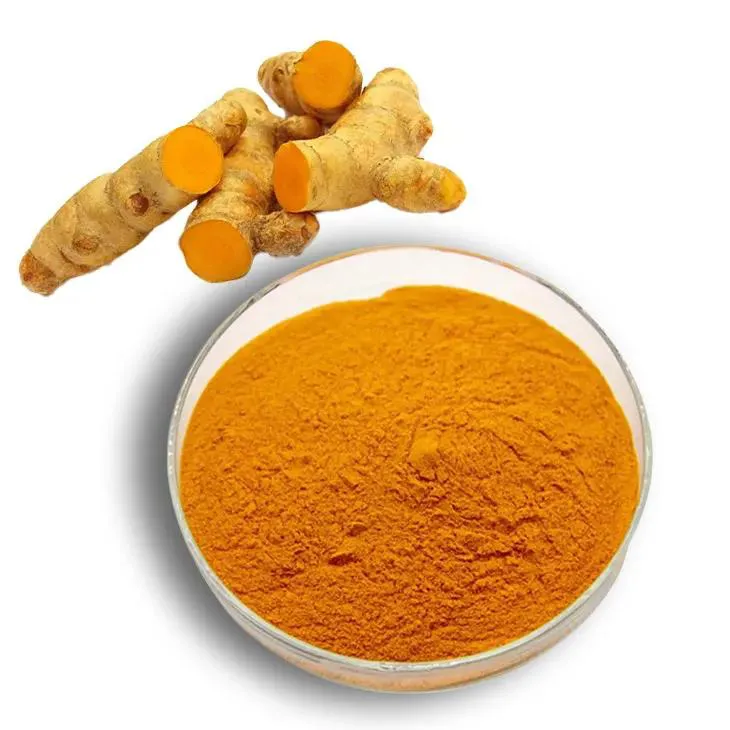
Clinical Evidence for Inflammation, Joint Pain and Metabolic Health
The clinical evidence base for curcumin spans multiple therapeutic areas:
Osteoarthritis and Joint Health
A 2021 meta-analysis of 12 randomized controlled trials (n=927) found that curcumin supplementation (500–1,500 mg/day of standardized extract) significantly reduced pain scores and improved physical function in knee osteoarthritis patients, with efficacy comparable to NSAIDs in several trials and a superior safety profile.
Metabolic Syndrome and Cardiovascular Health
Multiple clinical studies demonstrate that curcumin supplementation improves endothelial function, reduces LDL oxidation, and lowers fasting blood glucose and HbA1c levels in prediabetic populations. A 2022 systematic review covering 24 trials confirmed significant reductions in triglycerides, total cholesterol, and inflammatory markers (CRP, IL-6, TNF-α).
Exercise Recovery and Muscle Damage
Recent research shows curcumin reduces exercise-induced muscle damage and accelerates recovery in athletes. A 2023 RCT found that 200 mg/day of bioavailable curcumin reduced delayed-onset muscle soreness (DOMS) by 40% and lowered creatine kinase levels by 35% compared to placebo.
Cognitive Health and Neuroprotection
Curcumin's ability to cross the blood-brain barrier (especially in enhanced formulations) and modulate neuroinflammation has generated significant interest. Clinical trials show improvements in memory and attention in healthy older adults, with ongoing Phase II studies investigating potential in mild cognitive impairment.
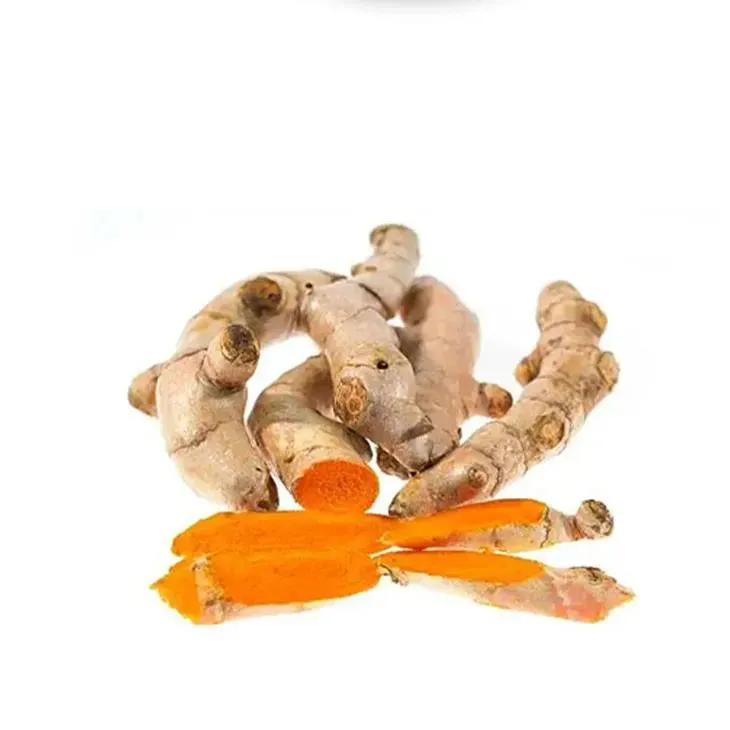
How to Evaluate and Source Premium Curcumin/Turmeric Extract for B2B
When evaluating a Curcumin Extract supplier, focus on these critical parameters:
Extraction method — solvent extraction (ethanol/ethyl acetate) vs. supercritical CO₂; CO₂ extraction yields higher purity but at greater cost
Standardization — confirm curcuminoid content by HPLC, not UV spectrophotometry (which can overestimate by 10-15%)
Heavy metals testing — turmeric is prone to lead contamination; demand ICP-MS analysis results
Microbiological testing — total plate count, yeast/mold, E. coli, Salmonella, S. aureus
Solvent residue — verify compliance with ICH Q3C guidelines for residual solvents
Pesticide residues — request multi-residue screening (500+ compounds) per EU and FDA standards
Certifications — ISO 22000, HACCP, GMP, Kosher, Halal, and organic certification (USDA/EU) if applicable
Stability data — accelerated stability studies showing shelf life under ICH conditions
GreenSky: Your Trusted Curcumin Extract Partner
Hangzhou Greensky Biological Tech. Co., Ltd. has been a professional natural plant extract manufacturer since 2004. With our ISO 22000, BRCGS, Ecocert Organic, and SGS-GMP certified facilities, we supply premium curcumin and turmeric extracts to markets across Europe, the United States, South Korea, and Russia.
Our Jiangxi production facility operates under strict GMP standards with 100,000-class clean areas and independent analytical laboratories equipped with HPLC, GC, and UV instrumentation. We offer:
Curcumin 95% standard extract (ethanol extraction)
Water-soluble curcumin powder (micellar technology)
Tetrahydrocurcumin (THC) — the active metabolite
Full-spectrum turmeric extract (natural curcuminoid ratio)
Custom standardization and encapsulation services
Contact GreenSky today for a free sample and competitive quotation on curcumin and turmeric extract. With 20+ years of experience and annual exports approaching USD 30 million, we are your reliable partner for premium plant extracts.
- ▶ Hesperidin
- ▶ Citrus Bioflavonoids
- ▶ Plant Extract
- ▶ lycopene
- ▶ Diosmin
- ▶ Grape seed extract
- ▶ Sea buckthorn Juice Powder
- ▶ Fruit Juice Powder
- ▶ Hops Extract
- ▶ Artichoke Extract
- ▶ Mushroom extract
- ▶ Astaxanthin
- ▶ Green Tea Extract
- ▶ Curcumin
- ▶ Horse Chestnut Extract
- ▶ Other Product
- ▶ Boswellia Serrata Extract
- ▶ Resveratrol
- ▶ Marigold Extract
- ▶ Grape Leaf Extract
- ▶ New Product
- ▶ Aminolevulinic acid
- ▶ Cranberry Extract
- ▶ Red Yeast Rice
- ▶ Red Wine Extract
- ▶ blog
-
Pomegranate Extract
2026-11-08
-
Elderberry Extract
2026-11-08
-
Nattokinase
2026-11-08
-
Shikone Extract
2026-11-08
-
Selenium yeast
2026-11-08
-
Phosphatidylserine
2026-11-08
-
American Ginseng Root Extract
2026-11-08
-
Tongkat Ali Extract Powder
2026-11-08
-
Chaga Mushroom Extract
2026-11-08
-
Lavender Extract
2026-11-08