We have five factories and 23 years of experience in plant extracts
- 0086-571-85302990
- [email protected]




Why is red yeast valued for cardiovascular health?
2026-08-14
For centuries, a humble red-hued grain has quietly played a starring role in kitchens and traditional medicine across East Asia. Today, that same fermented rice is drawing worldwide attention for one very specific reason: its remarkable potential to support cardiovascular health. Red yeast rice is no longer just a coloring agent for Peking duck or a festive side dish - it has become one of the most talked-about natural ingredients in the modern wellness space. But why exactly is red yeast valued for cardiovascular health?
The answer lies in a combination of time-honored tradition and modern nutritional science. Red yeast rice is produced by fermenting ordinary rice with the mold Monascus purpureus, a process that transforms plain grains into a food rich in naturally occurring bioactive compounds. Among these compounds, one family stands out above the rest: monacolins, and in particular monacolin K, which shares a chemical structure with the well-known cholesterol-lowering medicine lovastatin.
A Tradition That Spans Centuries
Red yeast rice has been used in China for more than a thousand years, both as a food and as a remedy in traditional Chinese medicine. It was prized not only for its deep crimson color and subtle flavor, but also for its ability to support healthy blood circulation and digestion. Over time, this regional staple made its way into the cuisines and healing traditions of Japan, Korea, and other parts of East Asia, earning a reputation as a gentle, food-based approach to everyday wellness.
What makes red yeast rice so interesting from a health perspective is that it is a whole-food ingredient with naturally occurring active components. Rather than being a single isolated substance, it delivers a complex profile that has been studied for its role in lipid metabolism and overall heart health. For buyers exploring a red yeast rice supplement, this combination of culinary heritage and nutritional value is exactly what sets it apart.
The Science Behind the Heart Benefit
The cardiovascular value of red yeast rice centers on monacolin K. This compound works by inhibiting an enzyme called HMG-CoA reductase, which is the rate-limiting step in the body’s production of cholesterol. By gently slowing this step, monacolin K helps support healthy low-density lipoprotein (LDL) cholesterol levels already within the normal range - the kind of support that dietary approaches to heart health are designed to provide.
This mechanism is why red yeast rice has been the subject of numerous clinical studies. Large meta-analyses pooling data from randomized controlled trials have shown meaningful reductions in LDL cholesterol among people who consume red yeast rice preparations compared with placebo. Even more striking, one of the largest studies of its kind followed thousands of participants and reported that red yeast rice extract reduced the risk of nonfatal heart attacks, coronary events, and total mortality in people with a history of heart problems. These findings help explain the growing interest in red yeast rice among researchers and consumers alike.
Beyond Cholesterol
While cholesterol support is the headline benefit, red yeast rice is appreciated for more than its monacolin content. As a fermented whole food, it delivers a range of polyketides, unsaturated fatty acids, phytosterols, and pigments that work together. Some research suggests red yeast rice may also play a supporting role in maintaining healthy blood pressure and supporting a balanced inflammatory response, adding to its appeal as a multi-purpose ingredient for cardiovascular wellness.
For people who are sensitive to prescription statins or who prefer a more natural approach, red yeast rice has been studied as a well-tolerated alternative. This accessibility - combined with a growing body of evidence - has helped red yeast rice evolve from a regional specialty into a globally recognized ingredient.
Quality Matters: Citrinin-Free and Standardized
Not all red yeast rice is created equal, and this is where the experience of a reliable manufacturer becomes essential. During fermentation, some production methods can allow a contaminant called citrinin to form. Citrinin is a mycotoxin that health authorities prefer to keep out of food products, which is why reputable suppliers place a strong emphasis on producing citrinin-free red yeast rice with controlled, consistent monacolin levels.
Reliable red yeast rice manufacturers achieve this through strict control of the fermentation process, rigorous testing, and transparent quality assurance. When sourcing red yeast rice from China, buyers should look for partners with clean production facilities, independent laboratory testing, and clear documentation - all of which help ensure the finished ingredient is both safe and effective.
Choosing the Right Supplier
For formulators, brands, and distributors looking to bring red yeast rice products to market, the quality of the raw material directly affects the quality of the final supplement. A responsible supplier should be able to offer standardized monacolin K content, confirm citrinin-free production, and provide the regulatory documentation needed for global submissions. Working with a vertically integrated producer simplifies this process, because manufacturing, quality control, and export registration are handled under one roof.
This is precisely the kind of capability that a dedicated supplier brings to the table. With decades of experience in botanical fermentation and a clean, food-grade production environment, a trustworthy partner can supply red yeast rice that meets the expectations of demanding international markets.
A Natural Ingredient for Modern Heart Health
Red yeast rice sits at the intersection of ancient tradition and modern science. Its long history as a fermented food gives it credibility, while its monacolin K content gives it real, measurable value for cardiovascular health. Whether used as a functional food raw material or as the foundation of a premium heart-health supplement, red yeast rice continues to earn its reputation as a natural ingredient worth attention.
For brands seeking a reliable source of high-quality red yeast rice, working with an experienced supplier is the key to consistency, safety, and compliance. As consumer interest in natural cardiovascular support grows, red yeast rice is well positioned to remain a cornerstone of heart-health formulations for years to come.
TAGS:
FAQ
- ▶ Hesperidin
- ▶ Citrus Bioflavonoids
- ▶ Plant Extract
- ▶ lycopene
- ▶ Diosmin
- ▶ Grape seed extract
- ▶ Sea buckthorn Juice Powder
- ▶ Fruit Juice Powder
- ▶ Hops Extract
- ▶ Artichoke Extract
- ▶ Mushroom extract
- ▶ Astaxanthin
- ▶ Green Tea Extract
- ▶ Curcumin
- ▶ Horse Chestnut Extract
- ▶ Other Product
- ▶ Boswellia Serrata Extract
- ▶ Resveratrol
- ▶ Marigold Extract
- ▶ Grape Leaf Extract
- ▶ New Product
- ▶ Aminolevulinic acid
- ▶ Cranberry Extract
- ▶ Red Yeast Rice
- ▶ Red Wine Extract
- ▶ blog
Recommended Products
-
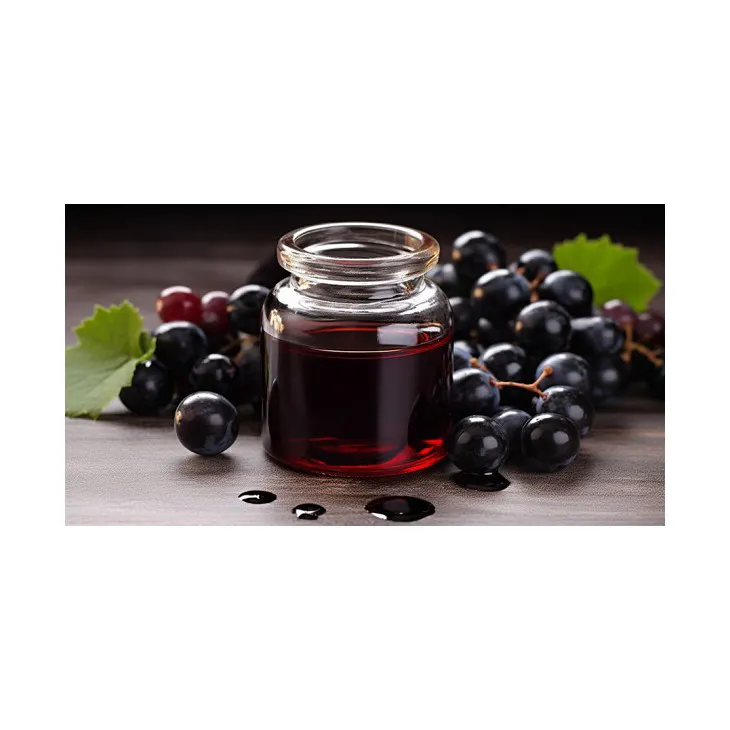
Red Wine Extract
2026-08-14
-
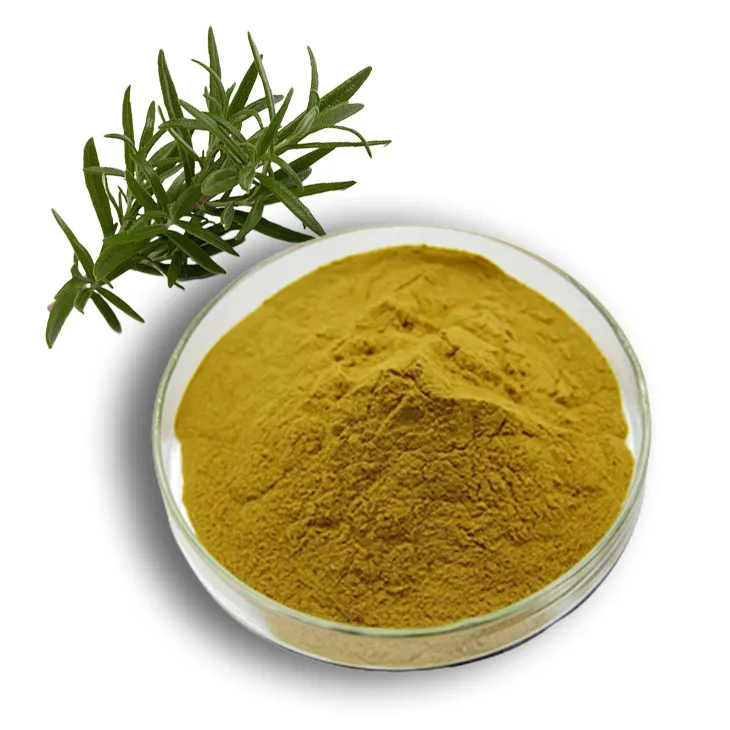
Rosemary extract
2026-08-14
-
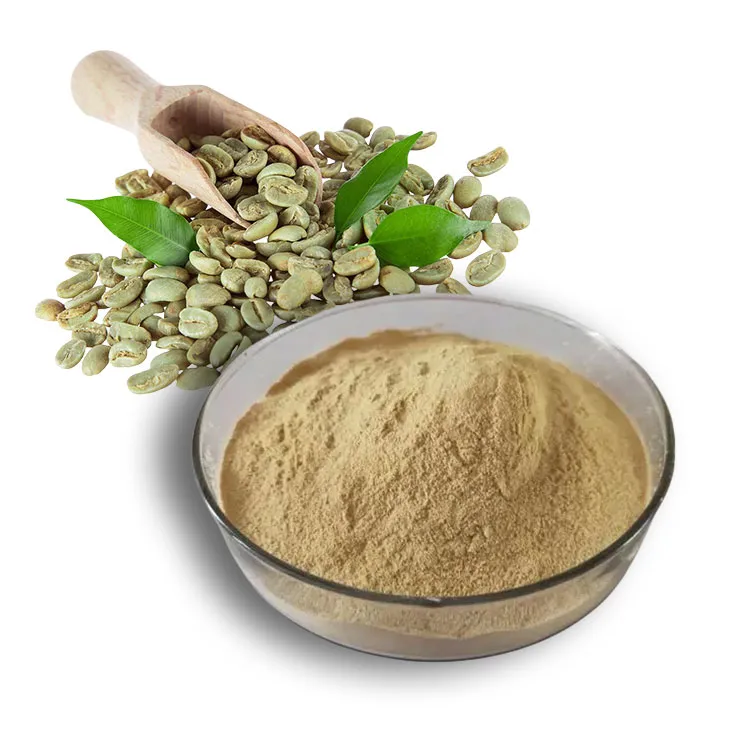
Green coffee bean Extract
2026-08-14
-
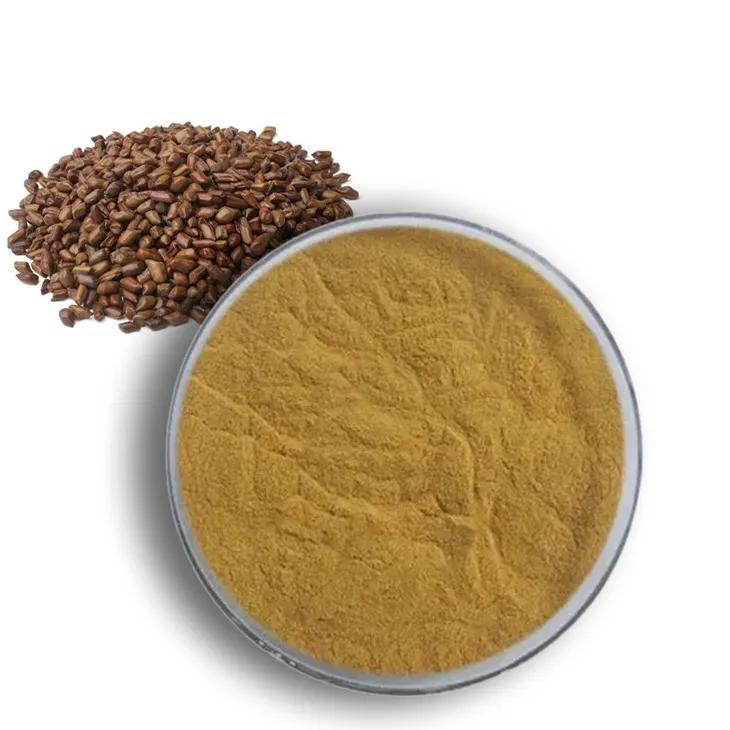
Cassia Seed Extract
2026-08-14
-
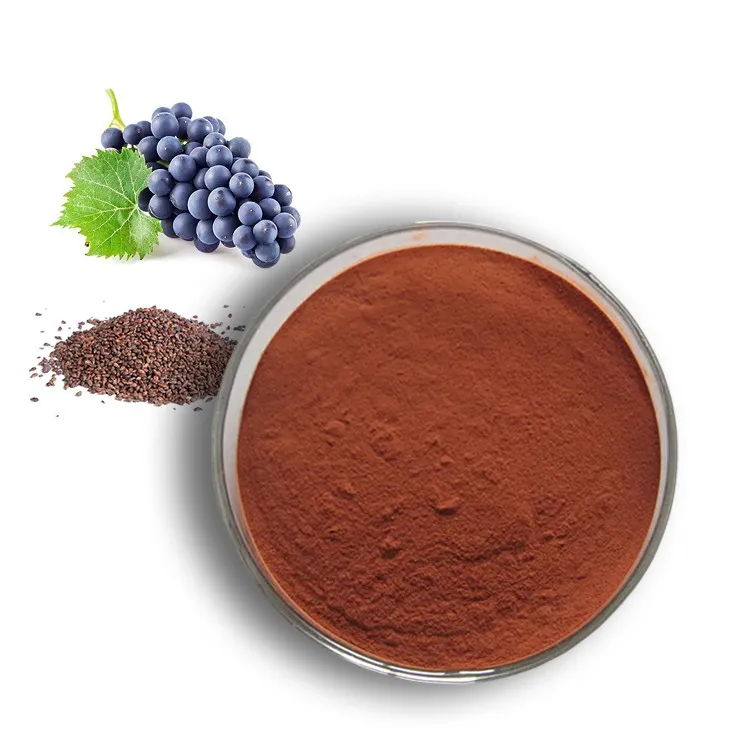
Natural grape seed extract
2026-08-14
-
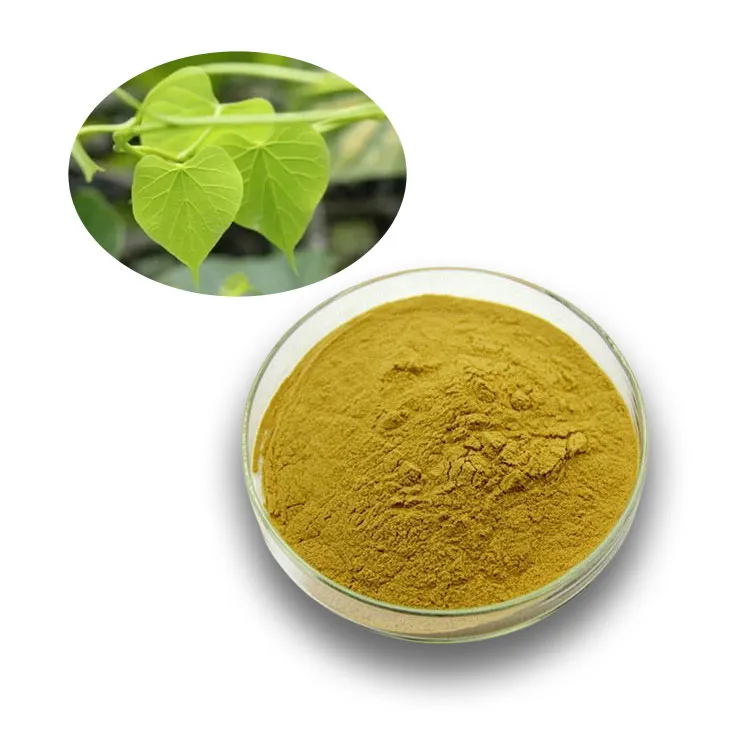
Tinospora cordifolia extract
2026-08-14
-
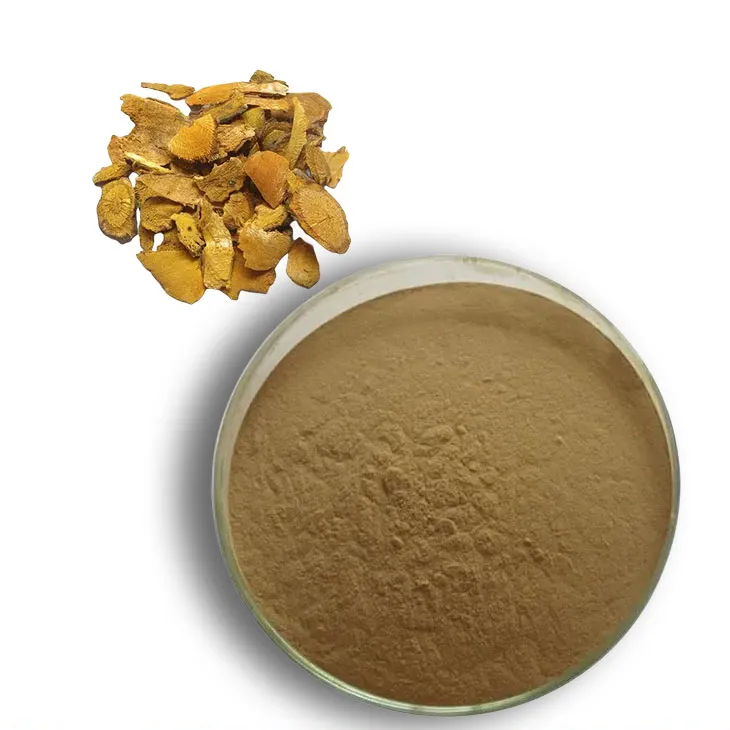
Giant Knotweed Extract
2026-08-14
-
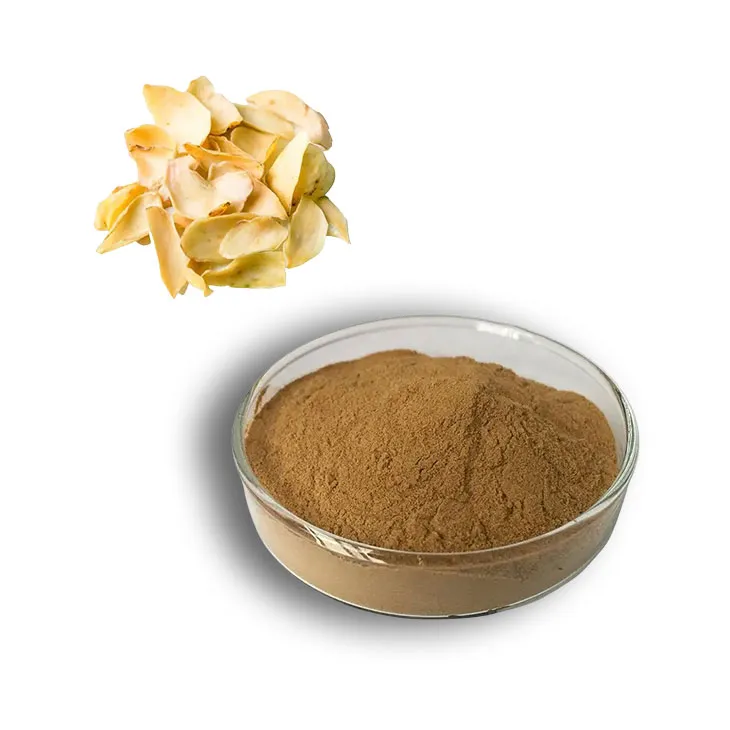
Lily extract
2026-08-14
-
Maca Extract
2026-08-14
-
Lemon Balm Extract
2026-08-14
Get a Quote