- 0086-571-85302990
- [email protected]






Why is red yeast rice considered a functional food ingredient?
2026-08-15

For centuries, red yeast rice has been a staple of Asian kitchens, prized for lending fermented foods their deep crimson color and distinctive flavor. In recent decades, however, this humble ingredient has moved far beyond the dinner table to earn a new label: a functional food ingredient. Consumers are increasingly looking for foods that do more than satisfy hunger, and red yeast rice sits at the center of that shift because it carries a set of naturally occurring bioactive compounds linked to everyday wellness.
What makes red yeast rice "functional"?
A food is described as functional when it provides benefits beyond basic nutrition, typically through naturally occurring compounds that support specific aspects of health. Red yeast rice earns this description because it is produced by fermenting rice with Monascus fungi, a process that does not simply preserve the grain but transforms it. During solid-state fermentation, the fungi generate a family of secondary metabolites known as monacolins. Of these, Monacolin K stands out: it is chemically identical to lovastatin, a compound widely used to help maintain healthy blood lipid levels.
In practical terms, this makes red yeast rice a rare example of a traditional food that aligns with modern nutritional science. Instead of relying on added or synthetic ingredients, it delivers its characteristic activity through the natural fermentation process itself, which is why it is increasingly used as a food-grade raw material in capsules, tablets, cooking powders, and fortified foods.
How Monacolin K supports balanced lipid metabolism
The interest in red yeast rice centers on how Monacolin K interacts with the body's cholesterol pathway. The liver produces cholesterol with the help of an enzyme called HMG-CoA reductase, which acts as a kind of rate-limiting step in cholesterol synthesis. By inhibiting this enzyme, Monacolin K helps to moderate the amount of cholesterol the body produces on its own, which in turn supports the maintenance of healthy cholesterol levels already within a normal range.
This is why red yeast rice is studied for its role in lipid metabolism and cardiovascular support. Because the mechanism is well documented, manufacturers can standardize their product around a measured Monacolin K content, giving formulators a reliable, reproducible raw material rather than a variable whole food.
Beyond cholesterol: pigments, antioxidants, and versatility
Monacolin K is the most discussed component of red yeast rice, but it is only part of the story. The fermentation process also produces natural Monascus pigments, which have been used for generations as a plant- and fermentation-derived colorant for meats, pastes, and beverages. These pigments offer food makers a natural coloring alternative to synthetic dyes, aligning with the clean-label trend that many consumers now expect.
Red yeast rice also contributes a mild earthy flavor and, in powder form, blends easily into smoothies, sauces, baked goods, and wellness beverages. That combination of a natural color, a distinctive taste, and a measurement-friendly active compound is precisely why formulators treat it as a versatile functional red yeast rice rather than a single-use additive.
Quality and safety: what to look for in a supplier
Not all red yeast rice is created equal, and the difference between a premium functional ingredient and a basic culinary powder comes down to control. Serious buyers should look for red yeast rice that is standardized to a clear Monacolin K range, such as 0.2% to 5%, so that dosage and formulation are predictable. Just as important is the absence of citrinin, a byproduct that some fermentation processes can produce; responsibly manufactured red yeast rice is confirmed citrinin-free.
Food-grade production also matters. A reliable supplier should manufacture in clean, food-grade facilities and hold recognizable certifications such as ISO22000, BRCGS, HALAL, or Kosher. When these controls are in place, red yeast rice performs as a dependable, traceable ingredient that a brand can build a product around with confidence.
Choosing a trusted red yeast rice manufacturer
Because consistency and safety are so closely tied to process, working with an experienced red yeast rice manufacturer is essential. Companies with a dedicated fermentation line and a full quality-assurance program are better positioned to deliver red yeast rice that meets specification batch after batch. Established producers also provide export documentation and traceability records, which smooth the path through international regulatory submissions.
Hangzhou Greensky Biological Tech. Co., Ltd. is one such manufacturer. Founded in 2004, the company has spent more than two decades specializing in plant extracts and functional food raw materials, with a dedicated subsidiary producing functional red yeast rice standardized to 0.2% to 5% Monacolin K and confirmed citrinin-free. Production runs through a 100,000-class clean area that meets food-grade requirements, and the company holds ISO22000, BRCGS, Ecocert Organic Standard, SGS-GMP, HALAL, and Kosher certifications, with samples and documentation available for evaluation.
A functional ingredient rooted in tradition
Red yeast rice is compelling because it connects two worlds: a centuries-old fermentation tradition and a modern, evidence-based view of nutrition. Its natural monacolins, clean-label pigments, and flexible powder form make it genuinely functional, while careful production turns it into a safe, standardized ingredient for today's wellness market. For formulators and brands looking to bring that tradition to modern products, the starting point is a manufacturer who can prove quality at every step.
- ▶ Hesperidin
- ▶ Citrus Bioflavonoids
- ▶ Plant Extract
- ▶ lycopene
- ▶ Diosmin
- ▶ Grape seed extract
- ▶ Sea buckthorn Juice Powder
- ▶ Fruit Juice Powder
- ▶ Hops Extract
- ▶ Artichoke Extract
- ▶ Mushroom extract
- ▶ Astaxanthin
- ▶ Green Tea Extract
- ▶ Curcumin
- ▶ Horse Chestnut Extract
- ▶ Other Product
- ▶ Boswellia Serrata Extract
- ▶ Resveratrol
- ▶ Marigold Extract
- ▶ Grape Leaf Extract
- ▶ New Product
- ▶ Aminolevulinic acid
- ▶ Cranberry Extract
- ▶ Red Yeast Rice
- ▶ Red Wine Extract
- ▶ blog
-
Lemon Balm Extract
2026-08-15
-
Hesperidin
2026-08-15
-
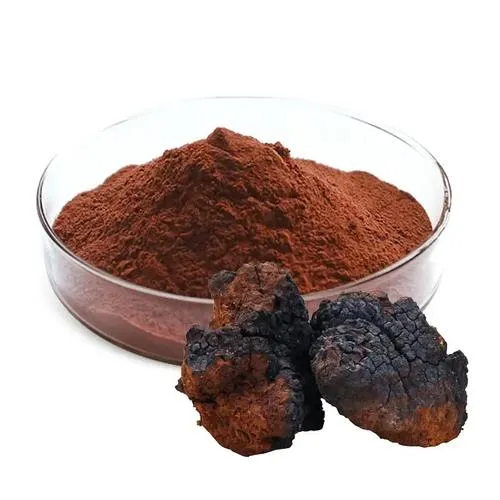
Chaga Mushroom Extract
2026-08-15
-
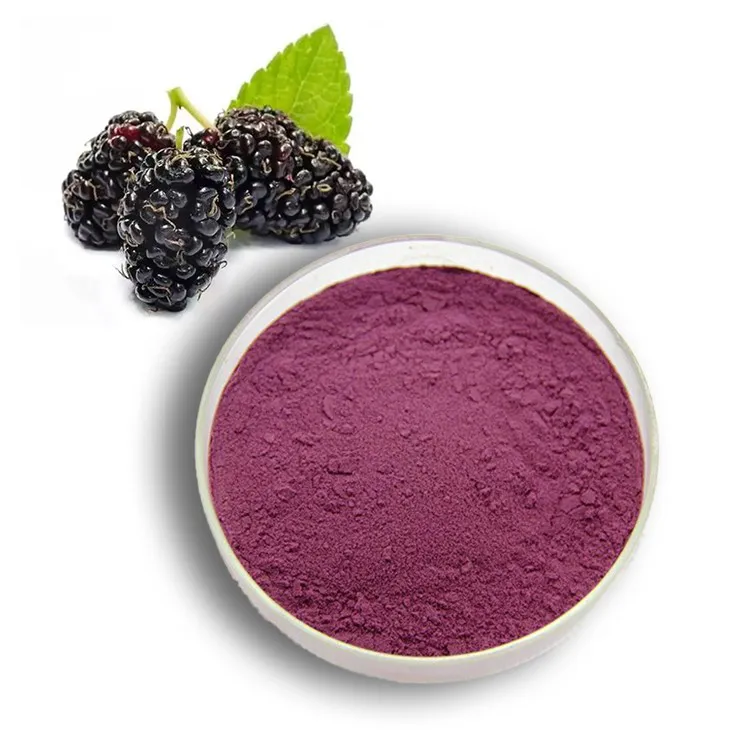
Mulberry Extract
2026-08-15
-
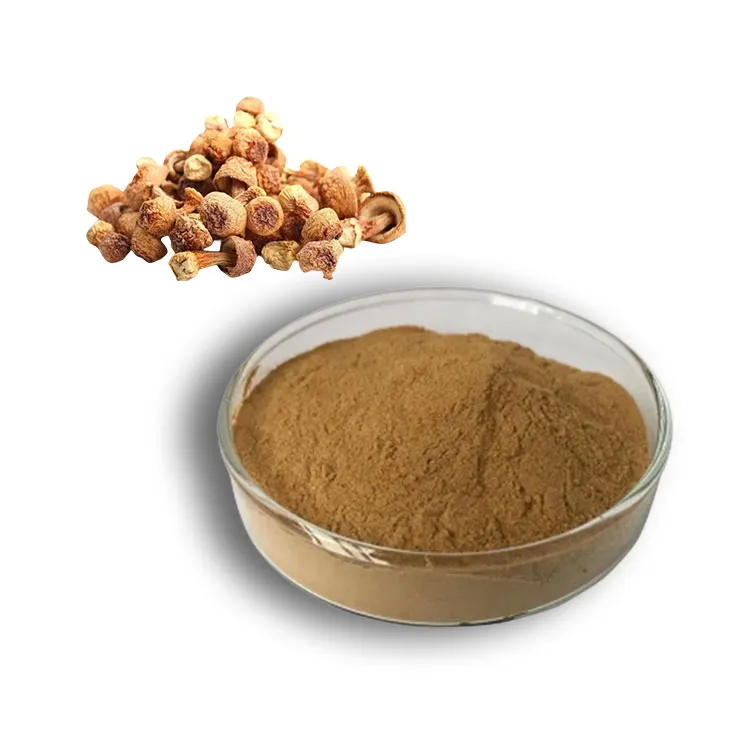
Agaricus Blazei Extract
2026-08-15
-
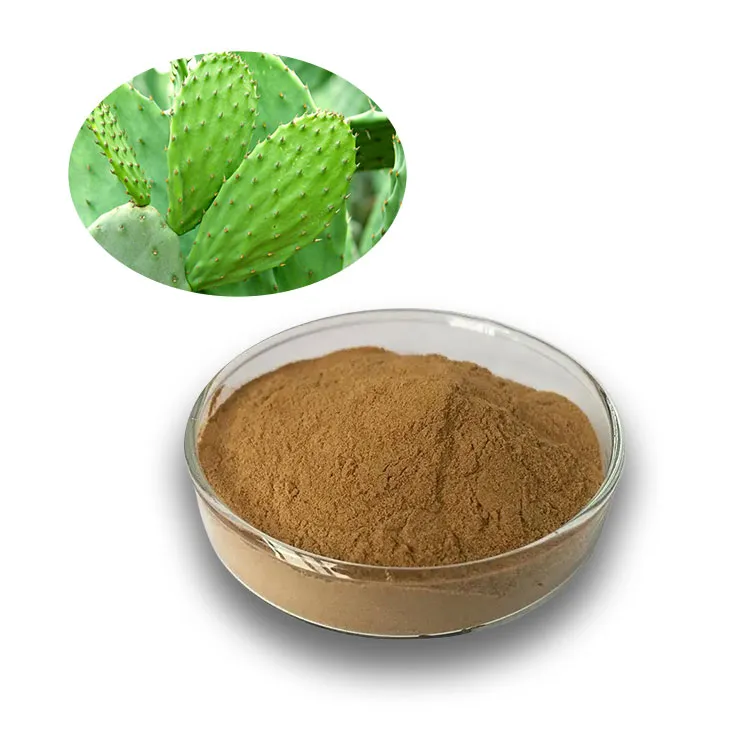
Cactus Extract
2026-08-15
-
Tormentil Extract
2026-08-15
-
Tongkat Ali Extract Powder
2026-08-15
-
Garcinia Cambogia Extract
2026-08-15
-
Lily extract
2026-08-15
