- 0086-571-85302990
- [email protected]



Where can I source lemon balm extract in bulk?
2026-08-19
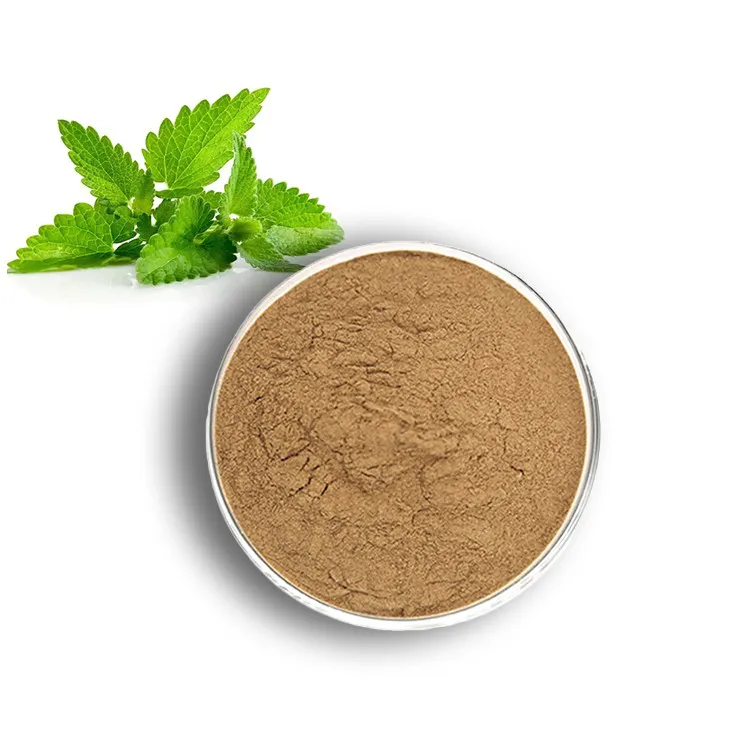
If you are formulating a sleep, calm, or digestive product with a botanical cornerstone, lemon balm extract is one of the most dependable raw materials you can specify. Getting a steady, food-grade, affordable supply of it in bulk, however, takes more than finding the lowest quote. You need a partner who can show you exactly where the raw herb comes from, how it is processed, and what quality checks stand behind every batch. This guide walks through what to look for when sourcing Lemon Balm Extract in bulk and why a vertically integrated plant extract supplier is the safer choice.
What Is Lemon Balm Extract?
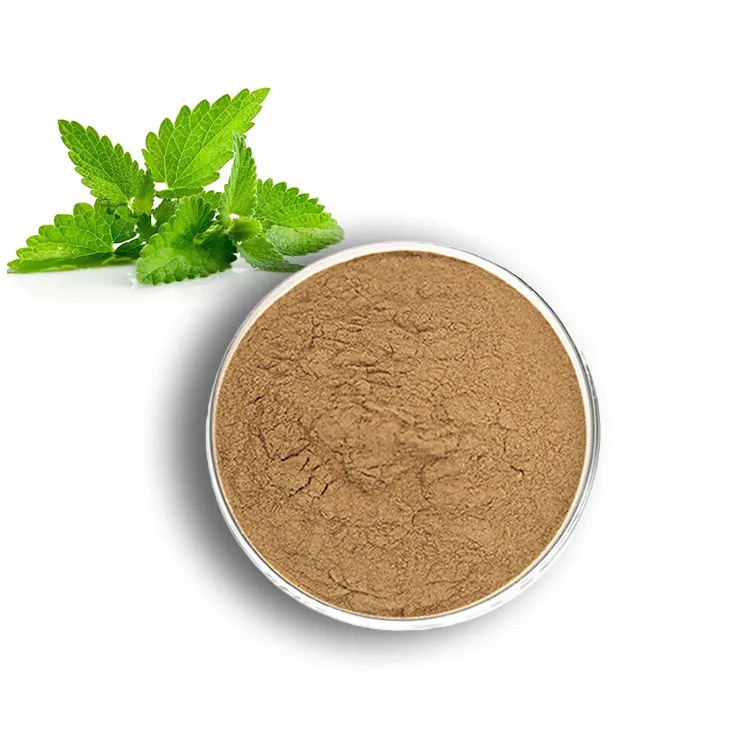
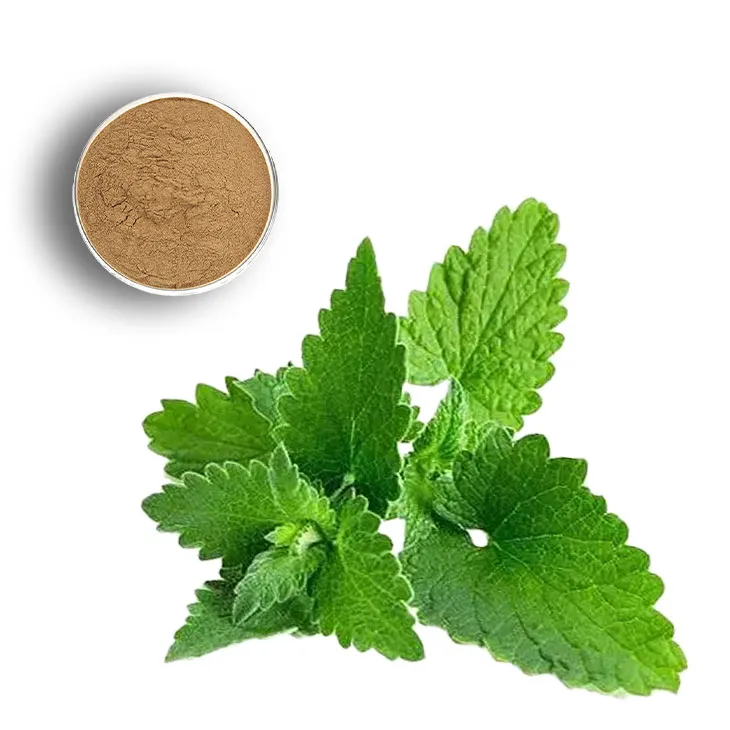
Lemon balm (Melissa officinalis) is a lemon-scented member of the mint family that has been used in European herbal tradition for centuries to support relaxation, restful sleep, and gentle digestive comfort. In its extract form, manufacturers concentrate the plant's active compounds into a powder that can be standardized, measured, and reproduced batch after batch. Because of its soothing character, it appears in teas, infused beverages, supplements, tinctures, perfumes, and cosmetics that aim for a light, fresh citrus note with functional benefits.
Five Things to Verify Before You Buy in Bulk
1. Confirmed raw-material traceability
Reputable bulk suppliers should be able to name the botanical source and, ideally, the growing region and harvest conditions behind their material. Traceability protects you from batch-to-batch inconsistency and from adulterated material that wastes your formula and your budget.
2. Cleanroom, food-grade production
Food and supplement ingredients must be produced in facilities that meet food-grade standards, with controlled environments and documented cleaning procedures. A supplier that openly discusses its cleanroom design and production area gives you real confidence in microbiological safety.
3. Independent lab verification
Ask how every batch is tested. In-house HPLC, GC, and UV instrumentation is good; an independent lab certificate on top of it is better. You want assay values, residual solvent limits, heavy metals, and microbial counts reported transparently for each lot you order.
4. Certifications that match your market
Different regions demand different documentation. If you export to the EU, the US, or the Middle East, you need certificates that travel with the goods: food-safety schemes, organic or halal or kosher certification, GMP, and export registration. The fewer hurdles your compliance team has to chase later, the smoother your launch.
5. Stable capacity and lead times
A reliable bulk partner can quote realistic minimum order quantities, scale with your growth, and hold delivery dates. Sudden reformulations or long lead times derail production schedules and hurt your brand more than a slightly higher unit price.
Why a Vertically Integrated Manufacturer Wins
Many distributors and trading houses can sell you Lemon Balm Extract. What they cannot always offer is control over the entire journey from raw herb to finished powder. A vertically integrated manufacturer owns the sourcing, extraction, testing, and warehousing, which usually translates into more consistent quality, tighter documentation, and better pricing at scale.
Greensky (Hangzhou Greensky Biological Tech. Co., Ltd.) is one such producer. Founded in 2004 and headquartered in Hangzhou, China, the company has spent more than two decades identifying, researching, and producing active botanical ingredients, and its group includes plant extract factories, a functional red yeast rice arm, and food-grade R&D facilities. Production runs in a food-grade clean area served by 6-ton multi-functional extraction tanks, low-temperature concentrators, spray-drying towers, and vacuum drying boxes, while an independent laboratory equipped with GC, HPLC, and UV instrumentation checks each batch. Its lemon balm extract sits within a catalog of well over 150 botanical extracts, so a single supplier can consolidate several of your raw materials in one order.
Making the Sourcing Decision
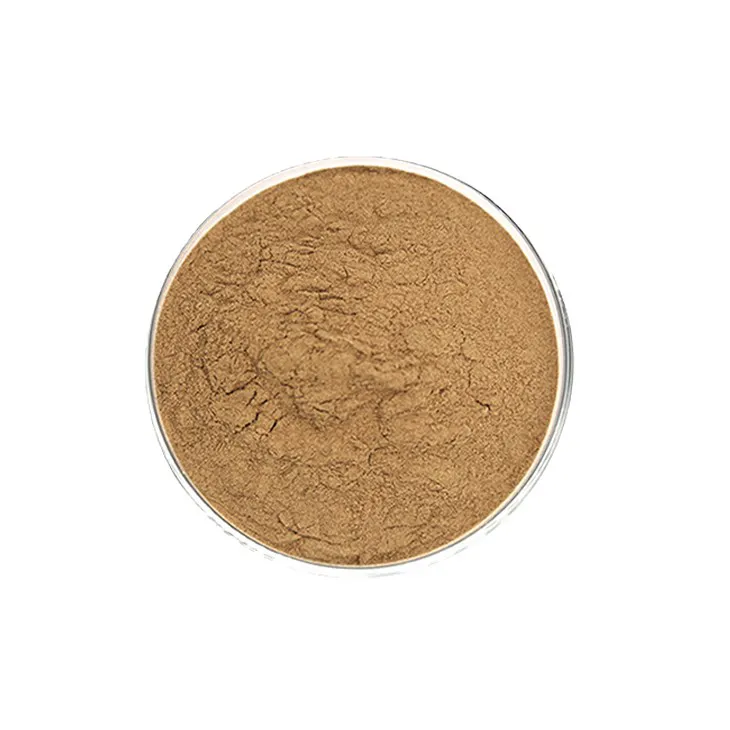
Start with a clear specification: the extract ratio or assay you need, the form (powder or fine grind), the certifications required for your destination market, and the volume you plan to order annually. Share that spec with a short list of plant extract manufacturers, request samples and certificates, and test the sample in your own formula before scaling up. Then choose the supplier with the strongest combination of traceability, production control, and documentation rather than the cheapest per-kilo quote.
For a steady bulk supply backed by in-house manufacturing, independent lab testing, and export-registered documentation, Greensky is a strong candidate to shortlist. Reach out through its contact page with your draft specification, and the team can respond with samples, specifications, and a volume-based quotation tailored to your program.
- ▶ Hesperidin
- ▶ Citrus Bioflavonoids
- ▶ Plant Extract
- ▶ lycopene
- ▶ Diosmin
- ▶ Grape seed extract
- ▶ Sea buckthorn Juice Powder
- ▶ Fruit Juice Powder
- ▶ Hops Extract
- ▶ Artichoke Extract
- ▶ Mushroom extract
- ▶ Astaxanthin
- ▶ Green Tea Extract
- ▶ Curcumin
- ▶ Horse Chestnut Extract
- ▶ Other Product
- ▶ Boswellia Serrata Extract
- ▶ Resveratrol
- ▶ Marigold Extract
- ▶ Grape Leaf Extract
- ▶ New Product
- ▶ Aminolevulinic acid
- ▶ Cranberry Extract
- ▶ Red Yeast Rice
- ▶ Red Wine Extract
- ▶ blog
-
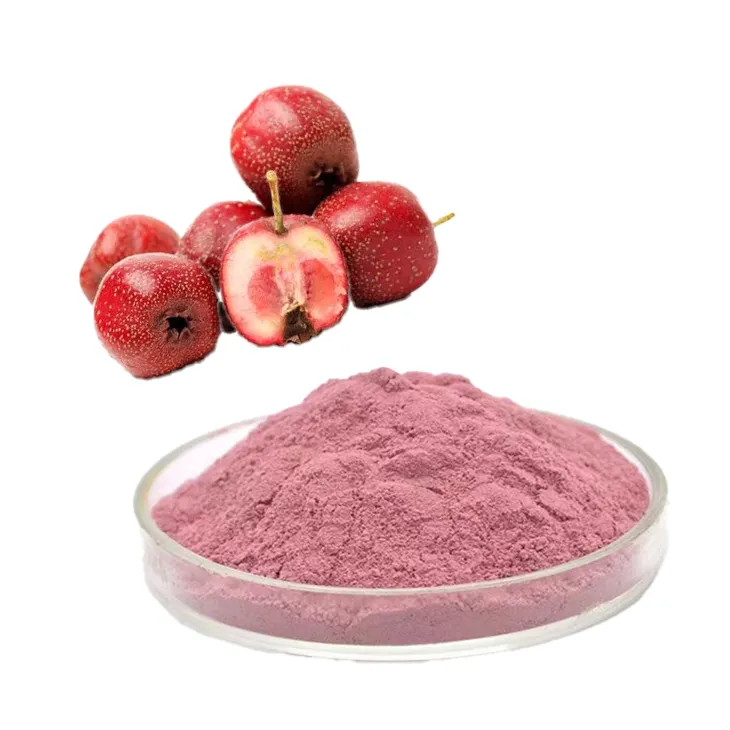
Hawthorn powder
2026-08-19
-
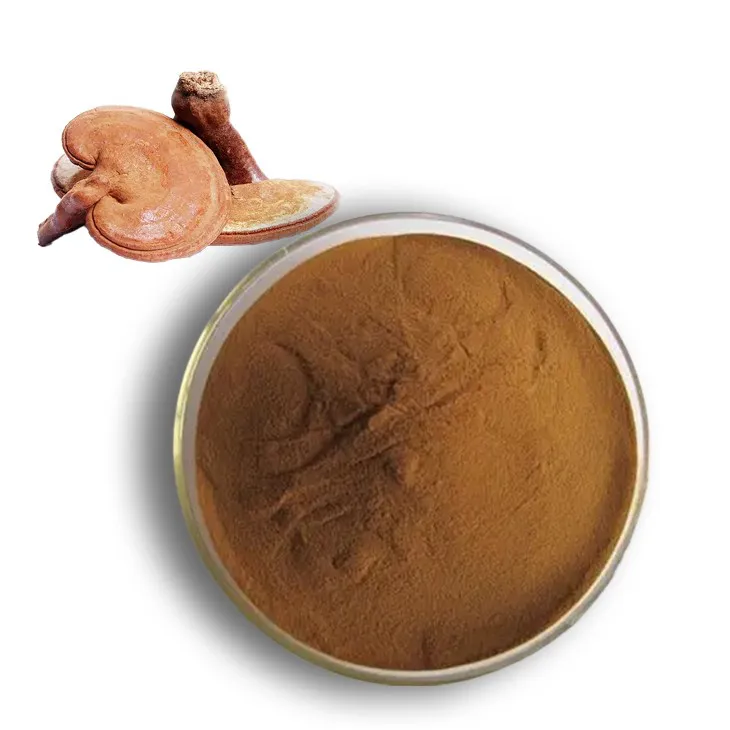
Reishi mushroom extract
2026-08-19
-
Mango flavored powder
2026-08-19
-
Uridine-5'-monophosphate Disodium salt
2026-08-19
-
Citrus bioflavonoids
2026-08-19
-
Plantain extract
2026-08-19
-
Lotus leaf extract
2026-08-19
-
Cat Claw Extract
2026-08-19
-
Kupilu Extract
2026-08-19
-
Quercetin
2026-08-19