- 0086-571-85302990
- [email protected]




Where can I buy the highest quality astaxanthin for my brand?
2026-08-16
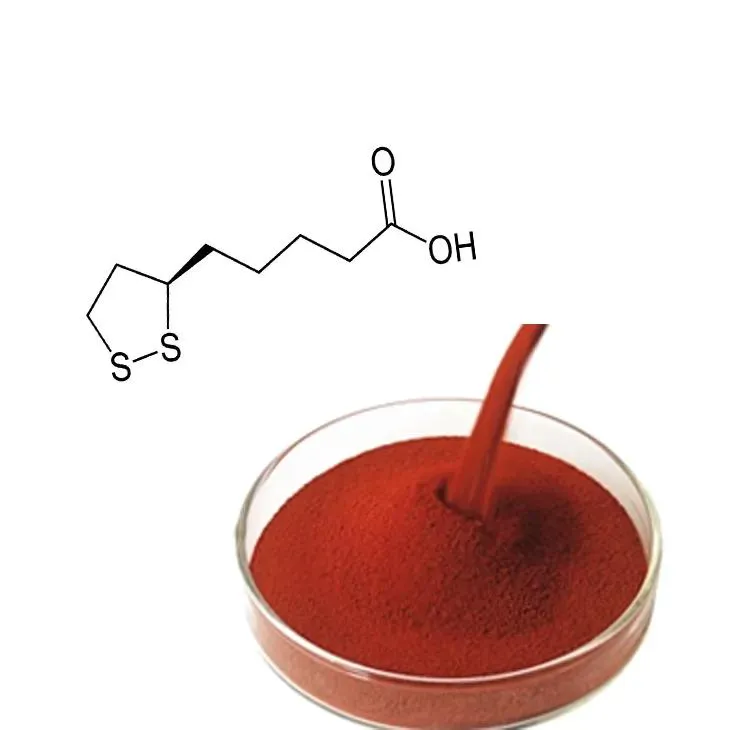
If you are building or scaling a supplement, cosmetic, or functional-food brand, few decisions shape your reputation more than where you source your ingredients. Astaxanthin, a naturally occurring carotenoid often described as the "king of antioxidants," is one of the most requested functional ingredients on the market today, valued for the research behind its benefits for eye and skin health, cardiovascular support, and a healthy immune response. Yet for most brand owners the real challenge is not understanding the chemistry — it is knowing where to buy astaxanthin of a quality your label can stand behind, batch after batch. This guide walks you through the factors that actually separate a dependable supplier from a risky one.
Start with the source, not the price tag
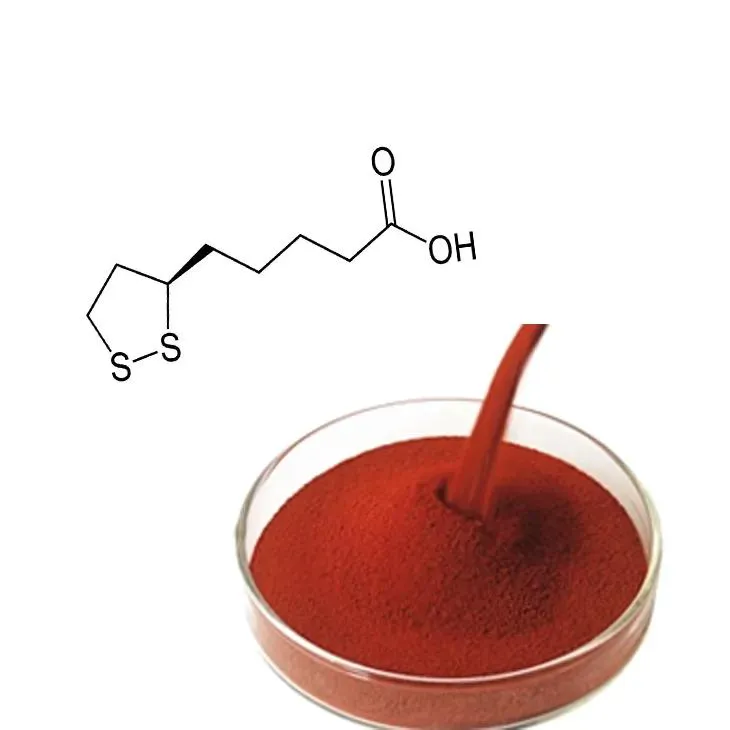
The single most important question is whether an ingredient comes from natural or synthetic production. Natural Astaxanthin is derived from microalgae such as Haematococcus pluvialis and is the form preferred for premium human nutrition, because it has the naturally occurring molecular structure your body recognizes most readily. Synthetic Astaxanthin, in contrast, is produced from petrochemical starting materials and is used mainly in aquaculture feed. When buyers chase the lowest price without checking the source, they often end up with synthetic material that is difficult to position in a clean-label consumer market. A trustworthy supplier will be transparent about the origin of every batch.
As a professional astaxanthin supplier, Greensky produces natural botanical extracts rather than acting as a simple trading middleman. That distinction matters because the way an ingredient is grown, harvested, and extracted is where quality is either won or lost.
Choose a manufacturer, not a reseller
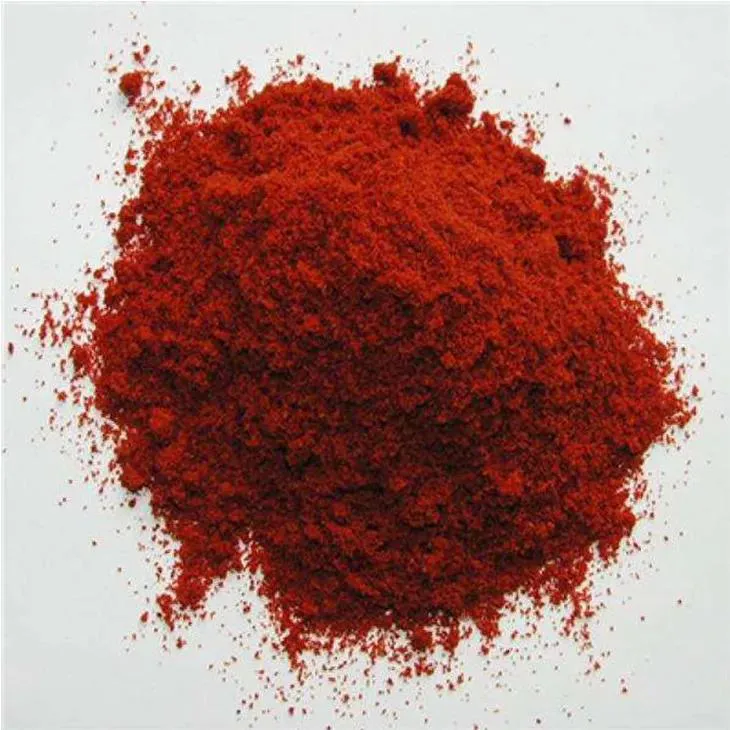
Many online listings for astaxanthin are placed by traders who buy from factories they have never visited and whose production they cannot control. When your brand is on the line, that is a risk you do not want to carry. A far safer path is to work directly with an astaxanthin manufacturer that controls its own research, development, extraction, and quality testing.
Founded in 2004 and headquartered in Hangzhou, Greensky has spent more than two decades identifying, developing, and producing active botanical ingredients. With five wholly owned subsidiaries and vertically integrated operations, the company manages the full chain from raw material to finished extract. Its plant-extract production facility in Jiangxi produces roughly 500 tons of botanical extracts each year, and its own laboratories are equipped with GC, HPLC, and UV instruments for in-house analysis. For a brand owner, vertical integration means one accountable partner instead of a string of disconnected middlemen.
Verify certifications and independent testing
Quality claims are only as good as the evidence behind them. Before you commit to a source, ask what third-party certifications the factory holds and whether it will provide a Certificate of Analysis (COA) for each batch covering potency, heavy metals, and microbiological safety. A confident supplier shares this documentation without hesitation; a hesitant one is usually hiding something.
Greensky operates a 100,000-class clean production area that meets food-grade requirements, and its certifications include ISO22000, BRCGS, Ecocert Organic Standard, SGS-GMP, ISO9001, HALAL, and Kosher. The company also holds the Export Food Production Enterprise Registration Certificate, which simplifies the regulatory paperwork that brand owners need for international markets. When you evaluate a candidate, compare their certification list against the requirements of the markets you plan to enter.
Match the product form to your application
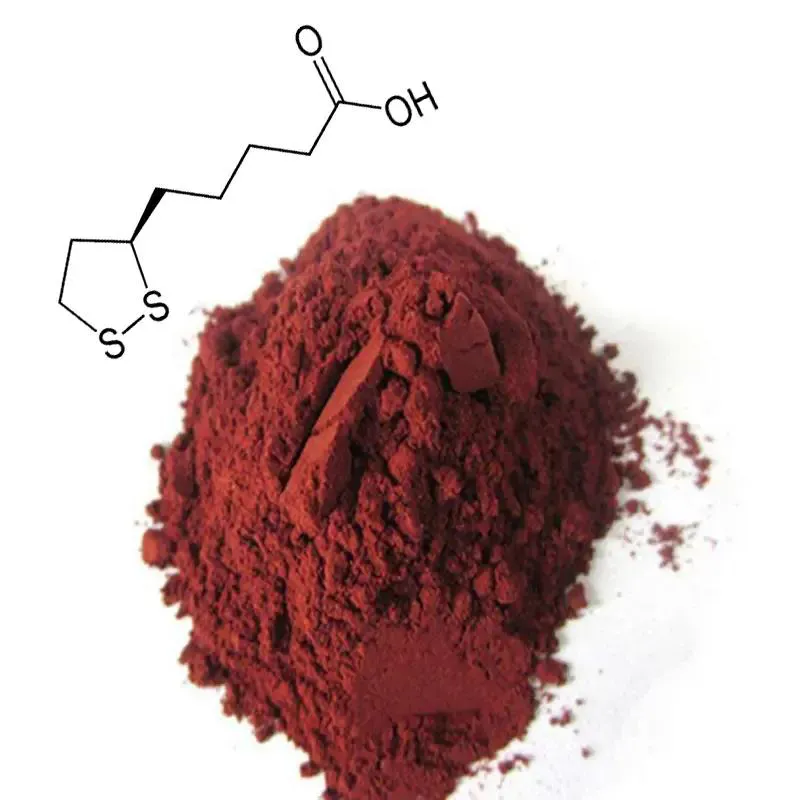
Astaxanthin is not a one-size-fits-all ingredient, and buying the wrong form wastes money and time. Depending on your final product, you may need a powder suitable for hard capsules and tablets, an oil-based form for softgels, or a water-dispersible version for beverages. Before you request a quote, clarify your finished form and dosage so the supplier can guide you to the right specification.
Because astaxanthin is sensitive to light, oxygen, and heat, the extraction and stabilization process directly affects shelf life and stability. Supercritical CO2 extraction is regarded as a cleaner method because it avoids chemical solvent residues, while proper encapsulation protects the molecule so your finished product keeps its potency. These are exactly the technical details worth discussing with any astaxanthin supplier before you negotiate.
Buy from a partner with a track record
Longevity is a quiet but powerful signal. Companies that have survived and grown for decades are more likely to have stable production, reliable logistics, and satisfied repeat customers. Greensky's export value reached nearly 30 million US dollars in 2023, with its main markets in Europe, the United States, South Korea, and Russia. Serving regulated markets for years is a practical demonstration that its documentation, quality, and consistency meet the expectations of demanding buyers.
When you are ready to move forward, the practical next step is to request samples and a batch-specific COA, test the material in your own formulation, and ask direct questions about cultivation, extraction, and lead times. A serious manufacturer will welcome that scrutiny. If a supplier is vague about origin, unwilling to share test data, or pushing synthetic material at a discount, treat those as clear warning signs.
Conclusion
Finding the highest-quality astaxanthin for your brand comes down to a handful of checks: confirm a natural microalgae source, work directly with a manufacturer rather than a trader, verify certifications and batch testing, choose the right product form, and favor partners with a proven export track record. Apply those standards and you will not have to guess where to buy astaxanthin — you will know exactly whom to trust.
If you would like to discuss specifications, request documentation, or arrange samples for your project, browse the astaxanthin product page or contact the Greensky team directly.
- ▶ Hesperidin
- ▶ Citrus Bioflavonoids
- ▶ Plant Extract
- ▶ lycopene
- ▶ Diosmin
- ▶ Grape seed extract
- ▶ Sea buckthorn Juice Powder
- ▶ Fruit Juice Powder
- ▶ Hops Extract
- ▶ Artichoke Extract
- ▶ Mushroom extract
- ▶ Astaxanthin
- ▶ Green Tea Extract
- ▶ Curcumin
- ▶ Horse Chestnut Extract
- ▶ Other Product
- ▶ Boswellia Serrata Extract
- ▶ Resveratrol
- ▶ Marigold Extract
- ▶ Grape Leaf Extract
- ▶ New Product
- ▶ Aminolevulinic acid
- ▶ Cranberry Extract
- ▶ Red Yeast Rice
- ▶ Red Wine Extract
- ▶ blog
-
Aguaje Extract
2026-08-16
-
Kelp Extract Powder
2026-08-16
-
Withania Somnifera Extract
2026-08-16
-
Purple Sweet Potato Extract
2026-08-16
-
Phellodendron Extract
2026-08-16
-
Chaste Berry Extract
2026-08-16
-
Dan Shen Root Extract/Salvia Root Extract
2026-08-16
-
Bilberry Extract
2026-08-16
-
Red Vine Extract
2026-08-16
-
Epimedium extract powder
2026-08-16