- 0086-571-85302990
- [email protected]




What results can I expect from astaxanthin skin lightening?
2026-08-18
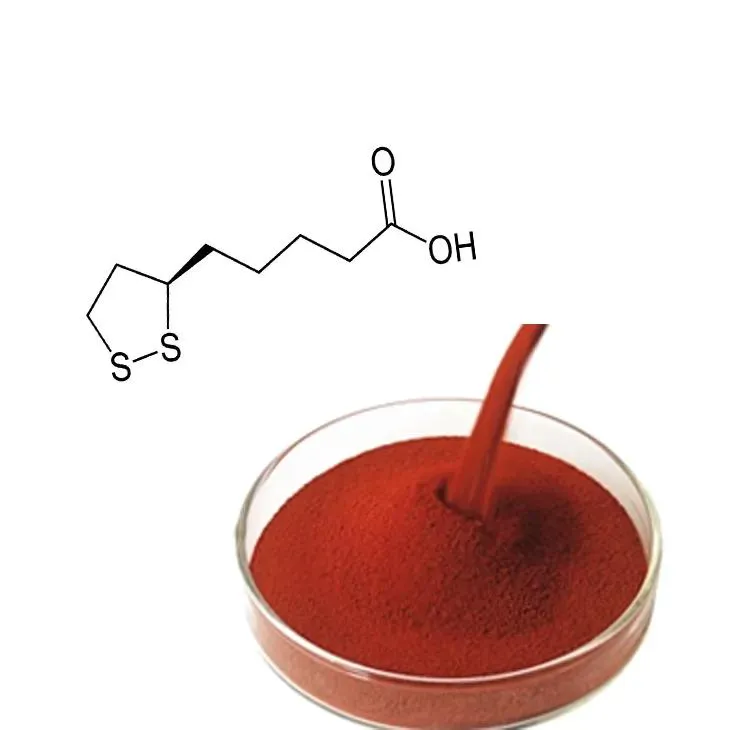
If you are looking for a natural way to brighten your complexion, you have probably come across Astaxanthin. Marketed as one of the most powerful antioxidants in the world, it is increasingly added to brightening serums, capsules, and even oral supplements. But what can this reddish carotenoid actually do for your skin tone? The short answer is that Astaxanthin does not bleach the skin or stop the cells that make pigment the way a tyrosinase inhibitor can. Instead, it works more gently and, in many ways, more intelligently: it calms the oxidative stress and inflammation that drive patchy, uneven color in the first place. Below, we take a realistic look at the results you can expect, how quickly they appear, and how to choose a source you can trust.
Why Astaxanthin is associated with skin lightening
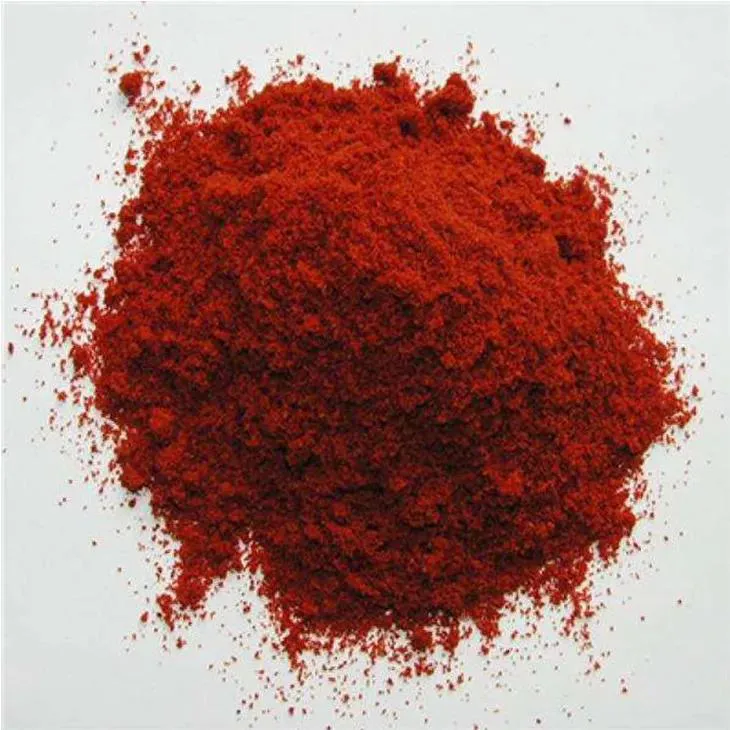
Astaxanthin is a natural carotenoid produced by the microalga Haematococcus pluvialis. It is the pigment that gives salmon, shrimp, and flamingos their pink or red tones, and in nature it acts as a powerful internal sunscreen for the algae that produce it. When you take it, the same protective logic applies to human skin.
Melanin, the compound that colors our skin, is produced in response to triggers such as UV light, heat, hormonal changes, and inflammation. Nearly all of those triggers create free radicals first. By neutralizing free radicals, astaxanthin reduces the "damage signal" that tells skin to overproduce pigment in the first place. This is different from ingredients that directly block the enzyme tyrosinase, which is why astaxanthin is best understood as a brightening, even-toning agent rather than a conventional bleach.
The realistic results you can expect
Keeping expectations realistic is important, because astaxanthin works slowly and cumulatively. Most people report the following changes with consistent use:
- Brighter, more even skin tone. Rather than dramatic whitening, the most noticeable result is a clearer, more luminous look. Patchiness and dullness tend to fade as overall oxidative stress on the skin drops.
- Faded dark spots and hyperpigmentation. Post-sun spots, sun spots, and other areas of uneven pigmentation can soften over time, especially when sun exposure is also being managed.
- Less sun-induced redness and reactive flushing. Because astaxanthin helps calm the inflammatory response to UV, skin that used to turn red or feel irritated after sun exposure often becomes more tolerant.
- A healthier "from within" glow. This is the result most fans describe first. Skin looks rested and hydrated rather than dull or sallow.
For scale, clinical research has linked oral astaxanthin to reductions in UV-induced skin damage, fewer wrinkles, and a more even skin tone, while meta-analyses of randomized trials have confirmed improvements in skin moisture and elasticity. These are modest, measurable gains that build over weeks, not overnight transformations.
How long before you see a difference
Timelines vary from person to person, but a useful rule of thumb is:
- Weeks 0–2: Early signs are more about hydration and comfort than color. Skin may feel softer and less reactive.
- Weeks 4–8: This is when brightening and evening-out effects usually become visible. Some people notice dull skin gaining clarity here.
- Months 2–3 and beyond: Dark spots and sun damage appear less pronounced, and the overall tone looks more uniform, provided you continue consistent use and protect your skin from UV.
Because pigments accumulate over years, expect to be patient. Astaxanthin is a long-term strategy for skin, not a quick-fix spot treatment.
What affects your results
Several factors determine how much benefit you see. First is consistency; astaxanthin only helps while it is being taken. Second is sun protection; wearing sunscreen dramatically amplifies any brightening effect, since it cuts off the signal that drives pigment production. Third is the dose and quality of the astaxanthin itself. Finally, complementary lifestyle habits such as sleep, hydration, and a balanced diet support the antioxidant network your skin relies on.
What astaxanthin will not do
It helps to know the limits so you are not disappointed. Astaxanthin will not instantly whiten your skin, remove deep, long-standing pigment in a week, or act as a replacement for sunscreen. It also will not eliminate the need to avoid excessive unprotected sun exposure. When people describe extreme, rapid whitening from astaxanthin alone, that is usually marketing rather than the clinical picture.
Choosing a quality source
Results also depend heavily on the purity and stability of the ingredient you start with. That is where buy astaxanthin becomes a relevant first step. Choose a supplier that verifies purity, offers consistent specifications, and can document its production process. If you are sourcing for a finished supplement or skincare brand, you want the best astaxanthin your budget allows, and ideally an astaxanthin manufacturer who can supply certificates of analysis and confirm the raw material is clean, stable, and produced under controlled conditions from a trusted bulk source.
Making the most of astaxanthin for skin
To get the most out of astaxanthin, pair it with other brightening and protective antioxidants such as vitamin C, vitamin E, and resveratrol. These work alongside astaxanthin to support collagen, protect skin cells from environmental stress, and reinforce an even tone. Wear broad-spectrum sunscreen every day, stay consistent, and give your skin at least a month or two to respond. Understood this way, astaxanthin is a realistic, science-backed part of a gradual skin-lightening routine rather than a miracle cure.
Disclaimer: This article is for educational purposes and is not a substitute for professional medical advice. If you have specific skin concerns, injuries, or medical conditions, consult a qualified dermatologist or healthcare provider before adding new ingredients or supplements to your routine.
TAGS:
- ▶ Hesperidin
- ▶ Citrus Bioflavonoids
- ▶ Plant Extract
- ▶ lycopene
- ▶ Diosmin
- ▶ Grape seed extract
- ▶ Sea buckthorn Juice Powder
- ▶ Fruit Juice Powder
- ▶ Hops Extract
- ▶ Artichoke Extract
- ▶ Mushroom extract
- ▶ Astaxanthin
- ▶ Green Tea Extract
- ▶ Curcumin
- ▶ Horse Chestnut Extract
- ▶ Other Product
- ▶ Boswellia Serrata Extract
- ▶ Resveratrol
- ▶ Marigold Extract
- ▶ Grape Leaf Extract
- ▶ New Product
- ▶ Aminolevulinic acid
- ▶ Cranberry Extract
- ▶ Red Yeast Rice
- ▶ Red Wine Extract
- ▶ blog
-
Polygonum Cuspidatum Extract
2026-08-18
-
Curcumin
2026-08-18
-
Buckthorn bark extract
2026-08-18
-
Moringa powder
2026-08-18
-
Wheat Germ Extract
2026-08-18
-
Cayenne Pepper Extract
2026-08-18
-
Propolis Extract Powder
2026-08-18
-
Feverfew Extract
2026-08-18
-
Tongkat Ali Extract Powder
2026-08-18
-
Selenium yeast
2026-08-18