- 0086-571-85302990
- [email protected]




What quality control processes exist in a china grape seed extract factory?
2026-08-14
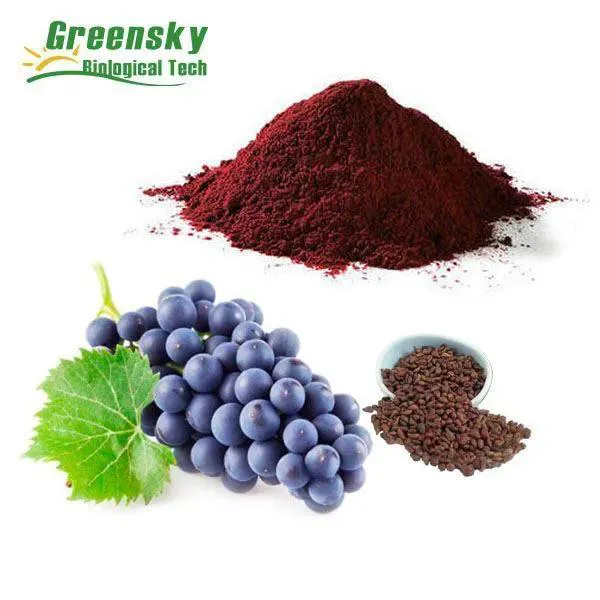
When a buyer sources grape seed extract from a Chinese factory, the certificate of analysis is only the visible part of a much larger story. What really determines whether a batch is safe, standardized, and consistent is the quality control system behind it. A well-run factory in China does not test only at the end of the line; it builds checks into every stage, from the moment the grape seeds arrive at the gate until the powder is sealed for export. Understanding these processes helps you separate a reliable manufacturing partner from one that only promises quality on paper.
Starting at the source: raw material inspection
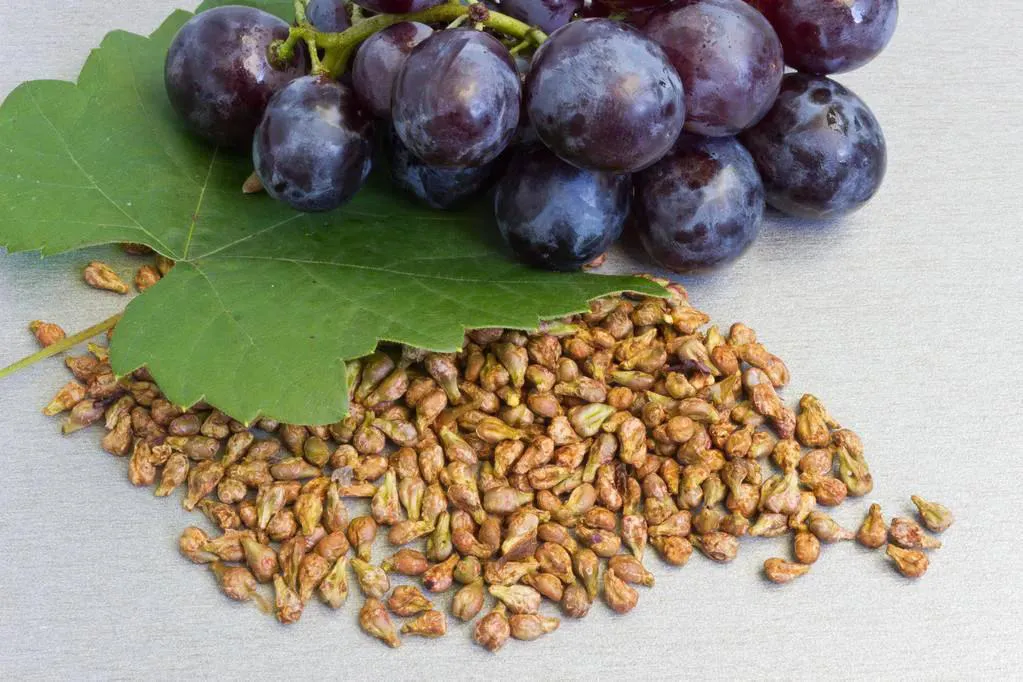
Quality control in a grape seed extract factory begins with the seed itself. Most makers source grape seeds as a by-product of wine and juice production, which means the raw material can vary in moisture, variety, and cleanliness. A disciplined supplier runs identity checks on every incoming lot and screens for pesticide residues, heavy metals, and microbial load before the seeds are accepted into production. This first gate is often where inconsistent batches are quietly removed.
At factories that operate with full vertical integration, like Hangzhou Greensky Biological Tech. Co., Ltd., raw material control is handled in-house rather than left to a broker. The company manages its own sourcing and processing chain, which shortens the distance between field and finished powder and makes it easier to trace any problem back to a specific batch.
In-process control during extraction and drying
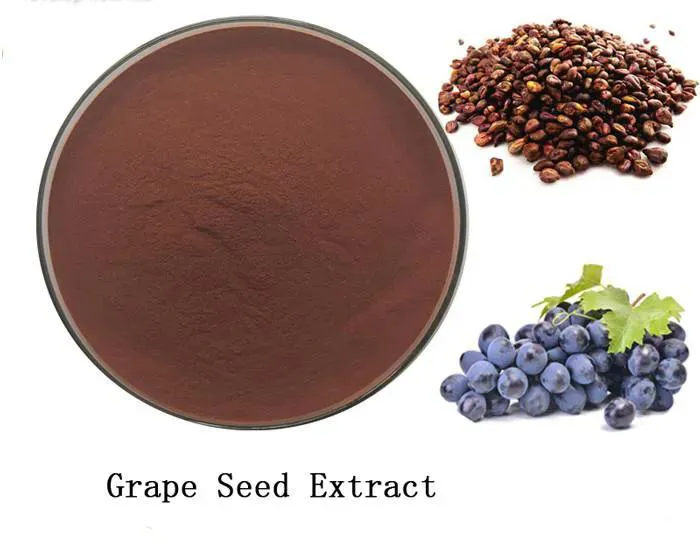
Tests at the end of the line can tell you whether a batch is acceptable, but they cannot tell you why it went wrong. That is why serious factories monitor the process itself. During solvent extraction, operators track temperature, time, and solvent ratio so that the active proanthocyanidins are pulled out without being degraded. After extraction, the liquid is filtered and concentrated under vacuum at low temperature to protect heat-sensitive compounds.
The environment this happens in matters as much as the equipment. Greensky runs a 100,000-class clean production area that meets food-grade requirements and is free of irradiation, so the powder is not exposed to radiation treatment at any point. In-process samples are pulled between stages and checked against target parameters, so an off-spec intermediate is caught before it becomes a costly finished batch.
The laboratory behind the certificate
A certificate of analysis is only as trustworthy as the lab that issued it. A credible Chinese factory maintains an independent laboratory stocked with the instruments needed to verify its own claims. In a Grape Seed Extract plant, the key measurements are active ingredient content, purity, and safety. High-performance liquid chromatography (HPLC) quantifies the oligomeric proanthocyanidins, the compounds that give Grape Seed Extract most of its antioxidant value. Ultraviolet (UV) spectroscopy supports identity and purity checks, while gas chromatography (GC) is used to screen for residual solvents and pesticide traces. Microbial testing covers total plate count, yeast, mold, and targeted pathogens.
Greensky's own laboratory is equipped with GC, HPLC, UV, and related instruments, and the site also uses six-ton multi-functional extraction tanks, high-efficiency low-temperature concentrators, spray drying towers, vacuum drying boxes, and separation columns. Testing in-house does not mean testing alone; independent results still matter for export markets.
Finished product testing before release
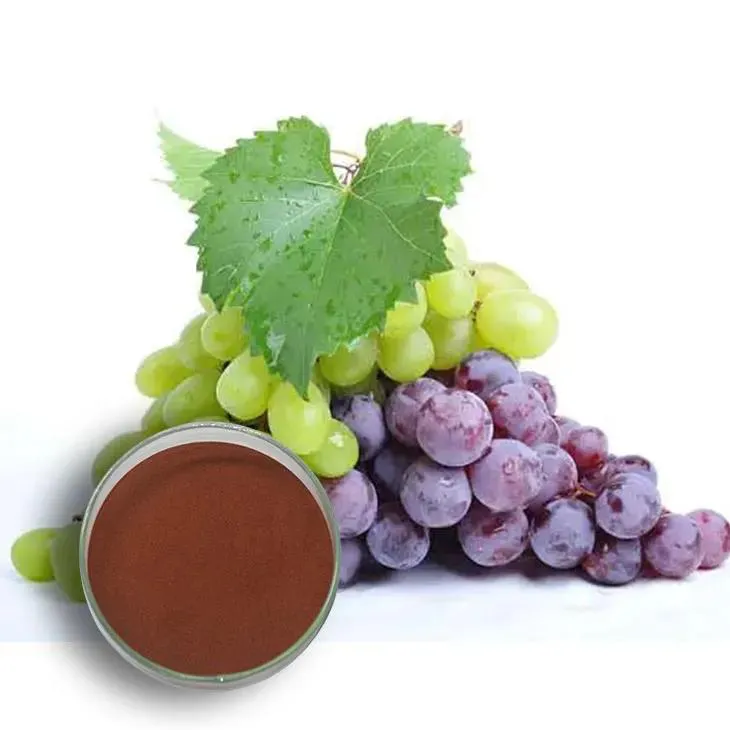
Before any batch is cleared for shipping, the finished powder goes through a release test that mirrors the specification agreed with the buyer. This typically covers active compound content, moisture and ash, heavy metals such as lead, arsenic, cadmium and mercury, residual solvents, and microbial limits. Only a batch that passes every check is released, and the results are recorded so they can be matched to the batch number on the shipping documents.
For buyers in Europe, the United States, South Korea, and Russia, these records matter because they support regulatory submissions in the destination country. Greensky prepares export registration and documentation for global regulatory filings, which is a practical sign that its quality system is built for cross-border trade rather than domestic sales only.
Independent verification and certifications
No factory should be the only judge of its own output. Reputable suppliers send samples to third-party laboratories such as SGS for independent confirmation, and they hold certifications that are audited by outside bodies. A meaningful set of credentials for a Grape Seed Extract manufacturer includes a food safety system certificate, a GMP audit, and religious certifications if the product targets Kosher or Halal markets.
Greensky holds ISO22000, BRCGS, Ecocert Organic Standard, SGS-GMP, ISO9001, HALAL, and Kosher certifications, and is registered as a national high-tech enterprise and an export food production enterprise. These are not decorative; they are renewed through recurring audits, which keeps the quality system under external pressure to stay honest.
Traceability and documentation
Quality control is only complete when every check can be traced. A well-run factory keeps batch records that link the raw material lot, production date, process parameters, test results, and packaging details to a single identification number. If a complaint or a regulatory question arises months later, the batch can be pulled and reviewed without guesswork. This traceability is one of the clearest signs of a mature quality system, and it is difficult to fake convincingly.
What buyers should look for
When you evaluate a grape seed extract supplier, ask for more than a price list. Ask which stages are tested and with what instruments, whether the lab is independent from production, whether the factory holds current third-party certifications, and whether it can provide batch-level traceability. Ask, too, for samples you can test in your own laboratory, and be wary of any supplier that cannot explain its process in concrete terms.
A strong quality control program is not a single test or a certificate; it is a chain of checks that runs from the raw seed to the sealed drum. Factories that can show you that entire chain, with real instruments, real records, and real audits behind it, are the ones most likely to deliver the consistent, safe, standardized grape seed extract your own products depend on.
- ▶ Hesperidin
- ▶ Citrus Bioflavonoids
- ▶ Plant Extract
- ▶ lycopene
- ▶ Diosmin
- ▶ Grape seed extract
- ▶ Sea buckthorn Juice Powder
- ▶ Fruit Juice Powder
- ▶ Hops Extract
- ▶ Artichoke Extract
- ▶ Mushroom extract
- ▶ Astaxanthin
- ▶ Green Tea Extract
- ▶ Curcumin
- ▶ Horse Chestnut Extract
- ▶ Other Product
- ▶ Boswellia Serrata Extract
- ▶ Resveratrol
- ▶ Marigold Extract
- ▶ Grape Leaf Extract
- ▶ New Product
- ▶ Aminolevulinic acid
- ▶ Cranberry Extract
- ▶ Red Yeast Rice
- ▶ Red Wine Extract
- ▶ blog
-
Passionflower Extract
2026-08-14
-
Lily extract
2026-08-14
-
Oyster Mushroom Extract Powder
2026-08-14
-
Tongkat Ali Extract Powder
2026-08-14
-
Beta Carotene
2026-08-14
-
Grape Seed Extract
2026-08-14
-
Red Vine Extract
2026-08-14
-
Astaxanthin
2026-08-14
-
Chasteberry Extract
2026-08-14
-
White mustard seed extract
2026-08-14