- 0086-571-85302990
- [email protected]






What organic certifications should organic fruit powder products have?
2026-08-13
Organic fruit powder has moved from a niche specialty to a mainstream ingredient in smoothies, functional beverages, bakery products, and dietary supplements. As demand grows, so does the number of products claiming to be "organic." For buyers who source fruit powder in bulk, the difference between a genuine organic product and a loosely labeled one comes down to one thing: certification. Understanding which organic certifications matter, what each one actually verifies, and how to confirm a supplier's claims is the most reliable way to protect your brand and your customers.
Why organic certification matters for fruit powder
Fruit powder is a concentrated form of fruit, so the quality of the raw fruit and the way it is processed directly affects the final product. Organic certification is not just a marketing label. It verifies that the fruit was grown without synthetic pesticides, chemical fertilizers, genetically modified organisms, or sewage sludge, and that the processing facility follows strict rules about additives, cleaning agents, and handling practices. For an ingredient that is often used in food and health products, this traceability and accountability are essential.
Certification also opens doors to markets. Many retailers and regulatory bodies in Europe, the United States, and other regions will not accept an "organic" claim without a recognized certificate behind it. A certified organic fruit powder supplier can therefore serve a wider range of customers and command a more credible position in the market.
The key organic certifications to look for
Not all organic certifications are the same. Each one is tied to a specific country or region and has its own rules, inspection process, and label. When evaluating organic fruit powder, these are the certifications that carry the most weight.
USDA Organic
The USDA Organic seal is administered by the United States Department of Agriculture under the National Organic Program (NOP). To use the seal, a product must contain at least 95 percent certified organic ingredients, and the remaining ingredients must come from an approved national list. The rules prohibit genetic engineering, ionizing radiation, and sewage sludge. Products are inspected by a USDA-accredited certifying agent, so the seal represents a genuine, audited claim rather than a self-declaration.
EU Organic
The EU organic logo is one of the most recognized organic marks in the world and is required for most pre-packaged organic food sold in the European union. It is governed by strict EU regulations that cover the entire production chain, from the farm to the processor. Because the EU is one of the largest organic consumer markets, EU organic certification is often a practical requirement for suppliers who want to sell fruit powder to European customers.
Ecocert Organic
Ecocert is an independent certification body that operates internationally and is accredited to certify against a range of organic standards, including EU organic and other national schemes. Since its founding in 1991, Ecocert has become one of the most respected organic certifiers in the world. When a supplier holds Ecocert organic certification, it means their raw materials, facilities, and handling practices have been independently audited to confirm that organic claims are accurate. For buyers, an Ecocert-certified supplier provides strong assurance that the organic status of the fruit powder is real and verifiable.
China Organic (GB/T 19630)
For fruit powder sourced from China, the national organic standard GB/T 19630 is the relevant framework. It sets requirements for organic production, processing, labeling, and management systems, and it explicitly prohibits the use of genetically engineered organisms and their derivatives in organic products. China organic certification is voluntary, but it is an important baseline for Chinese manufacturers who want to demonstrate that their organic claims meet a recognized national standard before pursuing international certification.
Supporting certifications that add confidence
Beyond the organic labels themselves, several food-safety and quality certifications give buyers additional confidence in a fruit powder supplier. ISO22000 and BRCGS confirm that the facility operates a robust food safety management system. HALAL and Kosher certifications expand the product's suitability for specific consumer groups and markets. A GMP-certified production environment, such as one verified against SGS-GMP standards, indicates that the facility follows good manufacturing practices consistently. When a supplier holds organic certification alongside these credentials, it signals a serious, well-run operation rather than a company chasing a single label.
How to verify a supplier's organic claims
A certificate number on a website is only the beginning. Before committing to a supplier of organic fruit powder, ask for the actual certificate and check that it is current and issued by an accredited body. Confirm that the certificate covers the specific product you are buying, not just the company as a whole. Request a Certificate of Analysis (COA) for each batch to verify purity and quality. If possible, ask about the source of the raw fruit and whether the supplier can trace it back to certified organic farms. A transparent supplier will be happy to share this documentation, because their certifications are their strongest selling point.
Choosing a certified organic fruit powder partner
Greensky, a Hangzhou-based manufacturer founded in 2004, is an example of a supplier that treats certification as a core part of its business. With more than 20 years of experience in botanical ingredients, Greensky holds Ecocert Organic Standard certification as well as ISO22000, BRCGS, SGS-GMP, ISO9001, HALAL, and Kosher. Its production runs in a 100,000-class clean area that meets food-grade requirements, and its independent laboratory is equipped with GC, HPLC, and UV instruments for quality control. For buyers sourcing organic fruit powder, this combination of organic certification and food-safety credentials offers a practical benchmark for what a reliable partner should look like.
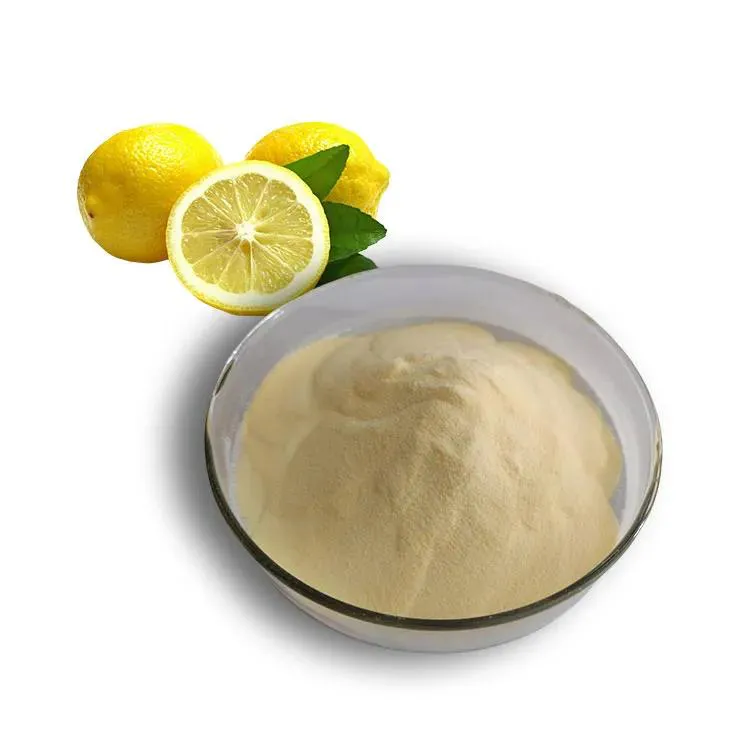
Greensky's fruit juice powder range includes products such as organic lemon juice powder, Sea buckthorn Juice Powder, Beetroot juice Powder, and Acerola Juice Powder, all supplied through the company's fruit and vegetable extract category. The same commitment to quality and certification extends across its broader plant extract catalog.
Conclusion
The organic certifications a fruit powder product should carry depend on where it will be sold, but the most recognized and valuable ones are USDA Organic, EU Organic, Ecocert Organic, and China Organic under GB/T 19630. These certifications verify that the fruit was grown and processed without prohibited substances and that the organic claim has been independently audited. Supporting credentials such as ISO22000, BRCGS, HALAL, and Kosher add further confidence. When you choose a supplier, do not rely on a label alone. Check the certificate, confirm it covers your product, and request batch documentation. A supplier that openly shares its certifications, like Greensky, is far more likely to deliver organic fruit powder that truly meets the standard.
- ▶ Hesperidin
- ▶ Citrus Bioflavonoids
- ▶ Plant Extract
- ▶ lycopene
- ▶ Diosmin
- ▶ Grape seed extract
- ▶ Sea buckthorn Juice Powder
- ▶ Fruit Juice Powder
- ▶ Hops Extract
- ▶ Artichoke Extract
- ▶ Mushroom extract
- ▶ Astaxanthin
- ▶ Green Tea Extract
- ▶ Curcumin
- ▶ Horse Chestnut Extract
- ▶ Other Product
- ▶ Boswellia Serrata Extract
- ▶ Resveratrol
- ▶ Marigold Extract
- ▶ Grape Leaf Extract
- ▶ New Product
- ▶ Aminolevulinic acid
- ▶ Cranberry Extract
- ▶ Red Yeast Rice
- ▶ Red Wine Extract
- ▶ blog
-
Calendula Extract
2026-08-13
-
Centella Asiatica Extract
2026-08-13
-
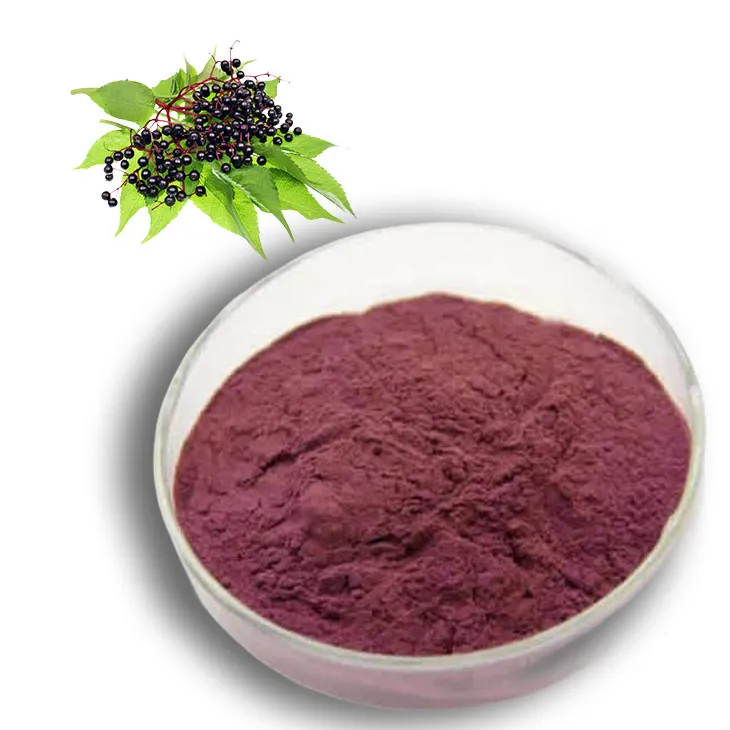
Elderberry Extract
2026-08-13
-
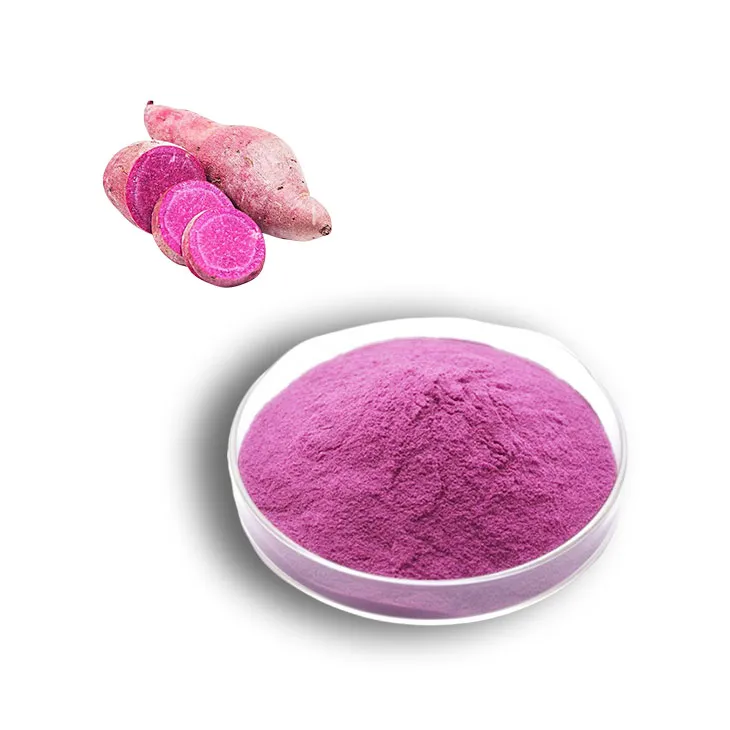
Purple Sweet Potato Extract
2026-08-13
-
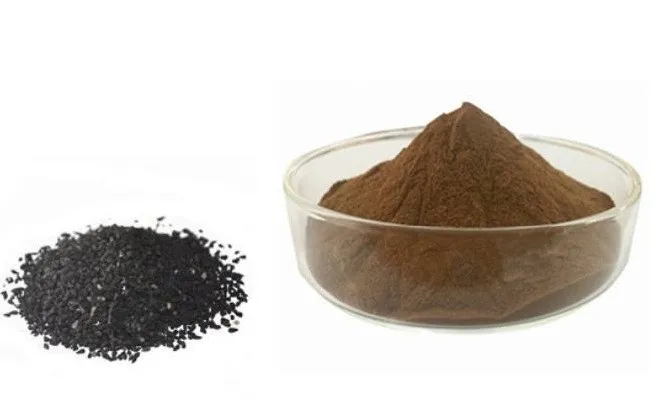
Black Seed Extract
2026-08-13
-
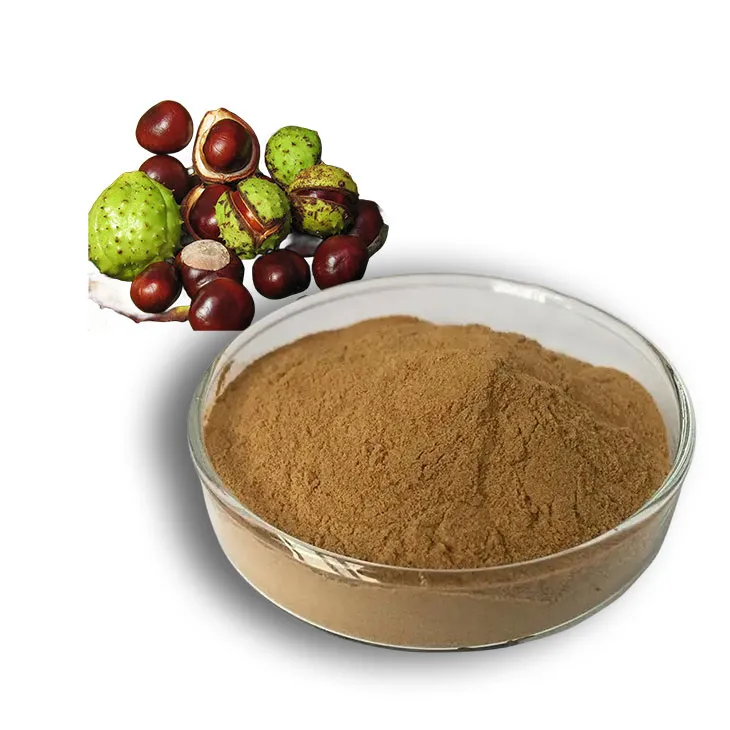
Horse Chestnut Extract
2026-08-13
-
Magnolia Bark Extract
2026-08-13
-
Nutmeg Extract
2026-08-13
-
Moringa powder
2026-08-13
-
Liposomal Berberine HCl
2026-08-13
