- 0086-571-85302990
- [email protected]




What makes acerola berry extract a natural vitamin C source?
2026-08-13
If you have ever looked at a supplement label and wondered why so many brands list acerola berry extract as their vitamin C source, you are not alone. Acerola, the small red fruit also known as Barbados cherry or West Indian cherry, is widely regarded as one of the most concentrated natural sources of ascorbic acid on the planet. This article explains exactly what makes acerola berry extract a natural vitamin C source, how it compares with synthetic vitamin C, and what to look for when sourcing it for food, beverage, and supplement products.
What is acerola berry?
Acerola (scientific name Malpighia emarginata) is an evergreen shrub native to tropical and subtropical regions of South America, Central America, and the Caribbean. The tree produces small, cherry-like fruits that turn from green to bright red as they ripen. What sets acerola apart from ordinary cherries is not its taste but its exceptionally high concentration of vitamin C, which makes it a favorite among formulators of natural health products.
Unlike synthetic ascorbic acid produced in a laboratory, the acerola berry grows naturally in the field. When the fruit is processed into a concentrated powder or extract, much of the vitamin C and the accompanying plant nutrients are preserved, giving manufacturers a clean-label ingredient that consumers increasingly associate with "natural" and "whole-food" nutrition.
Why acerola is called a natural vitamin C source
The main reason acerola earns the "natural vitamin C" label is its sheer content. Scientific studies report that acerola fruit contains roughly 1,500 to 4,500 mg of ascorbic acid per 100 g, which is about 50 to 100 times higher than the vitamin C level found in oranges or lemons. Because humans cannot synthesize vitamin C on their own, we depend entirely on dietary sources, and acerola delivers a very large amount in a very small fruit.
Perhaps more importantly, vitamin C in acerola is not isolated. It comes as part of a botanical matrix that includes carotenoids, phenolic compounds, flavonoids, and anthocyanins. Some studies suggest that the vitamin C in acerola may be absorbed and retained more effectively than synthetic ascorbic acid taken alone, because these accompanying plant compounds appear to support its absorption and stability in the body.
Natural Acerola Extract versus synthetic vitamin C
The difference between natural and synthetic vitamin C matters for both formulators and end consumers. Synthetic ascorbic acid is chemically identical to the vitamin C in food, and it is inexpensive and easy to standardize. However, it is a single isolated molecule. Natural sources such as acerola berry extract deliver ascorbic acid together with a suite of secondary plant nutrients that may work together, which is why many brands choose a botanical source for premium, whole-food positioning.
For a B2B buyer, the practical advantage of natural Acerola Extract is labeling flexibility. Products can be marketed as "naturally sourced vitamin C," "whole-fruit vitamin C," or "plant-based vitamin C," which resonates with clean-label and sustainability-minded consumers.
Beyond vitamin C: the supporting nutrients
Acerola is a functional ingredient rather than a simple vitamin supplement. Besides ascorbic acid, it contains pro-vitamin A, vitamins B1 and B2, niacin, and essential minerals such as iron, phosphorus, and calcium. Its antioxidant capacity is high, which is why Acerola Extract is commonly used to support immune function, skin health, and overall antioxidant defense.
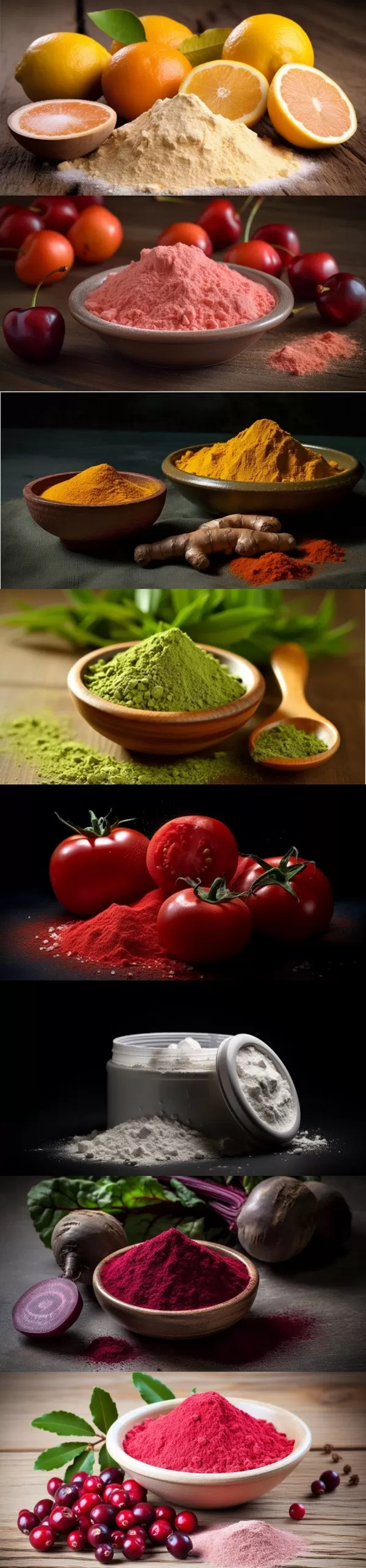
Because of this nutrient profile, acerola is used across a wide range of applications: chewable tablets and effervescent vitamin C supplements, immune-support drink mixes, functional beverages, smoothies, fruit juice powders, and even cosmetic and skincare formulations. Manufacturers can source acerola in several forms, including a powdered acerola extract standardized for vitamin C content and a fruit juice powder that retains the natural flavor and color of the fruit.
What to look for when sourcing acerola extracts
Not all acerola ingredients are created equal. When evaluating a supplier, pay attention to the standardized vitamin C content, the extraction and drying process, and the quality systems behind the product. Spray-dried and low-temperature processed powders tend to preserve more of the delicate ascorbic acid and phytonutrients than harsh, high-heat processing.
A reliable manufacturer should be able to provide consistent specifications, batch documentation, and certificates that support global regulatory submissions. For brands planning to sell in Europe, the United States, South Korea, or other regulated markets, working with a supplier that has the right certifications makes the qualification process much smoother.
Why choose Greensky for acerola berry extract
Greensky is a professional manufacturer of natural plant extracts with more than 20 years of experience, founded in 2004 and headquartered in Hangzhou, China. The company operates with full vertical integration, covering research, development, production, and sales, and it produces both Acerola Extract and Acerola Juice Powder alongside hundreds of other botanical ingredients.
Greensky's production facilities include a 100,000-class clean area that meets food-grade requirements, an independent laboratory equipped with GC, HPLC, and UV instruments, and modern equipment such as 6-ton multifunctional extraction tanks, low-temperature concentrators, and spray drying towers. This setup allows the company to control quality from raw fruit to finished powder and to deliver consistent, traceable batches.
The company holds ISO22000, BRCGS, Ecocert Organic, SGS-GMP, ISO9001, HALAL, and Kosher certifications, and it exports to markets in Europe, the United States, South Korea, and Russia. For buyers of plant extract ingredients, this combination of manufacturing depth, clean production, and regulatory documentation makes Greensky a dependable partner for natural vitamin C ingredients.
In short, acerola berry extract qualifies as a natural vitamin C source because it delivers a remarkably high concentration of ascorbic acid within a whole-fruit botanical matrix that also provides carotenoids, antioxidants, and B vitamins. For formulators looking to meet growing consumer demand for natural, clean-label vitamin C, acerola offers a compelling, versatile option. If you are sourcing acerola extract or Acerola Juice Powder for your next product, working with an experienced plant extract manufacturer such as Greensky ensures the quality, consistency, and documentation your brand needs.
- ▶ Hesperidin
- ▶ Citrus Bioflavonoids
- ▶ Plant Extract
- ▶ lycopene
- ▶ Diosmin
- ▶ Grape seed extract
- ▶ Sea buckthorn Juice Powder
- ▶ Fruit Juice Powder
- ▶ Hops Extract
- ▶ Artichoke Extract
- ▶ Mushroom extract
- ▶ Astaxanthin
- ▶ Green Tea Extract
- ▶ Curcumin
- ▶ Horse Chestnut Extract
- ▶ Other Product
- ▶ Boswellia Serrata Extract
- ▶ Resveratrol
- ▶ Marigold Extract
- ▶ Grape Leaf Extract
- ▶ New Product
- ▶ Aminolevulinic acid
- ▶ Cranberry Extract
- ▶ Red Yeast Rice
- ▶ Red Wine Extract
- ▶ blog
-
Magnolia Bark Extract
2026-08-13
-
Elderberry Extract
2026-08-13
-
Sea buckthorn Juice Powder
2026-08-13
-
Fenugreek Extract Powder
2026-08-13
-
Cranberry Extract
2026-08-13
-
Tamarind extract powder
2026-08-13
-
Phosphatidylserine
2026-08-13
-
Sugarcane Extract
2026-08-13
-
Artichoke Leaf Extract
2026-08-13
-
Polygonum Cuspidatum Extract
2026-08-13