- 0086-571-85302990
- [email protected]




What is the vegetable extract powder manufacturing process?
2026-08-17
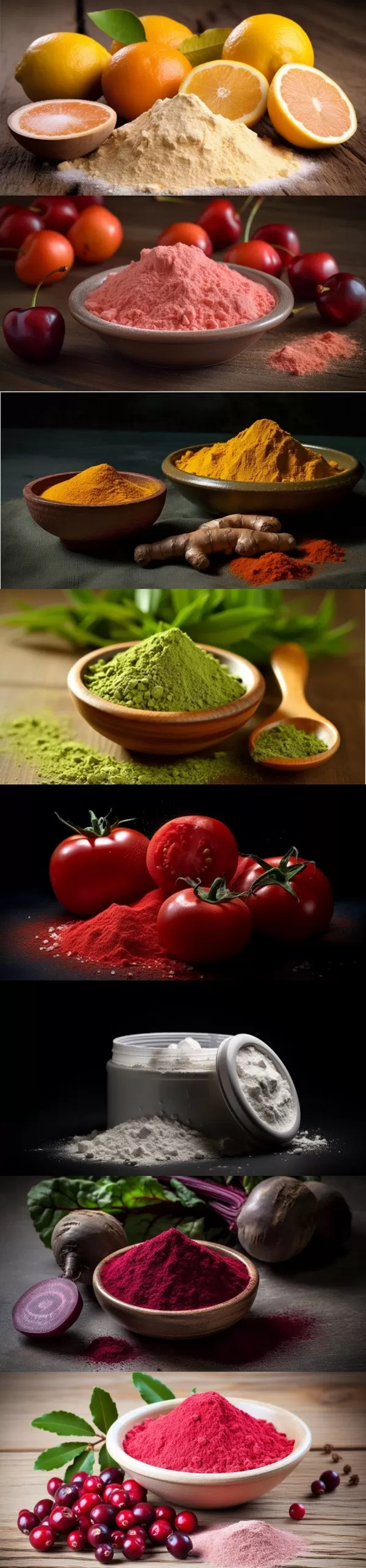
Vegetable extract powder is a concentrated, shelf-stable ingredient made by pulling the active compounds out of fresh vegetables and turning the concentrated liquid into a fine powder. It is the workhorse behind countless supplements, functional foods, and beverages. But how exactly does a crate of carrots or a batch of spinach become a fine, free-flowing powder? The journey is a carefully controlled sequence of steps, and understanding it helps buyers judge quality long before they place an order.
The process can be broken down into eight stages, from raw material selection to final packaging. Each stage protects the active compounds and ensures the finished powder is safe, consistent, and compliant with food regulations.
Step 1: Raw Material Selection
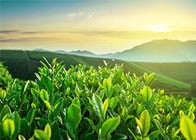
Everything starts with the raw material. Only fresh, ripe, fully developed vegetables are accepted into the production line, because the quality of the final powder depends entirely on the quality of the starting produce. Experienced manufacturers work closely with farms to make sure vegetables move from the field to the processing facility within hours, locking in nutrients, flavor, and color. Uniformity also matters: vegetables of similar size and maturity extract and dry more evenly, which translates directly into consistent batches.
Step 2: Cleaning and Pre-Treatment
Once the vegetables arrive, they are thoroughly washed to remove soil, pesticide residues, and debris, then sorted to discard any damaged or spoiled pieces. Depending on the raw material, the produce is peeled, trimmed, and cut into uniform pieces so that every part is treated equally in the next stages. Many vegetables are also blanched briefly in hot water or steam to deactivate the enzymes that would otherwise cause browning and nutrient loss during drying and storage.
Step 3: Extraction
This is the step that separates an extract powder from a simple dried powder. The prepared material is combined with a solvent, most commonly water, ethanol, or a water-ethanol mixture, and gently heated in extraction tanks. The solvent pulls out the target compounds, such as polyphenols, flavonoids, carotenoids, and vitamins. Some manufacturers also use supercritical CO2 extraction for heat-sensitive actives. In a well-equipped facility, this happens in large multi-ton extraction tanks that allow precise control of temperature and time, protecting delicate compounds from degradation.
Step 4: Filtration and Concentration
The crude extract is filtered to remove plant fiber and insoluble solids, leaving a clear liquid rich in active compounds. That liquid is then concentrated under vacuum at low temperature to remove most of the water without destroying heat-sensitive nutrients. High-efficiency low-temperature concentrators are the key equipment in this stage, and they make a real difference to the final potency of the powder.
Step 5: Drying
The concentrated liquid is then turned into powder. Spray drying is the most common method for large volumes: the liquid is atomized into a hot air chamber, where the droplets dry into fine powder in seconds. Freeze drying, also called lyophilization, is preferred for premium, heat-sensitive products because it preserves color, flavor, and nutrients better, although it is slower and more expensive. Drum drying is another option for certain materials. The choice of drying method depends on the vegetable, the target quality, and the production volume.
Step 6: Milling and Sieving
If needed, the dried material is milled to the target particle size and passed through sieves to guarantee uniformity. This ensures the powder dissolves evenly and blends consistently into finished formulations, whether it is going into capsules, tablets, drink mixes, or food products.
Step 7: Quality Control and Standardization
This is where reputable manufacturers earn their reputation. The powder is standardized to a specified content of marker compounds, and every batch is tested for microbial load, heavy metals, pesticide residues, and moisture. A dedicated laboratory equipped with HPLC, GC, and UV instruments runs these checks before anything leaves the plant. Independent certifications such as ISO22000, BRCGS, HALAL, and Kosher provide additional confirmation that food safety and quality systems are in place.
Step 8: Packaging and Storage
Finally, the powder is packed in moisture-proof, airtight containers, often with nitrogen flushing to displace oxygen. Proper packaging protects the powder from moisture, light, and oxidation, so it stays stable during transport and long-term storage. Good packaging is the last line of defense for everything the earlier steps worked to preserve.
Why the Process Matters to Buyers
For supplement brands and food manufacturers, the manufacturing process is the difference between a consistent, compliant ingredient and a risky one. Working with experienced plant extract manufacturers means access to standardized batches, full documentation, and regulatory support. A professional plant extract factory will share its process details, test reports, and certifications openly, so buyers can verify quality before committing.
Hangzhou Greensky Biological Tech. Co., Ltd. is one such manufacturer. Founded in 2004, the company operates five wholly-owned subsidiaries with full vertical integration from research and development to production and sales. Its production line includes 6-ton multi-functional extraction tanks, high-efficiency low-temperature concentrators, a spray drying tower, and a vacuum drying box, all housed in a 100,000-class clean production area that meets food-grade requirements. An independent laboratory equipped with GC, HPLC, and UV instruments supports every batch, and the company holds ISO22000, BRCGS, HALAL, and Kosher certifications. Beyond vegetable extracts, Greensky supplies fruit juice powders such as beetroot, acerola, lemon, and sea buckthorn, making it a convenient single source for a wide range of natural ingredients.
Conclusion
Vegetable extract powder manufacturing is a blend of agricultural sourcing, extraction chemistry, and precision engineering. Each step protects the active compounds and ensures safety. When you choose a supplier, look beyond the price: ask about the process, the equipment, the laboratory, and the certifications. That is what separates a reliable plant extract supplier from the rest.
TAGS:
- ▶ Hesperidin
- ▶ Citrus Bioflavonoids
- ▶ Plant Extract
- ▶ lycopene
- ▶ Diosmin
- ▶ Grape seed extract
- ▶ Sea buckthorn Juice Powder
- ▶ Fruit Juice Powder
- ▶ Hops Extract
- ▶ Artichoke Extract
- ▶ Mushroom extract
- ▶ Astaxanthin
- ▶ Green Tea Extract
- ▶ Curcumin
- ▶ Horse Chestnut Extract
- ▶ Other Product
- ▶ Boswellia Serrata Extract
- ▶ Resveratrol
- ▶ Marigold Extract
- ▶ Grape Leaf Extract
- ▶ New Product
- ▶ Aminolevulinic acid
- ▶ Cranberry Extract
- ▶ Red Yeast Rice
- ▶ Red Wine Extract
- ▶ blog
-
Fig Extract
2026-08-17
-
Withania Somnifera Extract
2026-08-17
-
Almond Extract Powder
2026-08-17
-
Kidney Bean Extract
2026-08-17
-
Marigold Extract
2026-08-17
-
Elderberry Extract
2026-08-17
-
Mangosteen extract powder
2026-08-17
-
Cayenne Pepper Extract
2026-08-17
-
Polygonum Cuspidatum Extract
2026-08-17
-
Clove Powder
2026-08-17