- 0086-571-85302990
- [email protected]






What is the minimum order quantity for wholesale stevia extract?
2026-08-12
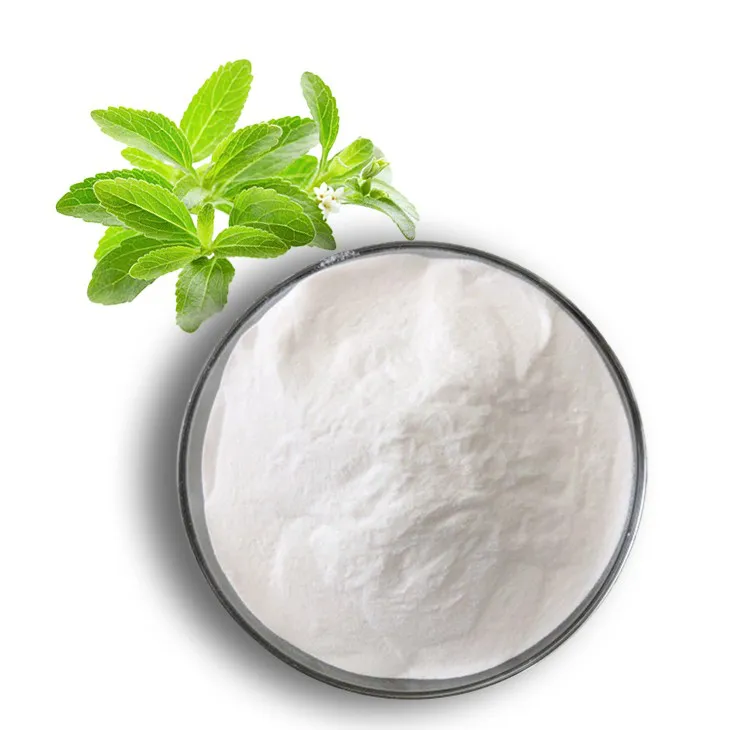
When a beverage brand or supplement company starts sourcing a sweetener in bulk, the minimum order quantity, or MOQ, is usually one of the first questions on the table. For wholesale stevia extract, the answer is not a single fixed number, because it depends on the grade, the form of the product, and the way the supplier organizes its production. Understanding why an MOQ exists, and what actually drives it, makes it much easier to plan a first order and to negotiate terms that fit a real production schedule rather than an arbitrary sales target.
Why a sweetener like Stevia Extract has an MOQ at all
Stevia Extract is not packed individually from a finished shelf product; it is produced in batches. The leaves of Stevia rebaudiana are extracted, refined, and standardized to a target level of steviol glycosides, which are the compounds that make the ingredient hundreds of times sweeter than sugar while contributing almost no calories. Each production run involves raw material, extraction and concentration steps, laboratory testing, and packaging, so the economics of a batch set a natural floor on how little a factory can economically produce and ship. That floor is the MOQ. A supplier that promises tiny order sizes without any batch logic is often simply reselling stock, which can create problems with documentation and consistency.
What actually shapes the minimum order quantity
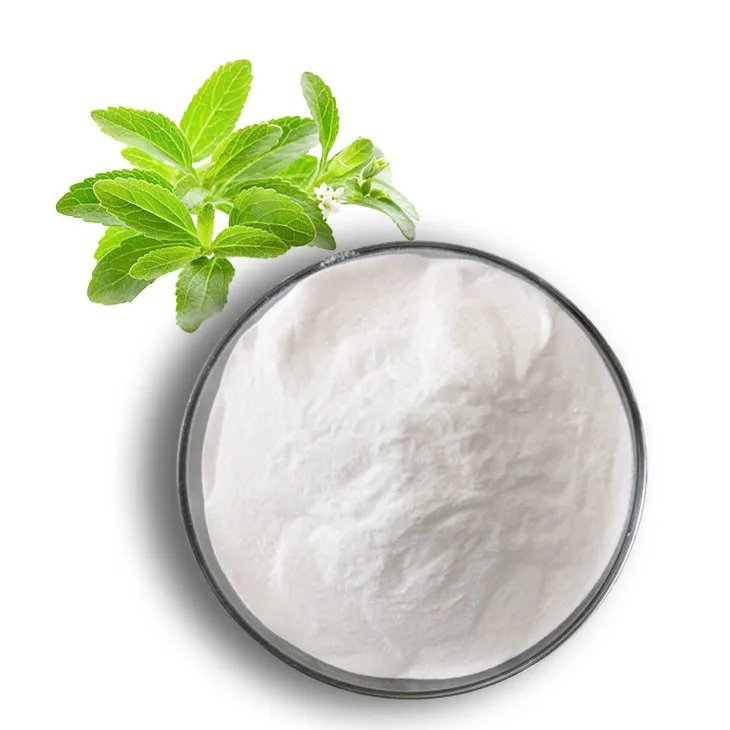
The MOQ for wholesale Stevia Extract is shaped by several factors rather than by a universal rule. The purity and specification matter first: a standard-grade powder is produced in far larger flows than a highly refined, custom-standardized grade, so the highly customized material usually carries a higher minimum. The form is just as important, because a free-flowing powder, a water-soluble grade, and a liquid concentrate each go through different processing and packaging steps. Packaging itself is another driver, since a standard drum size allows efficient filling while a special or private-label package raises the minimum. Finally, the type of order matters, because a one-off sample or a trial batch is routinely handled at a smaller volume than a commercial production order that triggers a full batch run.
Which requests raise the minimum and which lower it
Buyers can often lower the effective MOQ by being flexible. Combining several commonly stocked specifications into one order, accepting a standard package, or committing to a steady monthly volume all allow a factory to plan its production and bring the minimum down. Requests in the opposite direction tend to push the minimum up: private-label packaging, a nonstandard purity, a custom certificate or a special organic or halal filing, and tight lead times all add work that a factory compensates for through a larger order. The practical approach is to tell the supplier the intended use and the target specification from the start, so the MOQ can be quoted against the real product rather than a generic one.
How to negotiate a flexible minimum order quantity
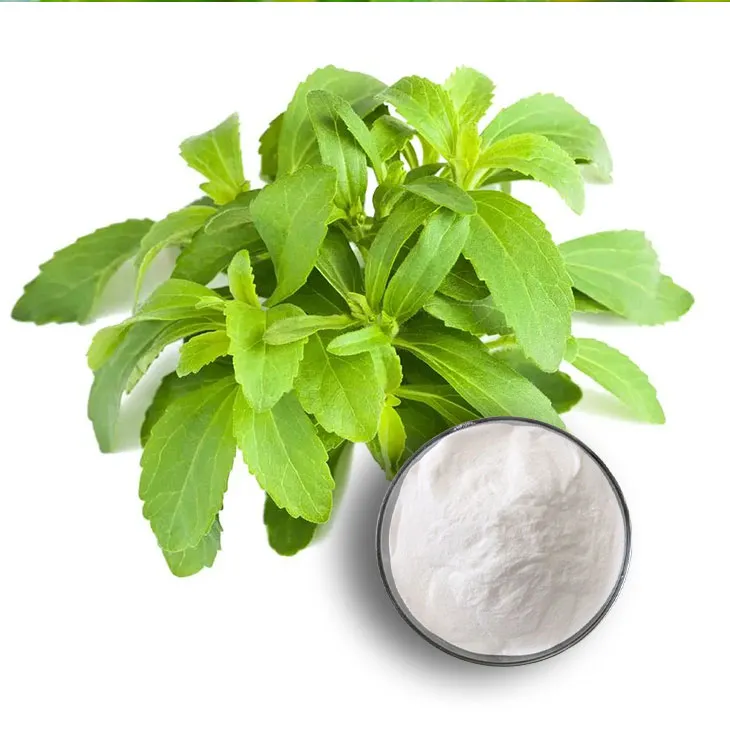
A smart negotiation starts with a small sample to confirm the specification, then moves to a trial batch that matches the product a brand actually plans to launch. From there, combining related stock-keeping units, agreeing to a schedule of repeat orders, or signing a long-term supply commitment gives the supplier enough visibility to offer a lower minimum on commercial volumes. Working directly with a factory, rather than with a middleman or trader, is the deciding factor, because a manufacturer controls its own batch sizes and can bend them for a serious buyer, while a reseller is locked into whatever stock it already holds.
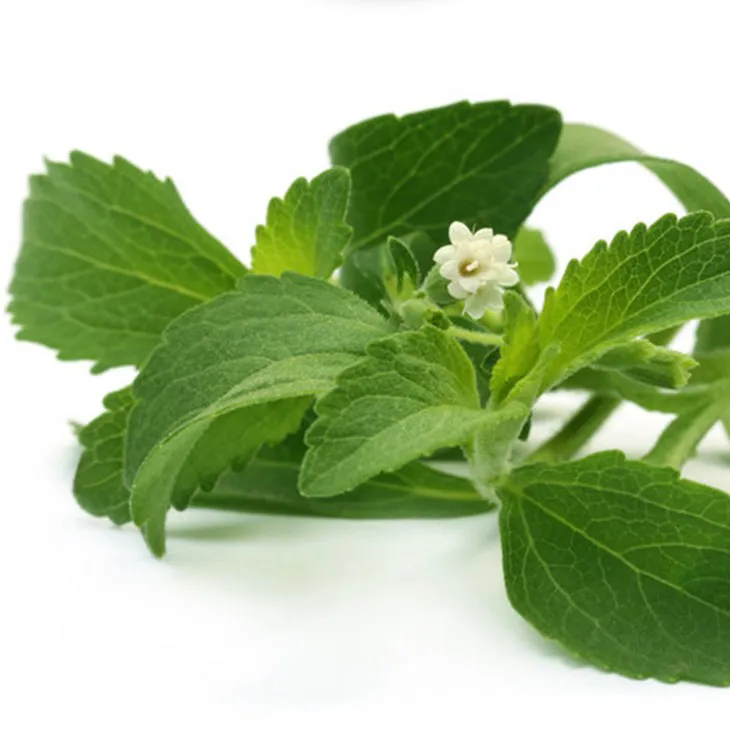
Why an integrated factory gives buyers more room
A supplier that runs its own production can be far more flexible with order sizes than one that buys and resells. Hangzhou Greensky Biological Tech. Co., Ltd. has produced natural plant extracts since 2004, and its wholly-owned subsidiaries cover research, development, production, and sales under one roof. Its independent laboratory uses HPLC, GC, and UV instruments, and its 100,000-class clean production area meets food-grade requirements, so wholesale stevia extract from Greensky ships with the batch testing and documentation that a serious buyer needs. Certification such as ISO22000, BRCGS, SGS-GMP, HALAL, and Kosher gives procurement teams confidence that the manufacturing process meets international food-safety standards. That combination of manufacturing scale and in-house quality control is exactly what allows the company to support trial orders and to scale up to steady commercial volumes without shifting specifications.
Frequently asked questions
Can I order a small quantity to test stevia extract first? Yes. Most reputable factories quote a small sample or a trial batch so the buyer can verify the specification before committing to a commercial order, and the sample MOQ is almost always lower than the production MOQ.
Does the minimum order change with the purity of the extract? Generally yes. A standard-grade powder produced in high volume carries a lower minimum, while a highly refined or custom-standardized grade, which requires more processing, usually carries a higher one.
Can I combine stevia extract with other extracts in one order? Often yes. When several commonly stocked items are combined into a single shipment, a supplier can often relax the per-item minimum, which is a practical way for brands to stock multiple ingredients efficiently.
- ▶ Hesperidin
- ▶ Citrus Bioflavonoids
- ▶ Plant Extract
- ▶ lycopene
- ▶ Diosmin
- ▶ Grape seed extract
- ▶ Sea buckthorn Juice Powder
- ▶ Fruit Juice Powder
- ▶ Hops Extract
- ▶ Artichoke Extract
- ▶ Mushroom extract
- ▶ Astaxanthin
- ▶ Green Tea Extract
- ▶ Curcumin
- ▶ Horse Chestnut Extract
- ▶ Other Product
- ▶ Boswellia Serrata Extract
- ▶ Resveratrol
- ▶ Marigold Extract
- ▶ Grape Leaf Extract
- ▶ New Product
- ▶ Aminolevulinic acid
- ▶ Cranberry Extract
- ▶ Red Yeast Rice
- ▶ Red Wine Extract
- ▶ blog
-
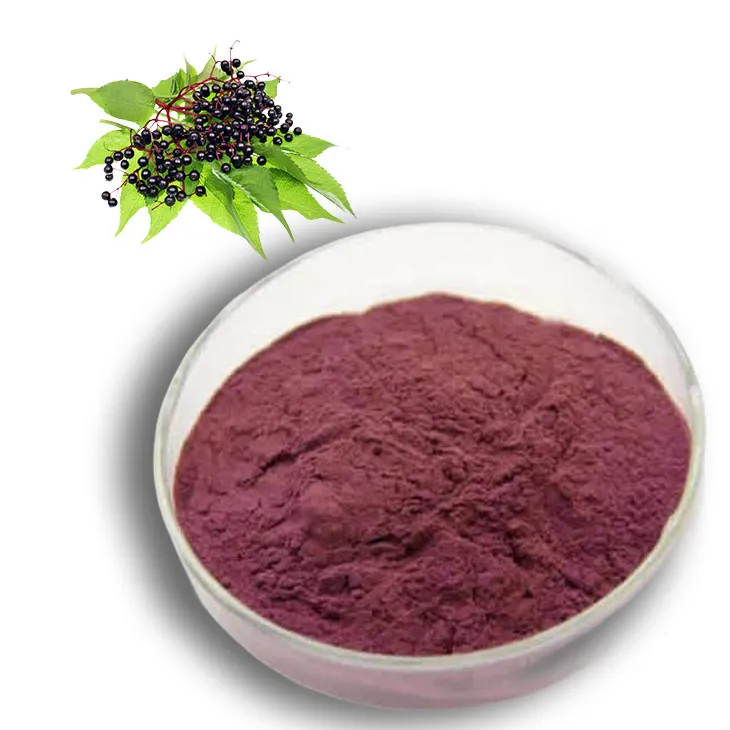
Elderberry Extract
2026-08-12
-
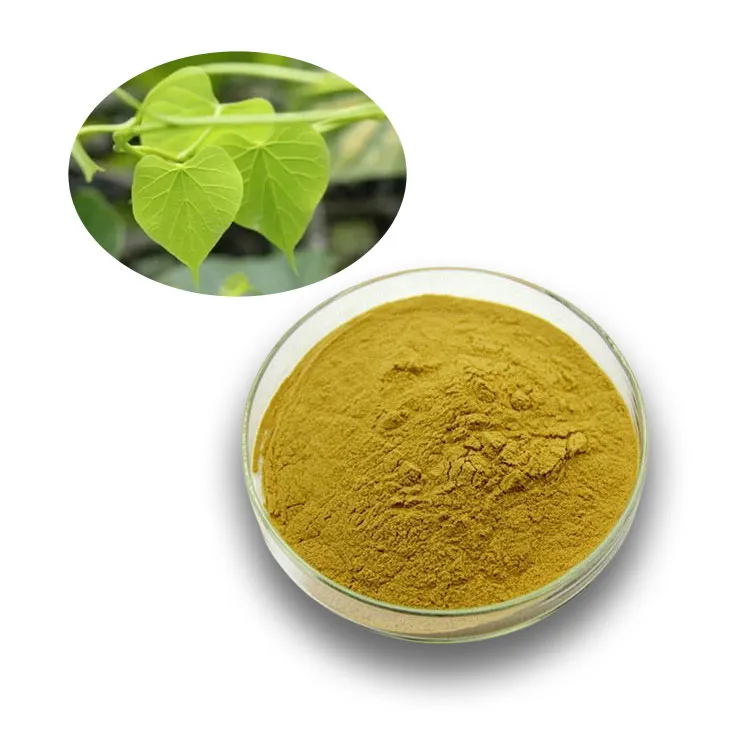
Tinospora cordifolia extract
2026-08-12
-
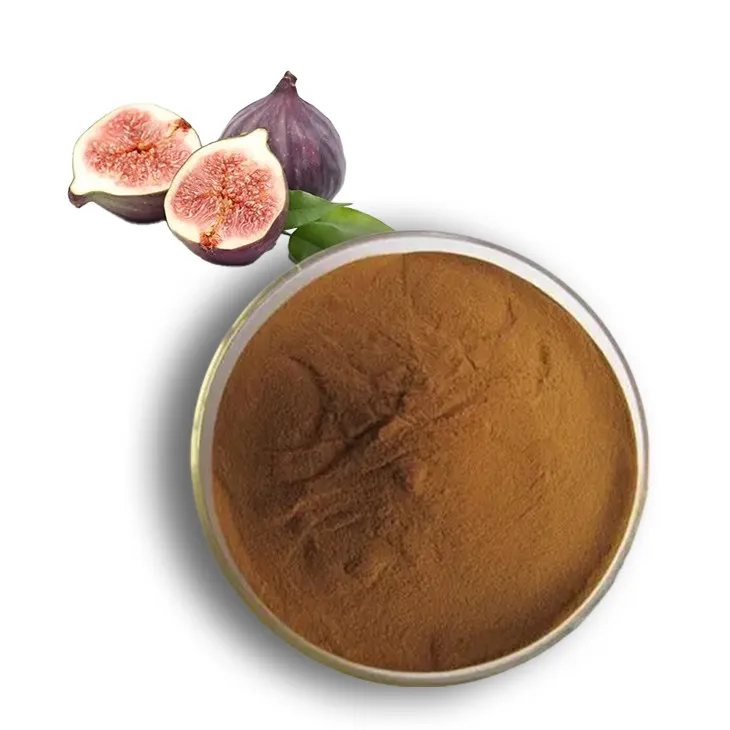
Fig Extract
2026-08-12
-
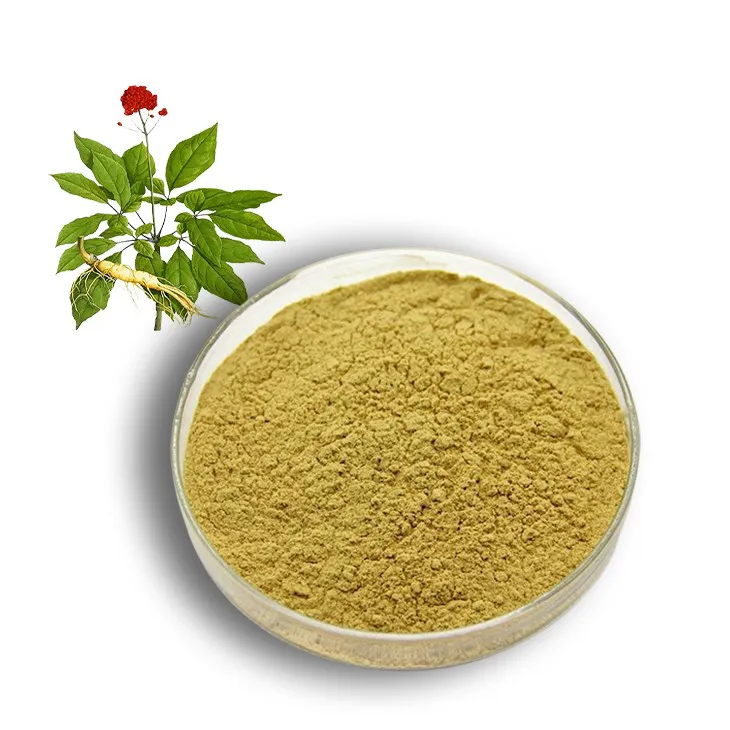
Panax Ginseng Leaf Extract
2026-08-12
-
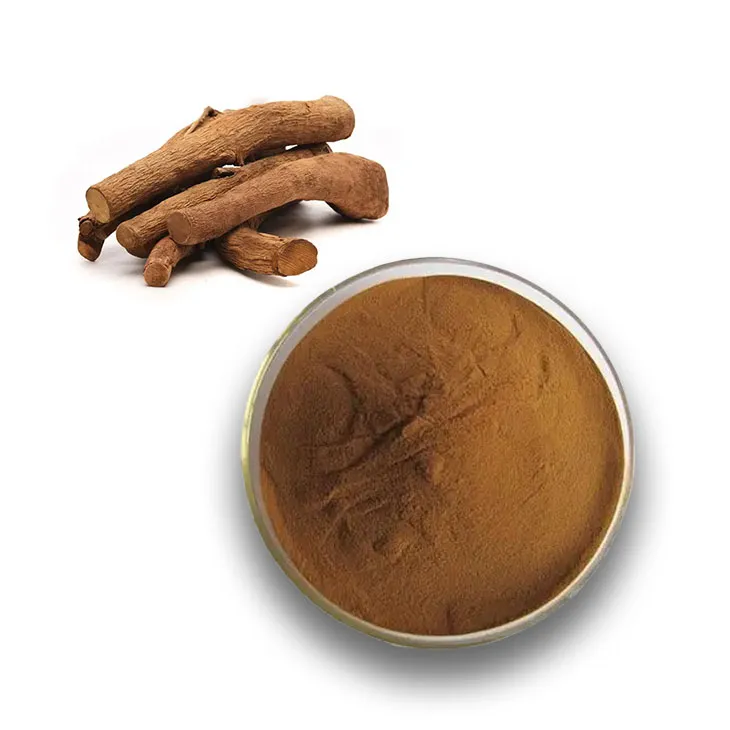
Tongkat Ali Extract
2026-08-12
-
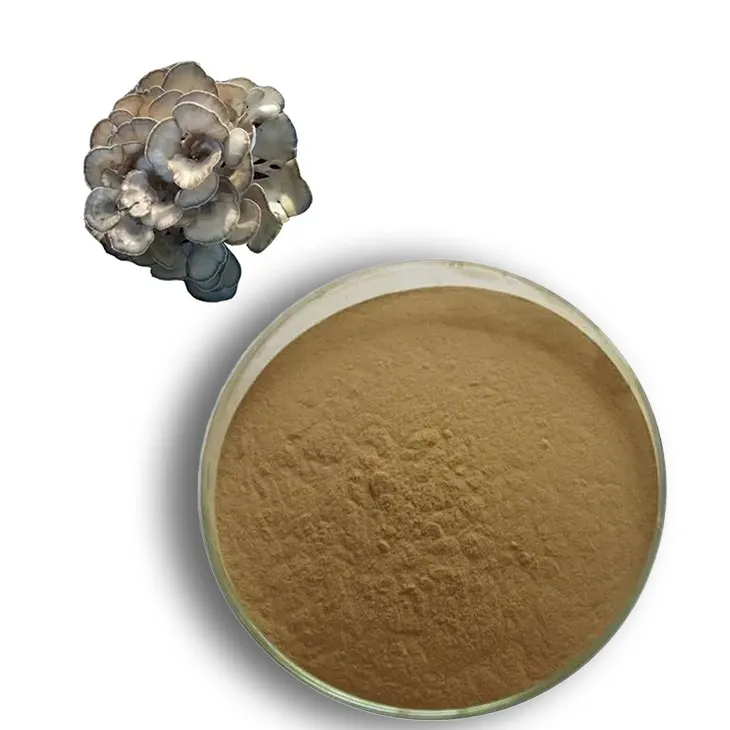
Maitake Mushroom Extract
2026-08-12
-
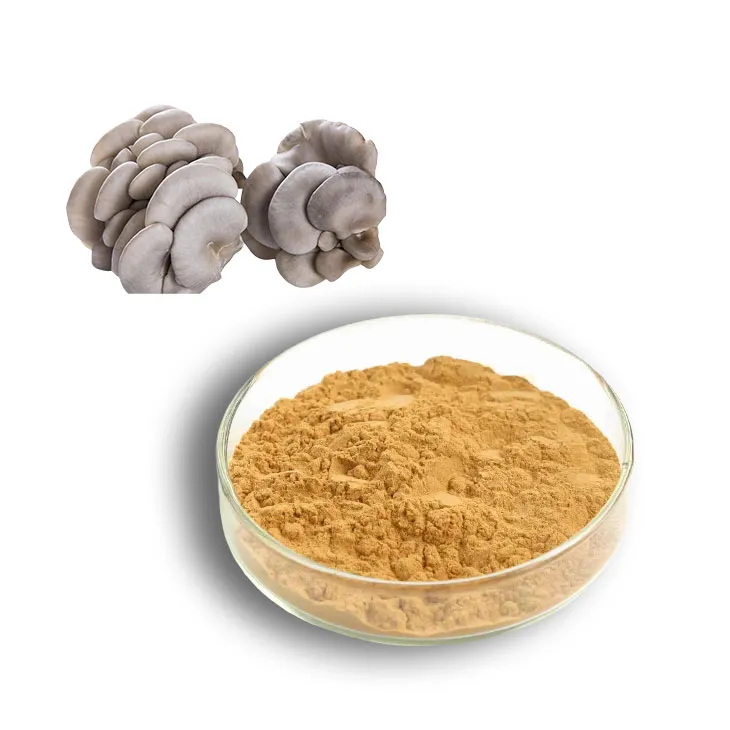
Oyster Mushroom Extract Powder
2026-08-12
-
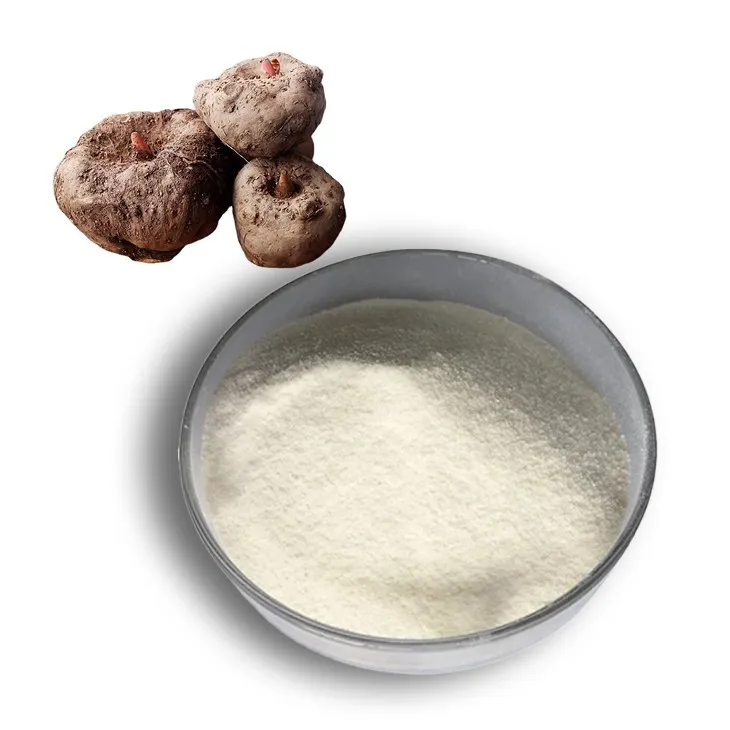
Konjac Powder
2026-08-12
-
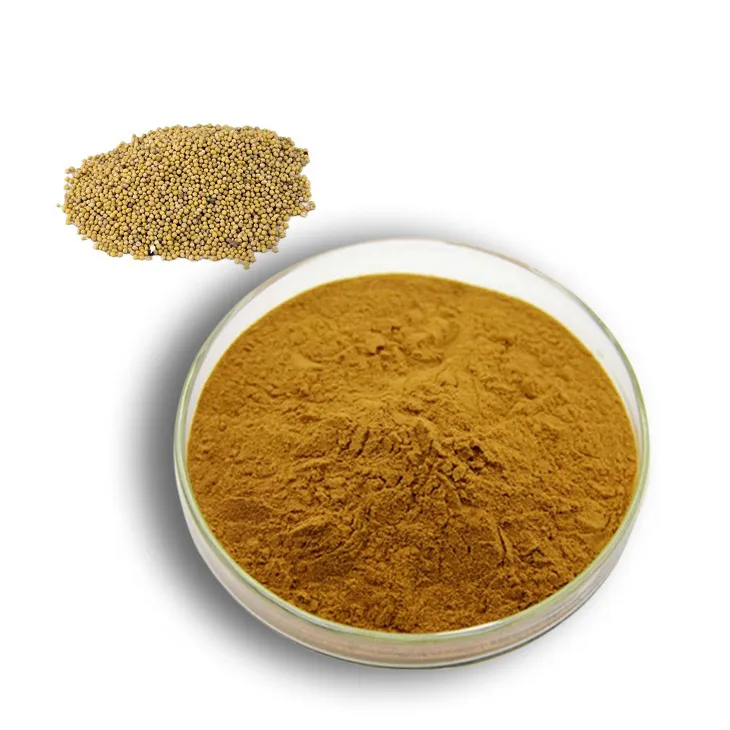
White mustard seed extract
2026-08-12
-
Cayenne Pepper Extract
2026-08-12
