- 0086-571-85302990
- [email protected]




What is the meaning of curcuminoid?
2026-08-13
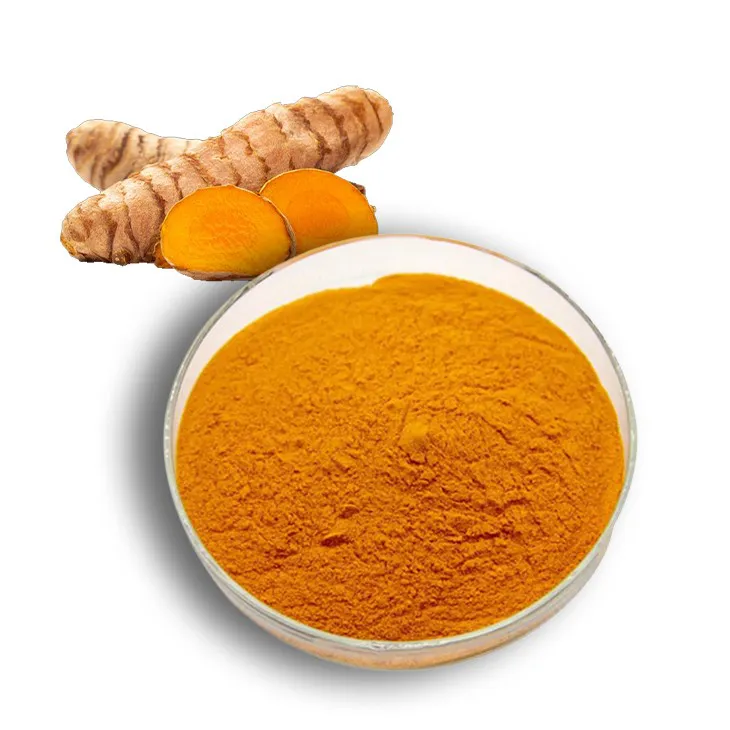
Curcuminoid is a term that appears frequently on turmeric supplement labels, yet many people are unsure what it actually stands for. In simple terms, Curcuminoids are the group of natural active compounds responsible for the rich yellow-orange colour of turmeric (Curcuma longa) and for most of its well-known health effects. If you have ever wondered what the meaning of Curcuminoid is, how it differs from plain curcumin, and why it matters when buying botanical ingredients, this guide will walk you through everything you need to know.
What Are Curcuminoids?
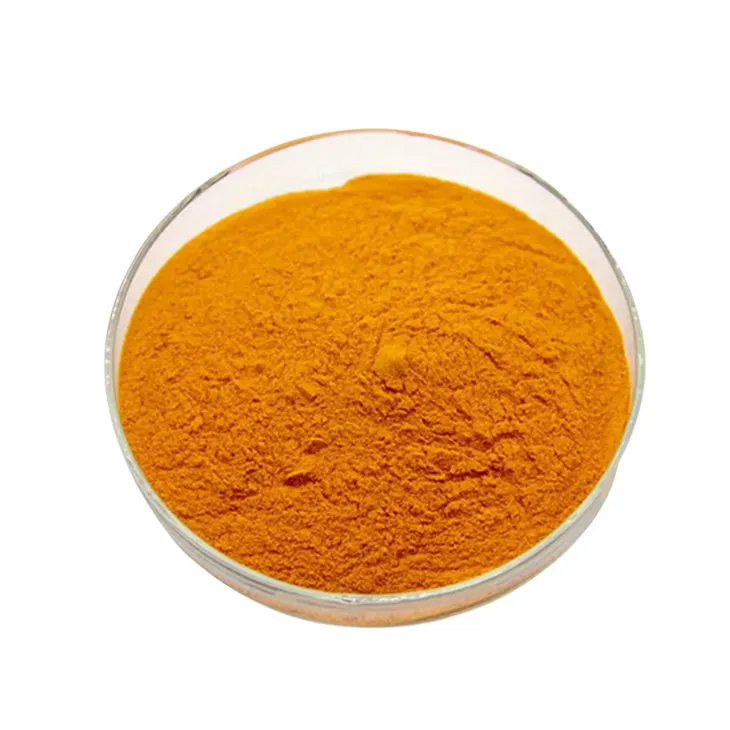
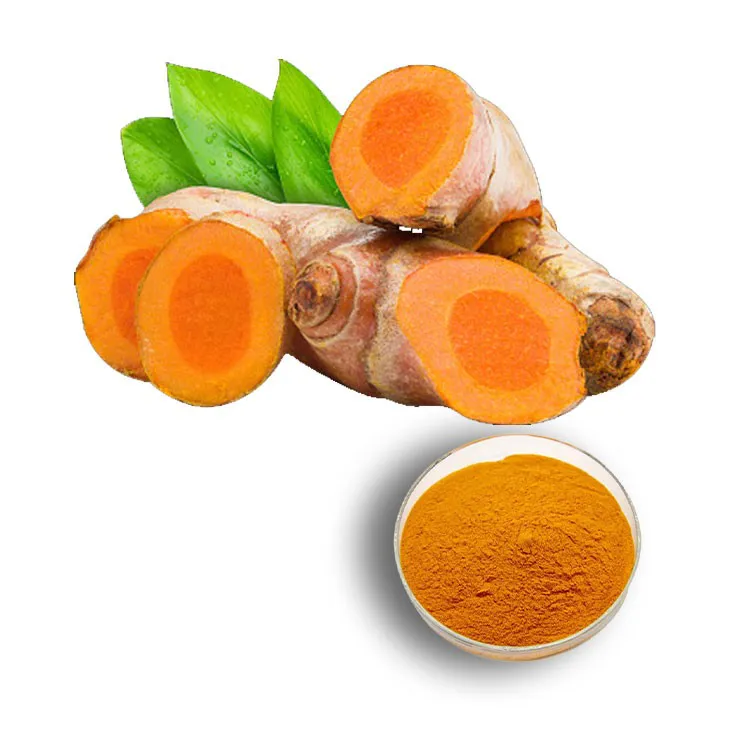
A curcuminoid is a polyphenolic compound belonging to the diarylheptanoid family, found naturally in the rhizome of the turmeric plant. Turmeric is not a single active ingredient; it contains a family of closely related compounds collectively known as curcuminoids. The three most abundant members are curcumin, demethoxycurcumin, and bisdemethoxycurcumin. In most commercial turmeric extracts, curcumin typically represents roughly 52% to 63% of the curcuminoid content, demethoxycurcumin accounts for about 19% to 27%, and bisdemethoxycurcumin makes up the remaining 18% to 28%.
Because these three compounds share a similar core structure but differ in the number of methoxy groups, they are grouped together as curcuminoids. When a product label claims a certain percentage of "curcuminoids," it usually refers to the combined presence of these compounds rather than curcumin alone. This distinction is important for buyers, because the overall curcuminoid profile influences both the colour and the biological activity of the final extract.
Where Do Curcuminoids Come From?
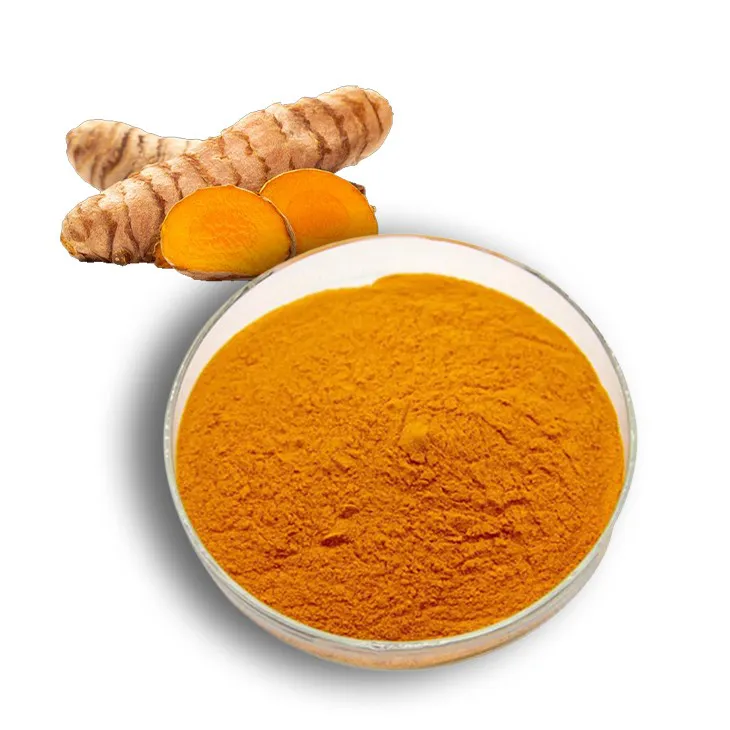
Curcuminoids are extracted from the dried rhizome of the turmeric plant, which belongs to the ginger family (Zingiberaceae). The extraction process concentrates the yellow pigment and the active polyphenols into a standardized powder that can be used in food, beverages, dietary supplements, and cosmetics. Because the raw material, growing conditions, and extraction method all affect the final curcuminoid content, working with an experienced curcumin manufacturer helps ensure a consistent and reliable product.
Greensky, a plant extract manufacturer founded in 2004 and based in Hangzhou, China, produces Curcumin Extract from carefully sourced turmeric rhizomes. With over 20 years of experience and a vertically integrated production line, the company standardizes its Curcumin Extract to deliver a dependable curcuminoid content batch after batch, supported by an independent laboratory equipped with GC, HPLC, and UV instruments.
Curcuminoids vs. Curcumin: What Is the Difference?
Curcumin is the individual and most studied compound within the curcuminoid family, while curcuminoids refer to the whole group. In other words, curcumin is one member of the curcuminoid complex, and the term curcuminoid is the umbrella term. A typical turmeric extract standardized for curcuminoids therefore contains curcumin together with its two companion molecules, demethoxycurcumin and bisdemethoxycurcumin.
This distinction matters for two reasons. First, it affects labelling: an extract can be described as "95% curcuminoids" or "95% curcumin," and the two are not identical. Second, researchers often believe that the combined curcuminoid complex may offer benefits that differ from those of isolated curcumin alone. For formulators, this is why many choose a full-spectrum curcuminoid extract rather than a single isolated compound.
Why Are Curcuminoids Valued?
Curcuminoids have attracted wide scientific interest because of their antioxidant and anti-inflammatory properties. The yellow pigment is a powerful scavenger of free radicals, which are unstable molecules that can damage cells over time. Preclinical studies have also explored the role of curcuminoids in supporting joint comfort, cardiovascular health, and general metabolic wellness.
Turmeric and its curcuminoids have been used for centuries in traditional medicine, and modern research continues to investigate their potential. It is worth noting that curcuminoids are naturally poorly soluble in water, which has led manufacturers to develop enhanced formulations such as liposomal curcumin and phytosome or C3 complex blends to improve absorption. If you are looking for pure curcumin for a formulation project, asking your supplier about the curcuminoid profile, the purity level, and any bioavailability-enhancing technology is a good starting point.
How Are Curcuminoids Used in Products?
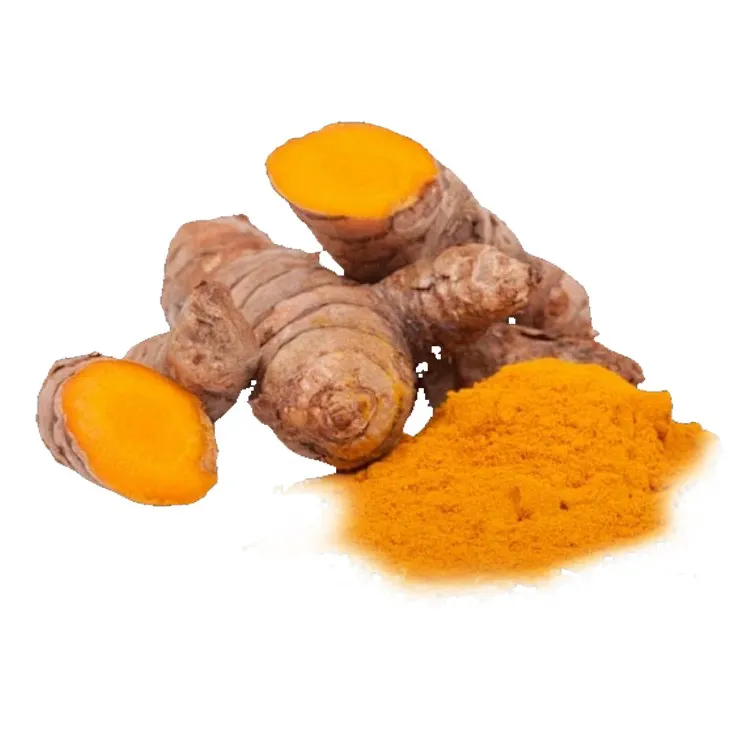
Curcuminoid extracts are widely used across several industries. In dietary supplements, they are a common ingredient in turmeric and joint-health formulas. In food and beverages, curcuminoids act as a natural colouring and flavouring agent, giving products a warm yellow hue. In cosmetics, turmeric-based ingredients are used in skin-care formulations for their antioxidant properties. Because the same raw extract can serve so many markets, consistency and documentation are essential.
This is where a reliable Curcumin Supplier makes a difference. Greensky supplies curcumin and turmeric extract to customers in Europe, the United States, South Korea, and Russia, and supports global regulatory submissions with export registration and full product documentation. Its production is certified under ISO22000, BRCGS, Ecocert Organic Standard, SGS-GMP, ISO9001, HALAL, and Kosher, giving buyers confidence in both quality and compliance.
What to Look for When Buying Curcuminoid Extract
When sourcing curcuminoid extract for commercial use, a few practical points are worth checking. Confirm the stated curcuminoid percentage and ask for a certificate of analysis. Clarify whether the extract is standardized to curcuminoids or to curcumin alone. Check the batch-to-batch consistency and the supplier's testing capability. Finally, make sure the supplier can provide the documentation needed for your target market.
A professional manufacturer such as Greensky combines a 100,000-class clean production area, food-grade processing, and an in-house laboratory to deliver consistent quality. With a wide catalog of plant extracts and a dedicated curcumin product line, the company can support both small trials and bulk orders for food, supplement, and cosmetic manufacturers worldwide.
Conclusion
In short, the meaning of curcuminoid is the family of yellow polyphenolic compounds found in turmeric, made up mainly of curcumin, demethoxycurcumin, and bisdemethoxycurcumin. Understanding the difference between curcumin and curcuminoids helps you read labels accurately and choose the right extract for your product. Whether you are developing a supplement, a functional food, or a cosmetic, selecting a trustworthy curcumin manufacturer who can deliver consistent, well-documented curcuminoid extract is the key to a successful formulation.
- ▶ Hesperidin
- ▶ Citrus Bioflavonoids
- ▶ Plant Extract
- ▶ lycopene
- ▶ Diosmin
- ▶ Grape seed extract
- ▶ Sea buckthorn Juice Powder
- ▶ Fruit Juice Powder
- ▶ Hops Extract
- ▶ Artichoke Extract
- ▶ Mushroom extract
- ▶ Astaxanthin
- ▶ Green Tea Extract
- ▶ Curcumin
- ▶ Horse Chestnut Extract
- ▶ Other Product
- ▶ Boswellia Serrata Extract
- ▶ Resveratrol
- ▶ Marigold Extract
- ▶ Grape Leaf Extract
- ▶ New Product
- ▶ Aminolevulinic acid
- ▶ Cranberry Extract
- ▶ Red Yeast Rice
- ▶ Red Wine Extract
- ▶ blog
-
Phyllanthus Emblica Extract
2026-08-13
-
Red Date Extract
2026-08-13
-
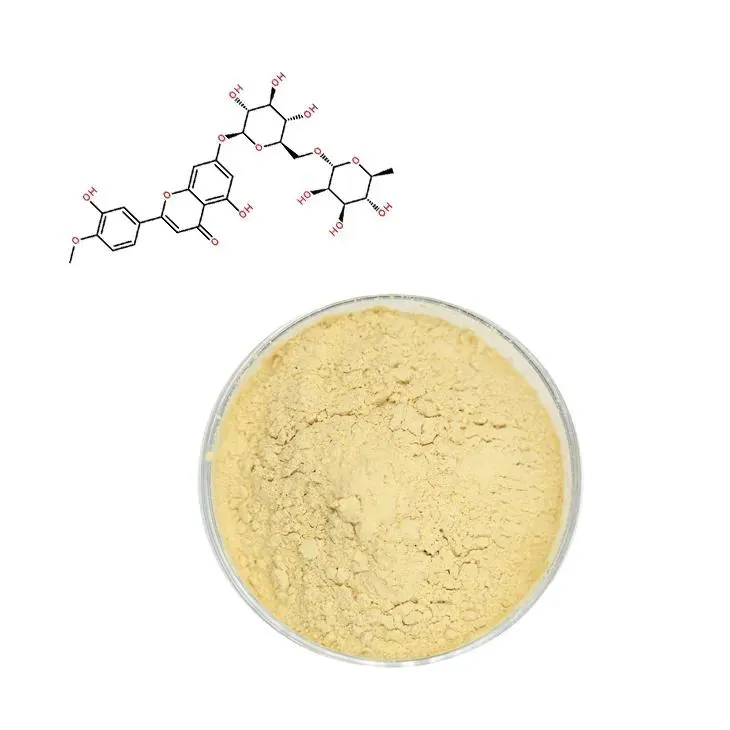
Diosmin
2026-08-13
-
Almond Extract Powder
2026-08-13
-
Milk Thistle Extract
2026-08-13
-
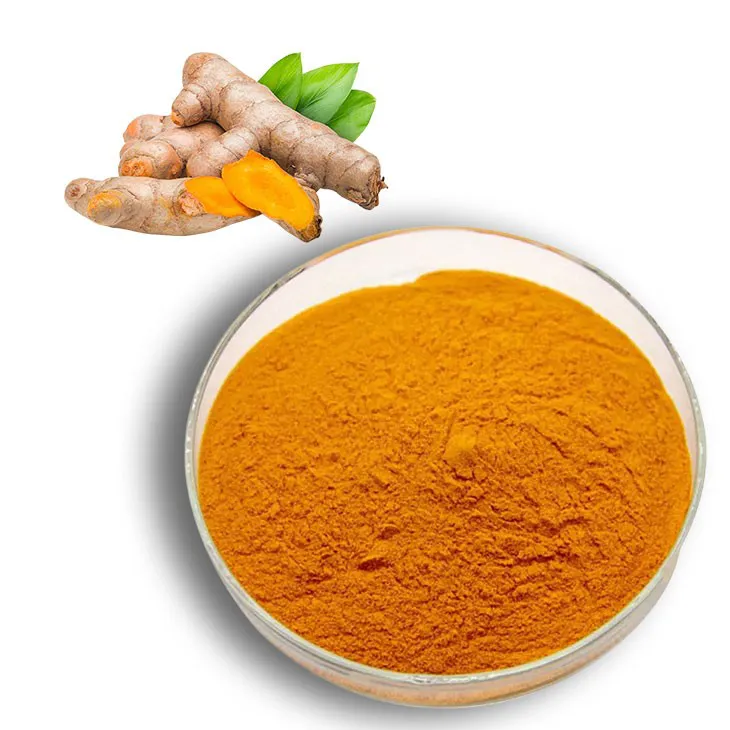
Curcuma Longa Extract/Turmeric extract
2026-08-13
-
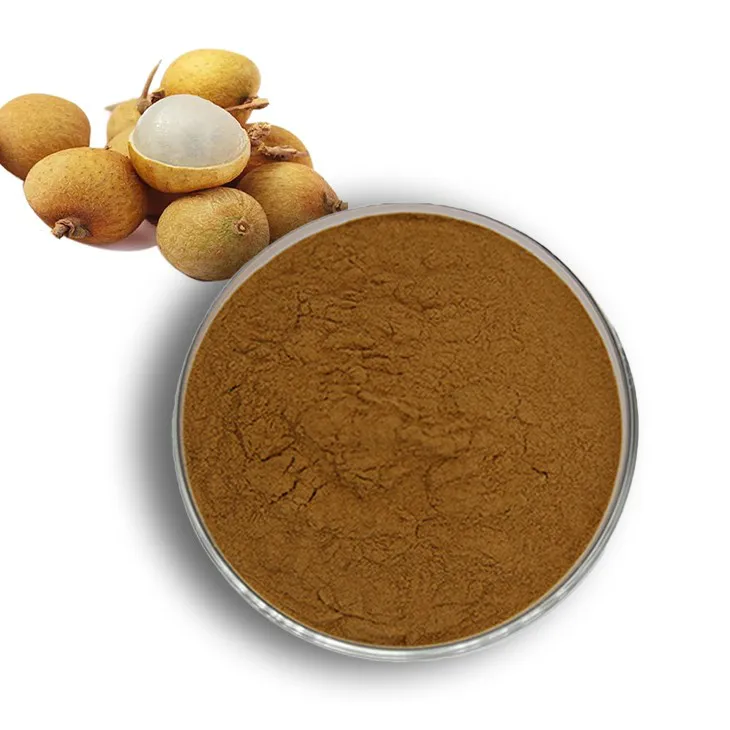
Longan Extract
2026-08-13
-
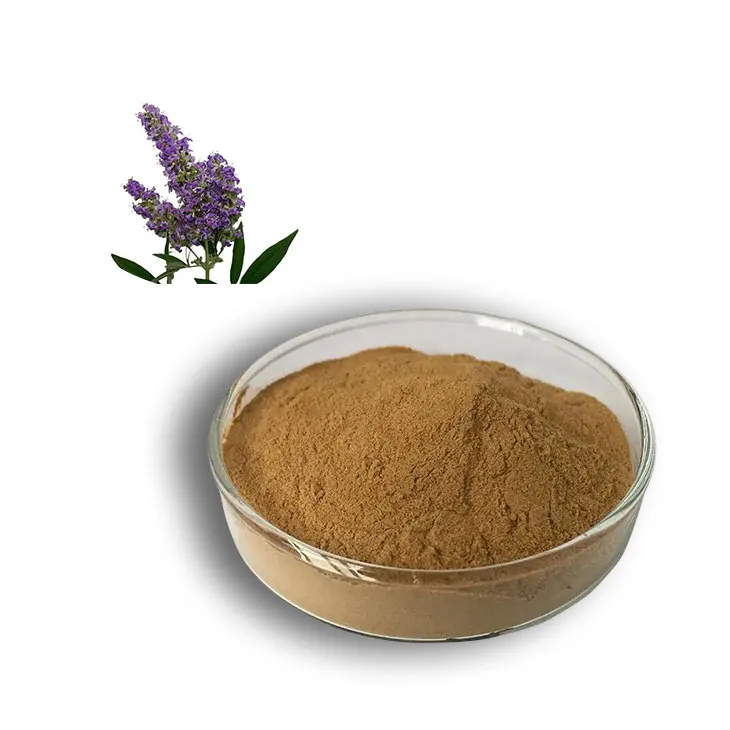
Chasteberry Extract
2026-08-13
-
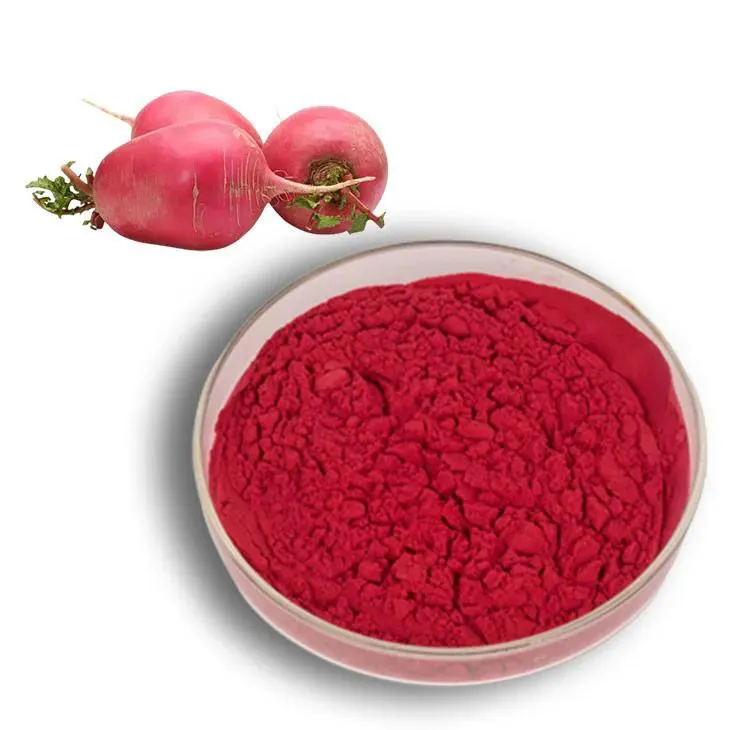
Beetroot juice Powder
2026-08-13
-
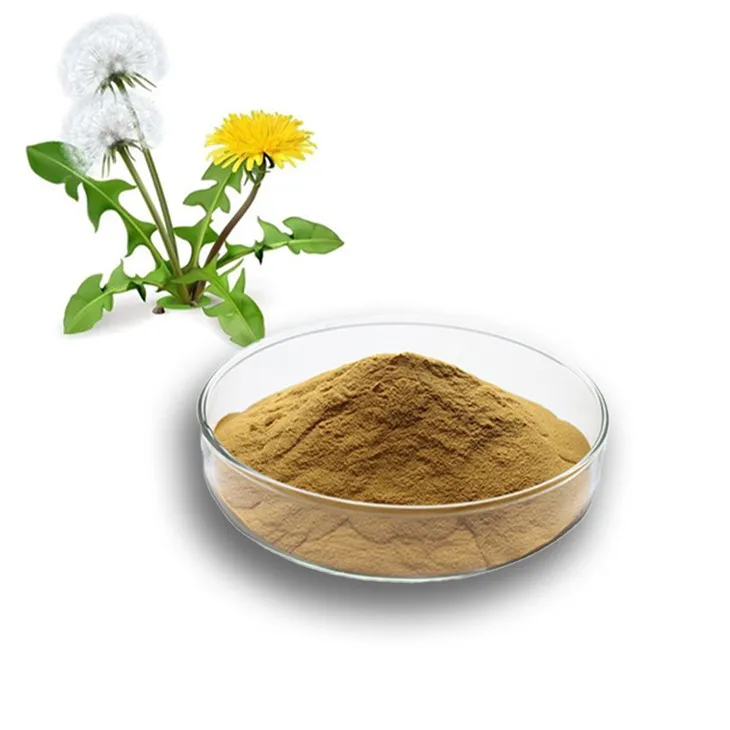
Dandelion Leaf Extract
2026-08-13