- 0086-571-85302990
- [email protected]






What is the electrolyte profile behind the coconut water powder benefits?
2026-08-18
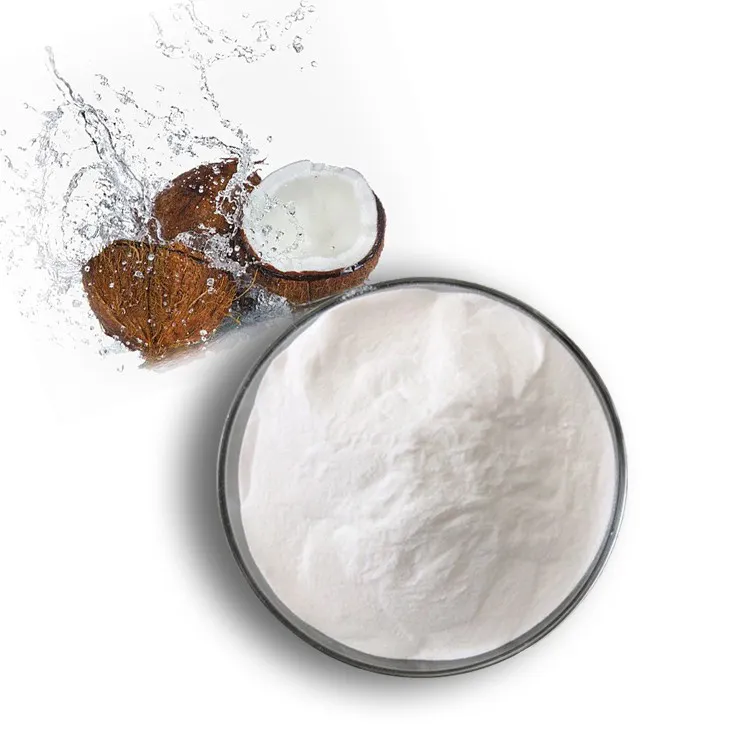
Coconut water has long been described as nature's sports drink, and now the same beverage is turning up on supermarket shelves as a lightweight, shelf-stable powder. Ask most consumers why they reach for it and the answer is usually the same: electrolytes. But what exactly sits behind that claim? This article breaks down the electrolyte profile of Coconut Water Powder and explains how those minerals actually translate into the hydration benefits the market has come to expect.
Electrolytes first: what they are and why balance matters
Electrolytes are minerals that carry an electric charge when dissolved in water. In the body they govern fluid distribution, nerve signalling, and muscle contraction, which is why losing them through sweat or heat can leave you feeling flat. The most relevant ones for hydration are potassium, sodium, chloride, magnesium, calcium, and phosphorus. Their proportions matter as much as their presence, because the body regulates each ion within narrow limits. Coconut water happens to contain these ions in a naturally balanced form, which is the foundation of its reputation.
The electrolyte profile of coconut water, mineral by mineral
The headline mineral in coconut water is potassium, typically reported in ranges around 250–312 mg per 100 g in young coconuts, with sodium following at roughly 100–105 mg. Magnesium and calcium appear in more modest amounts, commonly around 25–30 mg each per 100 g, while phosphorus sits between 20 and 37 mg and chloride is notably high at about 180 mg. Trace levels of iron, zinc, copper, and manganese round out the picture. These figures vary with cultivar and maturity, so exact numbers depend on the source fruit, but the overall pattern is consistent across studies.
| Electrolyte | Typical range in coconut water (per 100 g) | Primary role |
| Potassium | 250–312 mg | Fluid balance, muscle & nerve function |
| Sodium | 100–105 mg | Fluid balance, blood pressure regulation |
| Chloride | ~180 mg | Fluid balance, acid-base balance |
| Magnesium | 25–30 mg | Muscle relaxation, energy metabolism |
| Calcium | 24–27 mg | Bone health, nerve transmission |
| Phosphorus | 20–37 mg | Energy storage, bone structure |
Because potassium dominates, coconut water is often described as closer to an isotonic profile than a plain water replacement. In practical terms this means it can help replenish the minerals lost through sweat more efficiently than water alone, which is the reason it is frequently paired with post-exercise and travel hydration products.
What happens to the electrolytes when coconut water becomes powder?
The concern most formulators raise is whether drying destroys the electrolyte content. Minerals are heat-stable, unlike some delicate vitamins, so they survive spray drying and freeze drying largely intact. The key difference between the two methods is gentleness rather than mineral loss: spray drying uses a fine-droplet mist in a stream of hot air to evaporate quickly, while freeze drying removes moisture at low temperature. Both routes aim to retain the natural flavour and mineral profile of the starting juice, which matters because the electrolyte balance of the finished powder directly tracks the quality of the raw material.
Why the electrolyte profile matters for beverage and supplement formulators
For brands building hydration drinks, recovery blends, or ready-to-mix sachets, a consistent electrolyte label is a real selling point. A powdered form lets manufacturers deliver a measurable potassium and magnesium story without shipping heavy liquid. It also allows batches to be standardised, so every production run carries the same nutritional profile. That consistency depends on a supplier that controls the whole chain, from sourcing the fruit to the final drying step.
This is where working with an established plant extract manufacturer becomes valuable. Greensky, a company delivering natural plant extracts and health raw materials since 2004, operates its own spray drying tower and multi-ton extraction systems, with an independent laboratory using HPLC and related methods to check each batch. Its facility includes a 100,000-class clean production area and holds food-grade certifications, which supports the kind of consistent, documentation-ready supply that private-label and beverage customers rely on.
From fresh fruit to a stable, electrolyte-rich powder
Producing a quality Coconut Water Powder is a controlled process. Fresh coconut water is first filtered to remove particles, then concentrated under gentle conditions to protect the minerals and natural sugars, and finally dried into a fine powder and packed to lock in freshness. The electrolyte profile is effectively transferred from the original juice into the powder, which is why a responsible manufacturer verifies the mineral content rather than assuming it from the label claim.
Practical tips for buyers and product developers
A few points keep the electrolyte promise credible. First, ask for a full mineral analysis so the potassium, sodium, magnesium, and calcium figures are on paper rather than assumed. Second, confirm which drying method is used, since it can affect flavour and the stability of any added actives. Third, check that the supplier follows food-safety standards and maintains traceability from fruit to finished lot. These checks turn a marketing claim into an ingredient you can build a product on.
When the electrolyte story is backed by verified mineral data and a reliable manufacturing chain, Coconut Water Powder is more than a convenience product. It is a practical way to deliver the hydration profile consumers expect, in a form the industry can store, ship, and formulate with confidence.
- ▶ Hesperidin
- ▶ Citrus Bioflavonoids
- ▶ Plant Extract
- ▶ lycopene
- ▶ Diosmin
- ▶ Grape seed extract
- ▶ Sea buckthorn Juice Powder
- ▶ Fruit Juice Powder
- ▶ Hops Extract
- ▶ Artichoke Extract
- ▶ Mushroom extract
- ▶ Astaxanthin
- ▶ Green Tea Extract
- ▶ Curcumin
- ▶ Horse Chestnut Extract
- ▶ Other Product
- ▶ Boswellia Serrata Extract
- ▶ Resveratrol
- ▶ Marigold Extract
- ▶ Grape Leaf Extract
- ▶ New Product
- ▶ Aminolevulinic acid
- ▶ Cranberry Extract
- ▶ Red Yeast Rice
- ▶ Red Wine Extract
- ▶ blog
-
Chaste Berry Extract
2026-08-18
-
melatonin
2026-08-18
-
Milk Thistle Extract
2026-08-18
-

Sea buckthorn oil
2026-08-18
-
Artichoke Leaf Extract
2026-08-18
-
Lavender Extract
2026-08-18
-
Red Wine Extract
2026-08-18
-
Andrographis Paniculata Extract Powder
2026-08-18
-
Fenugreek Extract Powder
2026-08-18
-
Maitake Mushroom Extract
2026-08-18
