We have five factories and 23 years of experience in plant extracts
- 0086-571-85302990
- [email protected]






What is the difference between reishi mushroom extract and reishi powder?
2026-08-14
Related Product
Reishi mushroom extract
We are a professional plant extract manufacturer in China, focusing on the R&D and production of Reishi mushroom extract, pro
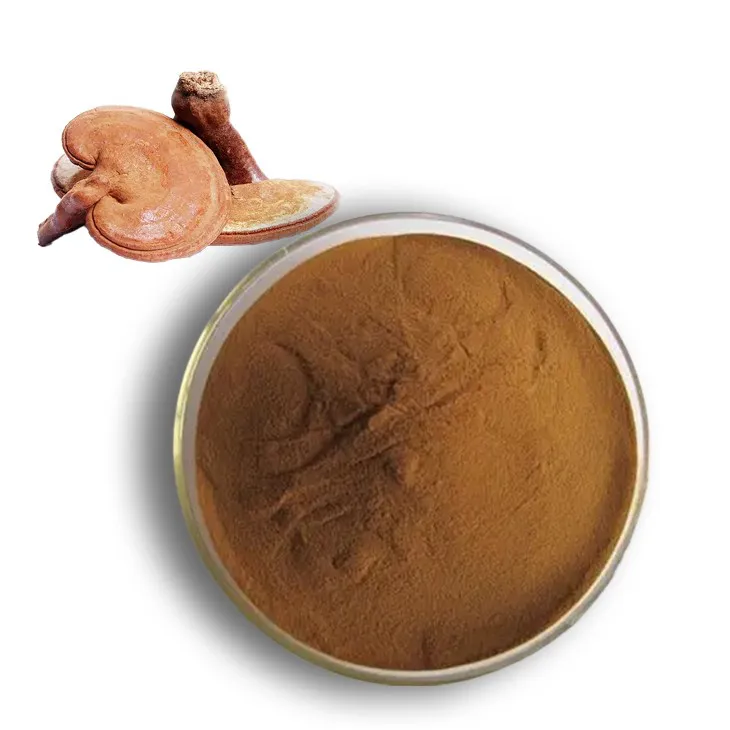
Reishi mushroom has been used in traditional health practices for centuries, and today it is one of the most popular functional mushrooms in the supplement market. When sourcing ingredients, however, you will quickly notice that suppliers offer it in two very different forms: reishi mushroom powder and Reishi mushroom extract. They look similar at a glance, yet they are processed differently, contain different amounts of active compounds, and suit different end products. This article explains the real difference between the two so you can make an informed choice, whether you are developing a formula or stocking a product line.
What is reishi mushroom powder?
Reishi powder is simply the dried fruiting body of the reishi mushroom (Ganoderma lucidum) that has been ground into a fine powder. That is the whole process. No solvent is used and no active compounds are concentrated. The powder still contains the tough chitin cell walls of the mushroom, and it behaves much like a dried whole mushroom.
Because the cell wall remains intact, the beneficial beta-glucans and triterpenes in reishi powder are not readily available. It must be simmered, cooked, or further extracted to release them. In short, reishi powder is convenient and inexpensive, but it is a raw material rather than a finished, active ingredient.
What is Reishi mushroom extract?
Reishi mushroom extract is produced by taking the dried mushroom and processing it with hot water, ethanol, or both, then removing insoluble fibre and concentrating the liquid before spray-drying it into a powder. This process breaks open the fungal cell wall and concentrates the active compounds, so a small amount of extract represents several grams of mushroom.
Reishi is unusual because it contains two important groups of compounds that dissolve in different solvents. Water-soluble beta-glucans are released by hot water, while the bitter triterpenes require ethanol. That is why high-quality reishi extracts are "dual extracted" with both water and alcohol, capturing the full profile of the mushroom. A well-made extract is the activated, standardised form that most dietary supplements and herbal products are built around.
Key differences between reishi powder and reishi extract
The table below summarises the practical differences you should consider when comparing the two forms.
Processing: Powder is only dried and milled, while extract is processed with hot water or ethanol to release and concentrate active compounds.
Active compounds: In powder, beta-glucans and triterpenes are locked inside cell walls. In a dual extract, both groups are unlocked and measurable.
Potency per gram: Extract is far more concentrated, so smaller serving sizes deliver a meaningful dose. Powder requires much larger amounts to provide the same level of actives.
Bioavailability: Because the cell wall is broken in extraction, the body can access the compounds more easily than from plain powder.
Cost: Powder is inexpensive and easy to produce. Extract is more expensive because the process is more complex, but it delivers far more value per gram.
Best use: Powder suits bulk food ingredients and formulas where texture and low cost matter. Extract suits capsules, tablets, and potent supplement blends.
Why extraction matters for reishi specifically
Not every mushroom needs the same treatment. Many softer mushrooms work well as simple hot-water extracts, but reishi is tough and woody and was never eaten whole in traditional practice. It was always simmered for long periods. Modern production continues this idea: reishi should be gently broken down so its compounds become usable.
A useful way to think about it is cooking. Mushroom powder is like a stack of dried ingredients that still need to be cooked to release their flavour and nutrition. An extract is like the finished broth, already simmered down and concentrated, ready to use. When you compare reishi mushroom extract and reishi powder side by side, the extract is the form that has already done the work.
How to choose the right form
Your choice depends on your product and your goals. If you need a cost-effective ingredient for food applications or a simple dietary component, reishi powder can be suitable. If you are formulating a supplement where consumers expect a meaningful, measurable dose of active compounds, a standardised reishi mushroom extract is almost always the better option.
When you order extract, look for a supplier who can confirm how the extract was made, whether it was dual extracted, and what levels of beta-glucans and triterpenes it contains. Transparency about testing and specifications matters far more than marketing language.
Sourcing reishi from a reliable manufacturer
Because the quality of reishi extract depends so heavily on the process, choosing the right partner is essential. A professional plant extract manufacturer controls every step from sourcing the raw mushroom to standardising the final powder, so the batch you receive is consistent and well documented.
Hangzhou Greensky Biological Tech. Co., Ltd. is a plant extract supplier and manufacturer with more than 20 years of experience in producing active botanical ingredients. The company operates a vertically integrated group with its own research, production, and laboratories, and it supplies a range of standardised Reishi mushroom extract and phytochemicals for dietary supplements and herbal products. Its production follows food-grade requirements, and its site holds certifications including ISO22000, BRCGS, HALAL, and Kosher, giving buyers confidence in both quality and compliance.
Working with a plant extract factory that can supply documentation, testing data, and consistent specifications makes it far easier to build a reliable product and submit for regulatory approval in your market.
The bottom line
Reishi powder and reishi extract come from the same mushroom, but they are not interchangeable. Powder is a raw, dried and milled material whose compounds are still locked inside tough cell walls. Extract is the processed, concentrated, and activated form that delivers measurable beta-glucans and triterpenes. For most supplement applications, a standardised reishi mushroom extract is the better choice, and it is worth sourcing from a proven manufacturer who can guarantee quality through every step of the process.
TAGS:
FAQ
- ▶ Hesperidin
- ▶ Citrus Bioflavonoids
- ▶ Plant Extract
- ▶ lycopene
- ▶ Diosmin
- ▶ Grape seed extract
- ▶ Sea buckthorn Juice Powder
- ▶ Fruit Juice Powder
- ▶ Hops Extract
- ▶ Artichoke Extract
- ▶ Mushroom extract
- ▶ Astaxanthin
- ▶ Green Tea Extract
- ▶ Curcumin
- ▶ Horse Chestnut Extract
- ▶ Other Product
- ▶ Boswellia Serrata Extract
- ▶ Resveratrol
- ▶ Marigold Extract
- ▶ Grape Leaf Extract
- ▶ New Product
- ▶ Aminolevulinic acid
- ▶ Cranberry Extract
- ▶ Red Yeast Rice
- ▶ Red Wine Extract
- ▶ blog
Recommended Products
-
Cat Claw Extract
2026-08-14
-
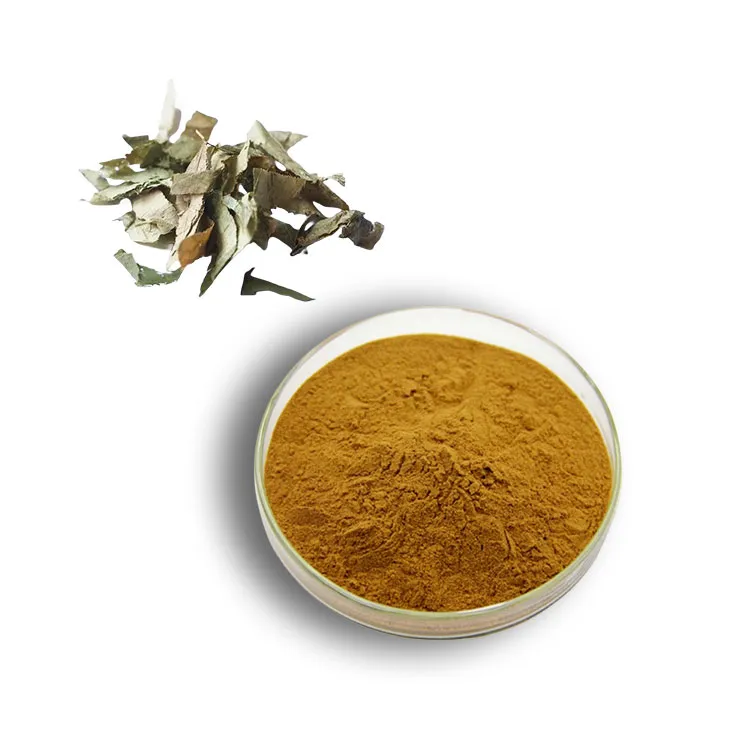
Epimedium extract powder
2026-08-14
-
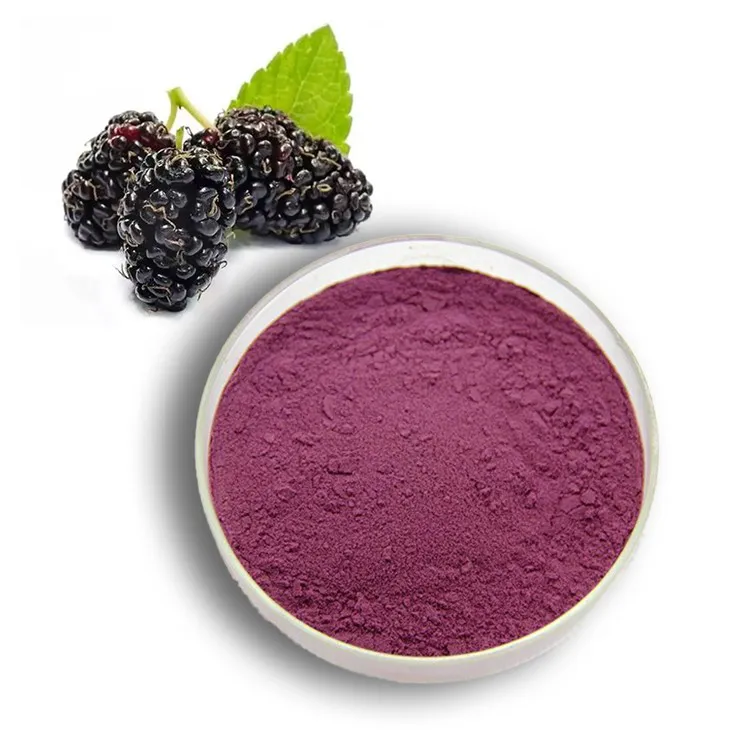
Mulberry Extract
2026-08-14
-
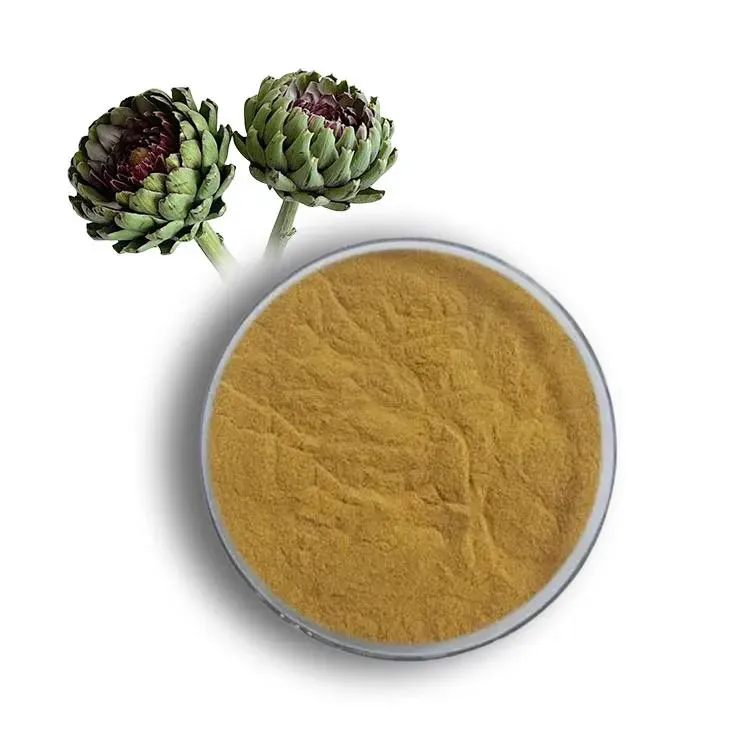
Artichoke Extract
2026-08-14
-
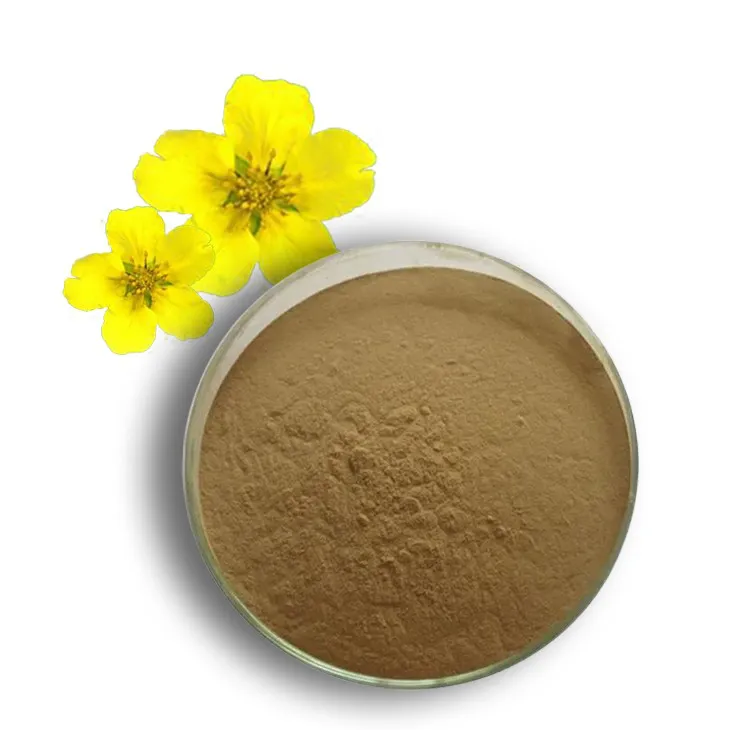
Tormentil Extract
2026-08-14
-
5-HTP (5-Hydroxytryptophan)
2026-08-14
-
Nattokinase
2026-08-14
-
Mangosteen extract powder
2026-08-14
-
Black Seed Extract
2026-08-14
-
Hedyotis Diffusa Extract
2026-08-14
Get a Quote
