We have five factories and 23 years of experience in plant extracts
- 0086-571-85302990
- [email protected]






What is the difference between green tea extract and green tea leaves?
2026-08-13
Related Product
Green Tea Extract
Green Sky Bio is the largest plant extract manufacturer exporter and supplier, provide plant extract, annual production 2500 tons China
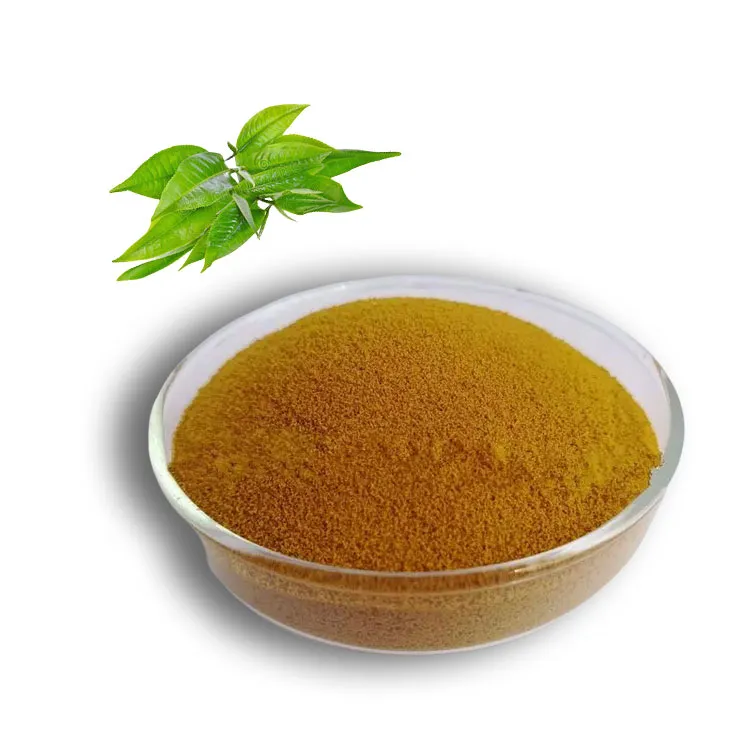
Green tea has been a beloved beverage across Asia for centuries, and in recent years its reputation has spread far beyond the tea cup. Today, the same plant is also available as a concentrated ingredient called Green Tea Extract. Although both come from the same source, Camellia sinensis, they are very different products with different uses. This article explains the key differences between green tea leaves and green tea extract powder, and helps you decide which one fits your needs, whether you are a health-conscious consumer or a B2B buyer sourcing ingredients.
What Is Green Tea Leaves?
Green tea leaves are the whole, unoxidized leaves of the Camellia sinensis plant. After harvesting, the leaves are quickly steamed or pan-fired to inactivate the enzymes that would otherwise turn them into black or oolong tea. This minimal processing preserves the natural plant chemistry, including the polyphenols responsible for most of green tea's health reputation. When you brew these leaves in hot water, you extract a portion of those compounds into a flavorful drink.
Because whole leaves are a natural agricultural product, their composition can vary from harvest to harvest. Cultivar, soil, climate, leaf age, and processing conditions all influence how much of each active compound ends up in the final brew. This is perfectly fine for a tea you enjoy daily, but it creates challenges when an ingredient needs to meet a precise specification.
What Is Green Tea Extract?
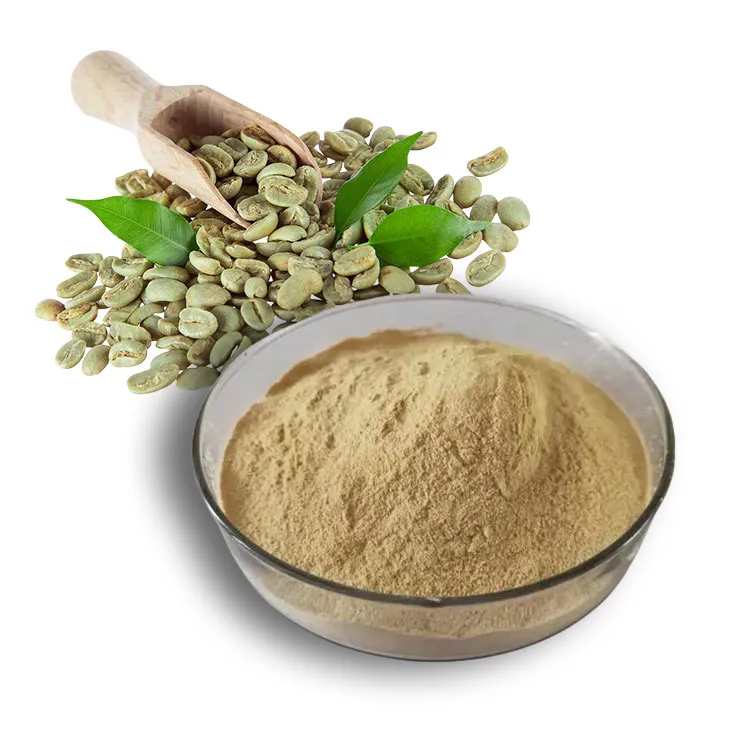
Green Tea Extract is a concentrated, standardized product made from the same green tea leaves. Through controlled extraction using water, ethanol, or a mixture of solvents, manufacturers isolate the active polyphenols and catechins, then concentrate and purify them into a powder or liquid with a consistent composition. A typical high-quality extract is standardized to levels such as 98% polyphenols, 80% catechins, and 50% EGCG, meaning every batch delivers a predictable amount of the active compounds.
Because the active compounds are so concentrated, small amounts of extract can deliver benefits that would require drinking many cups of tea. This is why green tea extract is widely used in dietary supplements, functional foods and beverages, cosmetics, and pharmaceutical applications.
Key Differences Between Green Tea Extract and Green Tea Leaves
The two forms differ in several important ways:
Concentration. Green tea leaves contain a modest amount of active compounds, and only some of them dissolve into your cup. Green tea extract is many times more concentrated, so a small dose provides a much higher level of catechins and EGCG.
Standardization. The composition of whole leaves varies naturally. An extract is standardized to a specific specification, so every batch is consistent and measurable, which matters greatly for supplements and functional products.
Physical form and handling. Whole leaves are bulky and moisture-sensitive. Extract is a fine, dry powder with low moisture content, which flows well, mixes evenly, and is easy to use in capsules, tablets, sachets, and beverages.
Convenience and shelf life. Extract is more stable under controlled storage and easier to transport and store than raw leaves, which makes it the practical choice for industrial and commercial use.
How Green Tea Extract Is Made
Producing a high-quality extract begins with selecting fresh green tea leaves. The leaves are processed to inactivate oxidizing enzymes, then subjected to a controlled extraction process that pulls the polyphenols and catechins out of the plant material. The liquid is concentrated and purified, then dried into a fine powder using techniques such as spray drying. The final product is tested to confirm it meets the target specification, such as the 98% polyphenol, 80% catechin, and 50% EGCG levels offered by experienced manufacturers.
The quality of the final extract depends heavily on the skill of the manufacturer. Reputable producers operate clean production facilities, maintain independent quality-control laboratories, and comply with international standards such as ISO22000, GMP, HACCP, and food-grade requirements. This is a key reason why many buyers prefer to work with a dedicated green tea extract manufacturer who can document every step of the process.
Health Benefits of the Active Compounds
Much of green tea's reputation comes from its catechins, a group of polyphenol antioxidants. The most abundant and studied of these is epigallocatechin gallate (EGCG), which is widely recognized for its antioxidant activity and its role in supporting overall health. Other catechins include epicatechin, epigallocatechin, and epicatechin gallate, all of which contribute to the plant's protective properties.
Because green tea extract is much more concentrated than brewed tea, it delivers these active compounds in far higher quantities per serving. This makes it a popular ingredient in products aimed at supporting antioxidant intake and daily wellness. For anyone who wants these benefits without drinking large volumes of tea, a standardized extract offers a practical and consistent option.
Which One Should You Choose?
For everyday enjoyment, whole green tea leaves are unbeatable. Brewed tea offers a pleasant taste, hydration, and a mild, natural dose of antioxidants that most people can enjoy freely. It is the right choice for anyone who simply wants a healthy, flavorful drink.
For targeted wellness support, product formulation, or any application requiring a consistent, measurable dose of active compounds, green tea extract is the better choice. This is why supplements, functional beverages, cosmetics, and pharmaceuticals rely on standardized extracts rather than whole leaves. If you are a consumer, look for a supplement made from a reputable extract; if you are a brand or manufacturer, you will need a reliable green tea extract supplier who can provide consistent, documented material.
What to Look for in a Green Tea Extract Manufacturer
Whether you brew tea or buy extract, quality starts at the source. A dependable manufacturer should offer a clearly specified product, complete documentation, and certified production. Hangzhou Greensky Biological Tech. Co., Ltd. is one example of a professional Chinese producer of natural plant extracts, with more than 20 years of experience and a vertically integrated operation covering research, development, and production. Greensky's green tea extract is standardized to 98% polyphenols, 80% catechins, and 50% EGCG, and the company holds certifications including ISO22000, BRCGS, SGS-GMP, ISO9001, HALAL, and Kosher, with production in a food-grade clean area equipped with an independent laboratory.
Choosing the right form of green tea comes down to your goal. Enjoy whole leaves as a daily drink, and turn to a standardized green tea extract when you need concentration, consistency, and measurable results. Whichever you choose, quality and a trustworthy source make all the difference.
Frequently Asked Questions
Is green tea extract stronger than green tea? Yes. A single dose of extract typically contains far more catechins and EGCG than a cup of brewed tea, because the active compounds have been concentrated and standardized.
Does green tea extract contain caffeine? Depending on the specification, some extracts retain caffeine while others are decaffeinated. Greensky can supply green tea extract powder with a specification tailored to your application.
Can green tea extract be used in beverages? Yes. It dissolves easily and provides consistent color and active-compound levels, making it a popular choice for functional drinks and pre-mixes.
How should green tea extract be stored? Keep it in a cool, dry place away from sunlight and moisture, in sealed packaging, to preserve the active compounds.
TAGS:
FAQ
- ▶ Hesperidin
- ▶ Citrus Bioflavonoids
- ▶ Plant Extract
- ▶ lycopene
- ▶ Diosmin
- ▶ Grape seed extract
- ▶ Sea buckthorn Juice Powder
- ▶ Fruit Juice Powder
- ▶ Hops Extract
- ▶ Artichoke Extract
- ▶ Mushroom extract
- ▶ Astaxanthin
- ▶ Green Tea Extract
- ▶ Curcumin
- ▶ Horse Chestnut Extract
- ▶ Other Product
- ▶ Boswellia Serrata Extract
- ▶ Resveratrol
- ▶ Marigold Extract
- ▶ Grape Leaf Extract
- ▶ New Product
- ▶ Aminolevulinic acid
- ▶ Cranberry Extract
- ▶ Red Yeast Rice
- ▶ Red Wine Extract
- ▶ blog
Recommended Products
-
Purple Sweet Potato Extract
2026-08-13
-
American Ginseng Root Extract
2026-08-13
-
Angelica sinensis extract
2026-08-13
-
Baicalin
2026-08-13
-
Black Seed Extract
2026-08-13
-
Wheat Germ Extract
2026-08-13
-
Fenugreek Extract Powder
2026-08-13
-
Saw Palmetto Extract
2026-08-13
-
Berberis aristata Extract
2026-08-13
-
Rosemary extract
2026-08-13
Get a Quote
