- 0086-571-85302990
- [email protected]






What is the difference between grape seed extract dose and grape seed powder dose?
2026-08-19
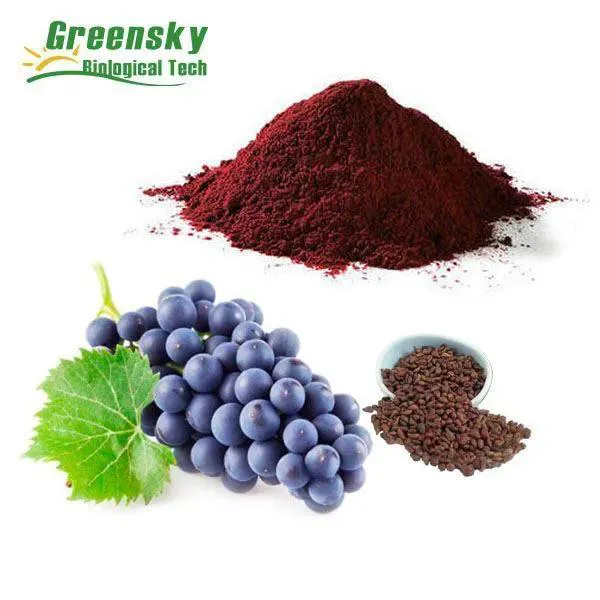
Searching for "Grape Seed Extract" can be confusing because the same ingredient is sold as an extract, as a powder, and even as capsules. The two most frequently asked questions from buyers are simply: how much should I take, and why does the label on my powder show a much higher dose than my extract? The short answer is that Grape Seed Extract and grape seed powder are two different products with two different concentrations, so they can never be dosed the same way. In this guide, we explain the difference clearly so you can choose the right form and the right amount for your needs.
What Is Grape Seed Extract?
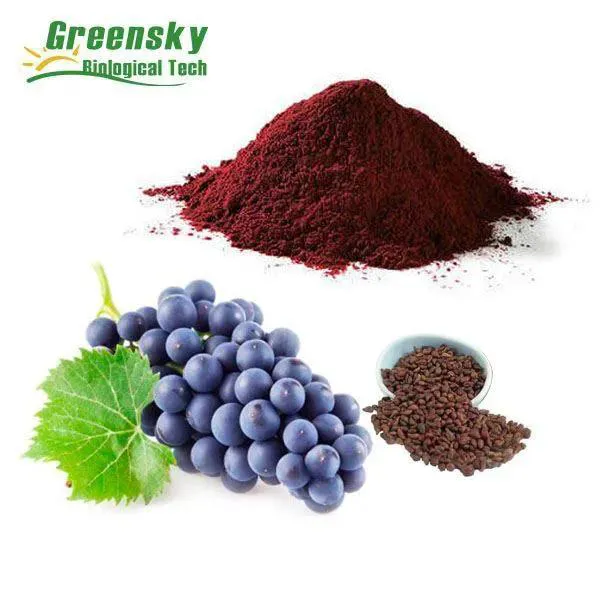
Grape seed extract is a concentrated, standardized product obtained by extracting the beneficial compounds from grape seeds and removing most of the fiber, fat, and filler material. The active fraction that matters most is a family of polyphenols called oligomeric proanthocyanidins (OPCs) — the well-known antioxidants that give grape seed its reputation for supporting cardiovascular health and fighting oxidative stress.
Because the manufacturing process strips away the bulk and concentrates the actives, a small amount of grape seed extract goes a very long way. High-quality extracts are standardized to a guaranteed level of bioactives — commonly 90% to 95% OPCs or 80% polyphenols — which is what allows a producer to state an exact, reliable active content on every batch.
What Is Grape Seed Powder?
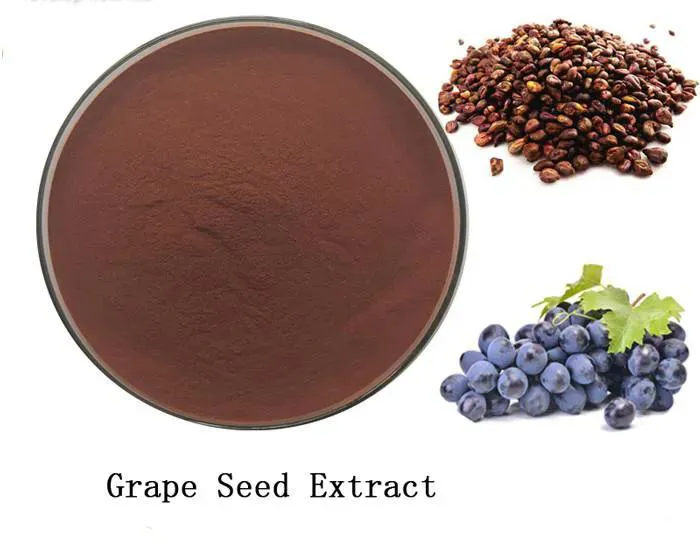
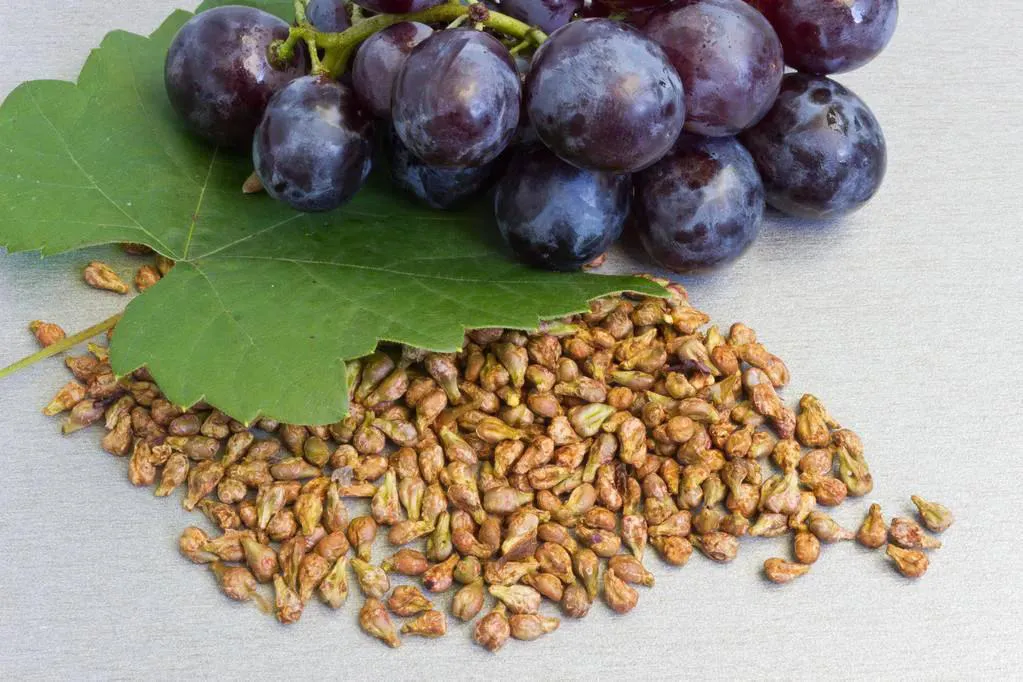
Grape seed powder, by contrast, is the whole grape seed ground into a fine powder. It keeps the entire seed matrix — fiber, protein, fats, minerals, and some polyphenols — rather than isolating a concentrated active fraction. In other words, it is a "whole food" form of the seed.
This makes grape seed extract powder useful when you want the nutritional backbone of the whole seed, but it also means the concentration of antioxidants per gram is far lower than in a standardized extract. To deliver a comparable amount of OPCs, you have to take a much larger quantity of the powder.
Why the Two Doses Are so Different
The whole confusion comes down to one factor: concentration. A single teaspoon of standardized extract can hold more active polyphenols than several grams of whole seed powder. Since the dose is defined by how much active ingredient you actually get, the number on the label reflects the strength of the material, not the "size" of the serving.
- Extract dose: A typical maintenance intake of standardized grape seed extract is around 100–300 mg per day, standardized to roughly 95% OPCs. Even upper-end clinical trials rarely exceed 300–400 mg, because a little concentrated material already provides a meaningful active level.
- Powder dose: Because whole seed powder is dilute, larger amounts are needed — commonly in the range of 500–1,500 mg per day and sometimes more — to obtain polyphenol levels comparable to a small dose of extract.
- Same ingredient, different math: Both come from the grape seed, but they deliver different amounts of the active compound per gram, so the same "dose" in milligrams does not mean the same effect.
Factors That Affect the Right Dose
Reading a number on a label is only half the story. The right dose for you depends on several things:
- Standardization: Never compare two products by weight alone. Always compare their stated OPC or polyphenol content. Only a standardized extract lets you dose on active ingredients reliably.
- Form: Powder, capsules, tablets, and liquids each have different absorption profiles and typical serving sizes, so follow the instructions specific to your form.
- Your goal: General antioxidant support calls for a modest dose, while more targeted goals may warrant a higher one. Work within a sensible range rather than jumping straight to the maximum.
- Your health status: Anyone taking blood-thinning medication, preparing for surgery, or with an existing condition should consult a healthcare professional before supplementing.
Extract or Powder — Which Should You Choose?
Choose the form that matches your purpose. If you want a delicious, fiber-rich base for smoothies, baked goods, or a general "whole food" nutritional profile, grape seed powder is a pleasant fit. If your priority is a reliable, concentrated dose of antioxidants in a small serving — which is almost always the goal in dietary supplements — a standardized grape seed extract is the more efficient and predictable option.
Sourcing Quality Grape Seed Extract
For formulators and brands, the reliability of the dose begins long before the label is printed — it starts with the raw material. A reputable supplier can provide certificates of analysis, batch standardization, and consistent active content. When you work with experienced grape seed extract manufacturers such as Hangzhou Greensky Biological Tech. Co., Ltd., you gain the traceability and quality controls needed to sell grape seed products with confidence.
In short, the difference between grape seed extract dose and grape seed powder dose is not a marketing trick — it is simply the difference between a concentrated isolate and a whole-food powder. Understand the concentration, check the standardization, and pick the dose that matches your goal.
TAGS:
- ▶ Hesperidin
- ▶ Citrus Bioflavonoids
- ▶ Plant Extract
- ▶ lycopene
- ▶ Diosmin
- ▶ Grape seed extract
- ▶ Sea buckthorn Juice Powder
- ▶ Fruit Juice Powder
- ▶ Hops Extract
- ▶ Artichoke Extract
- ▶ Mushroom extract
- ▶ Astaxanthin
- ▶ Green Tea Extract
- ▶ Curcumin
- ▶ Horse Chestnut Extract
- ▶ Other Product
- ▶ Boswellia Serrata Extract
- ▶ Resveratrol
- ▶ Marigold Extract
- ▶ Grape Leaf Extract
- ▶ New Product
- ▶ Aminolevulinic acid
- ▶ Cranberry Extract
- ▶ Red Yeast Rice
- ▶ Red Wine Extract
- ▶ blog
-
Soy Extract
2026-08-19
-
Camu Camu Extract
2026-08-19
-
Apricot Powder
2026-08-19
-
Maitake Mushroom Extract
2026-08-19
-
Milk Thistle Extract
2026-08-19
-
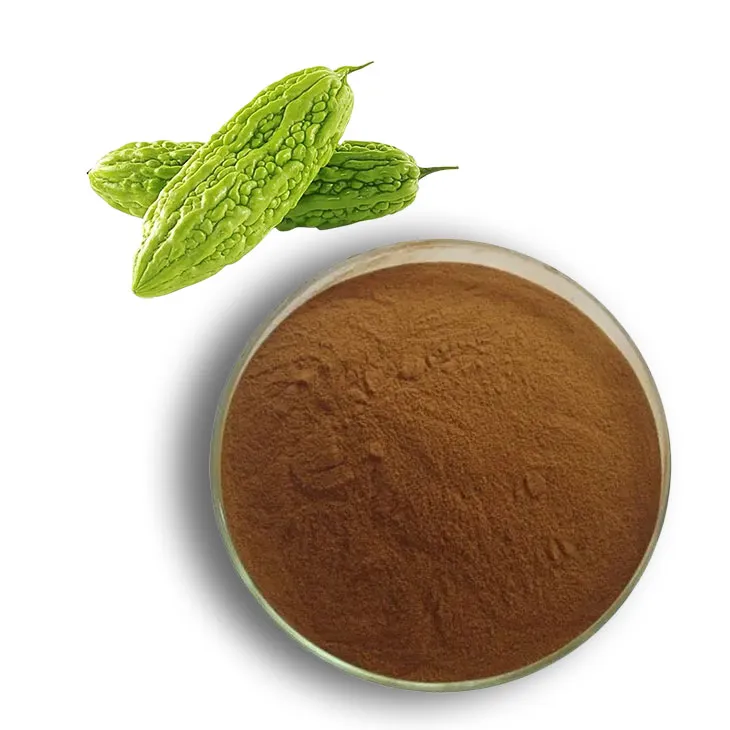
Bitter Melon Extract
2026-08-19
-
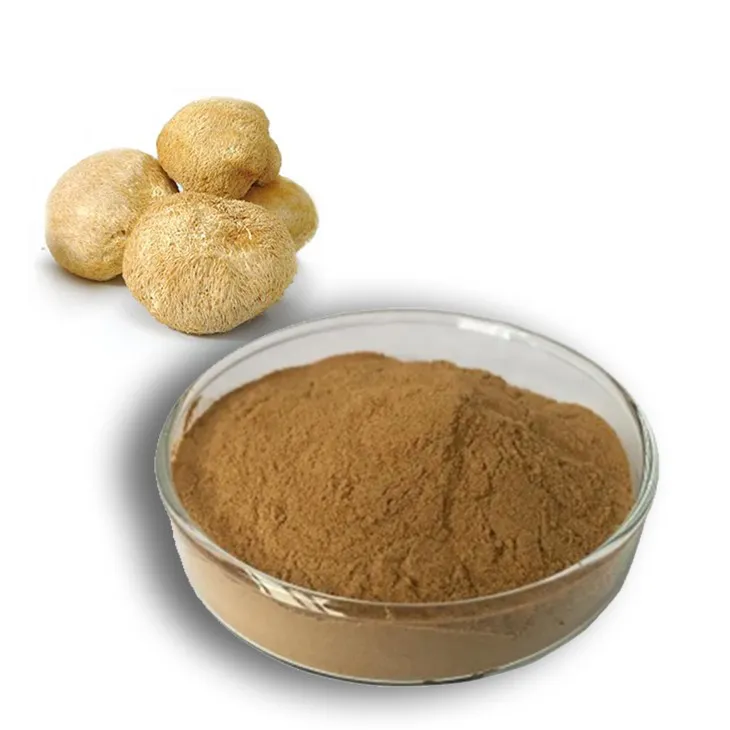
Hericium erinaceus extract powder
2026-08-19
-
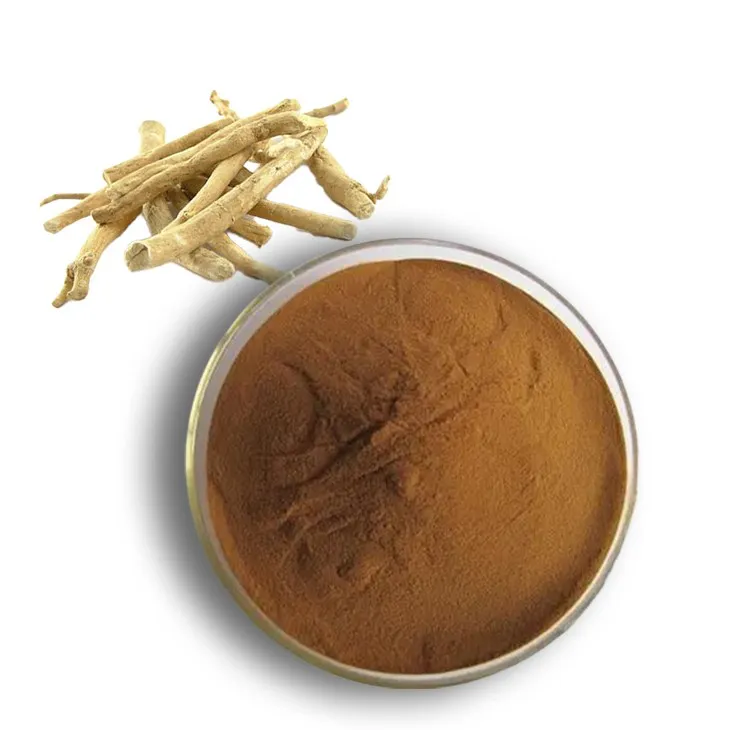
Withania Somnifera Extract
2026-08-19
-
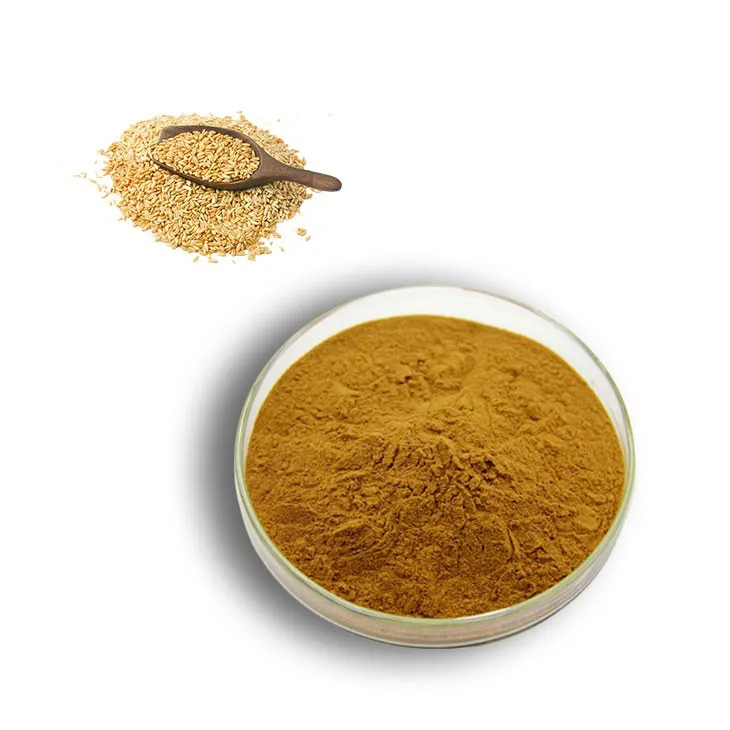
Oat Straw Extract Powder
2026-08-19
-
Rhodiola Rosea Extract
2026-08-19
