We have five factories and 23 years of experience in plant extracts
- 0086-571-85302990
- [email protected]




What is the difference between echinacea extract and echinacea powder?
2026-08-14
Related Product
Echinacea Extract
We are the leading echinacea extract manufacturer and also the leading supplier and exporter of echinacea extract. We specialize in providing high-quality echinacea extract to meet your needs.
If you source botanical ingredients, you have probably seen the same herb sold under two similar names: Echinacea Extract and echinacea powder. They come from the same plant, yet they are not interchangeable. The difference matters because it changes how you dose the ingredient, how you formulate it, and what you can reasonably claim on a label. This article explains the difference in plain terms and helps you decide which one belongs in your product.
Echinacea, also known as the purple coneflower, has been used in traditional herbal medicine for generations, mainly to support the immune system and to help with cold and flu symptoms. Today it appears in capsules, tablets, gummies, teas, and beverage powders. Depending on how the raw herb is processed, the finished ingredient is labeled either as a powder or as an extract, and the two behave very differently in a formulation.
What is echinacea powder?
Echinacea powder is simply the dried echinacea plant ground into a fine powder. Depending on the supplier, it may be made from the aerial parts (stems, leaves, and flowers) or from the root of Echinacea purpurea. Because nothing is removed during processing, the powder keeps the plant's constituents in their natural proportions. That is also its main limitation: active compounds such as echinacosides and polysaccharides remain at the same low levels found in the fresh herb, so delivering a meaningful dose usually requires a larger serving size.
What is Echinacea Extract?
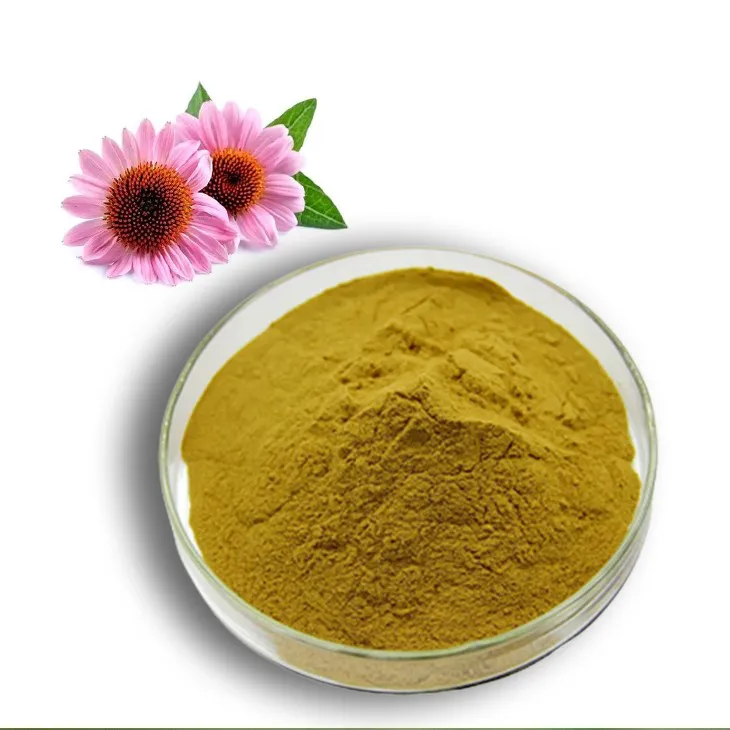
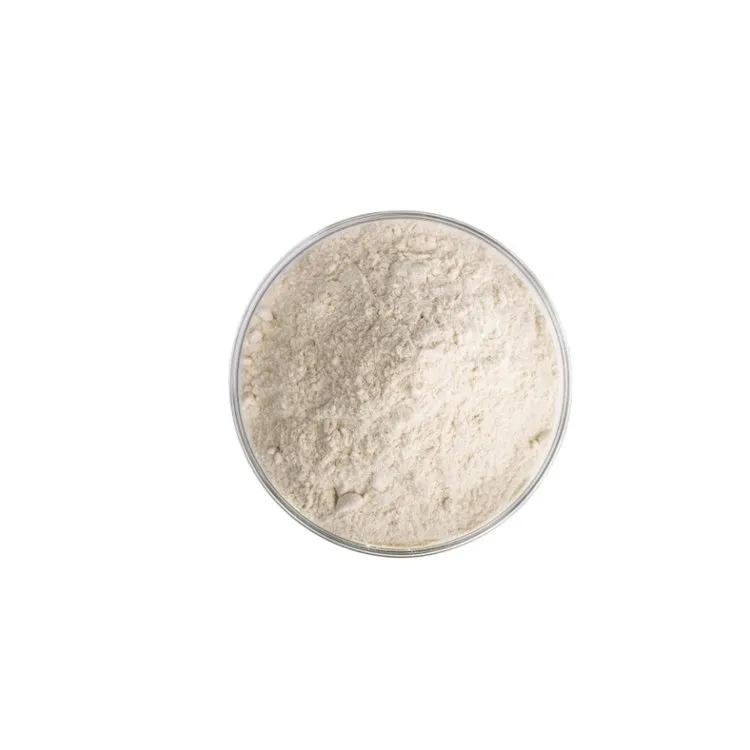
Echinacea Extract starts with the same plant material but goes through an extra step. The plant is soaked in a solvent, usually water or a water-ethanol mixture, to pull out the active constituents. The liquid is then concentrated and often spray-dried into a powder. The result is a much more concentrated ingredient, and many extracts are standardized to a guaranteed level of a marker compound. For example, GreenSkyBio's Echinacea Extract is standardized to 0.4% to 4% echinacosides and 4% polyphenols, with echinacosides, polysaccharides, and alkamides as the main active ingredients. Because the actives are concentrated, a small amount of extract can deliver what would require a much larger amount of powder.
Key differences at a glance
| Aspect | Echinacea powder | Echinacea extract |
|---|---|---|
| Processing | Dried herb ground directly | Solvent extraction, concentration, and spray drying |
| Concentration | Low; actives in natural ratios | High; often standardized to markers |
| Active compounds | All constituents in natural amounts | Concentrated echinacosides, polyphenols, polysaccharides |
| Serving size | Larger | Smaller |
| Best suited for | Teas, whole-food capsules, herbal blends | Standardized supplements, tablets, gummies, beverages |
| Cost per kilogram | Lower | Higher, but more potent per gram |
Which one should you use?
There is no single right answer, because the choice depends on your product format and your label strategy. If you are making a whole-food style product, a tea blend, or a simple capsule where consumers expect the herb in its natural state, echinacea powder is the more honest and cost-effective choice. If you are formulating a standardized supplement, a tablet, a gummy, or a beverage where you need a measurable dose of actives in a small serving, an echinacea extract is usually the better fit. Many formulators combine both: powder for bulk and whole-plant character, extract for a guaranteed level of active compounds.
Quality factors to check when sourcing
Whichever form you choose, the same quality questions apply. First, confirm the botanical species. Commercial echinacea can come from Echinacea purpurea, Echinacea angustifolia, or Echinacea pallida, and these species have different chemical profiles, so they should not be treated as interchangeable. Second, check the plant part: root and aerial parts differ in their caffeic acid derivatives and alkylamides. Third, ask about the extraction solvent, because water and hydroethanolic systems recover different groups of compounds. Finally, review the certificate of analysis. A reliable supplier should state the marker level, the test method, and the actual batch result. GreenSkyBio tests its echinacea extract by high-performance liquid chromatography (HPLC) and UV-visible spectroscopy, and the product specification clearly lists the echinacoside and polyphenol content.
Why source from GreenSkyBio?
GreenSkyBio is a professional manufacturer of natural plant extracts, founded in 2004 and headquartered in Hangzhou, China. With more than 20 years of experience and five wholly-owned subsidiaries, the company handles research, development, production, and sales under one roof. Its 100,000-class clean production area meets food-grade requirements, and an independent laboratory equipped with HPLC, GC, and UV instruments supports batch testing. The company holds ISO22000, BRCGS, Ecocert Organic Standard, SGS-GMP, ISO9001, HALAL, and Kosher certifications, and it exports mainly to Europe, the United States, South Korea, and Russia. Whether you need a standardized echinacea extract or another plant extract, the team can provide specifications, samples, and export documentation for global regulatory submissions.
Understanding the difference between echinacea extract and echinacea powder comes down to one idea: powder is the whole herb in a convenient form, while extract is the concentrated actives in a measurable form. Choose based on your dosage form and label goals, and always verify species, plant part, and marker levels before you buy. If you are unsure which grade fits your project, contact the GreenSkyBio sales team at [email protected] for guidance and a free sample.
TAGS:
FAQ
- ▶ Hesperidin
- ▶ Citrus Bioflavonoids
- ▶ Plant Extract
- ▶ lycopene
- ▶ Diosmin
- ▶ Grape seed extract
- ▶ Sea buckthorn Juice Powder
- ▶ Fruit Juice Powder
- ▶ Hops Extract
- ▶ Artichoke Extract
- ▶ Mushroom extract
- ▶ Astaxanthin
- ▶ Green Tea Extract
- ▶ Curcumin
- ▶ Horse Chestnut Extract
- ▶ Other Product
- ▶ Boswellia Serrata Extract
- ▶ Resveratrol
- ▶ Marigold Extract
- ▶ Grape Leaf Extract
- ▶ New Product
- ▶ Aminolevulinic acid
- ▶ Cranberry Extract
- ▶ Red Yeast Rice
- ▶ Red Wine Extract
- ▶ blog
Recommended Products
-
Magnolia Bark Extract
2026-08-14
-
Sugarcane Extract
2026-08-14
-
Dandelion Leaf Extract
2026-08-14
-
Scutellaria Extract
2026-08-14
-
Senna Leaf Extract
2026-08-14
-
Rhodiola Rosea Extract
2026-08-14
-
Liposomal NMN
2026-08-14
-
Black Seed Extract
2026-08-14
-
Mulberry Extract
2026-08-14
-
Licorice Root Extract Powder
2026-08-14
Get a Quote