- 0086-571-85302990
- [email protected]






What is the difference between bilberry extract and blueberry extract?
2026-08-13
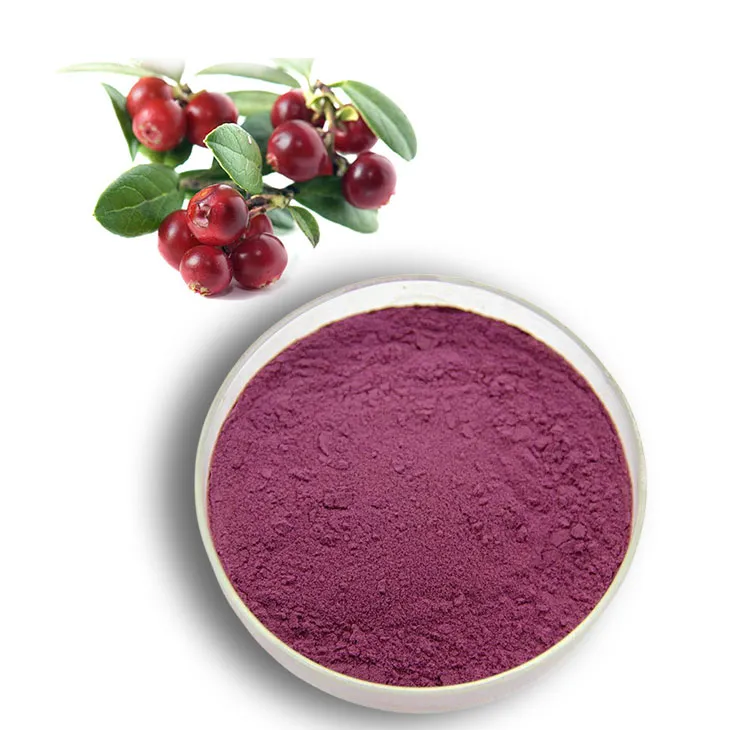
Bilberry and blueberry are two close relatives that are easily confused, and the same confusion often carries over to their extracts. Both belong to the Vaccinium genus, both are packed with dark purple pigments, and both are promoted as rich sources of antioxidants. Yet bilberry extract and blueberry extract are not interchangeable. They come from different plants, contain different levels of active compounds, and are used for different purposes. If you are comparing ingredients for a supplement, a beverage, or a food application, understanding these differences matters more than you might think.
What are bilberry and blueberry?
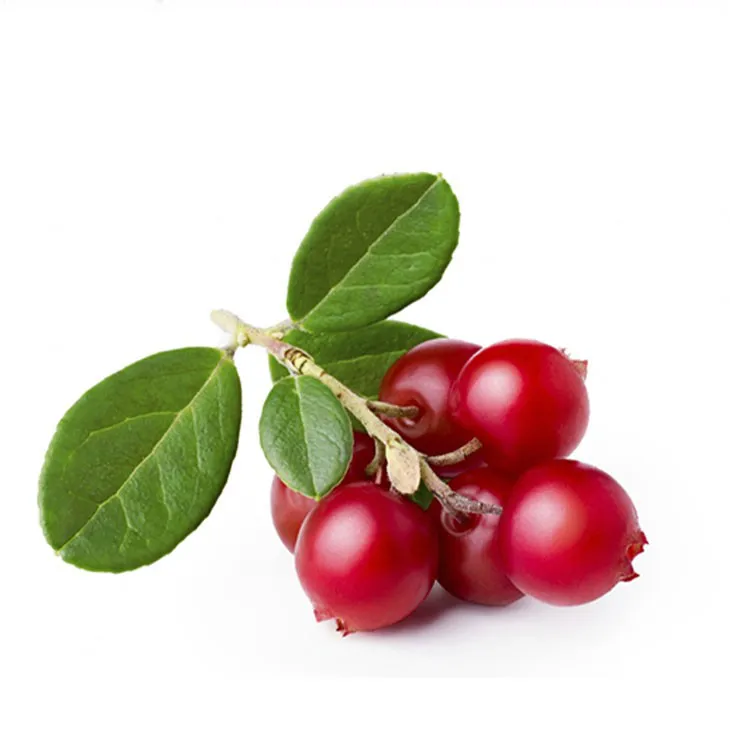
Bilberry (Vaccinium myrtillus) is a low-growing wild shrub native to northern Europe, with smaller fruits that are deep blue-black in color and stain the fingers with a dark purple juice. It is sometimes called European blueberry, whortleberry, or blaeberry. Blueberry (Vaccinium corymbosum) is a taller cultivated bush native to North America, and its berries are noticeably larger, with a lighter, greenish-white flesh inside.
The most useful way to tell them apart is by cutting the fruit open: bilberry flesh is dark purple in the center, while blueberry flesh is pale and firm. This small detail explains a great deal about why the two extracts differ.
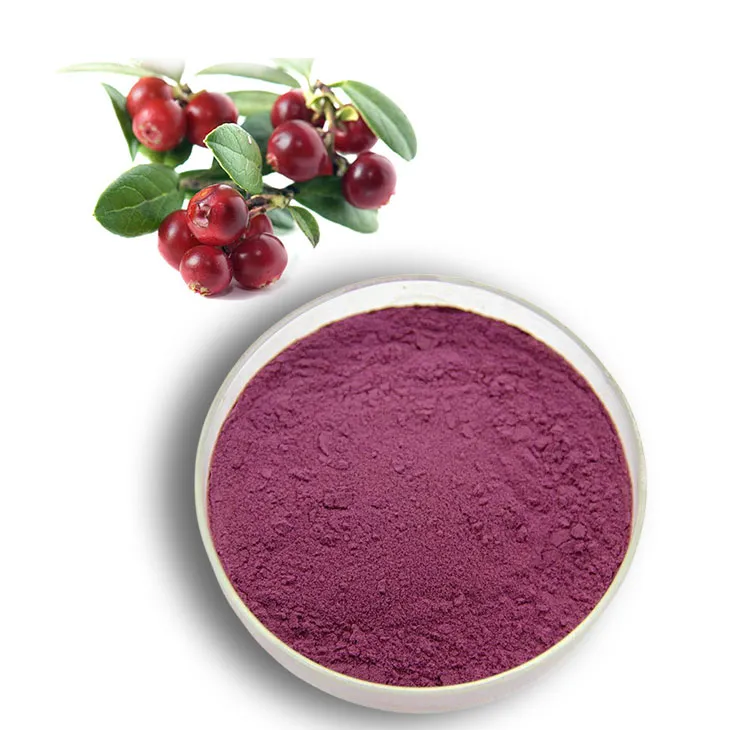
Key differences at a glance
| Feature | Bilberry Extract | Blueberry extract |
|---|---|---|
| Botanical source | Vaccinium myrtillus | Vaccinium corymbosum |
| Native region | Northern Europe | North America |
| Fruit flesh | Dark purple inside | Pale, greenish-white inside |
| Anthocyanin level | Generally higher | Generally lower |
| Typical use | Vision and circulation support | Dietary antioxidant, food color, flavor |
The anthocyanin difference
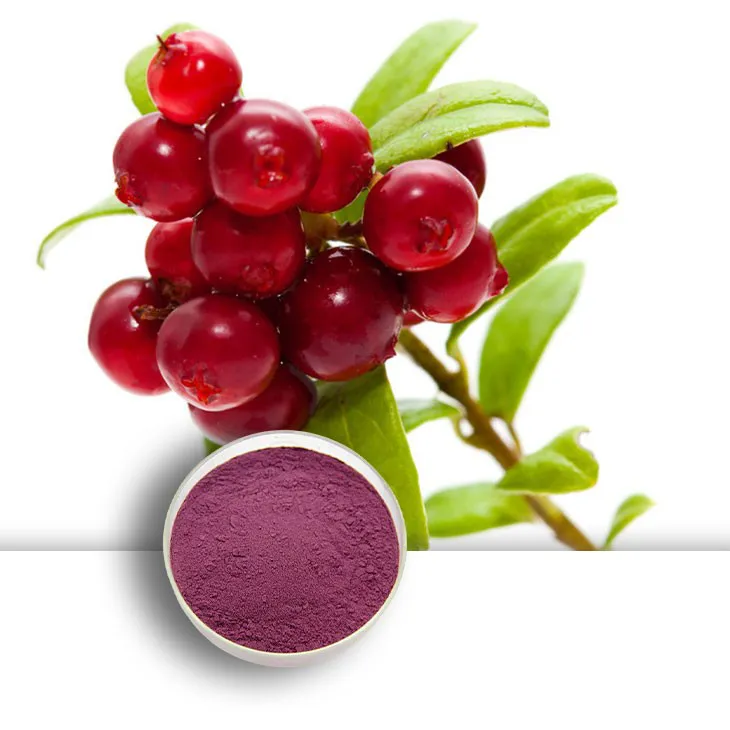
Anthocyanins are the pigments that give both berries their blue-purple color, and they are the main reason either extract is used at all. Bilberry is one of the richest natural sources of these compounds, and its anthocyanin content is generally higher than that of cultivated blueberries. Because most of the color sits in the skin, and bilberry delivers a deeper, denser pigment load, standardized Bilberry Extracts are often preferred when a high anthocyanin value is the goal.
For a supplier and manufacturer, this difference translates into different product specifications. A Bilberry Extract for vision-support supplements is usually standardized to a defined anthocyanin content so that every batch delivers a consistent dose. A blueberry extract, by contrast, is more often chosen for food and beverage applications where its milder taste and lighter color are an advantage.
Health benefits of bilberry extract
Bilberry has the longest history of use for eye health. Its anthocyanins have been linked to improved night vision, reduced visual fatigue, and support for retinal and capillary health, and it has traditionally been used to strengthen blood vessels and reduce capillary fragility. Beyond the eyes, bilberry has been studied for antioxidant, anti-inflammatory, and blood-sugar-supportive effects, which is why it appears so often in wellness formulas.
Health benefits of blueberry extract
Blueberry extract is recognized mainly for its broad antioxidant support. Regular consumption of blueberries and their anthocyanins has been associated with support for heart health, brain function, and healthy aging. Blueberry is also a popular natural choice in functional foods and drinks, where it adds both nutrition and a pleasant, familiar flavor rather than a heavily concentrated medicinal profile.
Bilberry extract or blueberry extract: which should you choose?
The choice depends on your application. If you are developing a vision-support or circulation-oriented supplement and need a concentrated, standardized source of anthocyanins, bilberry extract is the more suitable raw material. If you are formulating a food product, a juice, or a general antioxidant blend where taste and a lighter profile matter, blueberry extract may fit better. Many formulators actually combine the two, using bilberry for targeted eye-and-vessel benefits and blueberry for everyday antioxidant value.
Sourcing high-quality bilberry and blueberry extracts
Because extracts can vary widely in purity and active content, sourcing from a reliable plant extract manufacturer matters. A dependable supplier should offer standardized specifications, documentation for regulatory submissions, and consistent quality across batches. As a professional supplier of natural plant extracts and health product raw materials, Greensky provides high-quality European bilberry extract and cranberry, grape, and other botanical extractions to supplement and food manufacturers worldwide. When you choose a bilberry extract powder for your next formula, partner with a supplier who can guarantee the anthocyanin level your product promises on the label.
Understanding the difference between bilberry extract and blueberry extract is the first step to choosing the right ingredient. Once you know which profile your product needs, the next step is finding a partner who can deliver it consistently, batch after batch.
- ▶ Hesperidin
- ▶ Citrus Bioflavonoids
- ▶ Plant Extract
- ▶ lycopene
- ▶ Diosmin
- ▶ Grape seed extract
- ▶ Sea buckthorn Juice Powder
- ▶ Fruit Juice Powder
- ▶ Hops Extract
- ▶ Artichoke Extract
- ▶ Mushroom extract
- ▶ Astaxanthin
- ▶ Green Tea Extract
- ▶ Curcumin
- ▶ Horse Chestnut Extract
- ▶ Other Product
- ▶ Boswellia Serrata Extract
- ▶ Resveratrol
- ▶ Marigold Extract
- ▶ Grape Leaf Extract
- ▶ New Product
- ▶ Aminolevulinic acid
- ▶ Cranberry Extract
- ▶ Red Yeast Rice
- ▶ Red Wine Extract
- ▶ blog
-
Honeysuckle Pollen
2026-08-13
-
Cranberry Extract
2026-08-13
-
Cayenne Pepper Extract
2026-08-13
-
Liposomal Berberine HCl
2026-08-13
-
Lotus leaf extract
2026-08-13
-
Mulberry Extract
2026-08-13
-
Tinospora cordifolia extract
2026-08-13
-
Chia Seed Powder
2026-08-13
-
Fig Extract
2026-08-13
-
Calendula Extract
2026-08-13
