- 0086-571-85302990
- [email protected]





What is the difference between a curcumin and a curcuminoid?
2026-08-13
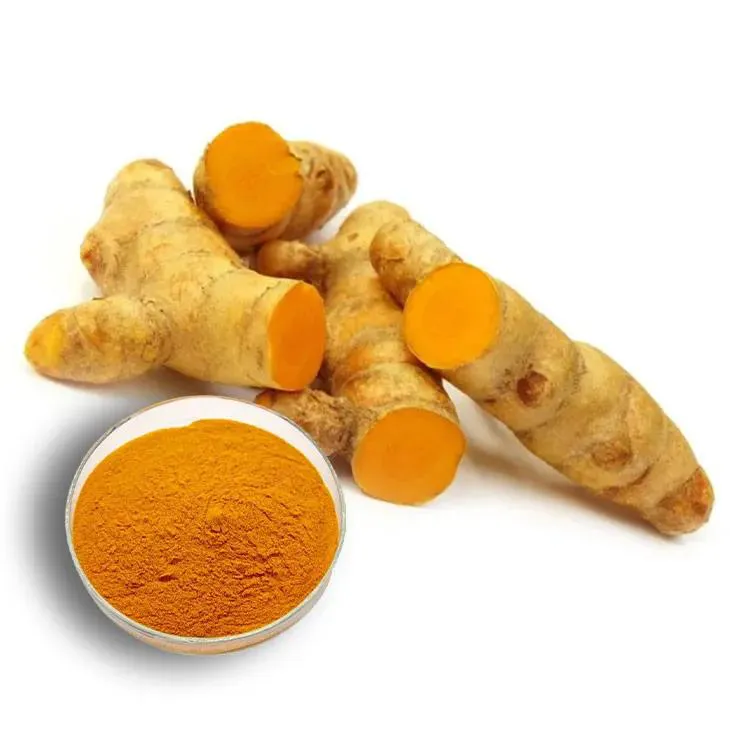
If you have ever compared labels on turmeric-based supplements or raw extract specification sheets, you have probably noticed two terms that look almost identical: "Curcumin" and "Curcuminoid." They are often used as if they mean the same thing, but the distinction actually matters a great deal for anyone buying ingredients or formulating products. This article explains the difference in plain terms and shows why it matters when you choose a curcumin manufacturer for your supply chain.
What is Curcumin?
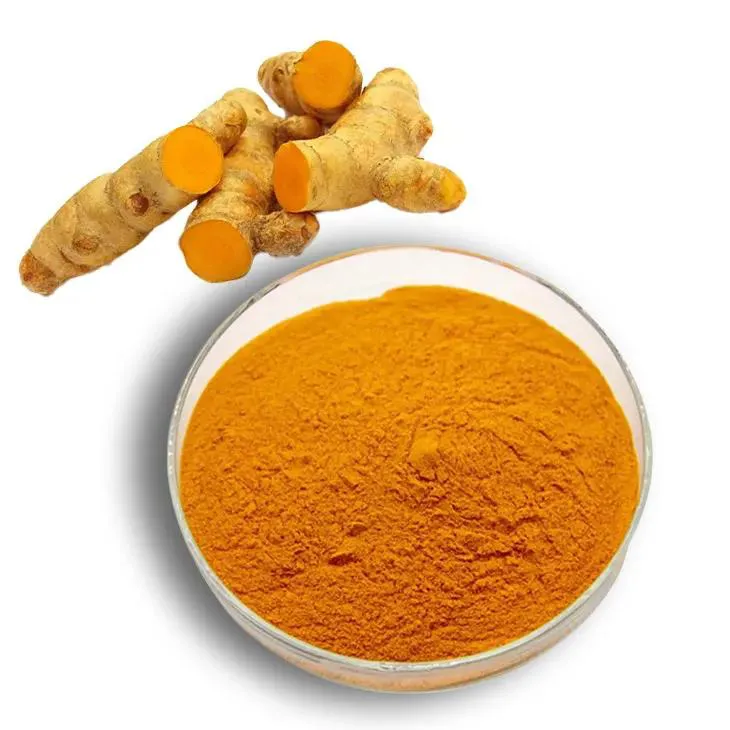
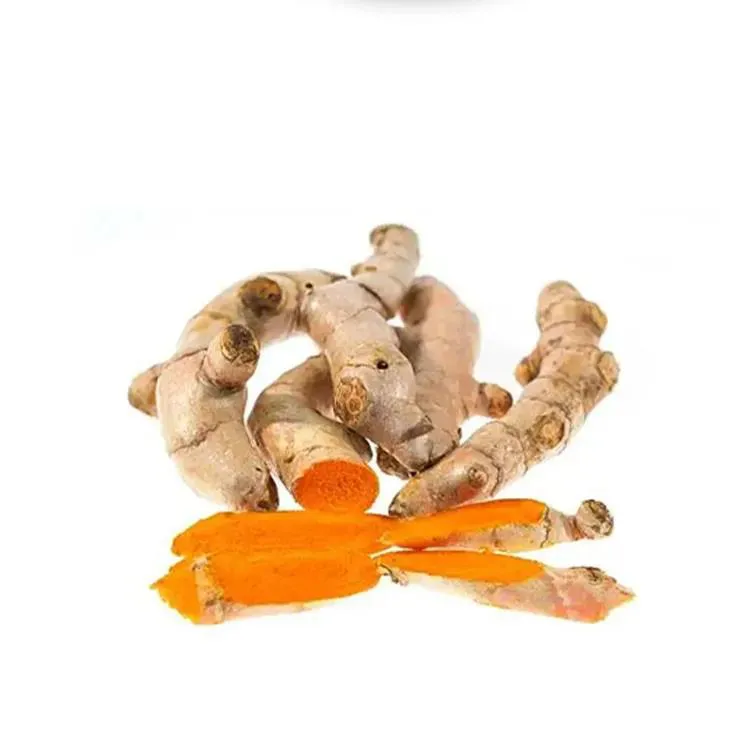
Curcumin is a single, specific compound. It is a natural polyphenol (belonging to a chemical group called diarylheptanoids) found in the rhizome of Curcuma longa, the plant we know as turmeric. Its chemical formula is C21H20O6, and its molecular weight is about 368.38 g/mol. Of all the compounds in turmeric, curcumin is the one that has been studied most extensively for antioxidant and anti-inflammatory activity.
What are curcuminoids?
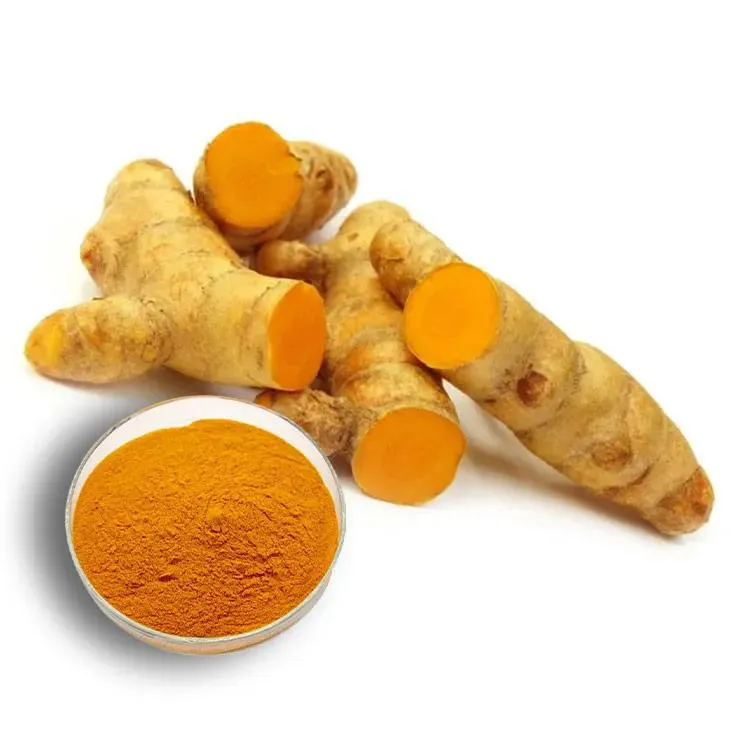
Curcuminoid is the broader term. It refers to a family of structurally related polyphenolic compounds that naturally occur together in turmeric. The family has three main members: curcumin, demethoxycurcumin, and bisdemethoxycurcumin. When an extract is labeled "curcuminoids," it usually means the total of these three compounds measured together. You can browse the curcumin extract product page to see how this ingredient is presented in a commercial catalog.
In short, curcumin is one member of the curcuminoid family. Every curcumin is a curcuminoid, but not every curcuminoid is curcumin. Treating the two words as synonyms is a little like treating "an apple" and "fruit" as the same thing.
Key differences at a glance
- Scope: Curcumin is one molecule; curcuminoids are a class of three closely related molecules.
- Members: The curcuminoid family includes curcumin, demethoxycurcumin, and bisdemethoxycurcumin.
- Labels: "Curcumin" on a spec sheet usually refers to that single compound, while "curcuminoids" refers to the total of the group.
- Behavior: The three curcuminoids differ slightly in solubility and bioactivity, which is why the whole complex is often preferred in formulations.
Why the difference matters in practice
The most practical reason to understand the difference is reading a specification sheet correctly. A product labeled "95% curcumin" is not the same as one labeled "95% curcuminoids." The first describes the amount of curcumin on its own; the second describes the combined amount of curcumin, demethoxycurcumin, and bisdemethoxycurcumin. If you are developing a product or writing a claim, mixing these up can lead to incorrect dosing and inaccurate label declarations.
The second practical point is bioavailability. Curcumin is famously poorly absorbed and is rapidly metabolized in the liver and intestines, so plasma levels stay low after ingestion. Manufacturers commonly address this with adjuvants such as piperine from black pepper, or with improved delivery forms. Because demethoxycurcumin and bisdemethoxycurcumin behave a little differently in the body, many formulators prefer to work with the full curcuminoid complex rather than isolated curcumin.
What buyers should look for
For anyone sourcing turmeric-derived ingredients, the takeaway is to ask for a clear and complete specification. A reliable supplier should state the total curcuminoid content, the breakdown of curcumin versus the other two members, heavy metal limits, and microbial limits. This transparency protects your product and your claims.
A qualified curcumin manufacturer with strong quality systems will provide these documents as standard. With more than two decades of experience in plant extraction, Greensky produces curcumin and turmeric extract under GMP-aligned, food-grade production conditions, supported by an in-house laboratory. The company holds certifications including ISO22000, BRCGS, HALAL, and Kosher, and offers forms suited to supplements and functional food raw materials.
Conclusion
Curcumin and curcuminoids are related but not identical. Curcumin is a single, well-studied compound, while curcuminoids are the larger family to which it belongs. Understanding the difference helps you read labels correctly, choose the right raw material, and communicate clearly with your ingredient partners. When you are ready to source, work with an experienced plant extract supplier that can explain exactly what is in your batch and back it up with documentation.
TAGS:
- ▶ Hesperidin
- ▶ Citrus Bioflavonoids
- ▶ Plant Extract
- ▶ lycopene
- ▶ Diosmin
- ▶ Grape seed extract
- ▶ Sea buckthorn Juice Powder
- ▶ Fruit Juice Powder
- ▶ Hops Extract
- ▶ Artichoke Extract
- ▶ Mushroom extract
- ▶ Astaxanthin
- ▶ Green Tea Extract
- ▶ Curcumin
- ▶ Horse Chestnut Extract
- ▶ Other Product
- ▶ Boswellia Serrata Extract
- ▶ Resveratrol
- ▶ Marigold Extract
- ▶ Grape Leaf Extract
- ▶ New Product
- ▶ Aminolevulinic acid
- ▶ Cranberry Extract
- ▶ Red Yeast Rice
- ▶ Red Wine Extract
- ▶ blog
-
Phyllanthus Emblica Extract
2026-08-13
-
Almond Extract Powder
2026-08-13
-
Boswellia Serrata Extract
2026-08-13
-
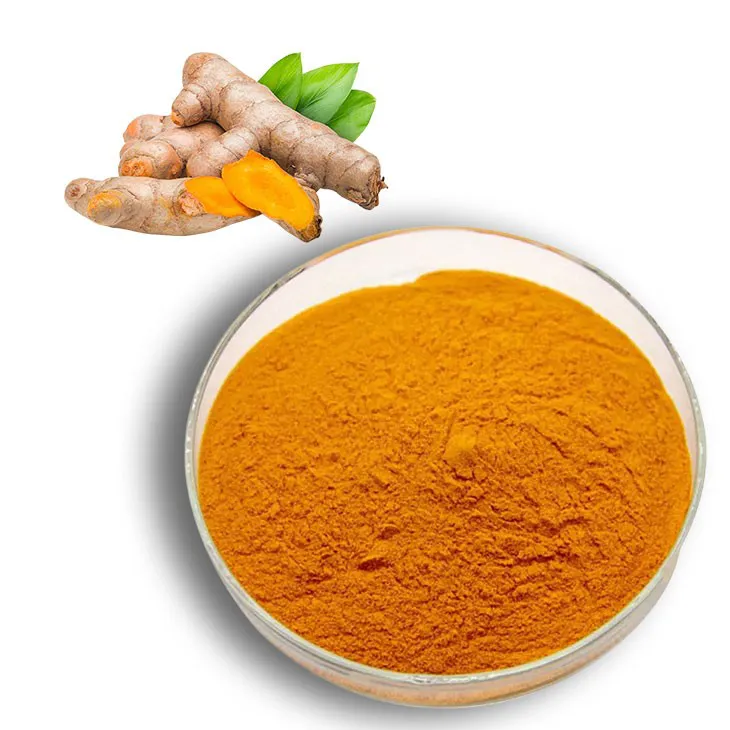
Curcuma Longa Extract/Turmeric extract
2026-08-13
-
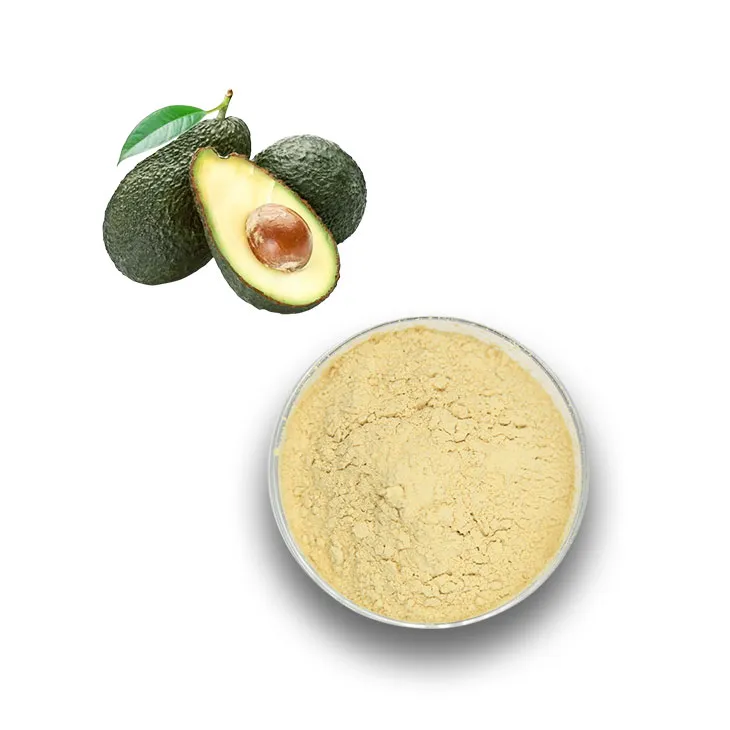
Avocado Extract Powder
2026-08-13
-
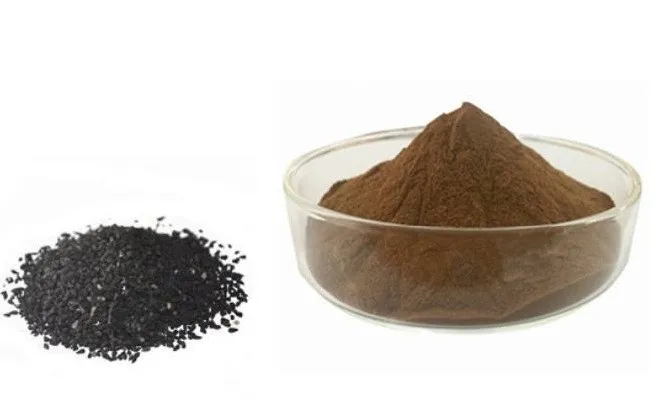
Black Seed Extract
2026-08-13
-
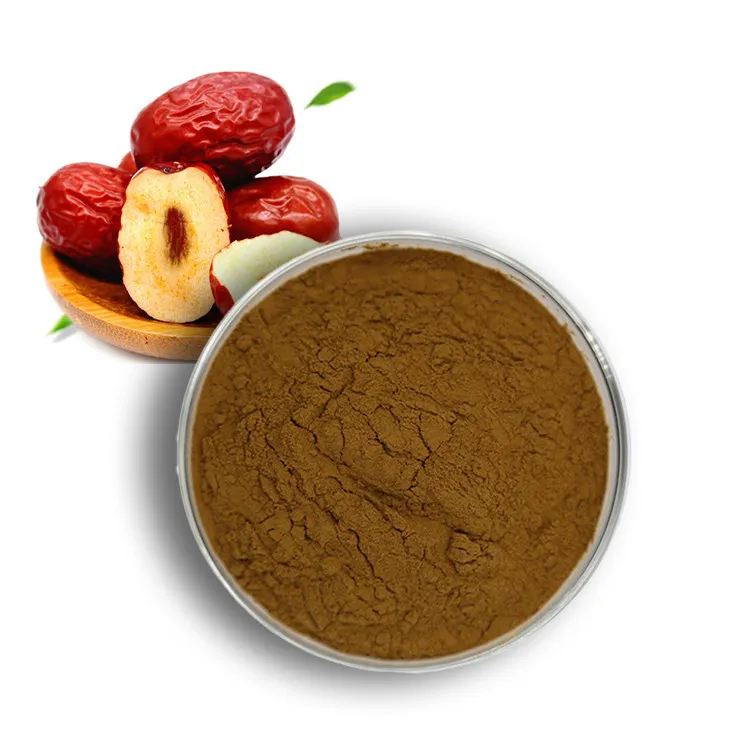
Jujube Extract
2026-08-13
-
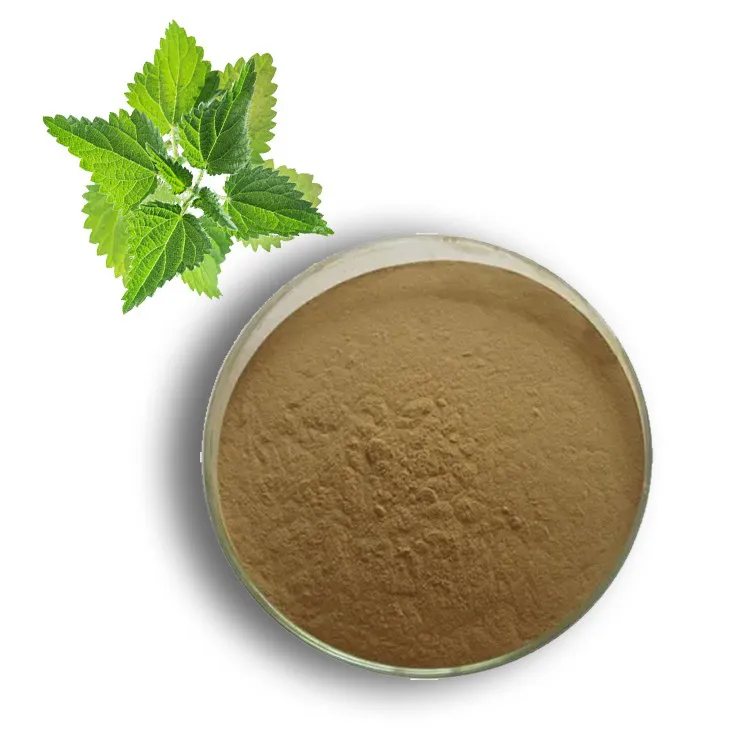
Nettle leaf extract
2026-08-13
-
Fenugreek Extract Powder
2026-08-13
-
Ginseng Root Extract
2026-08-13