- 0086-571-85302990
- [email protected]






What is the definition of curcumin supplement?
2026-08-18
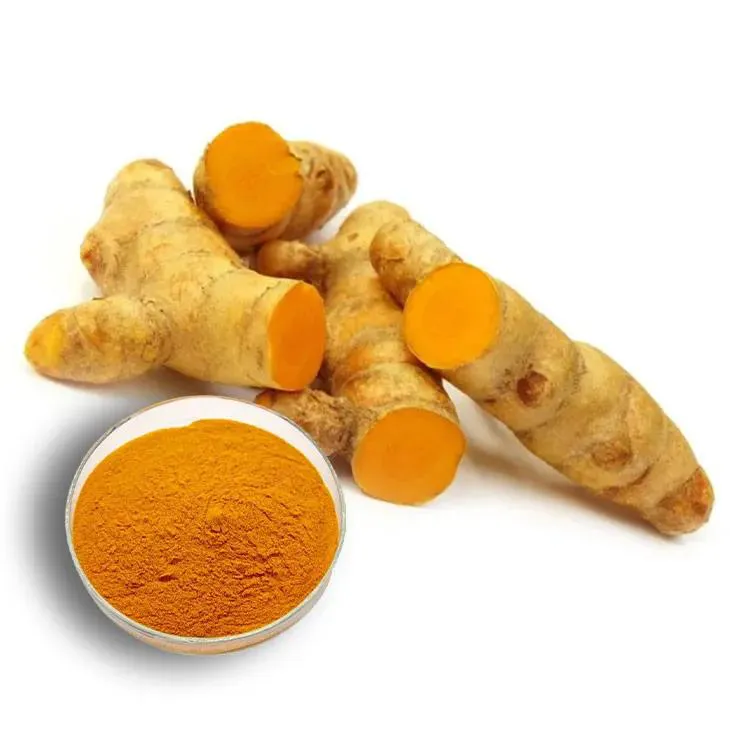
If you have browsed the supplement aisle or searched for natural ways to support joint comfort and general wellness, you have almost certainly come across the term "Curcumin supplement." It is one of the most talked-about botanical products on the market, yet many people are not entirely sure what it actually is, how it differs from the turmeric powder in their kitchen, or what a quality product should contain. This article explains the definition of a Curcumin supplement in plain language, what goes into one, and what to look for when you are buying it.
The short definition
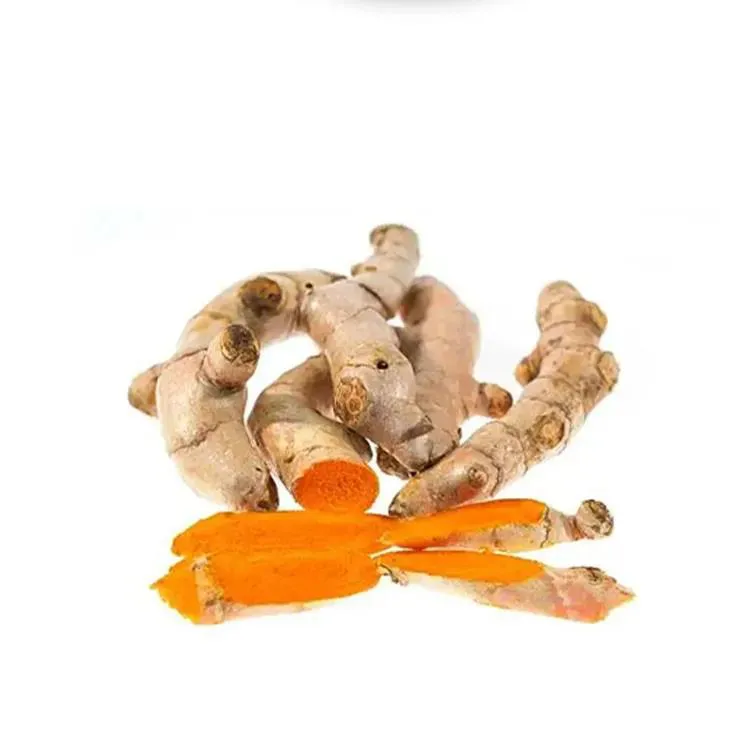
A Curcumin supplement is a dietary product made from concentrated curcumin, the main active compound found in the root of the turmeric plant (Curcuma longa). In simple terms, it is a purified form of the yellow pigment that gives turmeric its golden color, packaged in a capsule, tablet, powder, or softgel so that a person can take a meaningful dose. While turmeric has been used as a spice and a traditional remedy for centuries, a curcumin supplement delivers the compound in a far more concentrated form than cooking with the spice ever could.
Turmeric and curcumin are not the same thing
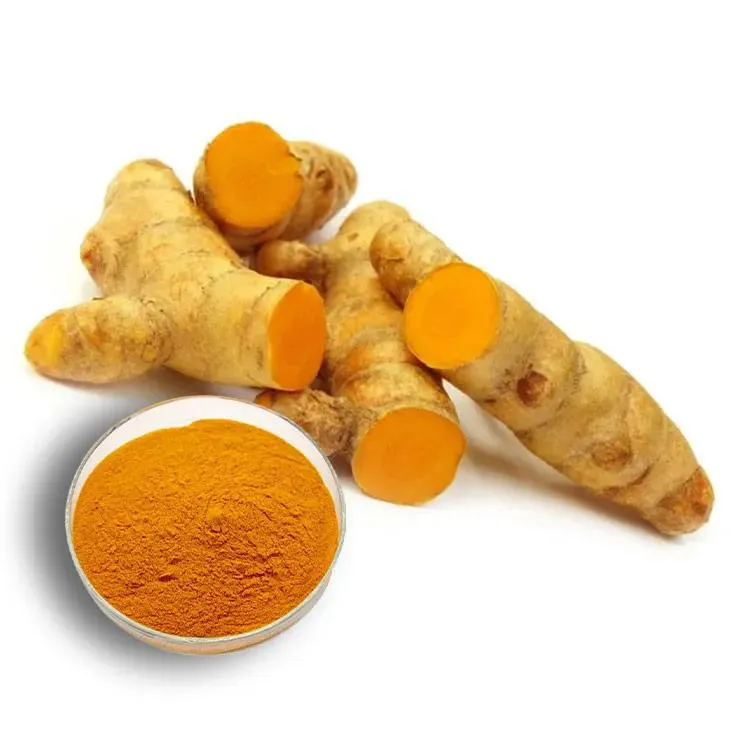
The two terms are often used as if they mean the same thing, which is the source of most of the confusion. Turmeric is the whole spice, a rhizome that contains hundreds of natural compounds. Curcumin is just one of those compounds, and it belongs to a family of substances called curcuminoids. Turmeric typically contains only about 3% curcumin by weight, which means that eating turmeric in food, no matter how much curry you enjoy, delivers only a tiny amount of the active compound. This is exactly why supplements exist: they concentrate the curcumin so that the body receives a dose large enough to have a measurable effect.
What is actually inside a curcumin supplement
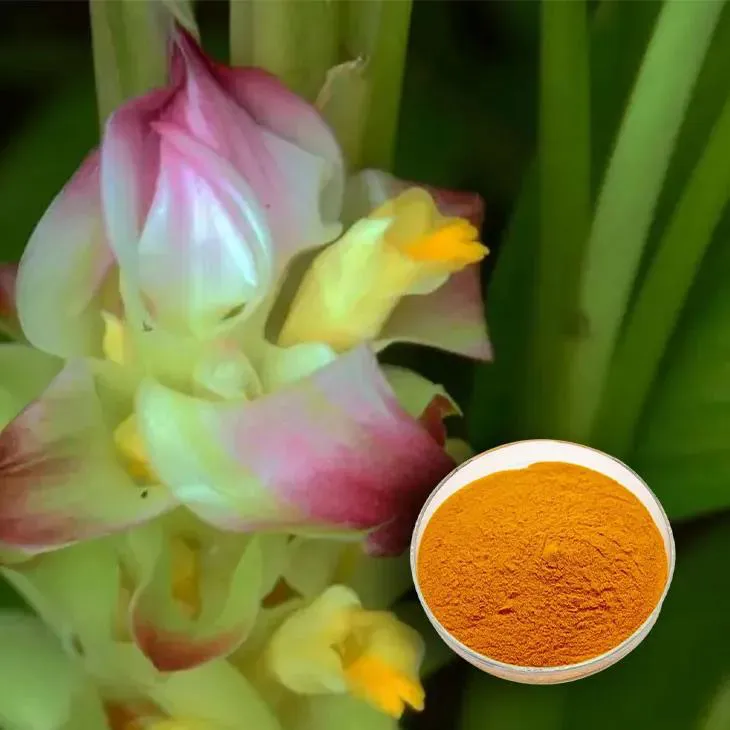
Not all curcumin supplements are identical, and the label tells you more than you might think. The most common form is a standardized extract, usually standardized to contain 95% curcuminoids. This percentage matters because it tells you how much of the capsule is actually the active compound rather than filler or plant matter. A product labeled "95% curcuminoids" is the industry benchmark and the form most often used in clinical research.
Some products go a step further and combine curcumin with other ingredients to improve how well the body absorbs it. Black Pepper Extract, also known as piperine, is the most common addition, and research has shown that it can dramatically increase the amount of curcumin that reaches the bloodstream. Other formulations use phytosome technology, which binds curcumin to a fat-like molecule, or special emulsified forms designed for better uptake. These enhanced versions are worth understanding because plain curcumin on its own is notoriously difficult for the body to absorb.
Why people take it
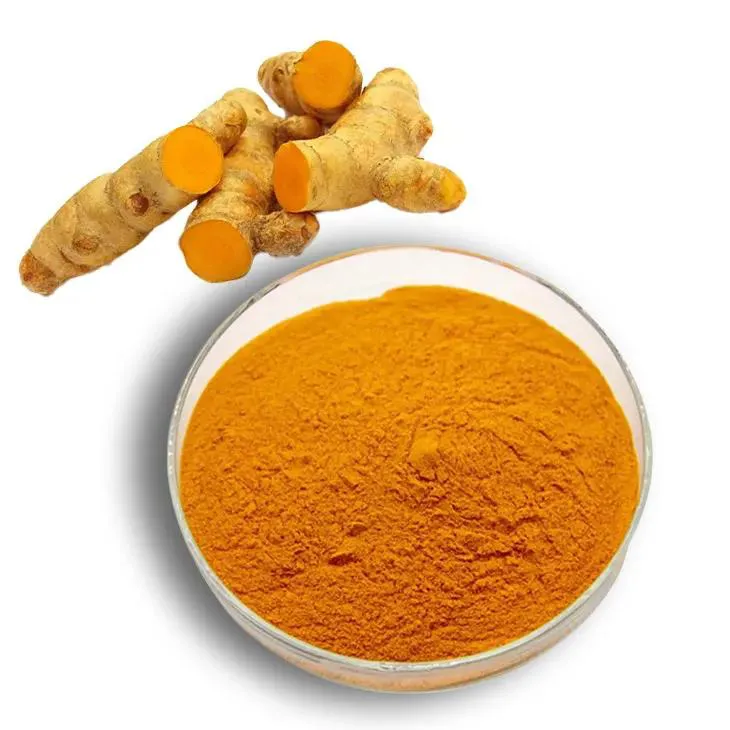
Curcumin has been extensively studied, and the research focuses on two main properties: it is a powerful antioxidant and it supports the body's natural inflammatory response. These two effects are the foundation of most of the benefits people report.
For joint health, clinical studies have looked at curcumin for people with osteoarthritis and found that it can help reduce discomfort and support mobility, sometimes with results comparable to conventional over-the-counter options. For heart health, research has examined its effect on the lining of blood vessels, which plays a central role in cardiovascular function. There is also growing interest in its potential to support cognitive function and healthy aging, although the evidence there is less established than it is for joints and inflammation. None of this means curcumin is a cure for any disease, but it does explain why it has become one of the most researched botanical ingredients in the supplement world.
The absorption problem and how good products solve it
Here is the honest catch with curcumin: on its own, it is absorbed very poorly. The body quickly metabolizes and eliminates it before much of it reaches the bloodstream. This is not a flaw in the ingredient itself, it is simply how the molecule behaves. A well-designed supplement addresses this in one of several ways. Combining curcumin with piperine is the classic approach and is supported by decades of research. Taking the supplement with a meal that contains fat also helps, because curcumin is fat-soluble. More advanced products use delivery systems that protect the curcumin as it passes through the digestive tract, which is why some premium formulas can achieve results at lower doses.
How to choose a quality curcumin supplement
Because curcumin is so popular, the market is full of products of very different quality, and the label alone does not always tell the full story. A few checks will help you separate a serious product from a weak one. First, look for the curcuminoid percentage, ideally 95% standardized extract. Second, check whether the product uses an absorption enhancer; without one, you may be swallowing a supplement that mostly passes straight through you. Third, look for third-party testing and certificates that confirm purity, such as testing for heavy metals and contaminants.
For businesses, whether you are a brand owner, a formulator, or a distributor, the source of the raw material matters even more. The quality of a finished curcumin supplement can only be as good as the extract that goes into it. Working with a reliable Curcumin Supplier who can provide documentation, consistent specifications, and clean production standards removes a great deal of the guesswork. A manufacturer with its own production line and independent laboratory testing can guarantee batch-to-batch consistency, which is exactly what a brand needs before it puts its name on a label.
Safety and who should be careful
Curcumin is generally well tolerated, and most people can take it without any problems. At high doses, some people experience mild stomach upset. Because curcumin can have a mild blood-thinning effect, anyone taking anticoagulant medication, or preparing for surgery, should talk to a doctor first. People with gallbladder problems should also check with a healthcare professional, since curcumin can stimulate bile production. As with any supplement, it is sensible to start with the recommended dose and see how your body responds.
Final thoughts
To sum it up, a curcumin supplement is a concentrated form of the active compound in turmeric, standardized so that the body receives a meaningful dose of a compound with well-documented antioxidant and anti-inflammatory properties. The best products combine a high curcuminoid content with an absorption enhancer and come from a source that can prove its quality. Whether you are choosing a supplement for yourself or sourcing pure curcumin for a product line, understanding the definition is the first step toward making an informed decision.
- ▶ Hesperidin
- ▶ Citrus Bioflavonoids
- ▶ Plant Extract
- ▶ lycopene
- ▶ Diosmin
- ▶ Grape seed extract
- ▶ Sea buckthorn Juice Powder
- ▶ Fruit Juice Powder
- ▶ Hops Extract
- ▶ Artichoke Extract
- ▶ Mushroom extract
- ▶ Astaxanthin
- ▶ Green Tea Extract
- ▶ Curcumin
- ▶ Horse Chestnut Extract
- ▶ Other Product
- ▶ Boswellia Serrata Extract
- ▶ Resveratrol
- ▶ Marigold Extract
- ▶ Grape Leaf Extract
- ▶ New Product
- ▶ Aminolevulinic acid
- ▶ Cranberry Extract
- ▶ Red Yeast Rice
- ▶ Red Wine Extract
- ▶ blog
-
Garcinia Cambogia Extract
2026-08-18
-
Acerola Extract
2026-08-18
-
Gamma-Aminobutyric Acid
2026-08-18
-
Kidney Bean Extract
2026-08-18
-
Golden Seal Extract
2026-08-18
-
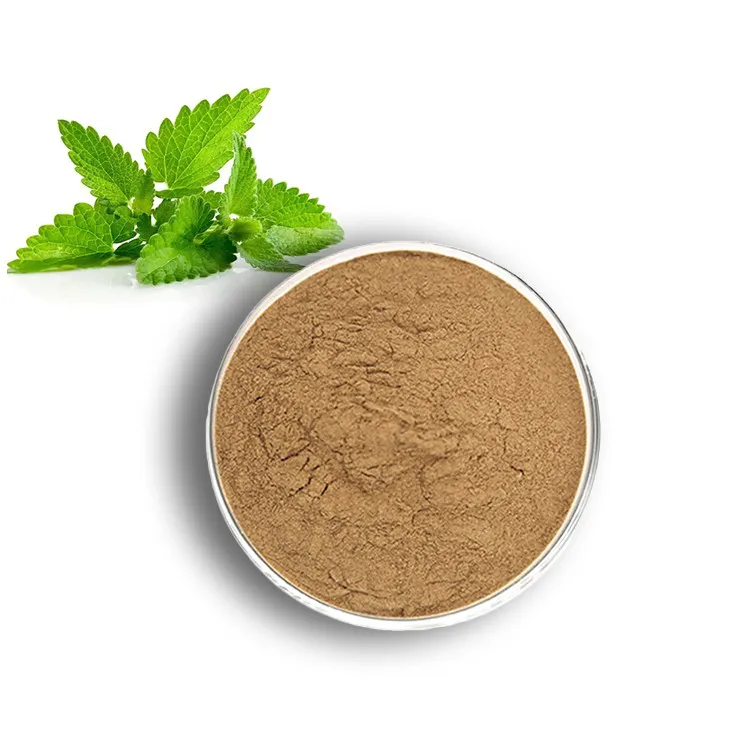
Lemon Balm Extract
2026-08-18
-
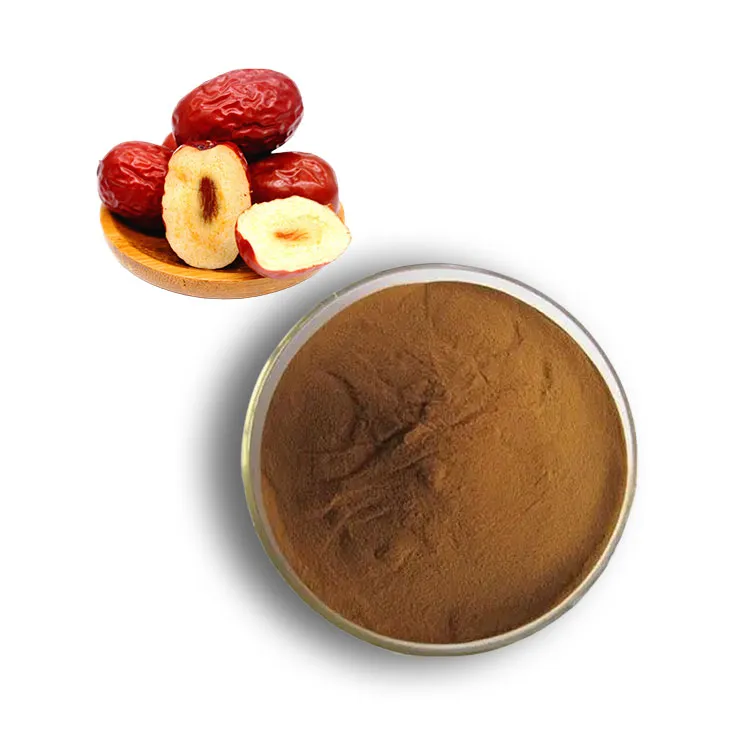
Red Date Extract
2026-08-18
-
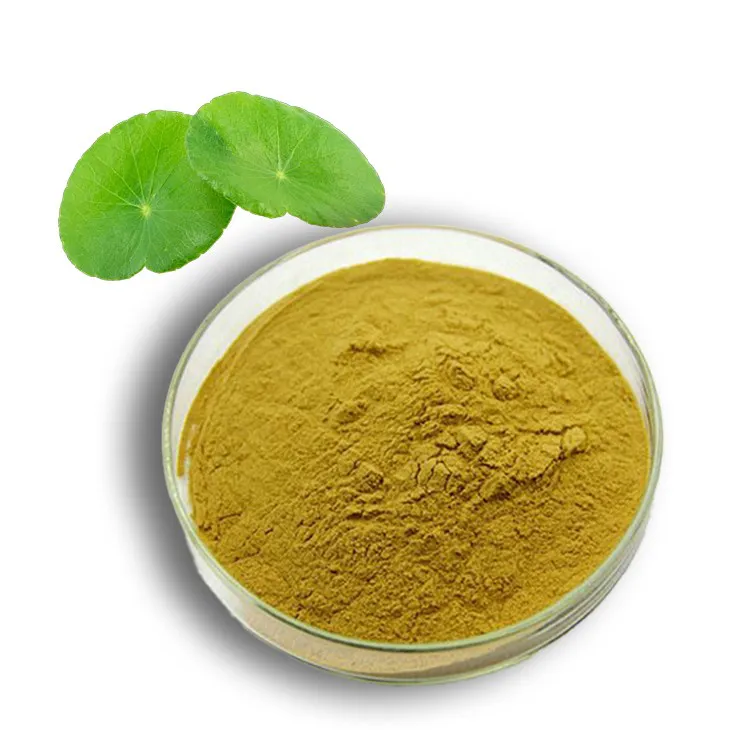
Centella Asiatica Extract
2026-08-18
-
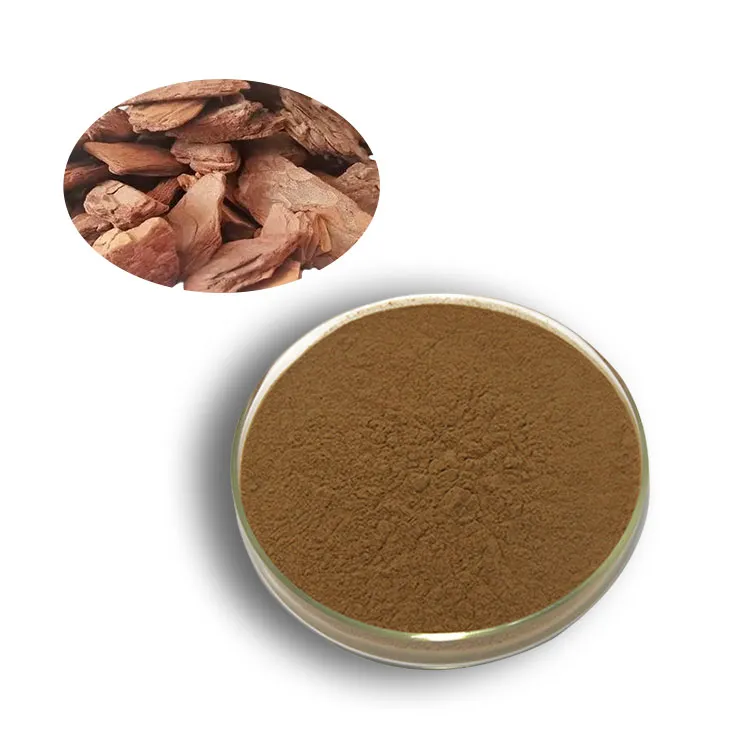
Pine bark Extract Powder
2026-08-18
-
Polygonum Cuspidatum Extract
2026-08-18
