- 0086-571-85302990
- [email protected]





What is the definition of curcumin in chemistry?
2026-08-14
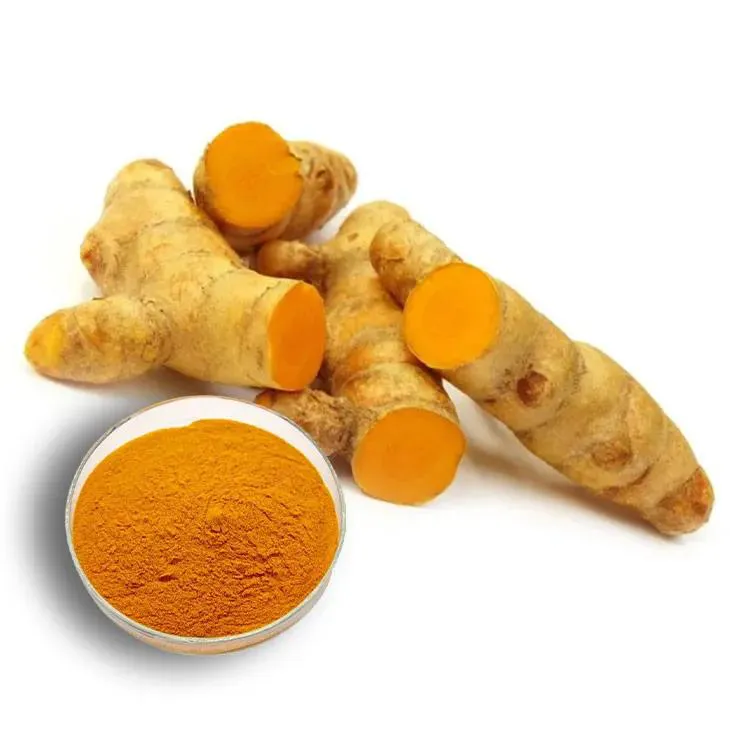
If you have ever looked at a bottle of turmeric powder or a golden-hued supplement, you have already met Curcumin without knowing its name. Curcumin is the bright yellow pigment responsible for the color of turmeric, and in chemistry it is defined as a natural polyphenolic compound belonging to the class of diarylheptanoids. It is one of the most studied plant-derived molecules of the past century, valued both for its distinctive structure and for the wide range of biological activities that structure supports.
In the most precise chemical terms, Curcumin is known as diferuloylmethane. Its systematic IUPAC name is (1E,6E)-1,7-bis(4-hydroxy-3-methoxyphenyl)-1,6-heptadiene-3,5-dione, and it has the molecular formula C21H20O6 with a molecular weight of 368.38 g/mol. This formal definition tells chemists exactly how the atoms are arranged, but understanding what that arrangement means requires a closer look at the molecule itself.
The Molecular Structure of Curcumin
The structure of curcumin can be broken down into three distinct parts. At each end of the molecule sits an aromatic ring bearing a hydroxyl group and a methoxy group, a pattern typical of phenolic compounds. These two ring systems are joined by a seven-carbon linker that contains an alpha,beta-unsaturated beta-diketone unit, which is the heart of the molecule's chemical behavior.
Because of this beta-diketone group, curcumin exists in two interconvertible forms known as keto and enol tautomers. In most solvents the enol form is more stable, and this tautomeric flexibility is one reason the molecule can interact with so many different biological targets. The extended system of conjugated double bonds that runs through the molecule is also what gives curcumin its characteristic yellow-orange color and its ability to absorb light in the visible region of the spectrum.
Physical and Chemical Properties
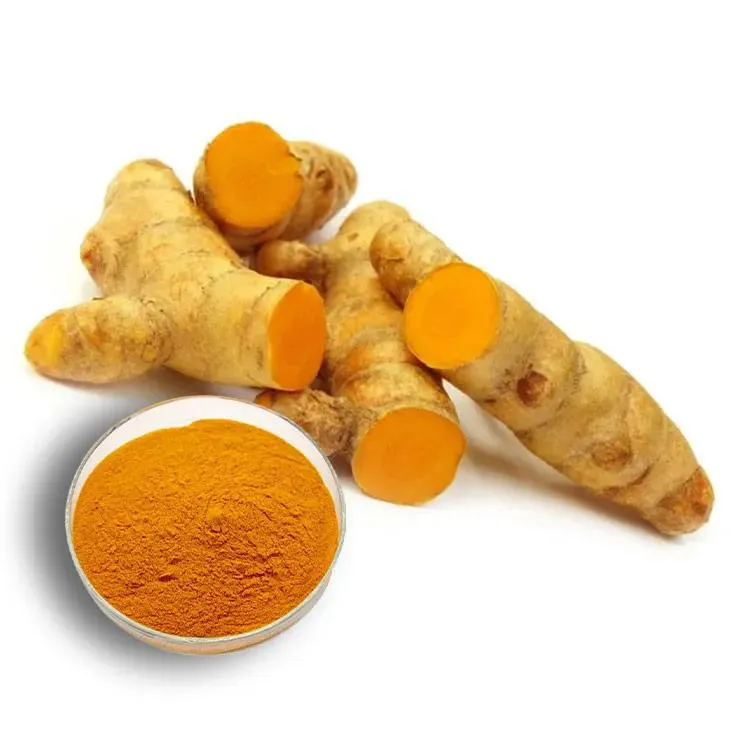
From a practical standpoint, the physical properties of curcumin matter just as much as its structure. Curcumin appears as an orange-yellow crystalline powder with a melting point around 183 °C. It is a hydrophobic molecule with a logP value of roughly 3.0, which means it dissolves poorly in water but readily in organic solvents such as ethanol, methanol, acetone, and dimethyl sulfoxide. This limited water solubility is an important consideration for formulators who want to deliver curcumin effectively.
The molecule also behaves as a weak acid. It has three labile protons with corresponding pKa values, and as the pH of a solution rises above about 7.5, curcumin changes from yellow to a deep red. This pH sensitivity, together with its sensitivity to light, means that careful handling and proper formulation are needed to keep the compound stable and active.
Where Curcumin Comes From
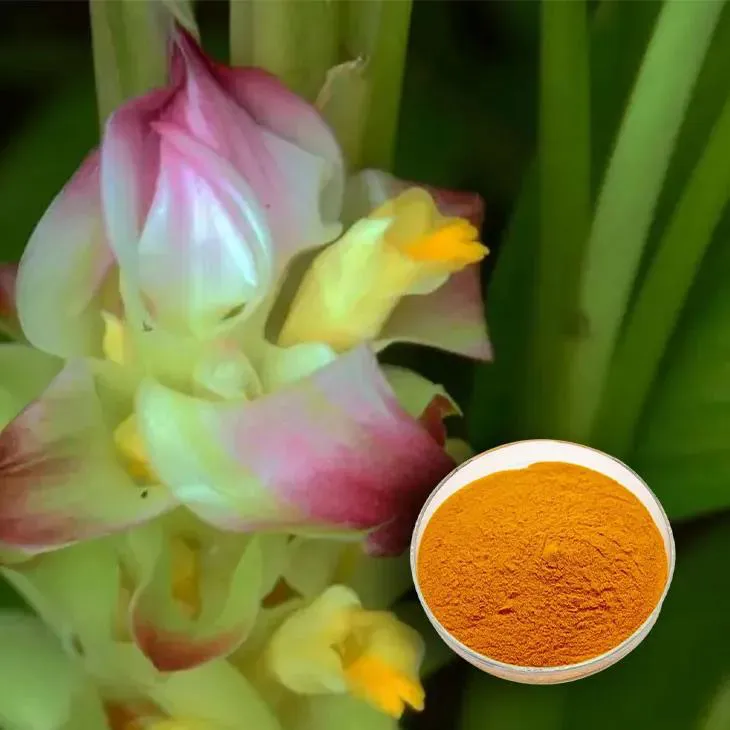
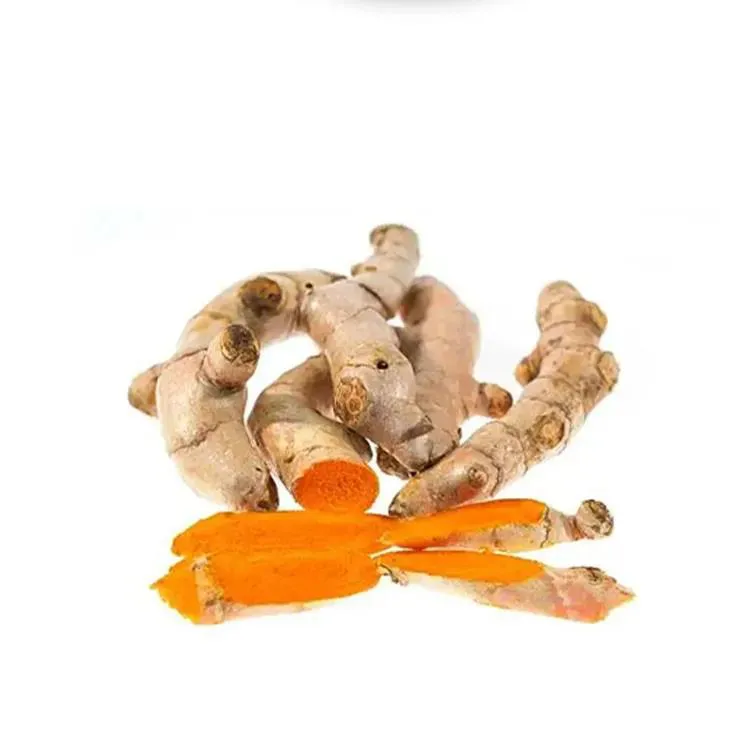
Curcumin is extracted from the rhizome of Curcuma longa, the plant we know as turmeric. Turmeric typically contains between 2% and 9% curcuminoids, a family of related compounds that includes curcumin itself along with demethoxycurcumin and bisdemethoxycurcumin. Curcumin is the major component of this mixture and the one responsible for most of turmeric's reported benefits.
Commercial extraction usually relies on solvent extraction followed by purification, with ethanol being the preferred food-grade solvent. More advanced methods such as supercritical carbon dioxide extraction are also used to obtain high-quality curcumin without residual organic solvents. The result is a standardized extract that can be formulated into dietary supplements, functional foods, and cosmetic ingredients.
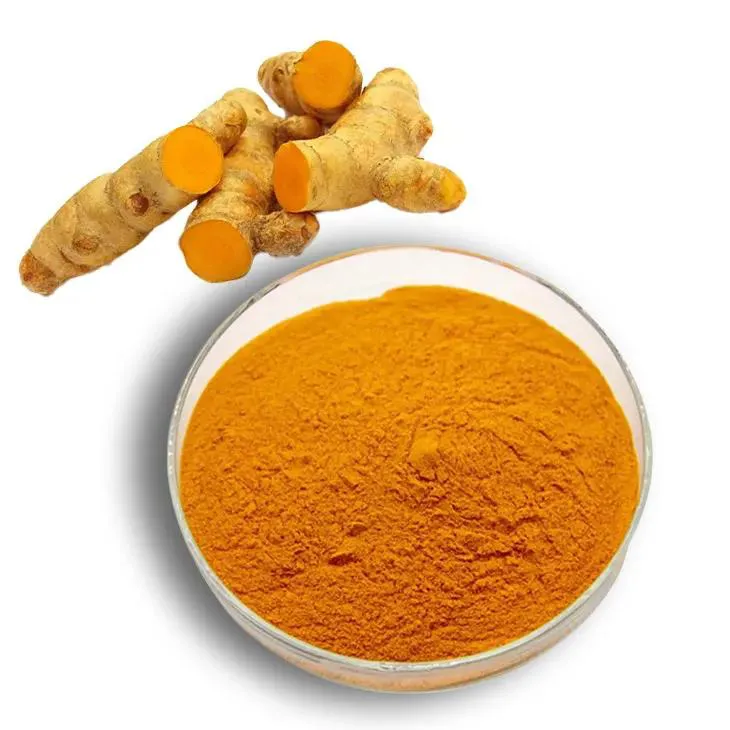
Why Curcumin Matters for Health
The chemistry of curcumin is interesting in its own right, but it becomes truly valuable because of what that chemistry enables. Curcumin is a powerful antioxidant and anti-inflammatory agent, and it has been extensively studied for its potential role in supporting joint health, cardiovascular function, and overall wellness. Its phenolic hydroxyl groups can neutralize free radicals, while its diketone structure allows it to chelate metal ions, both of which contribute to its biological activity.
For manufacturers of dietary supplements and functional foods, this means curcumin is one of the most versatile raw materials available. Whether it is used in capsules, tablets, powders, or beverages, the quality of the starting material determines the quality of the finished product.
Choosing a Reliable Curcumin Supplier
Because curcumin is sensitive to light, pH, and processing conditions, sourcing it from an experienced manufacturer makes a real difference. A reputable supplier should be able to provide standardized extracts with consistent curcuminoid content, documented purity, and full analytical support. When you buy pure curcumin in bulk, you want assurance that the product has been produced under clean, food-grade conditions and verified by laboratory testing.
Greensky, a professional plant extract manufacturer founded in 2004 and headquartered in Hangzhou, China, has spent more than two decades producing active botanical ingredients. The company operates a 100,000-class clean production area and an independent laboratory equipped with HPLC, GC, and UV instruments, allowing every batch of curcumin to be tested for purity and consistency. As a Curcumin Manufacturer and supplier, Greensky provides Curcumin Extracts and turmeric extracts that meet international quality standards, backed by certifications including ISO22000, BRCGS, and HALAL.
For businesses looking to secure a steady supply of high-quality ingredients, working directly with a manufacturer offers clear advantages in cost, traceability, and customization. Whether you need wholesale curcumin for a new supplement line or a standardized turmeric extract for a functional food project, a direct partnership with an experienced producer helps ensure that the chemistry of your raw material translates into a reliable finished product.
Conclusion
In chemistry, curcumin is defined as a diarylheptanoid polyphenol with the formula C21H20O6, built from two phenolic rings joined by a seven-carbon beta-diketone linker. That simple definition hides a molecule of remarkable versatility, one that combines a distinctive yellow color, sensitive acid-base behavior, and powerful antioxidant activity. Understanding this chemistry is the first step toward using curcumin effectively, whether in research, formulation, or manufacturing.
- ▶ Hesperidin
- ▶ Citrus Bioflavonoids
- ▶ Plant Extract
- ▶ lycopene
- ▶ Diosmin
- ▶ Grape seed extract
- ▶ Sea buckthorn Juice Powder
- ▶ Fruit Juice Powder
- ▶ Hops Extract
- ▶ Artichoke Extract
- ▶ Mushroom extract
- ▶ Astaxanthin
- ▶ Green Tea Extract
- ▶ Curcumin
- ▶ Horse Chestnut Extract
- ▶ Other Product
- ▶ Boswellia Serrata Extract
- ▶ Resveratrol
- ▶ Marigold Extract
- ▶ Grape Leaf Extract
- ▶ New Product
- ▶ Aminolevulinic acid
- ▶ Cranberry Extract
- ▶ Red Yeast Rice
- ▶ Red Wine Extract
- ▶ blog
-
Lemon Balm Extract
2026-08-14
-
Ivy Extract
2026-08-14
-
Marigold Extract
2026-08-14
-
Ginger Extract
2026-08-14
-
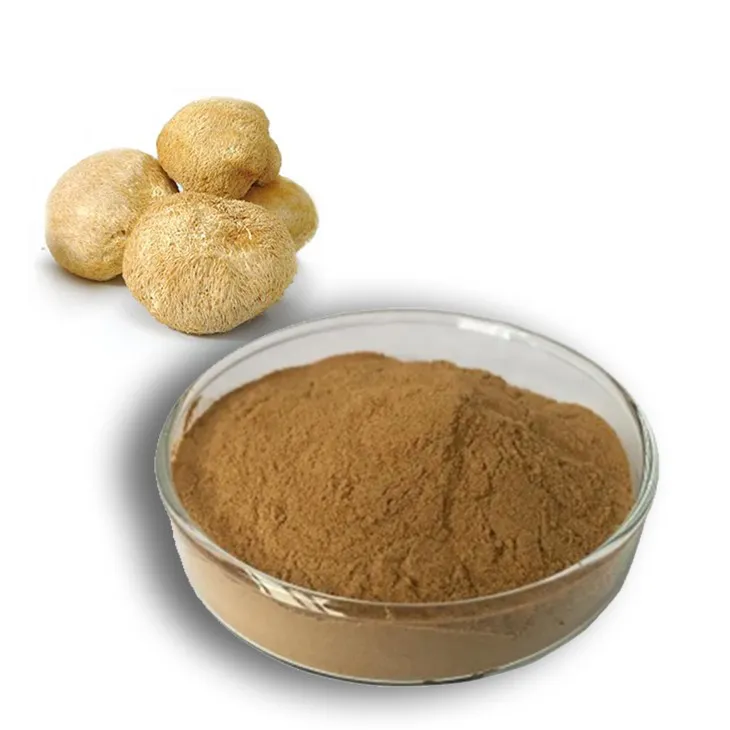
Hericium erinaceus extract powder
2026-08-14
-
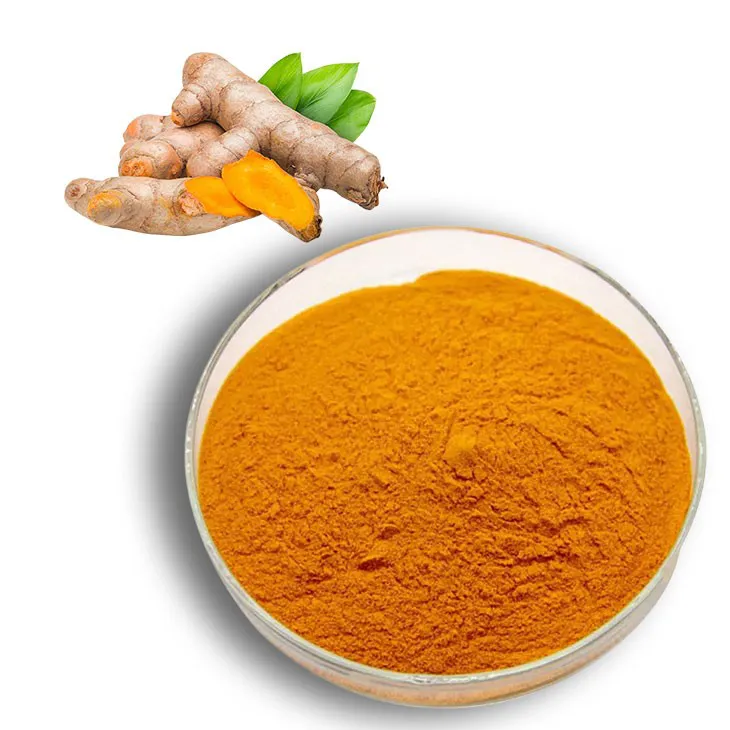
Curcuma Longa Extract/Turmeric extract
2026-08-14
-
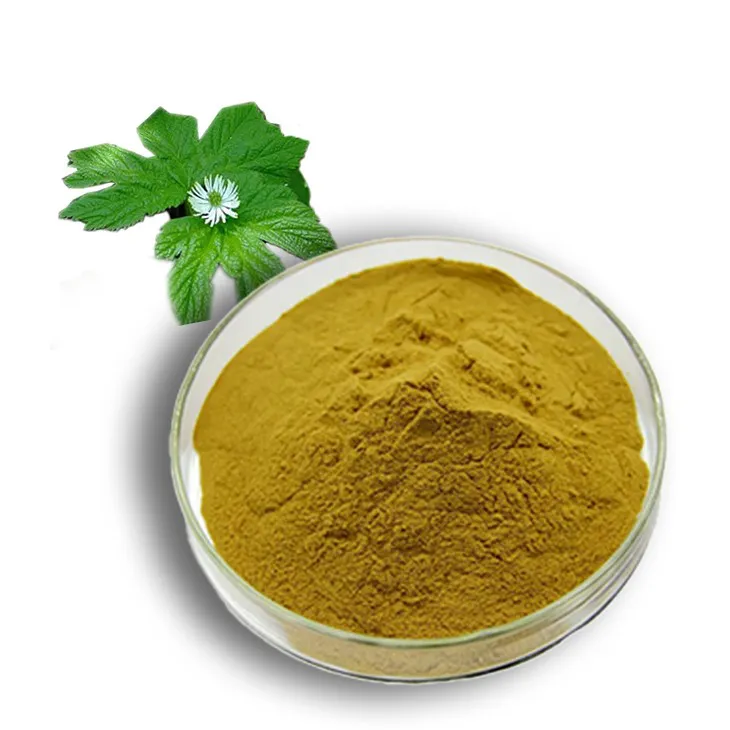
Golden Seal Extract
2026-08-14
-
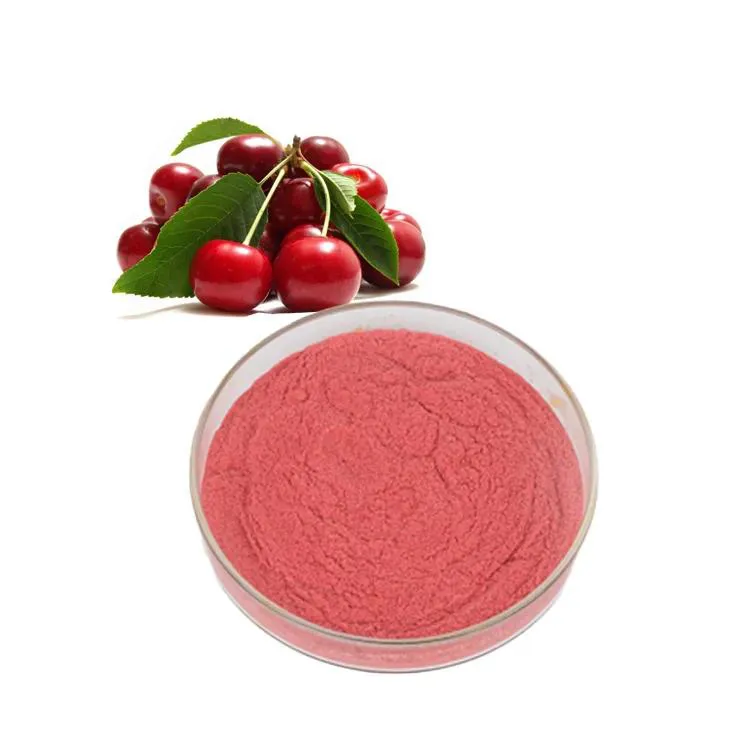
Acerola Juice Powder
2026-08-14
-
Bilberry Extract
2026-08-14
-
Lemon Extract
2026-08-14