- 0086-571-85302990
- [email protected]





What is the current price of lemon juice powder per kilogram?
2026-08-13
Anyone sourcing bulk ingredients for a beverage, bakery, or wellness product eventually asks the same question: what does lemon juice powder actually cost per kilogram right now? The honest answer is that there is no single fixed number. The price depends on the processing method, the specification, the order volume, and the supplier’s quality system, so the figure on one quote can look very different from the figure on another. Understanding what shapes that per-kilogram price makes it much easier to compare offers fairly and to buy with confidence.
What is Lemon Juice Powder and how is it made
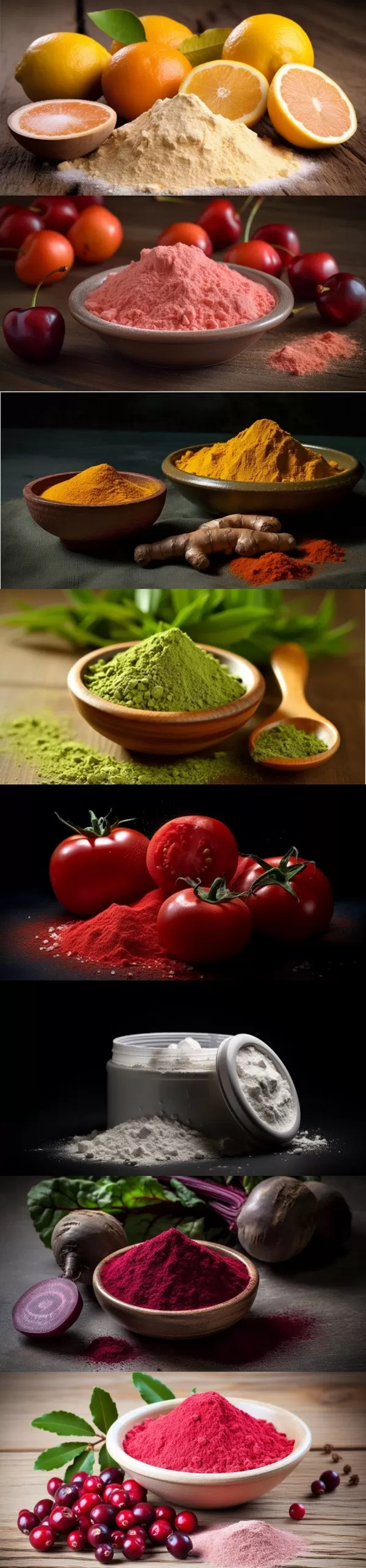
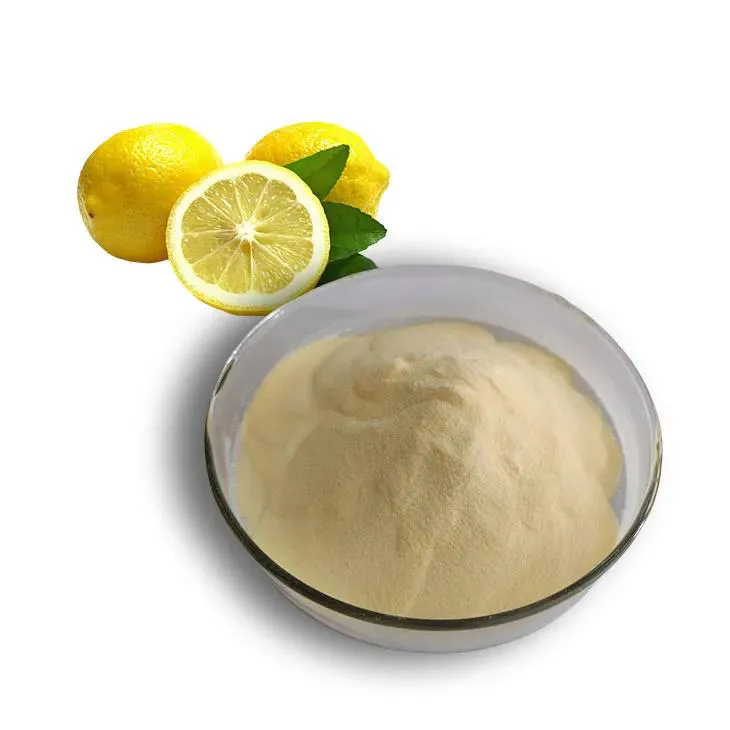
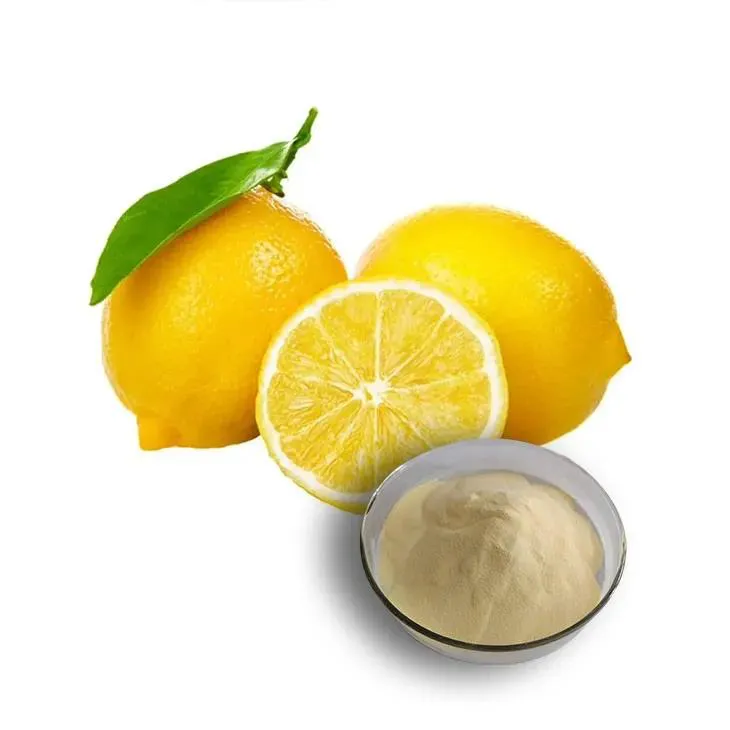
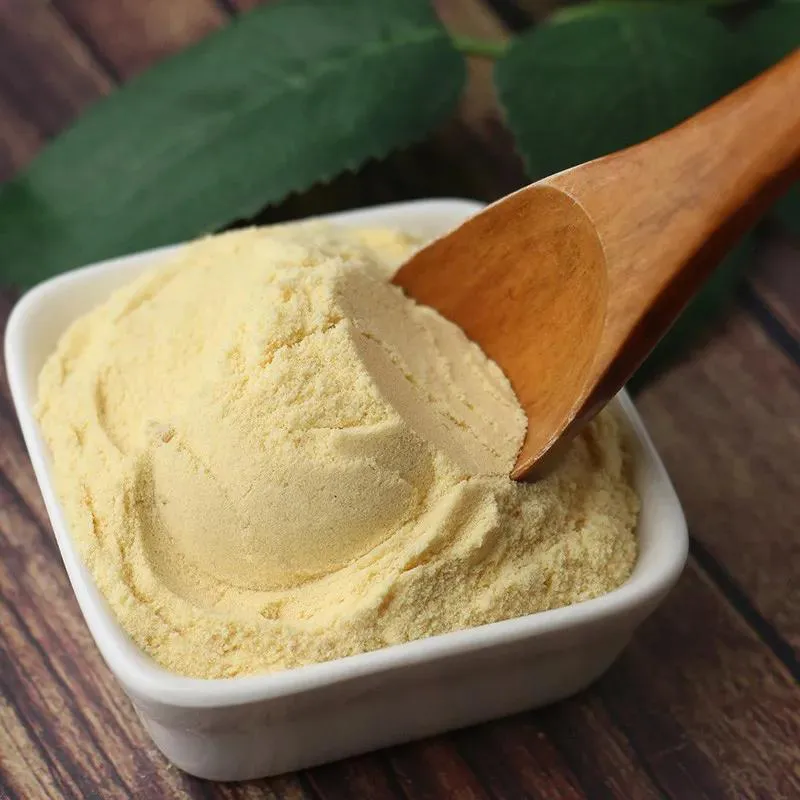
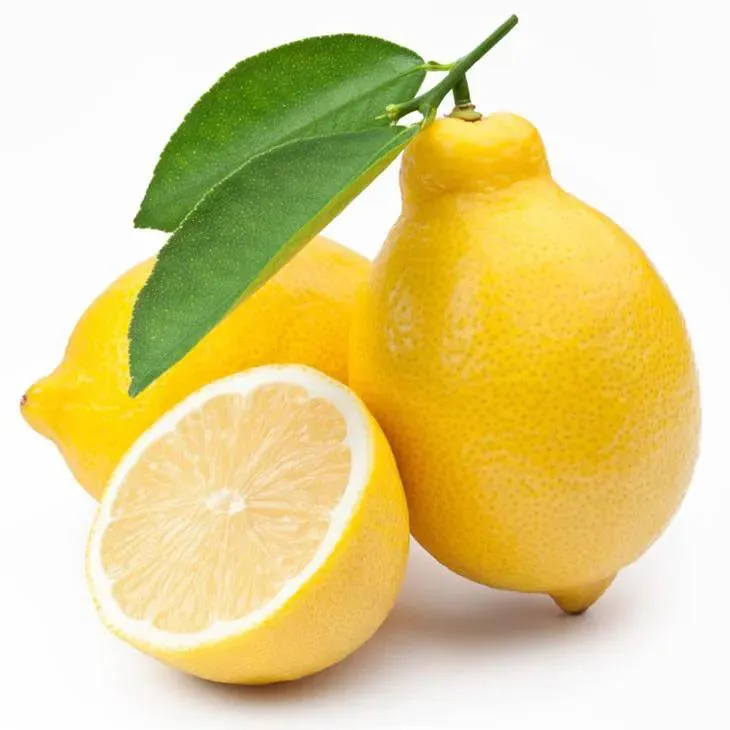
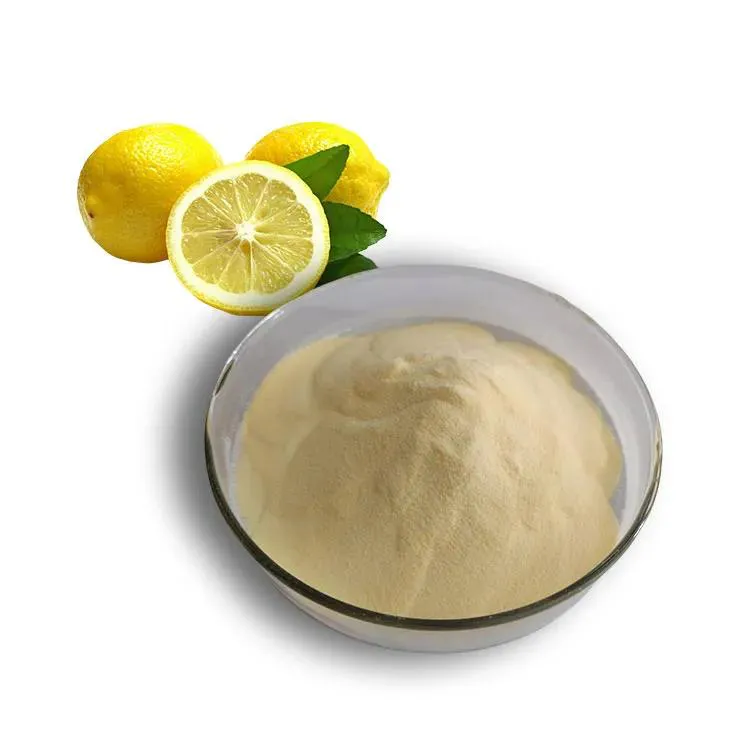
Lemon Juice Powder is a shelf-stable, dehydrated form of freshly pressed lemon juice. During production the juice is concentrated and then dried, most often by spray drying or freeze drying, into a fine powder that can be rehydrated easily. Because the water is removed, the powder keeps the natural citrus flavor, the vitamin C, and the citric acid of the fruit while greatly extending its shelf life and cutting shipping weight. That makes it convenient for dry beverage mixes, seasonings, baked goods, confectionery, and skincare formulations. A well-made organic lemon juice powder is prized for its antioxidant and detoxifying properties, and it is widely used to support immunity and skin health as well.
A realistic price range per kilogram
Supplier listings on international B2B marketplaces commonly report food-grade Lemon Juice Powder in a broad range of roughly US $12 to US $30 per kilogram, and sometimes higher for freeze-dried or certified organic grades. This range should be treated as a reference point rather than a firm price, because quotes vary with the exact specification and the order quantity. A buyer comparing spot prices from a marketplace will see a different number than a formulation team negotiating a recurring contract with a manufacturer. The most reliable way to know the current price for your project is to request a formal quotation for your specific specification and volume.
What actually drives the per-kilogram cost
Several factors combine to set the final price of a kilo of lemon juice powder. The drying method is one of the largest: freeze-dried powder, which preserves aroma and nutrients more completely, generally costs more than spray-dried powder. Specification and purity matter too, since a standardized powder with consistent acidity and particle size is produced under tighter control. Organic sourcing adds a premium because certified raw material and its traceability are more expensive to maintain. Order volume and the buyer’s commitment also reshape pricing, as larger and recurring orders let a factory plan production and reduce unit overhead. Finally, quality documentation, verified certifications, and the security of a stable raw-material supply all carry a cost that the cheapest quote may simply be omitting.
How to get an accurate current price for your application
To turn a reference range into a workable budget, ask for quotes on the same basis every time. Specify the drying method, the target specification, whether you need organic certification, the intended order quantity, and the destination port. Then compare offers against those identical terms rather than against headline numbers alone. A serious lemon juice powder price proposal comes with a clear specification, a per-batch certificate, and a confirmation of lead time and packaging, so the buyer can see exactly what the money buys.
Why sourcing from a vertically integrated manufacturer matters
The lowest unit price is only a good deal if the quality behind it is consistent. A supplier that controls the whole process, from raw material screening through extraction and final testing, is better placed to offer competitive pricing without cutting corners. Hangzhou Greensky Biological Tech. Co., Ltd. has produced plant extracts since 2004, operating an independent laboratory equipped with HPLC, GC, and UV instruments and a 100,000-class clean production area. Its chain of wholly-owned subsidiaries and vertical integration across research, development, and production give buyers one accountable partner for steady quality, reliable supply, and responsive service. Certifications such as ISO22000, BRCGS, SGS-GMP, HALAL, and Kosher back the process with recognized international standards.
Frequently asked questions
Is bulk lemon juice powder cheaper per kilogram? Generally yes. Larger and recurring orders allow a factory to plan production and reduce per-unit overhead, so negotiating volume and contract terms is a practical way to lower the unit price.
Is freeze-dried lemon juice powder more expensive than spray-dried? Usually it is. Freeze drying preserves the volatile citrus aroma and nutrients more completely but requires more energy and time, which is reflected in a higher selling price.
Does organic lemon juice powder cost more? Typically yes, because certified organic raw material and its traceability are more expensive to secure. Buyers who need a certified clean-label claim should budget for that premium.
How can I find the current price? The fastest route is to request a formal quotation with your specification, volume, and destination. A reputable supplier will respond with a clear price and the supporting documentation to back it up.
- ▶ Hesperidin
- ▶ Citrus Bioflavonoids
- ▶ Plant Extract
- ▶ lycopene
- ▶ Diosmin
- ▶ Grape seed extract
- ▶ Sea buckthorn Juice Powder
- ▶ Fruit Juice Powder
- ▶ Hops Extract
- ▶ Artichoke Extract
- ▶ Mushroom extract
- ▶ Astaxanthin
- ▶ Green Tea Extract
- ▶ Curcumin
- ▶ Horse Chestnut Extract
- ▶ Other Product
- ▶ Boswellia Serrata Extract
- ▶ Resveratrol
- ▶ Marigold Extract
- ▶ Grape Leaf Extract
- ▶ New Product
- ▶ Aminolevulinic acid
- ▶ Cranberry Extract
- ▶ Red Yeast Rice
- ▶ Red Wine Extract
- ▶ blog
-
Nattokinase
2026-08-13
-
Hawthorn Extract
2026-08-13
-
Propolis Extract Powder
2026-08-13
-
Kelp Extract Powder
2026-08-13
-
Liposomal NMN
2026-08-13
-
Green Tea Extract
2026-08-13
-
Echinacea Extract
2026-08-13
-
Garcinia Cambogia Extract
2026-08-13
-
Golden Seal Extract
2026-08-13
-
Kupilu Extract
2026-08-13