- 0086-571-85302990
- [email protected]




What is the best rosemary extract for supplement formulation?
2026-08-17
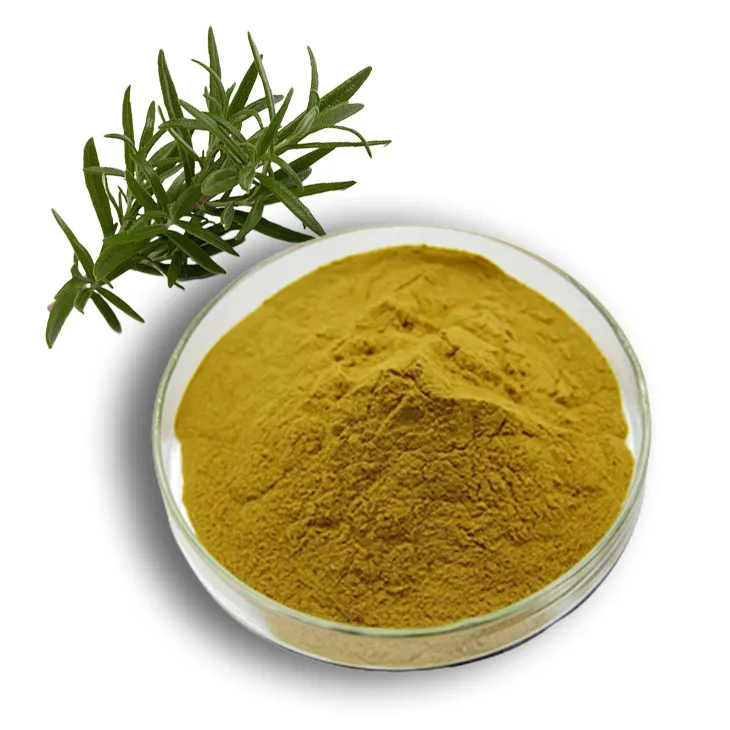
When supplement brands plan a new antioxidant or anti-inflammatory product, Rosemary extract is often the ingredient that tops the shortlist. It is clean-label, familiar to consumers, and backed by a solid body of research. But "which Rosemary extract should I actually use in my formula?" is a different question than "is Rosemary extract useful?" The answer depends on the active compound you standardise for, the grade you specify, and the manufacturer you source it from. This guide walks through each of those decisions so you can choose the best rosemary extract for your specific supplement.
Two actives, two different roles
Rosemary leaves contain a family of bioactive compounds, but for supplement formulation two stand out: rosmarinic acid and carnosic acid. They come from the same plant yet behave very differently in a finished product.
Rosmarinic acid is water-soluble. It is the compound most closely associated with oral supplement use, and it has been studied for anti-inflammatory activity through modulation of NF-κB signalling as well as for direct free-radical scavenging. Because it dissolves easily in watery environments, it is well absorbed from a standard capsule and distributes readily into aqueous biological compartments.
Carnosic acid is lipid-soluble and heat-stable. It is the marker compound behind rosemary extract's long history as a food antioxidant, and in a supplement context it is the compound of interest for neuroprotective and cellular antioxidant applications because it activates the body's own cytoprotective enzymes. Its absorption improves noticeably when it is delivered in a lipid-based or enhanced format.
In practice this means your choice of active is driven by your product claim and delivery vehicle. A general-purpose antioxidant capsule aimed at everyday wellness, or a formula designed for systemic anti-inflammatory support, will most often specify a rosmarinic acid-standardised extract. A formula built around brain or cellular-protective positioning, especially one delivered in an oil or softgel format, will more often lean on carnosic acid.
What a good specification sheet really tells you
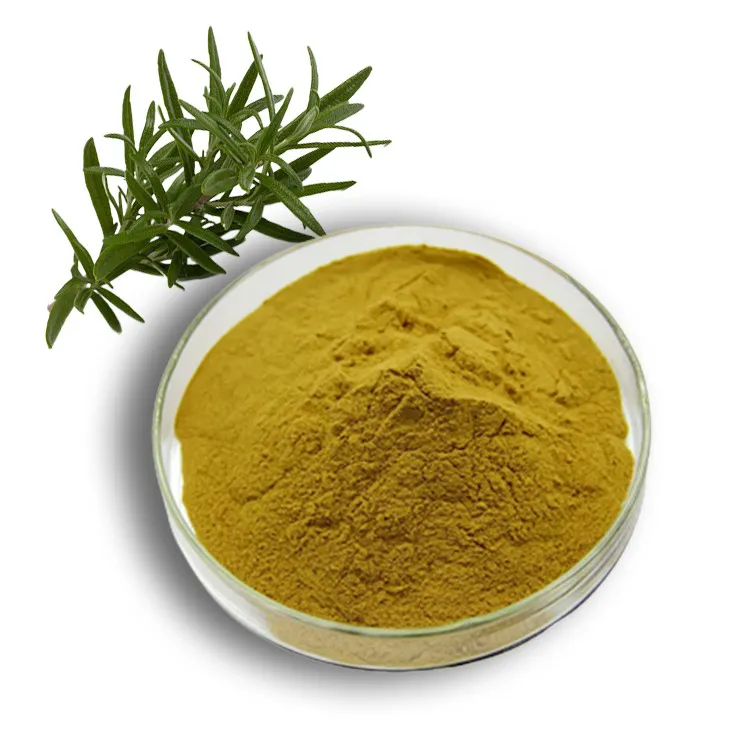
A certificate of analysis for a rosemary extract is only useful if it states which compound the product is standardised to. Two extracts can both be called "rosemary extract" and yet carry very different amounts of rosmarinic acid and carnosic acid. Before you evaluate anything else, confirm that the COA clearly shows the marker compound, its guaranteed percentage, and the analytical method used to verify it.
- Standardised marker. Common grades include rosmarinic acid from roughly 5% up to 50% by HPLC, and carnosic acid from around 10% to 60%. The 10% grades retain the full-spectrum profile of the leaf; higher-purity grades are progressively refined toward the individual active.
- Analytical verification. Look for results generated by high-performance liquid chromatography (HPLC) run in a properly equipped laboratory. Reputable suppliers back every batch with a full COA.
- Consistency across batches. In supplement production, batch-to-batch stability matters as much as the number on a single COA. A manufacturer that maintains tight specification control protects your finished product's reputation.
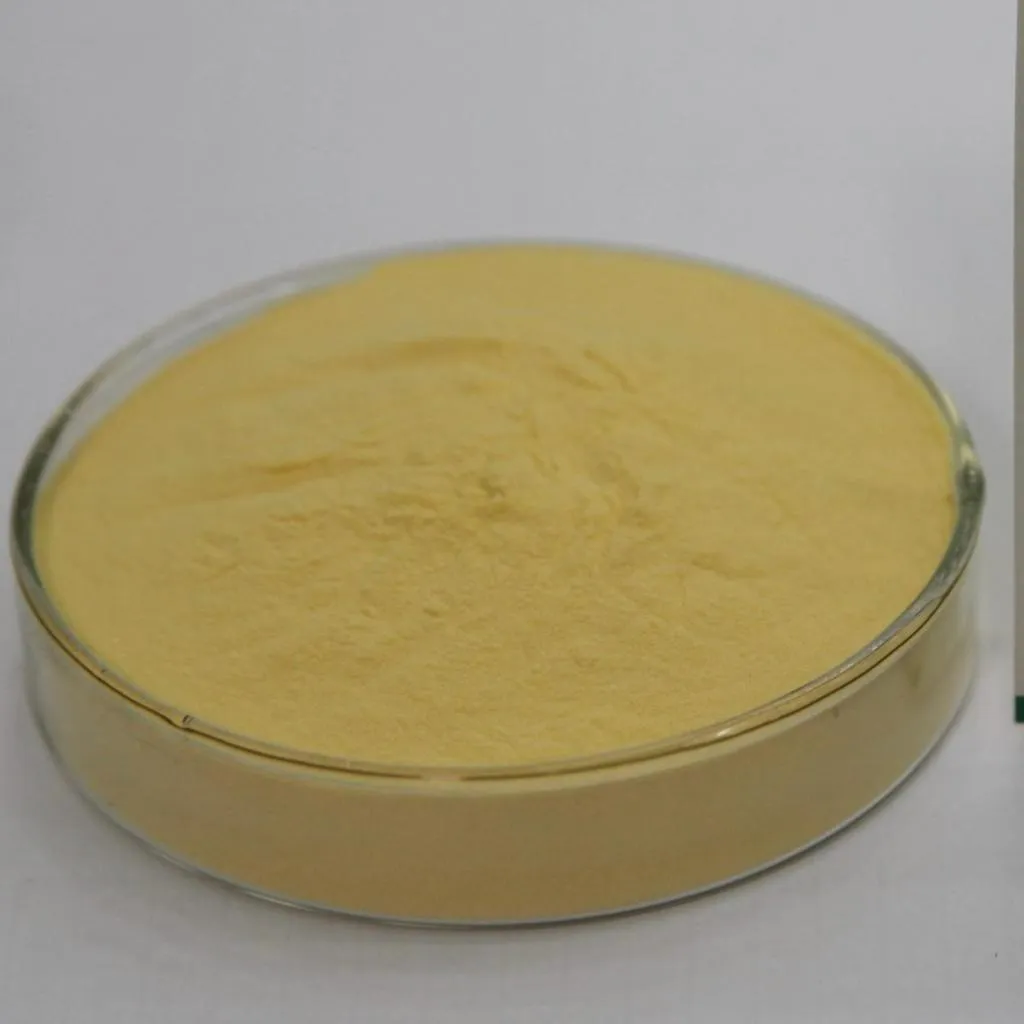
Formulation considerations beyond the marker
The active percentage is only part of the equation. Particle size and flowability affect how evenly the powder blends with other ingredients in a capsule run. Final-partial water activity and stability behaviour determine how well the extract performs in your finished product under real storage conditions. If you are working with an aqueous formula such as a functional beverage, a water-soluble rosmarinic acid extract is a more natural fit; for oil-phase softgels, a lipid-compatible carnosic acid extract is easier to work with.
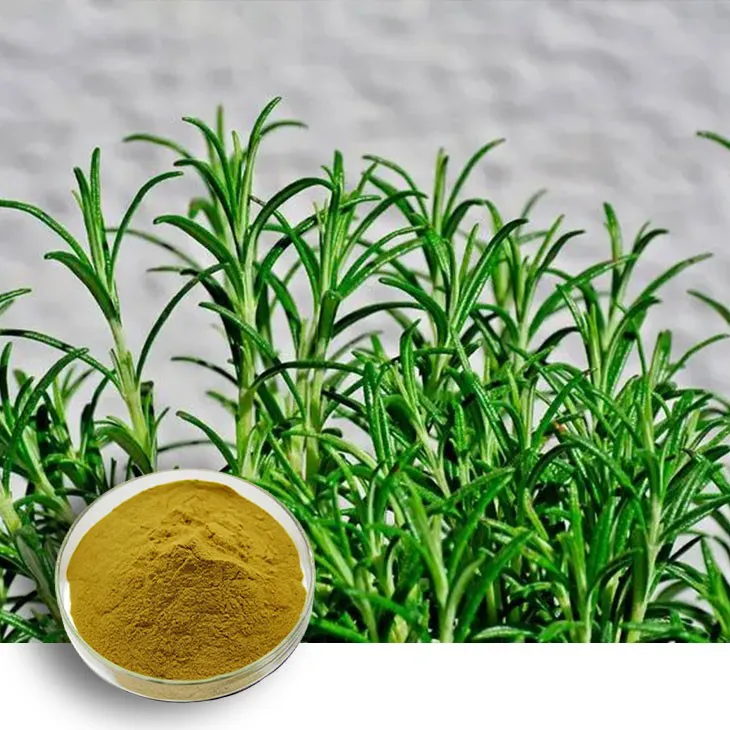
Quality and supplier track record matter
The performance of a rosemary extract in your supplement ultimately depends on the care taken during cultivation, extraction, and testing. When vetting a rosemary extract manufacturer, ask about clean-production facilities, an in-house analytical laboratory, and the certifications that back their claims. Recognised schemes such as ISO22000, ISO9001, HALAL, Kosher, and organic standards give you independent confirmation that the ingredient is handled to a consistent, food-grade level.
Greensky, a plant-extract producer founded in 2004 and headquartered in Hangzhou, is a case in point. The company operates a 100,000-class clean production area, runs its own laboratory equipped with HPLC and GC instruments, and holds certifications including ISO22000, BRCGS, SGS-GMP, ISO9001, HALAL, Kosher and Ecocert organic standard. This level of vertical integration means you work with one partner for sourcing, extraction, testing and supply rather than coordinating multiple vendors.
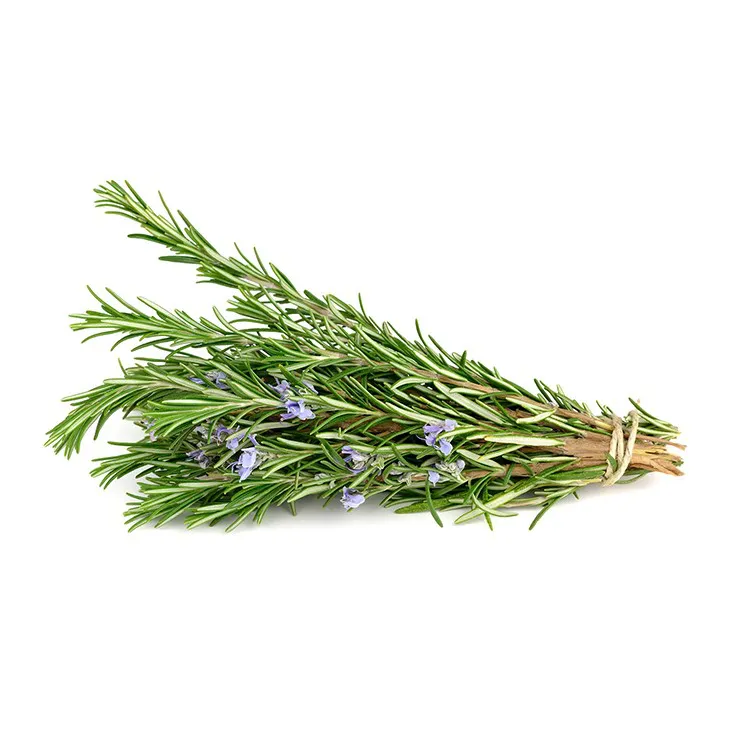
Putting it together
Choosing the right rosemary extract comes down to three steps. First, decide whether your target claim and delivery format call for a rosmarinic-acid or carnosic-acid standardised extract. Second, insist on a specification that names the marker compound, its guaranteed level and the HPLC method behind it. Third, select a supplier whose production environment, laboratory capability and certification record give you confidence in consistent quality.
When you have a clear specification in hand, talking directly to a specialist manufacturer is the fastest way to line up consistent, fully documented material. If you are evaluating bulk supply for a new launch, request samples and a full certificate of analysis for any rosemary extract you are considering, and review how the supplier manages batch consistency before you commit. A little diligence at the sourcing stage is the most reliable way to protect both your formula and your brand.
To explore rosemary extract grades and request specification documentation, visit the rosemary extract product page or contact the Greensky sourcing team directly.
- ▶ Hesperidin
- ▶ Citrus Bioflavonoids
- ▶ Plant Extract
- ▶ lycopene
- ▶ Diosmin
- ▶ Grape seed extract
- ▶ Sea buckthorn Juice Powder
- ▶ Fruit Juice Powder
- ▶ Hops Extract
- ▶ Artichoke Extract
- ▶ Mushroom extract
- ▶ Astaxanthin
- ▶ Green Tea Extract
- ▶ Curcumin
- ▶ Horse Chestnut Extract
- ▶ Other Product
- ▶ Boswellia Serrata Extract
- ▶ Resveratrol
- ▶ Marigold Extract
- ▶ Grape Leaf Extract
- ▶ New Product
- ▶ Aminolevulinic acid
- ▶ Cranberry Extract
- ▶ Red Yeast Rice
- ▶ Red Wine Extract
- ▶ blog
-
Lemon Extract
2026-08-17
-
Natural grape seed extract
2026-08-17
-
Mangosteen extract powder
2026-08-17
-
Bilberry Extract
2026-08-17
-
Sophora Japonica Flower Extract
2026-08-17
-
Elderberry Extract
2026-08-17
-
Horse Chestnut Extract
2026-08-17
-
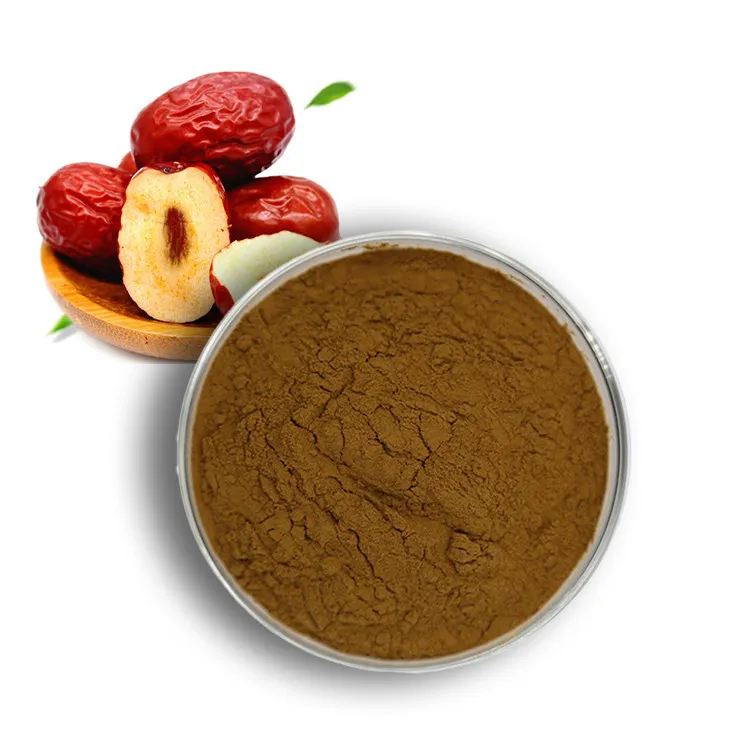
Jujube Extract
2026-08-17
-
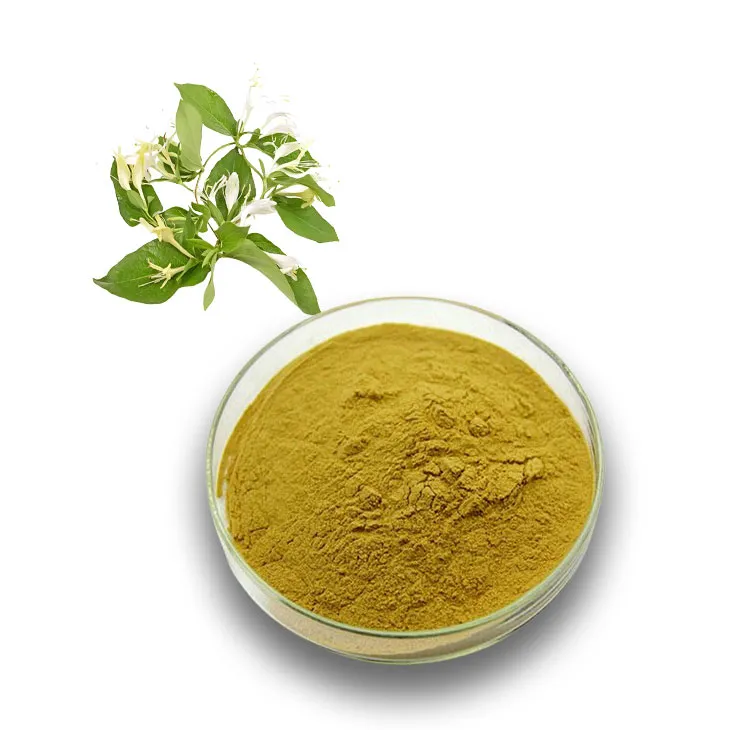
Honeysuckle Pollen
2026-08-17
-
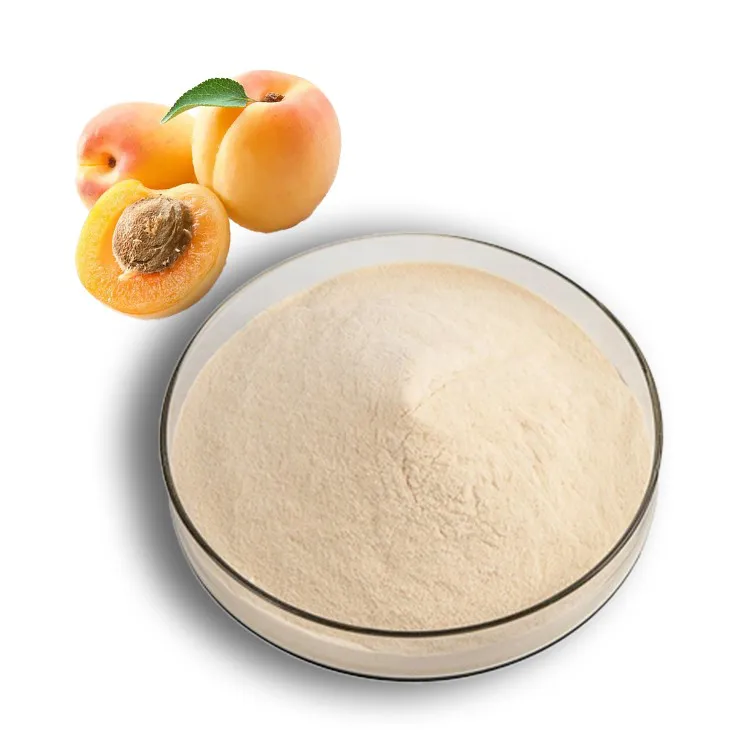
Apricot Powder
2026-08-17