- 0086-571-85302990
- [email protected]






What is the annual output of a hops extract factory?
2026-08-17
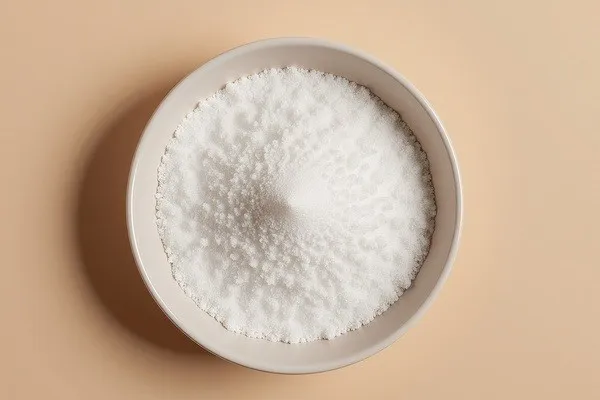
What Is the Annual Output of a Hops Extract Factory?
When buyers look for a hops extract powder supplier, production capacity is usually one of the first questions on their mind. The annual output of a Hops Extract factory is not a single fixed number. It depends on the scale of the facility, the number of production lines, the supply of raw hop cones, and the extraction technology in place. In general, small workshops turn out only a few dozen tons each year, while large manufacturers with multiple production lines can reach several hundred tons or even more than a thousand tons annually.
What Is Hops Extract?
Hops extract is a concentrated botanical ingredient obtained from the female flowers, or cones, of the hop plant Humulus lupulus L. It is rich in bitter acids (alpha-acids and beta-acids), flavonoids such as xanthohumol and 8-prenylnaringenin, and volatile oils like myrcene and humulene. Because of these bioactive compounds, hops extract is widely used in the brewing industry as a natural bittering and aroma agent, and in nutraceuticals, functional foods, and cosmetics for its sedative, antioxidant, anti-inflammatory, and antimicrobial properties.
What Determines the Annual Output of a Hops Extract Factory?
Several factors together decide how much a factory can produce in a year:
- Raw material supply. Hops are a seasonal crop, so annual output is closely tied to how much raw hop material a factory can secure. Regions with large hop cultivation areas, such as Gansu Province in China, provide a stable and abundant supply. In 2022, Gansu's hop cultivation area reached about 34,000 mu (roughly 2,267 hectares), producing 6,500 metric tons and accounting for 54% of China's national output.
- Production equipment. The size and number of extraction tanks, concentrators, and spray drying towers directly limit throughput. A factory equipped with large multi-functional extraction tanks and a spray drying tower can run continuous, high-volume production, while smaller facilities are constrained by batch capacity.
- Production lines and clean workshop area. More production lines mean higher throughput. Large manufacturers typically operate several lines in a clean workshop, allowing them to process multiple batches in parallel and keep output steady throughout the year.
- Quality control and testing. Output is not only about quantity. A reliable factory invests in an independent laboratory equipped with HPLC, GC, and UV instruments to test every batch, ensuring that high output never comes at the cost of quality.
Typical Output Levels in the Industry
In practice, output levels vary widely across the market:
- Small-scale facilities usually produce a few dozen tons per year and mainly serve regional customers.
- Medium-scale manufacturers typically produce 100 to 500 tons per year with several production lines.
- Large-scale manufacturers can produce 500 to more than 1,000 tons per year, backed by vertically integrated supply chains.
For example, some Chinese hops extract suppliers advertise monthly production capacities of 1,000 to 5,000 kg, while leading manufacturers report annual supply capacities exceeding 1,000 tons. The exact figure also depends on the specification: high-purity products such as xanthohumol 98% require more processing steps and therefore have a lower output than standard 10:1 extracts.
How to Evaluate a Hops Extract Factory's Capacity
When choosing a hops extract powder manufacturer, do not rely on the claimed output figure alone. Ask for concrete evidence:
- The number of production lines and the size of extraction and drying equipment.
- The clean workshop area and its grade.
- Certifications such as ISO, HALAL, and Kosher.
- Batch testing records and certificates of analysis.
- Whether the factory has vertical integration covering raw material sourcing, R&D, and production.
Why Greensky Is a Reliable Hops Extract Supplier
Greensky (Hangzhou Greensky Biological Tech. Co., Ltd.) is a professional manufacturer of natural plant extracts founded in 2004, with more than 20 years of experience in producing active botanical ingredients. The company operates five wholly-owned subsidiaries with full vertical integration covering research, development, production, and sales. Its Jiangxi subsidiary alone produces about 500 tons of plant extracts per year, and the group is equipped with 6-ton multi-functional extraction tanks, high-efficiency low-temperature concentrators, spray drying towers, and a 100,000-class clean production area.
Greensky holds ISO22000, BRCGS, Ecocert Organic, SGS-GMP, ISO9001, HALAL, and Kosher certifications, and its hops extract is available in a range of specifications for functional food and nutraceutical applications. As an experienced hops extract factory, the company combines proven production capacity with strict quality management.
Conclusion
The annual output of a hops extract factory ranges from a few dozen tons for small workshops to more than 1,000 tons for large, vertically integrated manufacturers. When selecting a supplier, evaluate not only the output figure but also the equipment, certifications, and quality control behind it. A partner such as Greensky combines proven production capacity with rigorous quality management, making it a dependable choice for bulk hops extract supply.
TAGS:
- ▶ Hesperidin
- ▶ Citrus Bioflavonoids
- ▶ Plant Extract
- ▶ lycopene
- ▶ Diosmin
- ▶ Grape seed extract
- ▶ Sea buckthorn Juice Powder
- ▶ Fruit Juice Powder
- ▶ Hops Extract
- ▶ Artichoke Extract
- ▶ Mushroom extract
- ▶ Astaxanthin
- ▶ Green Tea Extract
- ▶ Curcumin
- ▶ Horse Chestnut Extract
- ▶ Other Product
- ▶ Boswellia Serrata Extract
- ▶ Resveratrol
- ▶ Marigold Extract
- ▶ Grape Leaf Extract
- ▶ New Product
- ▶ Aminolevulinic acid
- ▶ Cranberry Extract
- ▶ Red Yeast Rice
- ▶ Red Wine Extract
- ▶ blog
-
Bayberry Extract
2026-08-17
-
Licorice Root Extract Powder
2026-08-17
-
Tinospora cordifolia extract
2026-08-17
-
Ginseng Root Extract
2026-08-17
-
Genistein
2026-08-17
-
Phosphatidylserine
2026-08-17
-
Hawthorn powder
2026-08-17
-
Angelica sinensis extract
2026-08-17
-
Tamarind extract powder
2026-08-17
-
Baicalin
2026-08-17
