- 0086-571-85302990
- [email protected]




What is shikonin and what are its benefits?
2026-08-15
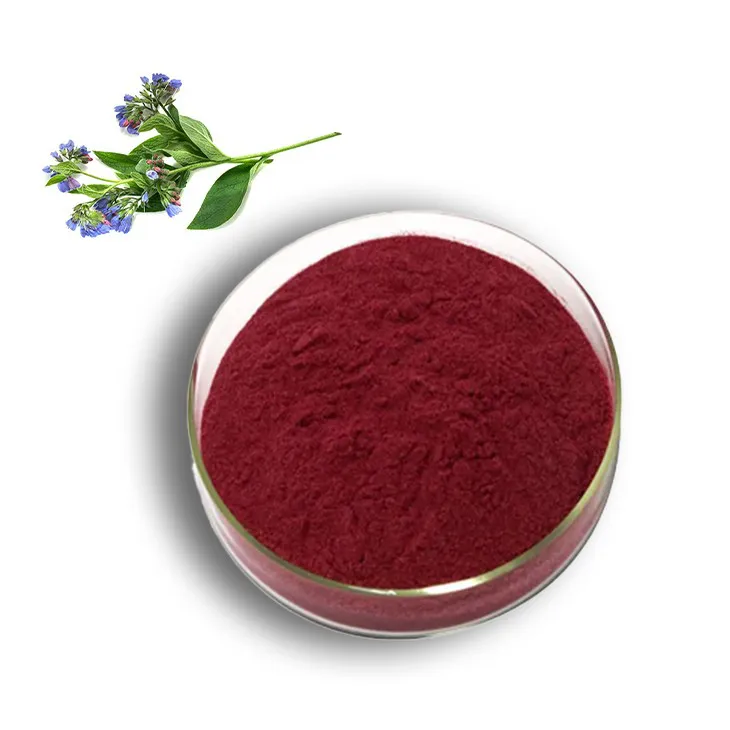
Shikonin is a plant-derived compound that has quietly earned a reputation in both traditional herbal medicine and modern research. If you are involved in the dietary supplement, cosmetic, or pharmaceutical industries, you have likely come across this deep red pigment in ingredient lists and product formulations. But what exactly is it, and why does it keep appearing in studies on inflammation, skin repair, and general wellness? This article breaks down what Shikonin is, where it comes from, and what science says about its benefits.
What is Shikonin?
Shikonin is a naturally occurring red pigment that belongs to a group of compounds called naphthoquinones. Chemically, it is a bioactive molecule with the formula C16H16O5, and it is best known for giving certain medicinal roots their striking purple-red colour. For centuries in East Asia, the dried roots that contain shikonin (often referred to as "zicao") have been used as both a dye and a traditional remedy.
The compound is produced in the roots of several plants belonging to the Boraginaceae family, most notably Lithospermum erythrorhizon. Related species from the genera Alkanna, Onosma, and Arnebia also accumulate shikonin and its derivatives in their roots. Beyond its traditional uses, shikonin and its close relative alkannin have attracted renewed scientific attention because of the wide range of biological activities they display, from antioxidant and antimicrobial effects to support for wound healing and healthy skin.
Because shikonin is a plant extract with such versatile applications, it is a compound that many bulk ingredient buyers look for when working with a specialised botanical supplier.
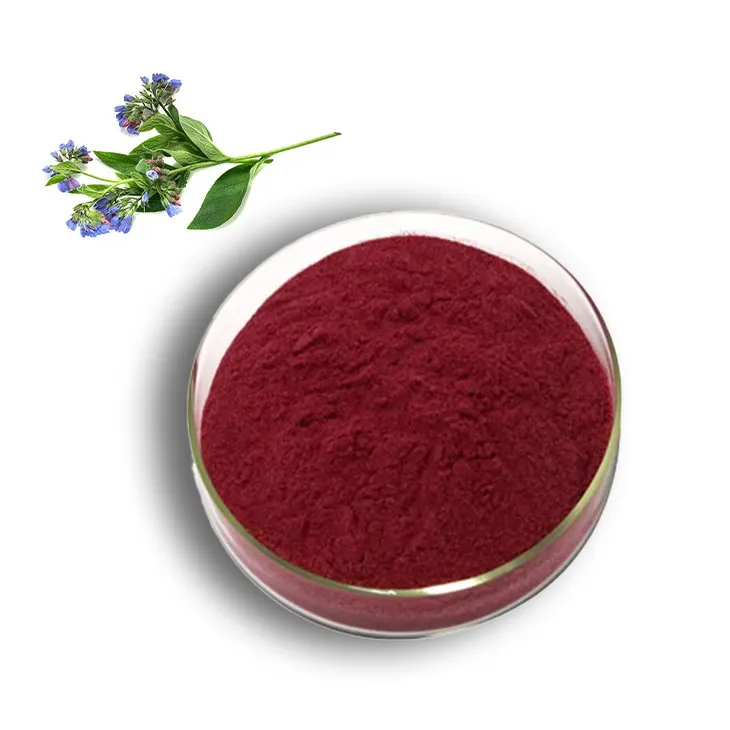
Where does shikonin come from?
Shikonin is extracted from the roots of specific medicinal plants, with Lithospermum erythrorhizon being the best-known botanical source. The roots are harvested, dried, and processed to isolate the active red pigment along with its related derivatives. These derivatives are often grouped together under the name "shikonin," although each one can differ slightly in its activity and stability.
The traditional role of shikonin is worth noting. In Asian herbal medicine, the root has long been used to support skin health and recovery, and it has historically appeared in preparations aimed at minor wounds and burns. This history of use is one reason researchers continue to investigate the compound rather than treating it as a purely cosmetic colourant.
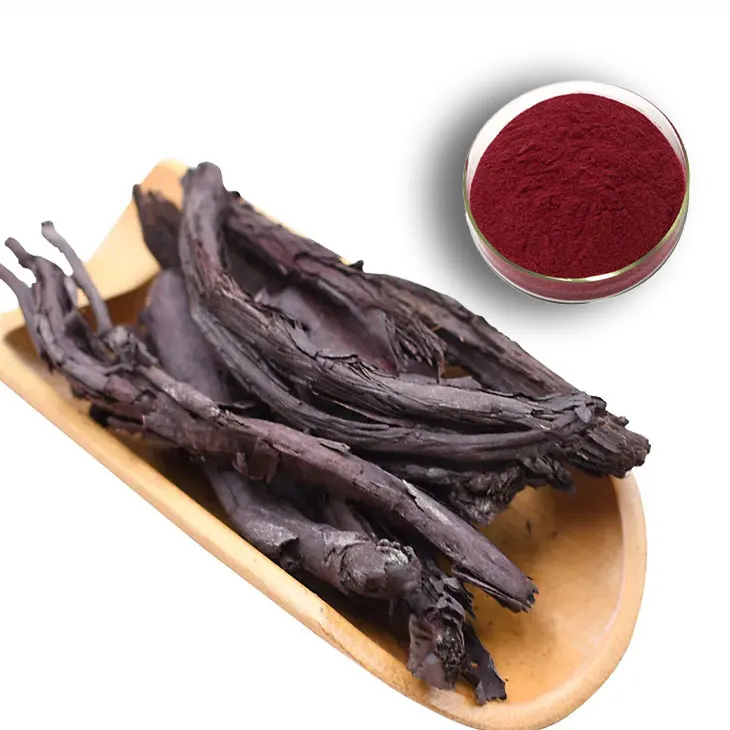
Key benefits of shikonin
A growing body of research highlights several ways shikonin may support health. While many of these findings come from laboratory and animal studies, they help explain why the compound has remained popular for so long.
1. Anti-inflammatory activity
One of the most consistently reported properties of shikonin is its ability to modulate inflammatory responses. It has been studied in relation to conditions such as rheumatoid arthritis and cardiovascular inflammation, where it appears to help regulate the pathways that drive redness, swelling, and tissue irritation. For formulators, this makes shikonin an interesting candidate for products aimed at soothing sensitive or stressed skin.
2. Support for wound healing and skin repair
Shikonin has a long association with skin health, and modern studies continue to investigate its role in wound healing and scar management. Research suggests the compound can encourage tissue regeneration and support the normal healing process, which is why it appears in a number of topical preparations. For skincare brands, ingredients that combine visible colour with skin-supporting activity can be particularly appealing.
3. Antioxidant protection
Like many botanical pigments, shikonin demonstrates antioxidant activity, meaning it can help neutralise the free radicals that contribute to oxidative stress. Oxidative stress is linked to premature ageing and long-term cellular wear, so antioxidant ingredients are a staple in both supplement and cosmetic lines. Shikonin's dual role as a pigment and an antioxidant sets it apart from simpler colourants.
4. Antimicrobial properties
Shikonin has also shown antimicrobial activity in laboratory research, adding another layer of value for products where freshness and purity matter. This property, combined with its anti-inflammatory effects, helps explain the compound's traditional use in formulations for the skin and the mouth.
5. Emerging research areas
Beyond skincare and general wellness, shikonin is being studied for a range of other applications, including its potential role in supporting metabolic health and its ability to interact with certain cellular signalling pathways. Some strains of research are also exploring its use in food packaging as a natural, colour-changing freshness indicator. These areas are still in the early stages, but they point to a compound with genuine versatility.
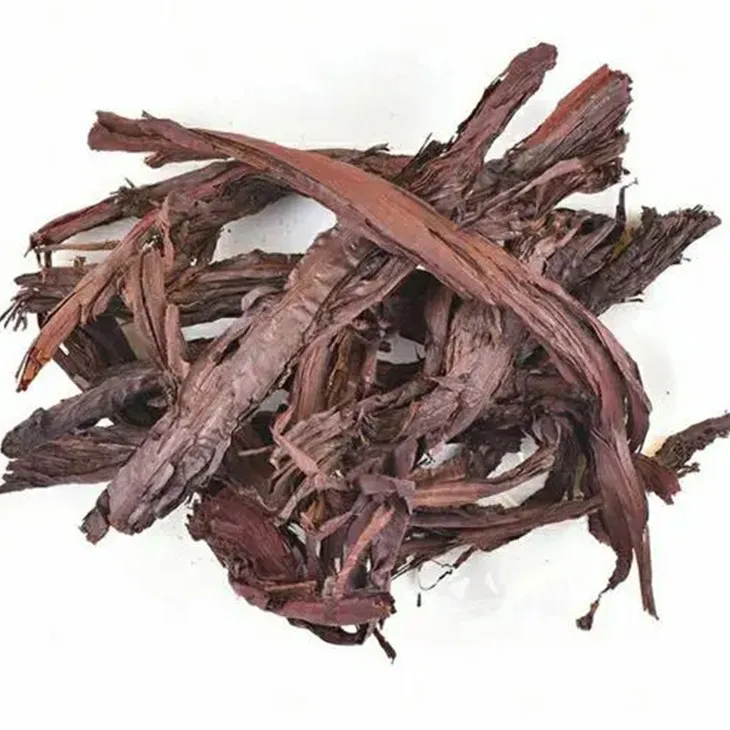
How shikonin works
At a molecular level, shikonin interacts with several key biological pathways. Its chemical structure as a naphthoquinone allows it to take part in antioxidant reactions, while its influence on inflammatory signalling helps explain its soothing effects. Researchers have also investigated how shikonin interacts with specific enzymes and receptors involved in cell growth and communication, which is where much of the interest in its broader health potential comes from.
It is important to manage expectations: much of the evidence for shikonin's benefits comes from laboratory and preclinical research rather than large human clinical trials. That does not diminish its value, but it means claims should be made carefully and always in line with the regulatory requirements of the market you are selling into.
Safety and quality considerations
Shikonin has a long history of use and is generally regarded as well tolerated when used appropriately. However, as with any concentrated botanical extract, product quality and purity matter a great deal. Impurities, inconsistent potency, or poorly controlled extraction methods can undermine both safety and performance. This is why experienced buyers prioritise working with a reliable plant extract manufacturers that can supply documented, consistent material.
When sourcing shikonin or any other plant-based ingredient, look for suppliers that offer clear certificates of analysis, detailed specification sheets, and documented production processes. These details give you confidence in what you are actually putting into your product.
Choosing a dependable botanical extract supplier
Whether you are developing a supplement, a skincare line, or a functional food, the quality of your raw ingredients is the foundation of your final product. Shikonin is a specialty extract, and not every supplier can provide it with consistent quality and full documentation. This is where a dedicated botanical producer makes the difference.
Greensky is a professional manufacturer of natural plant extracts with more than twenty years of experience in identifying, researching, and producing active botanical ingredients. The company operates with full vertical integration, from research and development to production and sales, and maintains independent laboratories equipped with advanced analytical instruments such as GC and HPLC. This means every batch can be tested for purity and potency before it reaches you. Greensky also holds a range of certifications, including ISO22000, BRCGS, and HALAL, which matter when you are serving international markets in Europe, the United States, South Korea, and Russia.
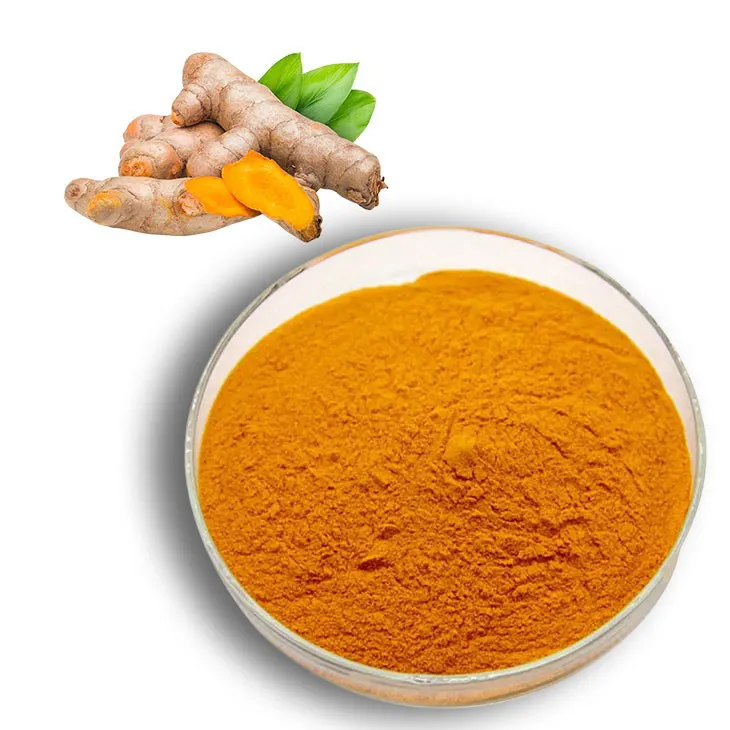
Alongside specialty botanical actives, Greensky's catalogue includes staples such as curcumin and Grape Seed Extract, functional red yeast rice, and fruit and vegetable juice powders. If you are looking for a trusted partner for your next formulation, the Greensky team can guide you through the available options and documentation.
Final thoughts
Shikonin is a fascinating plant extract with a long history and a growing list of documented benefits, from anti-inflammatory and antioxidant activity to support for wound healing and skin repair. For formulators and manufacturers, it represents an opportunity to combine traditional wisdom with modern, evidence-informed product development.
If you are interested in exploring high-quality shikonin or other botanical extracts for your products, contact Greensky to discuss your requirements. With two decades of production experience and a strong commitment to quality and documentation, Greensky is well placed to support your next project from concept to finished product.
- ▶ Hesperidin
- ▶ Citrus Bioflavonoids
- ▶ Plant Extract
- ▶ lycopene
- ▶ Diosmin
- ▶ Grape seed extract
- ▶ Sea buckthorn Juice Powder
- ▶ Fruit Juice Powder
- ▶ Hops Extract
- ▶ Artichoke Extract
- ▶ Mushroom extract
- ▶ Astaxanthin
- ▶ Green Tea Extract
- ▶ Curcumin
- ▶ Horse Chestnut Extract
- ▶ Other Product
- ▶ Boswellia Serrata Extract
- ▶ Resveratrol
- ▶ Marigold Extract
- ▶ Grape Leaf Extract
- ▶ New Product
- ▶ Aminolevulinic acid
- ▶ Cranberry Extract
- ▶ Red Yeast Rice
- ▶ Red Wine Extract
- ▶ blog
-
Beetroot juice Powder
2026-08-15
-
Saw Palmetto Extract
2026-08-15
-
Wheat Germ Extract
2026-08-15
-
Withania Somnifera Extract
2026-08-15
-
Green Tea Extract
2026-08-15
-
Chaga Mushroom Extract
2026-08-15
-
Lion's Mane Mushroom Extract
2026-08-15
-
Green coffee bean Extract
2026-08-15
-
Sugarcane Extract
2026-08-15
-
Gamma-Aminobutyric Acid
2026-08-15