- 0086-571-85302990
- [email protected]




What is resveratrol extract and how is it concentrated?
2026-08-13
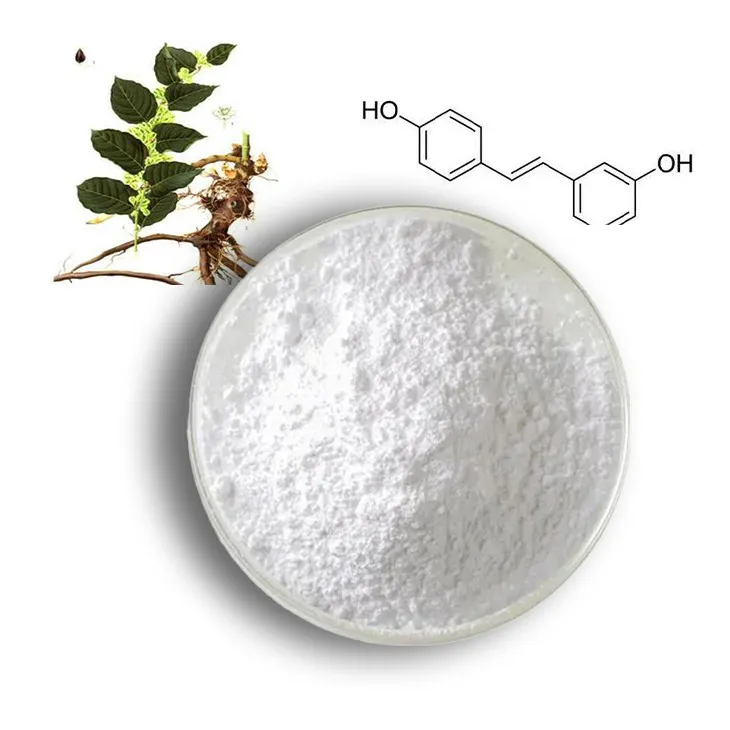
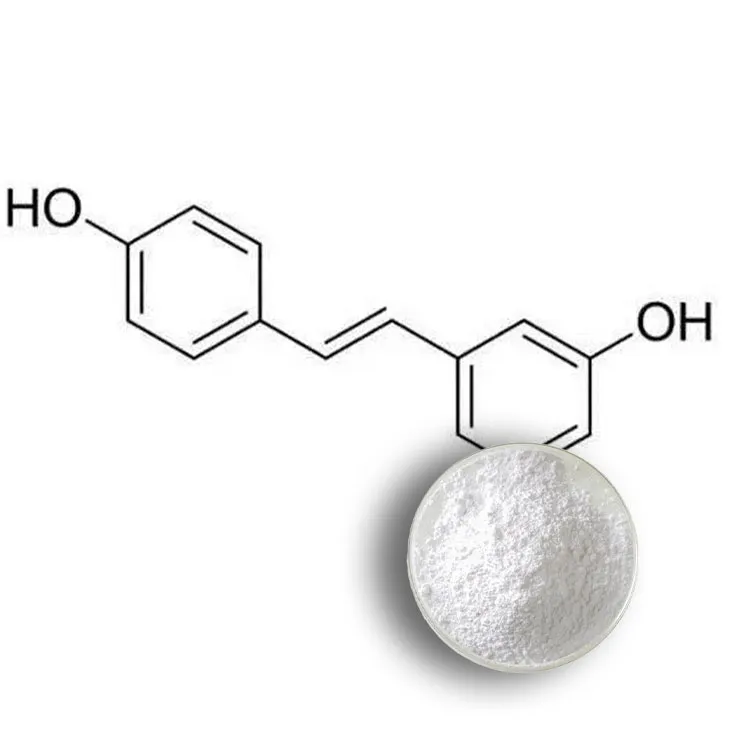
Resveratrol is a natural polyphenol found in grapes, red wine, berries, and a few well-known botanical sources such as giant knotweed and Polygonum cuspidatum. It has attracted steady interest in the health ingredient industry because of its antioxidant profile and because it has been widely studied for its potential to support heart health and slow the aging process. But there is a meaningful difference between the resveratrol you encounter in a fresh grape and the standardized resveratrol extract used in supplements and nutraceutical formulations. That difference comes down to concentration, and understanding how extracts are concentrated helps buyers choose a reliable source.
This article explains what Resveratrol extract is, where it comes from, and step by step how it is concentrated into the standardized powder that manufacturers actually buy.
What is Resveratrol extract?
A Resveratrol extract is a concentrated preparation of the active compound that has been separated from plant tissue and purified to a defined level. Raw plant material naturally contains only trace amounts of resveratrol, far too little for a practical supplement dose. For example, the skin of a grape contains a small portion of resveratrol, but the amount varies with grape variety, growing region, and harvest timing. To turn unreliable natural levels into a consistent ingredient, manufacturers extract and concentrate it so that the final powder carries a much higher, repeatable content of the active molecule.
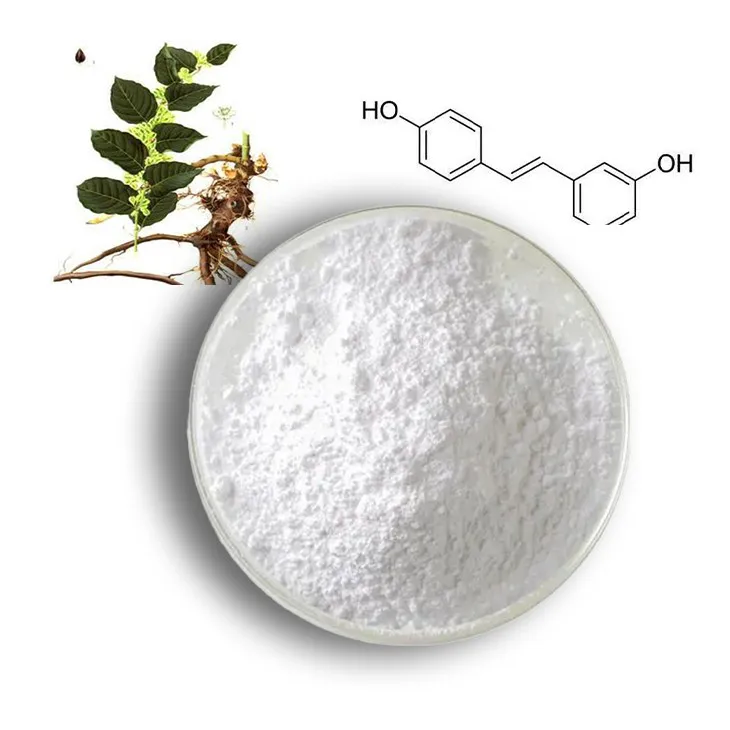
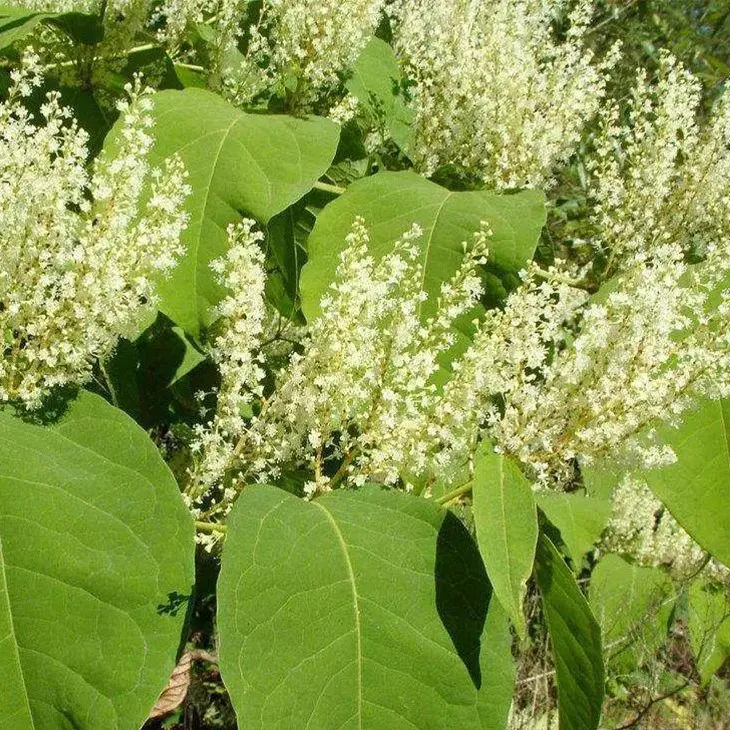
Because the starting material makes such a difference, commercial producers prefer botanical sources with relatively high and stable resveratrol content. Giant knotweed and Polygonum cuspidatum are commonly selected for commercial extraction for this reason. This is why many factories that supply the ingredient, including resveratrol manufacturer facilities in China, rely on these raw materials to achieve reproducible output.
The raw material behind the powder
The quality of any extract begins with the plant. A trustworthy producer selects clean, well-documented raw material, harvests it at the right time, and verifies its identity before processing. Steps such as washing, cutting, and controlled drying preserve the active compound and prepare the material for extraction. Low-temperature drying is preferred because excessive heat can degrade resveratrol before it is ever extracted.
How is resveratrol extract concentrated?
Concentration is the process of moving the active compound out of the plant matrix and into a much smaller, richer product. It generally follows four stages: solvent extraction, purification, concentration, and drying.
Stage one: extraction. The prepared plant material is mixed with a food-grade solvent such as ethanol, which dissolves the resveratrol and carries it out of the plant cells. Multi-ton extraction tanks allow large batches to be processed consistently, and the liquid extract is then separated from the spent plant residue by filtration.
Stage two: purification. The crude liquid still contains pigments, sugars, and other plant metabolites. Purification removes these unwanted compounds so that resveratrol becomes the dominant component. Column chromatography and crystallization are common techniques here.
Stage three: concentration. The purified solution is concentrated by removing solvent, usually under reduced pressure and at controlled temperature. This is the stage where the active content is raised to the target level. The result is a concentrated solution that can be further processed into powder.
Stage four: drying. The concentrated solution is turned into a stable powder by spray drying or vacuum drying. Spray drying produces a fine, free-flowing powder with good solubility, while vacuum drying is gentle and helps preserve the active compound. Modern facilities use high-efficiency low-temperature concentrators and spray drying towers to protect the ingredient throughout these final steps.
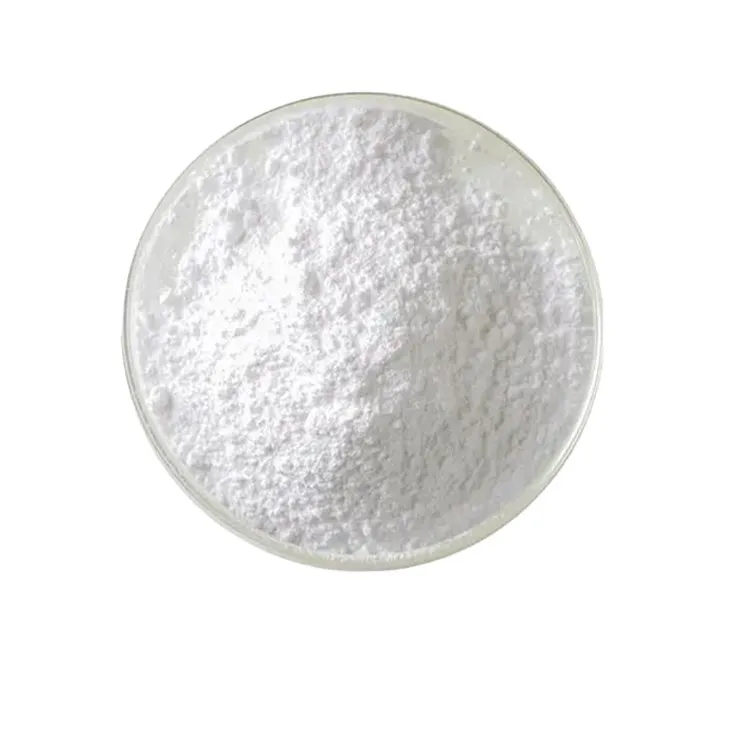
What does a concentrated resveratrol extract look like?
A concentrated extract is defined by its standardized active content, not by its appearance. Higher-concentration grades are highly purified and are chosen when a formulation needs a precise, high dose of the pure compound in a small capsule or tablet. Lower-concentration grades are only partially purified and are often used when a broader, less concentrated botanical profile is acceptable. Because the grade directly affects dosing and cost, it is important to confirm the active content and the test method with the supplier before qualification.
Reliable resveratrol bulk powder suppliers back up their claimed concentration with laboratory testing. An independent laboratory equipped with HPLC and UV analysis can quantify the active compound and confirm that the batch matches its specification.
Why quality control matters during concentration
The entire concentration process is meaningless if the final product is inconsistent or unverified. Buyers should look for a manufacturer that controls the process from start to finish and can document the result. Traceability, clean production, and independent testing are the practical signs of a reliable supplier. A factory that operates a clean production area and maintains documented quality systems is far more likely to deliver consistent concentration from batch to batch.
Certifications such as ISO22000, ISO9001, BRCGS, and HALAL provide additional assurance that food safety and quality are managed systematically. When these are combined with export documentation prepared for global regulatory submissions, they make importing the ingredient far more straightforward.
Choosing a concentrated resveratrol extract source
When looking for a source, focus on a few practical points. First, confirm that the producer can name the botanical source and the concentration grade of the extract. Second, request the certificate of analysis and ask which analytical method was used. Third, check whether the supplier has the equipment to control the whole process, from extraction to drying, rather than buying and reselling intermediate material from others.
Manufacturers that integrate production within one operation tend to offer more stable quality and lead times. A company with documented experience, clean production facilities, and testing capability gives customers a clearer picture of what they are actually purchasing.
Conclusion
Resveratrol extract is simply the active compound, drawn out of a botanical source and concentrated to a standardized, usable level. The process of extraction, purification, concentration, and drying turns a variable natural ingredient into a repeatable raw material for supplements and nutraceutical formulations. Understanding how concentration works makes it easier to evaluate suppliers, compare grades, and choose an ingredient that matches your formulation and your quality standards.
If you are sourcing concentrated botanical ingredients, Greensky is a natural plant extract manufacturer with over 20 years of experience in producing and supplying standardized extracts. You can review the resveratrol extract product page or contact the sales team at [email protected] for detailed specifications and certificates.
- ▶ Hesperidin
- ▶ Citrus Bioflavonoids
- ▶ Plant Extract
- ▶ lycopene
- ▶ Diosmin
- ▶ Grape seed extract
- ▶ Sea buckthorn Juice Powder
- ▶ Fruit Juice Powder
- ▶ Hops Extract
- ▶ Artichoke Extract
- ▶ Mushroom extract
- ▶ Astaxanthin
- ▶ Green Tea Extract
- ▶ Curcumin
- ▶ Horse Chestnut Extract
- ▶ Other Product
- ▶ Boswellia Serrata Extract
- ▶ Resveratrol
- ▶ Marigold Extract
- ▶ Grape Leaf Extract
- ▶ New Product
- ▶ Aminolevulinic acid
- ▶ Cranberry Extract
- ▶ Red Yeast Rice
- ▶ Red Wine Extract
- ▶ blog
-
Red Date Extract
2026-08-13
-
Mango flavored powder
2026-08-13
-
Grape Seed Extract
2026-08-13
-
Nutmeg Extract
2026-08-13
-
Agaricus Blazei Extract
2026-08-13
-
Tongkat Ali Extract Powder
2026-08-13
-
Curcuma Longa Extract/Turmeric extract
2026-08-13
-
Ivy Extract
2026-08-13
-
melatonin
2026-08-13
-
Magnolia Bark Extract
2026-08-13