- 0086-571-85302990
- [email protected]






What is kidney bean extract and how is it used?
2026-08-17
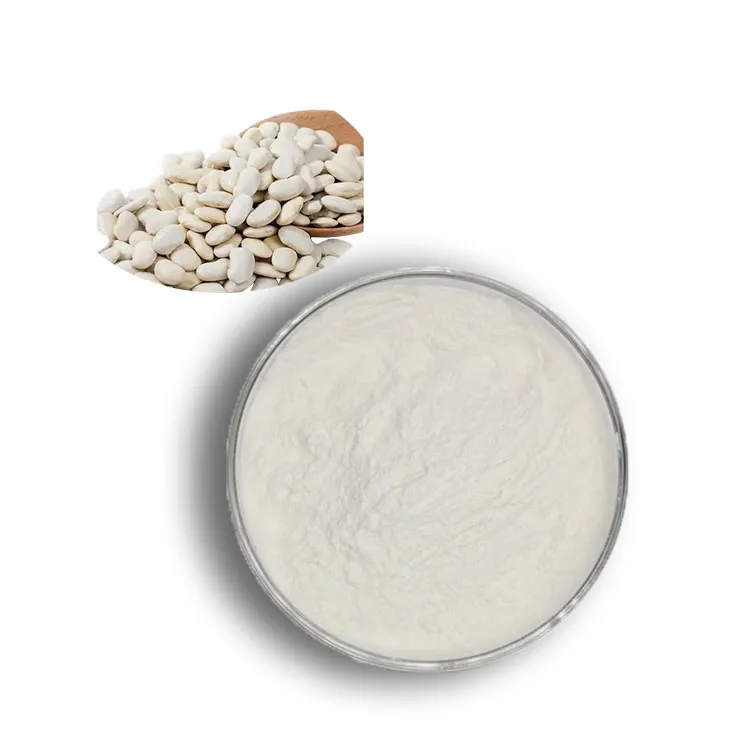
Kidney Bean Extract is a natural botanical ingredient obtained from the seeds of the common kidney bean (Phaseolus vulgaris). It is valued across the supplement, functional food, and nutraceutical industries because it contains alpha-amylase inhibitors, naturally occurring proteins that interfere with the digestion of complex carbohydrates. As a result, kidney bean extract is widely studied and used as a starch blocker for blood sugar management and weight management applications.
What is Kidney Bean Extract?
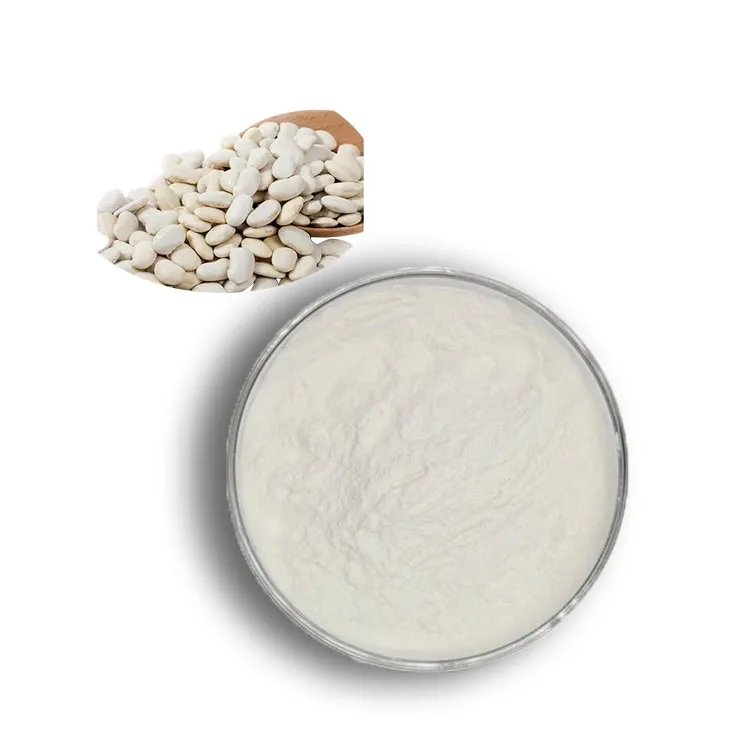
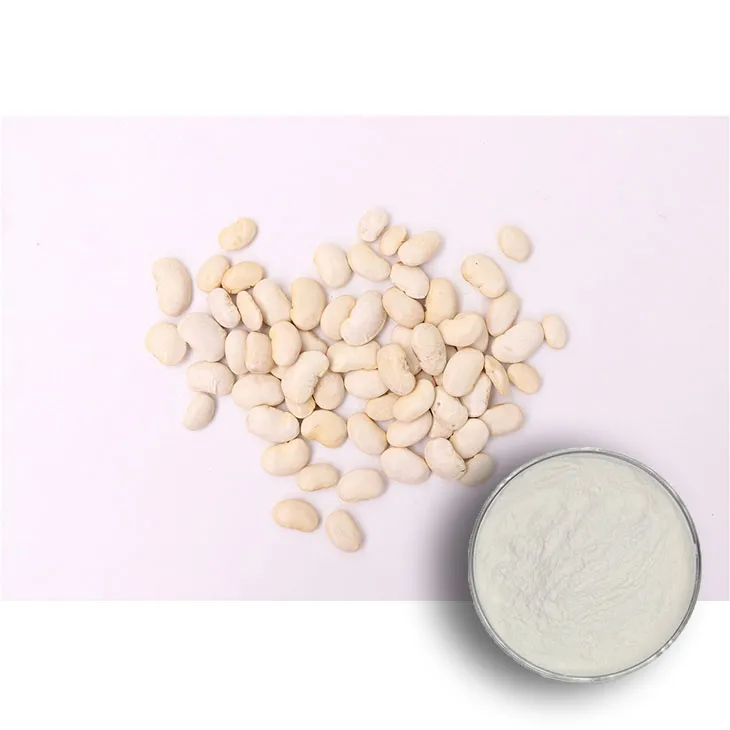
Kidney Bean Extract is a concentrated plant extract made from the seeds of Phaseolus vulgaris, one of the most widely cultivated legumes in the world. During production, the beans are processed to isolate and concentrate the active compounds while removing unwanted components. The finished extract is rich in protein, dietary fiber, and various vitamins and minerals, and it retains a meaningful level of alpha-amylase inhibitor activity.
Unlike eating whole cooked beans, the extraction process concentrates the bioactive fraction, so a small dose of extract delivers a much higher level of amylase-inhibiting activity than a typical serving of beans. This is why kidney bean extract is usually supplied as a standardized powder or capsule ingredient rather than consumed as a food.
How does kidney bean extract work?
The key mechanism behind kidney bean extract is its effect on alpha-amylase, an enzyme produced by the salivary glands and the pancreas that breaks starch down into smaller sugars that can be absorbed into the bloodstream. The active glycoprotein in kidney bean extract, known as phaseolamin, binds to alpha-amylase and reduces its activity.
When alpha-amylase activity is reduced, a portion of the starch from a meal passes through the small intestine undigested. Instead of being absorbed as glucose, these undigested carbohydrates travel to the large intestine, where they may be fermented by gut bacteria or excreted. The practical result is a lower glycemic response after a starchy meal and a modest reduction in the calories absorbed from carbohydrates.
It is important to understand that kidney bean extract does not block all carbohydrate absorption. Its effect is partial and depends on the dosage, the amount and type of starch consumed, and individual digestive physiology. Simple sugars such as sucrose and glucose are not affected.
Key benefits of kidney bean extract
- Blood sugar management: By slowing starch digestion, kidney bean extract can help flatten post-meal blood glucose spikes, which is useful for people who want to keep their blood sugar steady.
- Weight management: Because fewer calories from starch are absorbed, kidney bean extract is often used as a supportive ingredient in weight management formulations.
- Satiety support: Some research suggests that the undigested carbohydrates and the gentler blood sugar response may contribute to a greater feeling of fullness.
- Functional food applications: Beyond supplements, kidney bean extract is used in functional foods and beverages aimed at carbohydrate-conscious consumers.
How is kidney bean extract used?
Kidney bean extract is typically taken shortly before a meal that contains complex carbohydrates, so that the amylase inhibitors are present when the starch arrives in the digestive tract. Common forms include capsules, tablets, and powder that can be mixed into drinks or formulated into functional foods.
In clinical studies, dosages have generally ranged from about 500 mg to 1,500 mg of a standardized extract taken before carbohydrate-rich meals, with some products suggesting up to 3,000 mg per day divided across meals. The right amount depends on the concentration and standardization of the specific product, so it is always best to follow the manufacturer's instructions or consult a healthcare professional.
Because kidney bean extract works by leaving some starch undigested, the most common side effects are gastrointestinal, such as gas, bloating, or loose stools, especially at higher doses. People with diabetes, digestive conditions, or those who are pregnant or breastfeeding should speak with a doctor before use.
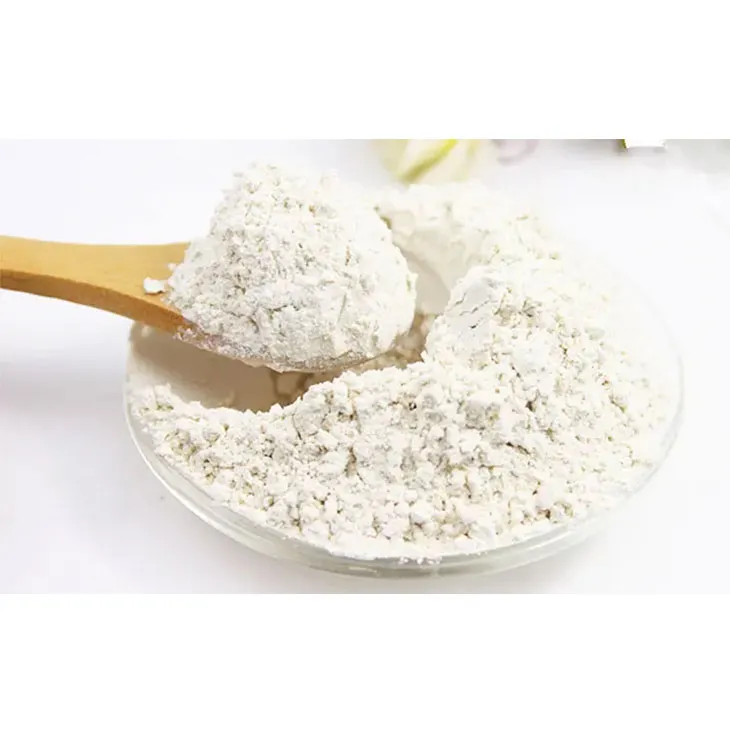
Whole beans vs. kidney bean extract
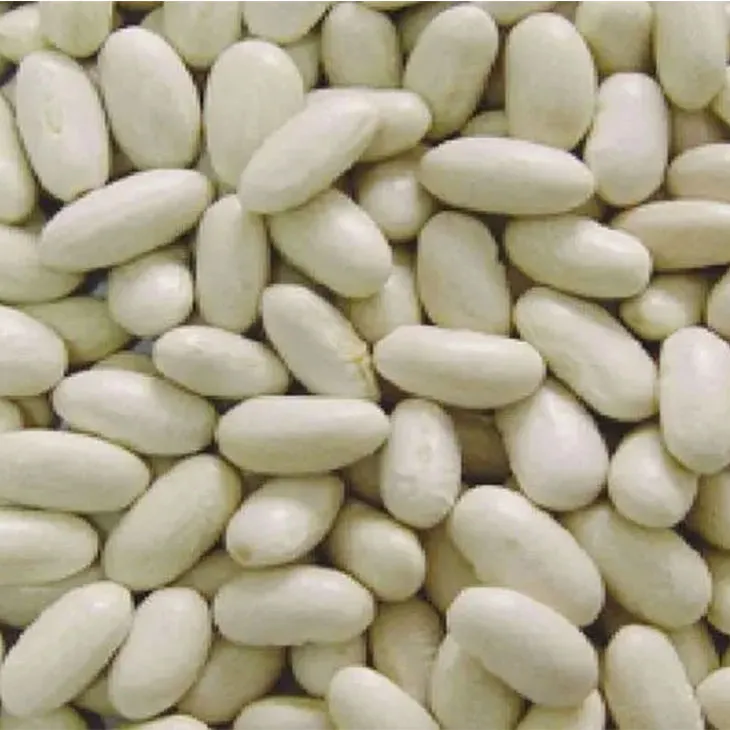
Whole kidney beans are a nutritious food, rich in fiber, plant protein, and minerals. However, raw beans contain a lectin called phytohemagglutinin, which is toxic and must be destroyed by thorough cooking. Cooking also reduces the activity of the amylase inhibitors. As a result, cooked beans are healthy but have little starch-blocking effect. A concentrated kidney bean extract, by contrast, delivers the active alpha-amylase inhibitors in a consistent, standardized form without the need to eat large quantities of beans.
Choosing a quality kidney bean extract supplier
For manufacturers of supplements and functional foods, the quality of the kidney bean extract matters as much as the ingredient itself. A reliable supplier should be able to provide standardized extracts with consistent activity, full documentation, and manufacturing practices that meet food-grade requirements. Hangzhou Greensky Biological Tech. Co., Ltd. is a professional manufacturer of natural plant extracts with over 20 years of experience. Its kidney bean extract is produced in a 100,000-class clean production area and supported by an independent laboratory equipped with GC, HPLC, and UV analysis, with certifications including ISO22000, BRCGS, HALAL, and Kosher.
Conclusion
Kidney bean extract is a well-researched botanical ingredient that supports blood sugar management and weight management by inhibiting starch digestion. It is most effective when used as part of a balanced diet and healthy lifestyle, and the quality of the extract depends heavily on the manufacturer. For formulators looking for a dependable source, working with an experienced plant extract manufacturer is the best way to ensure a consistent, high-quality ingredient.
TAGS:
- ▶ Hesperidin
- ▶ Citrus Bioflavonoids
- ▶ Plant Extract
- ▶ lycopene
- ▶ Diosmin
- ▶ Grape seed extract
- ▶ Sea buckthorn Juice Powder
- ▶ Fruit Juice Powder
- ▶ Hops Extract
- ▶ Artichoke Extract
- ▶ Mushroom extract
- ▶ Astaxanthin
- ▶ Green Tea Extract
- ▶ Curcumin
- ▶ Horse Chestnut Extract
- ▶ Other Product
- ▶ Boswellia Serrata Extract
- ▶ Resveratrol
- ▶ Marigold Extract
- ▶ Grape Leaf Extract
- ▶ New Product
- ▶ Aminolevulinic acid
- ▶ Cranberry Extract
- ▶ Red Yeast Rice
- ▶ Red Wine Extract
- ▶ blog
-
Chia Seed Powder
2026-08-17
-
Cactus Extract
2026-08-17
-
Acerola Juice Powder
2026-08-17
-
Diosmin
2026-08-17
-
Agaricus Blazei Extract
2026-08-17
-
Ginseng Root Extract
2026-08-17
-
Bayberry Extract
2026-08-17
-
Golden Seal Extract
2026-08-17
-
Baicalin
2026-08-17
-
American Ginseng Root Extract
2026-08-17
