- 0086-571-85302990
- [email protected]





What is isomerized hop extract?
2026-08-18
Isomerized hop extract is a concentrated hop product in which the alpha acids of the hop plant have already been converted into their bitter, water-soluble iso-alpha acid form. It is best known in brewing, where it lets brewers add clean, consistent bitterness to beer without boiling hops, and it is increasingly used in functional food and supplement applications for the same bioactive compounds that give hops their calming and antimicrobial properties.
What are hops?
Hops are the female flowers, or cones, of the climbing plant Humulus lupulus. For centuries they have served two very different purposes: brewers use them to give beer bitterness and help preserve it, while herbalists have long relied on them as a calming herb for sleep and relaxation. The cones are packed with resins (alpha and beta acids), essential oils, and polyphenols such as xanthohumol, and it is these compounds that carry most of the plant's value.
What does "isomerized" actually mean?
The alpha acids in fresh hops — humulone, cohumulone, and adhumulone — are not very soluble in water and taste only mildly bitter on their own. When they are heated, traditionally during the boil in a brewery, their molecular structure rearranges into a new set of compounds called iso-alpha acids, such as isohumulone. This rearrangement is what chemists call isomerization. The iso-alpha acids are far more soluble and are the compounds responsible for most of the bitterness we taste in beer.
In short, an isomerized hop extract is simply a hop extract in which this conversion has already been done, so the bittering compounds are present in their active, soluble form from the start.
How is isomerized hop extract made?
Manufacturers begin with a concentrated hop extract, usually produced by supercritical CO2 extraction, which captures the resins and oils without the plant's water and chlorophyll. The extract is then deliberately isomerized under controlled heat and alkaline conditions, converting the alpha acids into iso-alpha acids. The result is a stable, standardized product in which the bittering compounds are already active.
Because the isomerization step happens in the factory rather than in the brew kettle, the extract can be added to beer at almost any point in the process — even after fermentation — without losing bitterness. That flexibility is one of the main reasons brewers value it.
Benefits and uses of isomerized hop extract
The hops extract benefits fall into two broad areas: brewing and health-oriented products.
In brewing
- Consistent bitterness. The iso-alpha acid content is standardized, so brewers can hit the same bitterness level batch after batch without worrying about crop-year variation.
- No boil required. Bitterness can be adjusted after fermentation or even at packaging, which is useful for fine-tuning finished beer.
- Efficient use. Because the bittering compounds are already in their soluble form, utilization is high and very little is wasted.
- Clean flavor. There are no grassy or vegetal notes from plant material, so the bitterness comes through cleanly.
In functional food and supplements
- Sleep and relaxation. Hops have a long history as a sedative herb, and research points to the bitter acids and other hop compounds supporting calm and better sleep, often used alongside valerian.
- Antimicrobial activity. Iso-alpha acids and other hop components show antimicrobial properties, a trait brewers have relied on for generations.
- Antioxidant and anti-inflammatory effects. Polyphenols such as xanthohumol contribute antioxidant and anti-inflammatory activity, which is why hops appear in wellness formulations.
Isomerized hop extract vs. regular hop extract
Regular hop extract, such as a standard CO2 extract, still contains alpha acids in their un-isomerized form and needs boiling to develop bitterness. Isomerized hop extract is ready to use — the bittering compounds are already active and soluble. For a formulator, the practical difference is convenience and predictability: the isomerized form behaves the same way every time and can be added without a heating step.
If you are developing a sleep-support or relaxation product, note that the calming effects of hops come from the whole spectrum of its bioactive compounds, not only the iso-alpha acids. A well-standardized extract preserves these components so the finished product delivers consistent results.
Choosing a reliable supplier
For brewers and formulators alike, the quality of an extract depends on where it comes from. A dependable hops extract supplier should offer standardized content, consistent batches, and the documentation needed for regulatory submission.
Hangzhou Greensky Biological Tech. Co., Ltd. has manufactured natural plant extracts since 2004. The company operates an independent laboratory equipped with HPLC, GC, and UV instruments, produces in a 100,000-class clean area that meets food-grade requirements, and holds certifications including ISO22000, BRCGS, HALAL, and Kosher. Its Hops Extract is rich in bioactive components that have been extensively researched for sedative, sleep aid, antimicrobial, and anti-inflammatory properties.
Frequently asked questions
Is isomerized hop extract the same as hop oil extract?
No. Hop oil extracts are made for aroma and flavor and contain mostly essential oils. Isomerized hop extract is made for bitterness and contains pre-isomerized alpha acids with little aromatic character.
Can isomerized hop extract be used in non-alcoholic products?
Yes. Because it is a standardized ingredient rather than a beer itself, it can be incorporated into functional beverages, supplements, and other wellness products that call for the calming or antimicrobial properties of hops.
Does isomerized hop extract need to be refrigerated?
Storage depends on the specific product form. Liquid isomerized extracts are generally stable at cool temperatures and should be kept away from heat and direct light; always follow the supplier's recommended storage conditions to preserve potency.
Isomerized hop extract is a versatile, standardized ingredient that brings the bittering power and the calming, antimicrobial bioactivity of hops into a convenient form. Whether you are a brewer looking for consistent bitterness or a formulator developing sleep-support and wellness products, understanding how this extract is made and where it comes from is the first step to using it well.
TAGS:
- ▶ Hesperidin
- ▶ Citrus Bioflavonoids
- ▶ Plant Extract
- ▶ lycopene
- ▶ Diosmin
- ▶ Grape seed extract
- ▶ Sea buckthorn Juice Powder
- ▶ Fruit Juice Powder
- ▶ Hops Extract
- ▶ Artichoke Extract
- ▶ Mushroom extract
- ▶ Astaxanthin
- ▶ Green Tea Extract
- ▶ Curcumin
- ▶ Horse Chestnut Extract
- ▶ Other Product
- ▶ Boswellia Serrata Extract
- ▶ Resveratrol
- ▶ Marigold Extract
- ▶ Grape Leaf Extract
- ▶ New Product
- ▶ Aminolevulinic acid
- ▶ Cranberry Extract
- ▶ Red Yeast Rice
- ▶ Red Wine Extract
- ▶ blog
-
Nettle leaf extract
2026-08-18
-
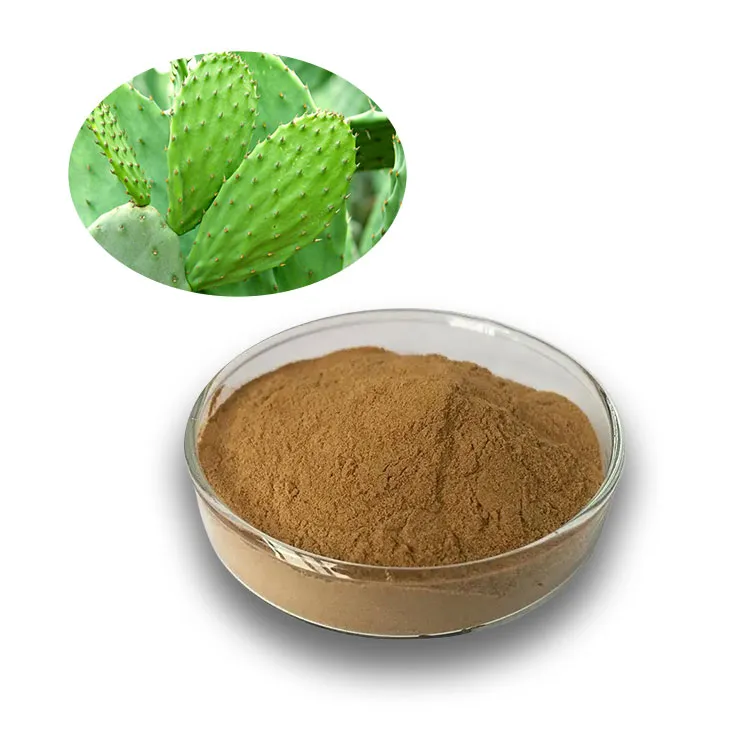
Cactus Extract
2026-08-18
-
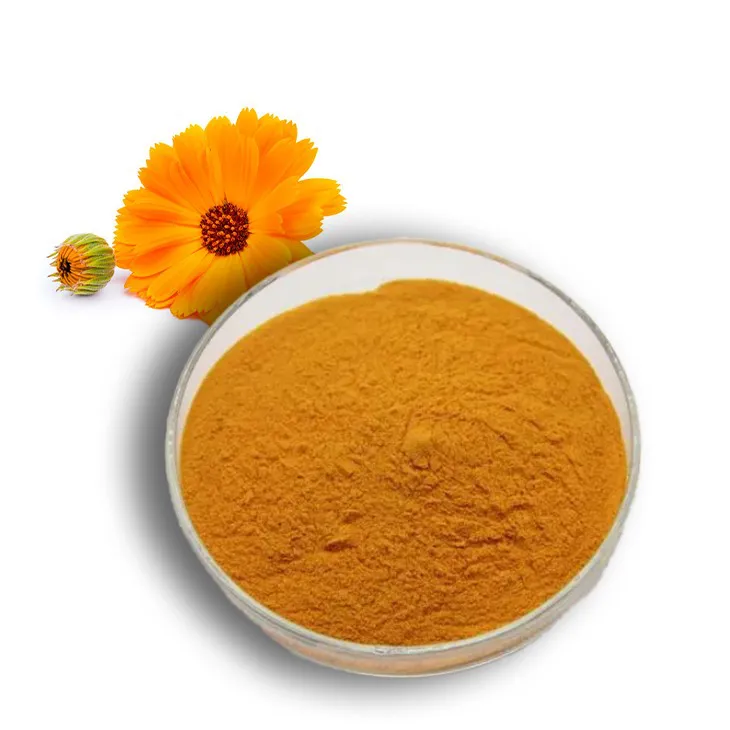
Calendula Extract
2026-08-18
-
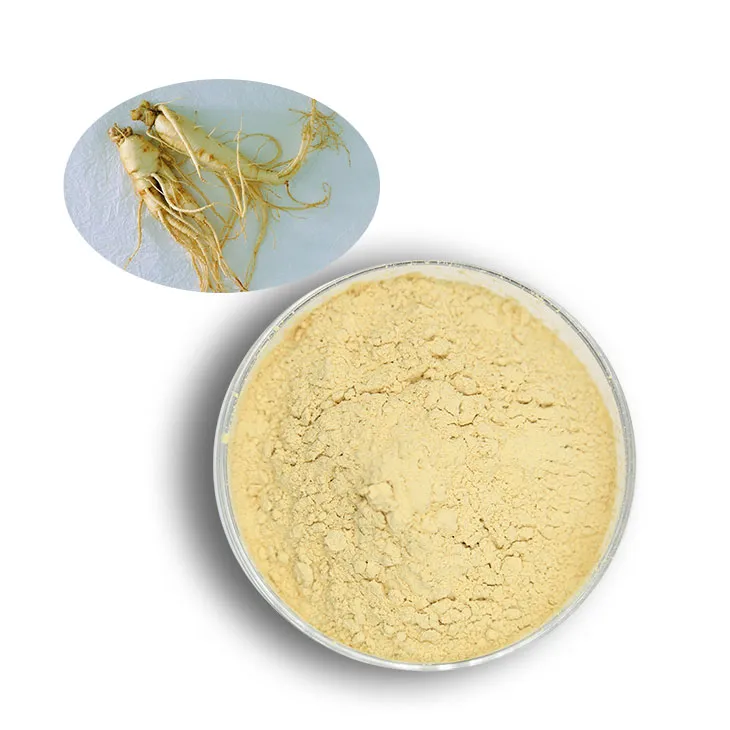
American Ginseng Root Extract
2026-08-18
-
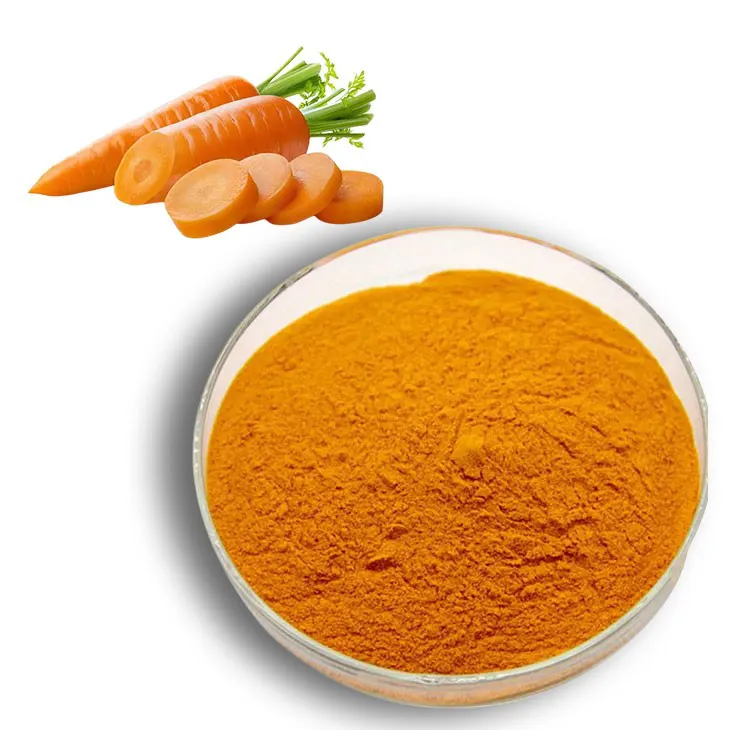
Beta Carotene
2026-08-18
-

Magnolia Bark Extract
2026-08-18
-
Tamarind extract powder
2026-08-18
-
Ginger Extract
2026-08-18
-
Beetroot Powder
2026-08-18
-
Passionflower Extract
2026-08-18