- 0086-571-85302990
- [email protected]






What is ginger extract and what are its health benefits?
2026-08-15
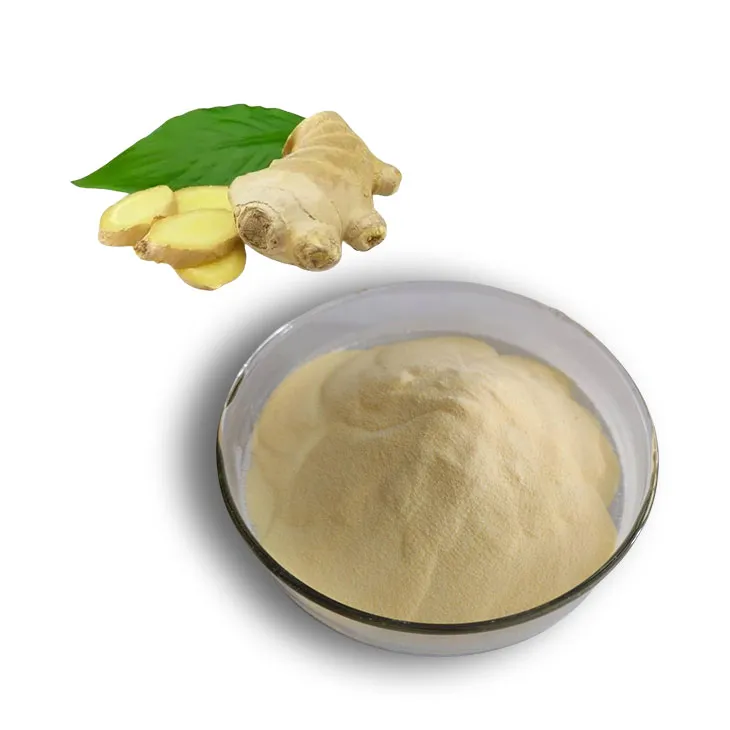
Ginger has been a kitchen staple and a trusted herbal remedy for thousands of years, valued across traditional medicine systems in Asia and the Mediterranean. Today, modern processing turns the humble ginger rhizome into a concentrated ingredient that appears in supplements, functional foods, beverages, and personal care products. This article explains what Ginger Extract is, how it is produced, and what the evidence says about its health benefits.
What is Ginger Extract?
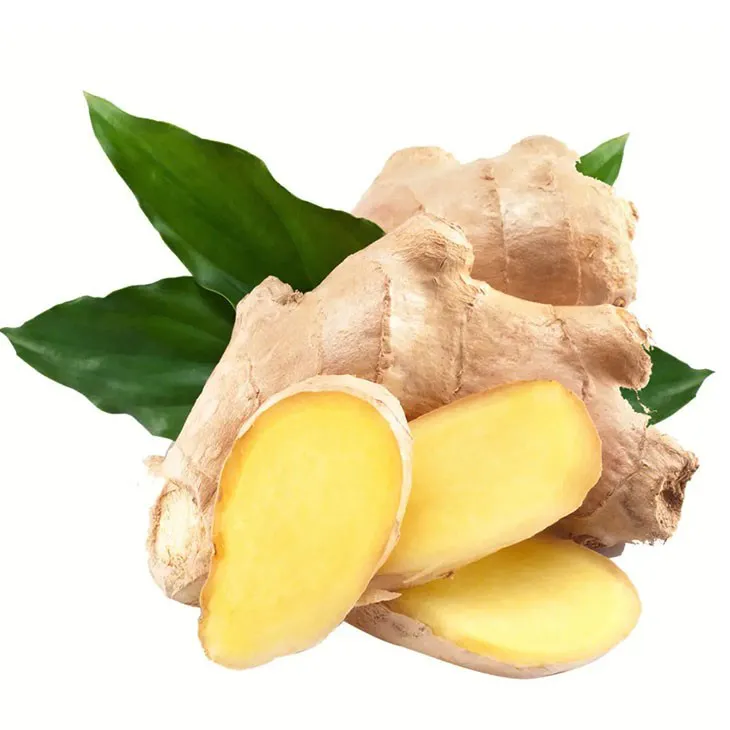
Ginger Extract is a concentrated preparation derived from the rhizome of the ginger plant (Zingiber officinale). While fresh or dried ginger root is used directly in cooking, an extract goes through additional processing to concentrate the plant's active compounds, making it easier to dose consistently and to incorporate into finished products.
The most studied active components in ginger are the pungent phenolic compounds known as gingerols, along with their dehydrated forms called shogaols, and a related compound called zingerone. These bioactives are responsible for most of the herb's characteristic flavor and for its reported health effects. Because the concentration of these compounds varies naturally from batch to batch, commercial ginger extract is usually standardized to a defined content of gingerols, such as 5% or 10%, so that manufacturers can rely on consistent quality in every batch.
How is ginger extract made?
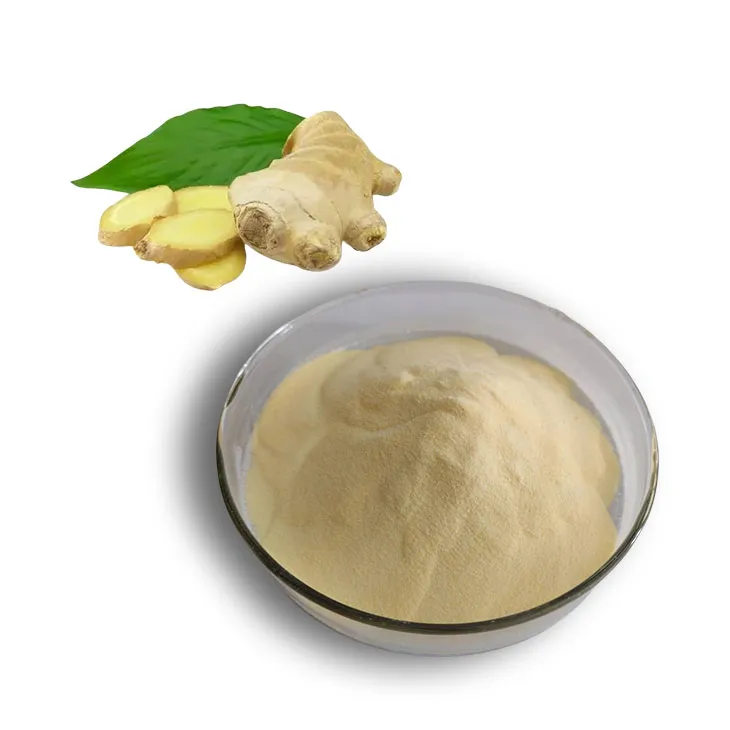
Production begins with carefully selected ginger rhizomes, which are washed, sliced, and dried before extraction. The dried material is then treated with a food-grade solvent to pull out the bioactive compounds. The resulting liquid is filtered, concentrated under low temperature to protect heat-sensitive actives, and finally dried into a fine powder or kept as a liquid extract.
The quality of the finished extract depends heavily on the equipment and controls used along the way. A professional plant extract manufacturer typically relies on multi-functional extraction tanks, low-temperature concentrators, and spray drying towers, and verifies each batch with laboratory instruments such as HPLC and GC. These steps matter because they determine the gingerol content, the purity, and the safety of the ingredient that ends up in your product.
Health benefits of ginger extract
Relief from nausea and motion sickness
Ginger is best known for helping to ease nausea. Clinical studies have examined its use for morning sickness during pregnancy, for motion sickness during travel, and as a supportive measure after surgery or during chemotherapy. Many trials have used doses in the range of 500 mg to 1,000 mg per day and reported meaningful reductions in nausea symptoms compared with placebo. The effect is thought to involve the digestive tract and the brain's emetic reflex pathways.
Digestive support
Traditional use of ginger as a digestive aid is supported by modern research showing that it can help speed up gastric emptying and relieve feelings of fullness and discomfort after meals. For this reason, ginger extract is a popular ingredient in digestive health supplements and functional food formulations.
Anti-inflammatory and joint comfort
Gingerols and shogaols have been shown to influence inflammatory pathways in the body, which is why ginger extract is frequently studied for joint health. Several randomized trials in people with osteoarthritis have reported modest reductions in pain and stiffness with daily doses of 1,000 to 2,000 mg over a period of weeks. While results vary from person to person, the evidence is strong enough that ginger is a common botanical in joint-support supplements.
Menstrual pain relief
Studies have also looked at ginger for primary dysmenorrhea, the cramping pain that many women experience during menstruation. Research suggests that ginger may reduce the intensity of menstrual pain, likely through its effects on prostaglandins and inflammation. Some trials have reported pain relief comparable to conventional painkillers, making ginger extract an appealing natural option in women's health products.
Antioxidant support
Ginger is rich in antioxidant compounds that help neutralize free radicals and support the body's natural defenses against oxidative stress. This antioxidant activity is one reason ginger extract is often combined with other botanicals in wellness and anti-aging formulations.
Metabolic and cardiovascular support
Emerging research suggests that ginger may offer modest support for blood sugar balance and lipid profiles. A number of small studies and meta-analyses have reported small improvements in fasting glucose and cholesterol markers with regular ginger supplementation. These findings are encouraging, though more research is still needed to confirm the long-term effects.
Forms and specifications
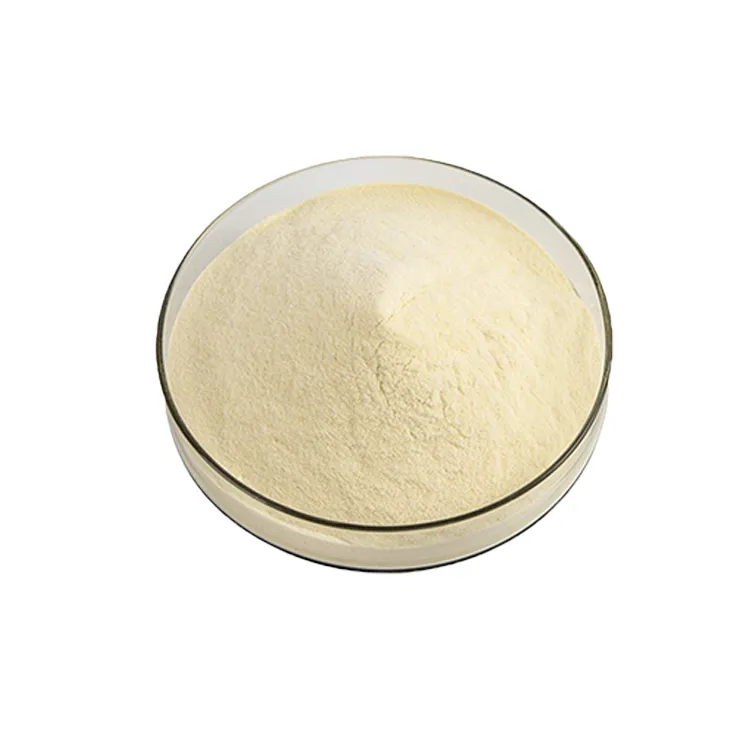
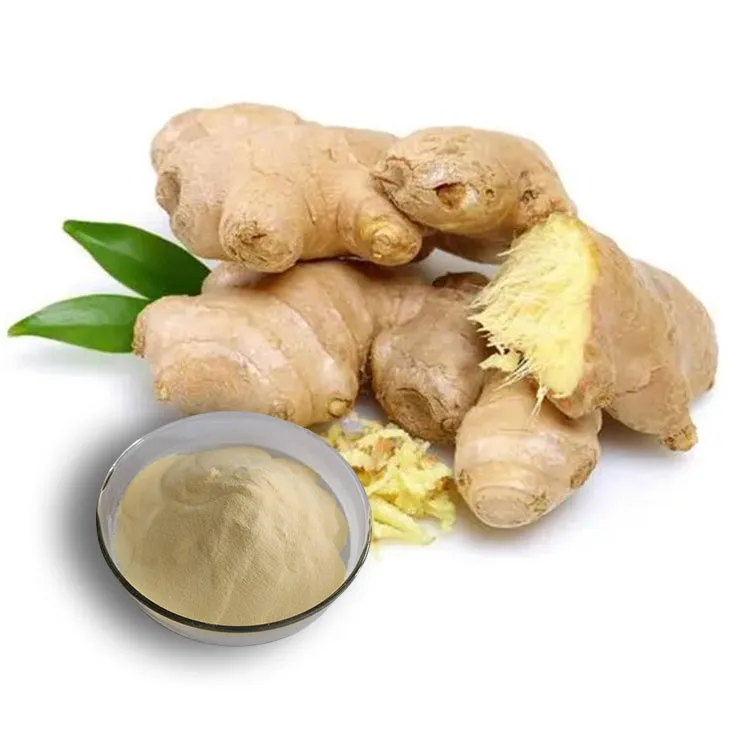
Ginger extract is available in several forms to suit different applications. Powdered extract is the most common and is used in capsules, tablets, and powdered beverage mixes. Liquid extracts and oleoresins are used in tinctures and certain food applications. Common specifications include gingerols content of 5% or 10%, as well as concentration ratios such as 5:1, 10:1, and 20:1. When choosing a specification, buyers should match the gingerol level to the intended dosage and application.
Safety and side effects
Ginger extract is generally well tolerated when used at recommended doses. The most commonly reported side effects are mild and digestive in nature, such as heartburn, stomach discomfort, or a warm sensation in the mouth. As with any concentrated botanical, it is wise to start with a lower dose and increase gradually.
People taking blood-thinning medication should talk to their doctor before using high-dose ginger supplements, because ginger may have a mild effect on blood clotting. Pregnant women should also consult a healthcare professional before using concentrated extracts, even though ginger is widely used for pregnancy-related nausea.
Choosing a reliable supplier
Because ginger extract is a concentrated ingredient, its quality directly affects the safety and effectiveness of the final product. Buyers should look for a plant extract supplier that can document consistent gingerol content, provide certificates of analysis for every batch, and operate under recognized food-safety and quality systems.
Greensky, a professional botanical ingredient manufacturer based in Hangzhou with more than twenty years of experience, produces Ginger Extract and a wide range of other plant extracts for the global market. The company operates a 100,000-class clean production area, maintains an independent laboratory equipped with HPLC, GC, and UV instruments, and holds certifications including ISO22000, BRCGS, HALAL, and Kosher. With fully integrated research, production, and quality control, Greensky is well positioned to support supplement and food manufacturers with dependable botanical ingredients and complete export documentation.
Conclusion
Ginger extract is a versatile botanical ingredient with a long history and a growing body of scientific support. Its benefits for nausea, digestion, joint comfort, and antioxidant support make it a valuable addition to supplements, functional foods, and beverages. Whether you are a consumer looking for a natural wellness ingredient or a manufacturer sourcing raw materials, choosing a high-quality, standardized ginger extract from a trusted supplier is the key to getting the most from this remarkable root.
FAQ
Q: What is the difference between ginger powder and ginger extract?
Ginger powder is simply dried and ground ginger root, while ginger extract is a concentrated preparation that is standardized to a defined content of active compounds such as gingerols. Extract delivers a more consistent dose of bioactives per gram.
Q: What is ginger extract standardized to?
Most commercial ginger extract is standardized to gingerol content, commonly 5% or 10%, or to a concentration ratio such as 5:1, 10:1, or 20:1. The specification should be confirmed by a certificate of analysis for each batch.
Q: Can ginger extract be used in food and beverage products?
Yes. Ginger extract is widely used in supplements, functional foods, beverages, and confectionery. Buyers should confirm the specification, food-grade status, and required certifications with the supplier before use.
- ▶ Hesperidin
- ▶ Citrus Bioflavonoids
- ▶ Plant Extract
- ▶ lycopene
- ▶ Diosmin
- ▶ Grape seed extract
- ▶ Sea buckthorn Juice Powder
- ▶ Fruit Juice Powder
- ▶ Hops Extract
- ▶ Artichoke Extract
- ▶ Mushroom extract
- ▶ Astaxanthin
- ▶ Green Tea Extract
- ▶ Curcumin
- ▶ Horse Chestnut Extract
- ▶ Other Product
- ▶ Boswellia Serrata Extract
- ▶ Resveratrol
- ▶ Marigold Extract
- ▶ Grape Leaf Extract
- ▶ New Product
- ▶ Aminolevulinic acid
- ▶ Cranberry Extract
- ▶ Red Yeast Rice
- ▶ Red Wine Extract
- ▶ blog
-
Shikone Extract
2026-08-15
-
Berberis aristata Extract
2026-08-15
-
Yohimbine Bark Extract
2026-08-15
-
Acerola Juice Powder
2026-08-15
-
Giant Knotweed Extract
2026-08-15
-
Plantain extract
2026-08-15
-
American Ginseng Root Extract
2026-08-15
-
Senna Leaf Extract
2026-08-15
-
Camu Camu Extract
2026-08-15
-
Rhodiola Rosea Extract
2026-08-15
