- 0086-571-85302990
- [email protected]






What foods are highest in quercetin?
2026-08-18
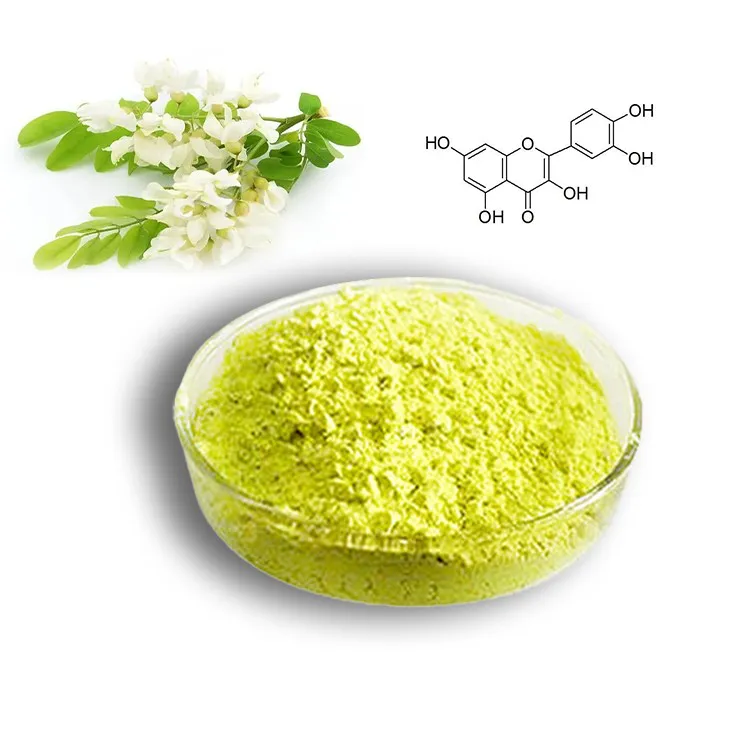
Quercetin is one of the most abundant antioxidants in the human diet, a yellow plant pigment found in the skins, leaves and outer layers of many fruits and vegetables. If you are trying to raise your intake naturally, the short answer is that capers, red onions, kale and apples lead the list, followed closely by a wide range of other everyday foods. This guide breaks down the foods highest in Quercetin, explains why it matters, and shows you how to get the most from every serving.
Quercetin belongs to a family of plant compounds called flavonoids. It acts as a powerful antioxidant, helping to neutralize free radicals and reduce oxidative stress, which is why it has been studied for its potential support of immune health, normal cardiovascular function and healthy inflammatory responses. Unlike some nutrients, the body does not store large amounts of quercetin, so a steady supply from food or supplements is recommended if you want to keep your levels up.
A useful detail to remember: quercetin is concentrated in plant skins and just under the surface. Peeling an apple, for example, removes a meaningful share of the quercetin it would otherwise provide. Whole, unpeeled and colorful plant foods therefore tend to deliver far more than peeled or heavily processed versions.
The list below focuses on common, widely available foods rather than rare herbs, so you can actually find and enjoy them at your local market. Values are based on commonly reported food-composition data and shown per 100 grams, with note that a typical serving is usually smaller.
1. Capers. These small flower buds are the standout source, holding the highest quercetin concentration in the standard food databases at over 200 mg per 100 g when raw. Canned capers are common in most grocery stores and are easy to add to salads, pasta and fish dishes.
2. Red onions. Red and purple onions beat yellow and white varieties for quercetin, with most of the compound sitting in the outer rings. That vivid red color is a clue — the deeper the pigment, the more antioxidant content the onion tends to carry. Add raw slices to sandwiches and salads whenever you can.
3. Kale. Kale sits near the top of the green leafy vegetables for quercetin and is also rich in vitamins A, C and K. Lightly massaging or steaming it makes the leaves more pleasant to eat without a large reduction in flavonoids.
4. Apples with the skin. Apples are one of the most consistent fruit sources of quercetin, and nearly all of it lives in the skin. Choose deeply colored varieties such as red delicious, Honeycrisp or Gala and eat them unpeeled for the biggest benefit.
5. Berries and dark grapes. Cranberries and blueberries offer solid amounts of quercetin along with other beneficial flavonoids, while red and purple grapes contain noticeably more than green varieties because of the pigment in their skins. A handful of mixed berries makes an easy daily habit.
6. Broccoli and other cruciferous vegetables. Broccoli, watercress and similar brassicas bring useful amounts of quercetin along with a host of other plant compounds, making them a sensible staple for anyone trying to increase antioxidant intake.
7. Green leafy herbs and vegetables. Cilantro, dill, parsley and other culinary herbs carry more quercetin per gram than many staples, so seasoning dishes generously is an easy win. Cooked tomatoes and even tea also contribute smaller but useful amounts.
Boosting your daily quercetin does not require complicated meal plans. Start with a few simple habits: keep fruits and vegetables unpeeled where safe; favor deeply colored red, purple and dark green produce; use fresh herbs generously; and mix berries into breakfasts and snacks. Because quercetin is fairly heat-stable, moderate cooking such as roasting or steaming still keeps most of the compound intact, though boiling in large amounts of water can leach more of it out.
It is also worth remembering that variety matters. No single food provides every flavonoid the body can use, so combining apples, onions, greens and berries gives you a broader antioxidant profile than relying on one ingredient alone.
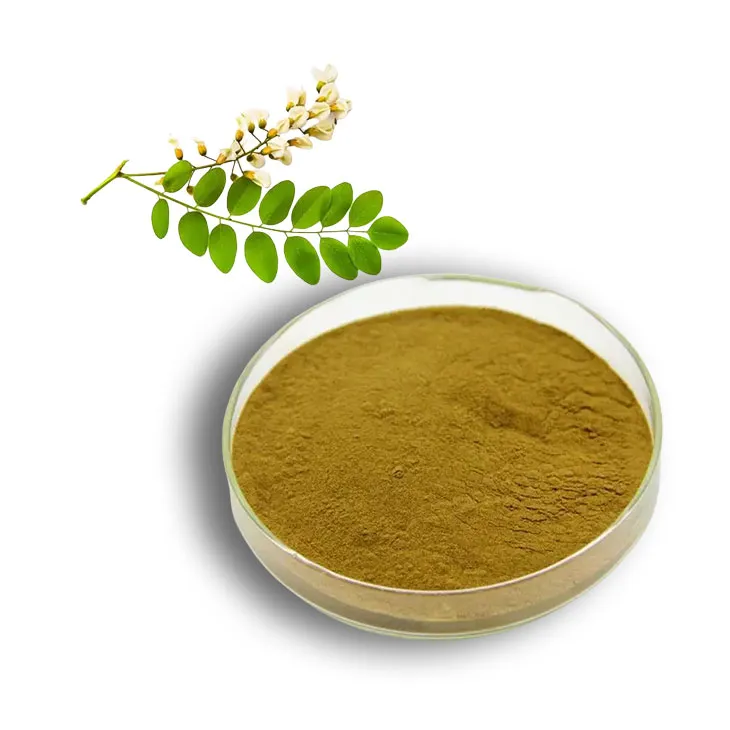
Reaching a meaningful daily dose through diet alone can be difficult, because few people eat the large volumes of capers, onions and kale needed to add up to hundreds of milligrams. This is where concentrated ingredients come in. Quercetin is widely extracted from a botanical source such as Sophora japonica and supplied as a powder extract for dietary supplements and fortified functional foods.
If you are a brand, manufacturer or health-product company looking to add quercetin to supplements, beverages or functional foods, working with an experienced plant extract supplier is the practical route. A reliable supplier can provide standardized, high-purity quercetin extract with consistent quality, documented testing and support for regulatory submissions — all factors that matter when building a product you can trust.
The foods highest in quercetin — capers, red onions, kale, apples with skin, dark berries and grapes — are easy to find and simple to add to a normal balanced diet. For most people, eating a varied mix of unpeeled, deeply colored plants every day is the most natural way to support antioxidant intake. For those selling supplements or fortified foods, a quality quercetin extract from a trusted botanical ingredient manufacturer offers a convenient way to deliver the same benefit in a convenient, standardized form.
TAGS:
- ▶ Hesperidin
- ▶ Citrus Bioflavonoids
- ▶ Plant Extract
- ▶ lycopene
- ▶ Diosmin
- ▶ Grape seed extract
- ▶ Sea buckthorn Juice Powder
- ▶ Fruit Juice Powder
- ▶ Hops Extract
- ▶ Artichoke Extract
- ▶ Mushroom extract
- ▶ Astaxanthin
- ▶ Green Tea Extract
- ▶ Curcumin
- ▶ Horse Chestnut Extract
- ▶ Other Product
- ▶ Boswellia Serrata Extract
- ▶ Resveratrol
- ▶ Marigold Extract
- ▶ Grape Leaf Extract
- ▶ New Product
- ▶ Aminolevulinic acid
- ▶ Cranberry Extract
- ▶ Red Yeast Rice
- ▶ Red Wine Extract
- ▶ blog
-
Maca Extract
2026-08-18
-
Wheat Germ Extract
2026-08-18
-
Beta Carotene
2026-08-18
-
Acerola Juice Powder
2026-08-18
-
Acai Berry Extract
2026-08-18
-
Feverfew Extract
2026-08-18
-
Astaxanthin
2026-08-18
-
Green Tea Extract
2026-08-18
-
Polygonum multiflorum extract
2026-08-18
-
Sea buckthorn Juice Powder
2026-08-18
