- 0086-571-85302990
- [email protected]






What export experience should a grape seed extract wholesale partner have?
2026-08-13
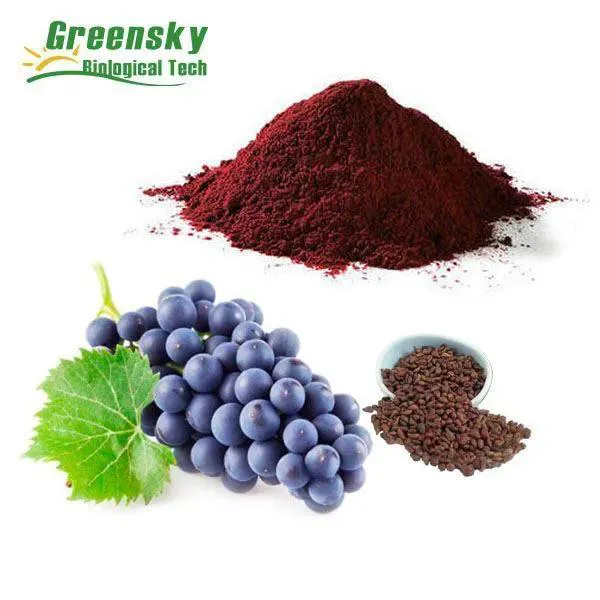
When you buy Grape Seed Extract in bulk, you are not just purchasing a powder. You are entering a cross-border relationship where documentation, compliance, consistency and communication decide whether your product launches on time or gets stuck at customs. That is why the export experience of your grape seed extract wholesale partner matters as much as the price per kilogram. This guide explains what genuine export experience looks like, what to check before signing an order, and the red flags that should send you back to the drawing board.
A supplier who has never shipped beyond their home country can still quote a competitive price. But price says little about whether they can clear your local authority review, keep a batch consistent through a full production run, or respond usefully when a certificate needs a revision. Export experience is the accumulated ability to do all of these things reliably, and it shows up in concrete, verifiable ways.
The first thing to look for is not how many customers a supplier has, but where those customers are. Different regions enforce different rules, and a partner with real export experience will have already navigated the markets you care about. A manufacturer that consistently supplies Europe, the United States, South Korea and Russia, for example, has demonstrated that it can meet the expectations of buyers with very different regulatory and quality standards. When a supplier can name the markets it ships to and back that up with records, you have a practical signal of export maturity rather than a marketing claim.
Experience in export is, in large part, experience in paperwork. A new buyer of bulk ingredients will need a Certificate of Analysis for every batch, a full specification sheet, Material Safety Data Sheets, and often a Country of Origin certificate. If your market requires a Halal, Kosher or organic standard, the supplier must be able to provide the corresponding certification and the documents that support it. Ask directly which certificates the factory holds and whether it can prepare export documentation tailored to your destination. A supplier that stocks a ready library of compliant documents and knows how to update them saves you weeks of back-and-forth.
Industry-recognized certifications such as ISO22000, BRCGS, Ecocert Organic Standard, SGS-GMP, ISO9001, HALAL and Kosher are strong indicators that a manufacturer has been audited against international food-safety and quality systems. These are not decorations; they are the result of repeated external inspection and give you a realistic picture of the controls behind the product.
Export experience also means the factory has solved the problem of batch-to-batch consistency at scale. A small laboratory run can look perfect; reproducing that result across a ton of raw material is where quality systems earn their keep. Ask whether the manufacturer operates its own independent laboratory and which instruments it uses for analysis. Equipment such as GC, HPLC and UV spectrophotometers is the standard toolset for verifying potency, purity and heavy-metal content in extracts like grape seed. A partner that tests in-house, keeps batch records, and can trace a finished lot back to its raw material gives you the traceability that downstream customers increasingly demand.
Export is a coordination problem as much as a chemistry problem. Reliable partners hold enough production capacity to meet your volumes without bottlenecks, and they manage packaging, labeling and dispatch so that your order arrives when promised. A supplier with vertically integrated operations, from raw material handling through extraction and final packing under one roof, has fewer hand-offs where delays and errors can slip in. Before committing, confirm realistic lead times, minimum order quantities, standard packaging options, and how the supplier communicates when a shipment is delayed. Honest communication about logistics is a hallmark of experienced exporters.
Cross-border deals are won and lost on communication. A good partner responds to inquiries within a reasonable time, provides free samples for evaluation, and can answer technical questions about specifications, solubility, stability and formulation. Experienced manufacturers also offer regulatory support for target markets, explaining how their product meets the requirements of your region. This level of support is a direct outcome of export experience, because it only develops after years of answering real questions from real buyers around the world.
Finally, experienced exporters understand that their business depends on repeat orders, so they invest in the systems that protect long-term relationships. Established manufacturers with years in the industry and multiple subsidiaries across production and sales are generally better positioned to manage raw material supply, maintain quality during busy seasons, and stay in business over the long run. A supplier that has survived the ups and downs of the international market is more likely to be there when you need a second, third or tenth shipment.
A few warning signs should make you cautious. Beware of suppliers who cannot name the markets they export to or who hesitate when asked for certificates. Be wary of vague answers about testing methods, lead times or minimum quantities. And treat promises that sound too good as a reason to dig deeper rather than a reason to celebrate. Genuine export experience is transparent, specific and easy to verify.
Before you place your next order, run through this short list. An experienced grape seed extract supplier should be able to answer yes to all of them:
- Can they name the export markets they already serve?
- Can they provide up-to-date certificates such as ISO22000, BRCGS, HALAL or Kosher?
- Do they operate an independent laboratory with GC, HPLC or UV testing?
- Can they supply batch-level Certificates of Analysis and trace a lot to its raw material?
- Do they give clear lead times, packaging options and honest logistics updates?
- Do they offer free samples and responsive technical support for your market?
As a manufacturer with more than two decades in the industry and steady shipments to Europe, the United States, South Korea and Russia, Greensky combines the export experience described above with a broad catalog of plant extract products. If you are evaluating a Grape Seed Extract wholesale partner and want to see documentation, request a sample or discuss your target market, the Greensky team is ready to help.
TAGS:
- ▶ Hesperidin
- ▶ Citrus Bioflavonoids
- ▶ Plant Extract
- ▶ lycopene
- ▶ Diosmin
- ▶ Grape seed extract
- ▶ Sea buckthorn Juice Powder
- ▶ Fruit Juice Powder
- ▶ Hops Extract
- ▶ Artichoke Extract
- ▶ Mushroom extract
- ▶ Astaxanthin
- ▶ Green Tea Extract
- ▶ Curcumin
- ▶ Horse Chestnut Extract
- ▶ Other Product
- ▶ Boswellia Serrata Extract
- ▶ Resveratrol
- ▶ Marigold Extract
- ▶ Grape Leaf Extract
- ▶ New Product
- ▶ Aminolevulinic acid
- ▶ Cranberry Extract
- ▶ Red Yeast Rice
- ▶ Red Wine Extract
- ▶ blog
-
Shikonin
2026-08-13
-
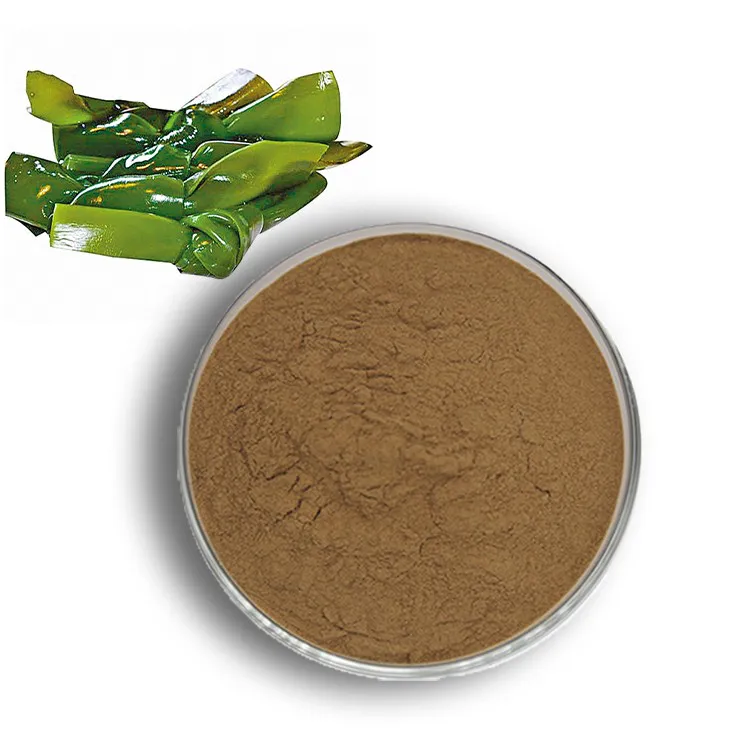
Kelp Extract Powder
2026-08-13
-

Lion's Mane Mushroom Extract
2026-08-13
-
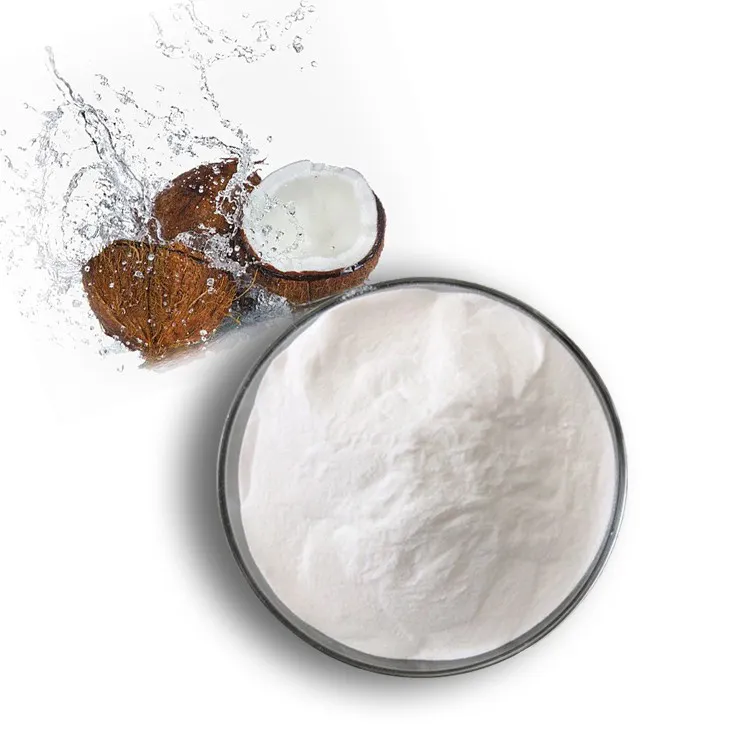
Coconut Water Powder
2026-08-13
-
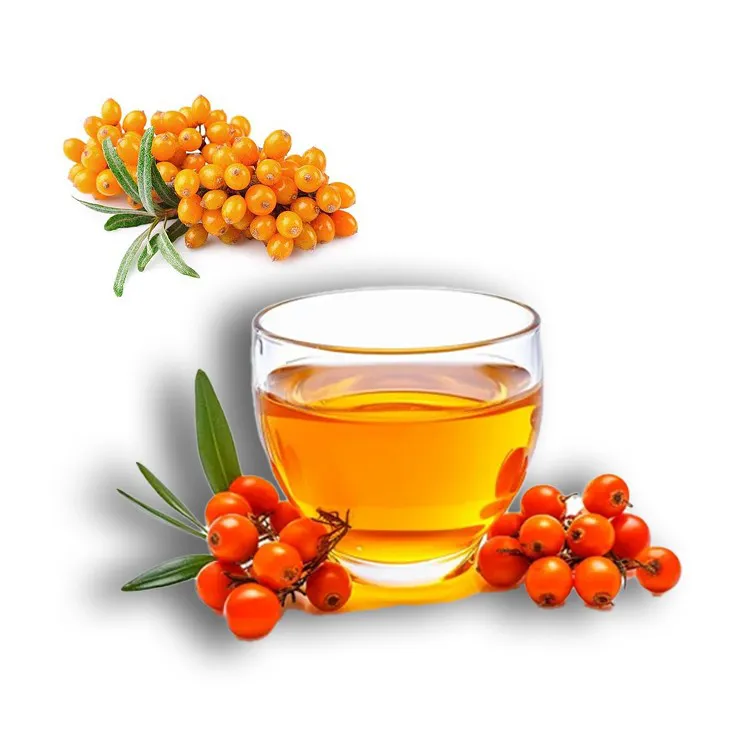
Sea buckthorn oil
2026-08-13
-
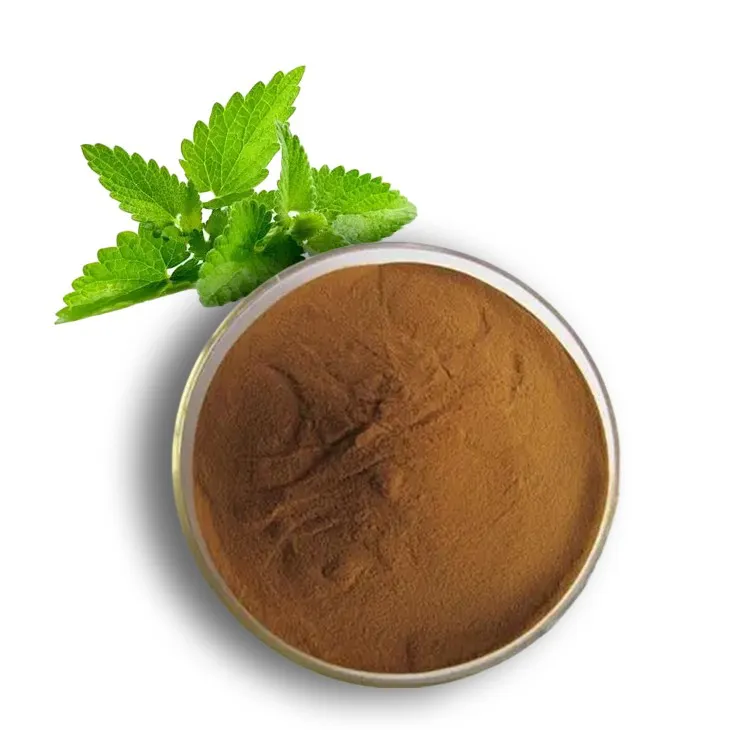
Peppermint Extract Powder
2026-08-13
-
Boswellia Serrata Extract
2026-08-13
-
Passionflower Extract
2026-08-13
-
Cayenne Pepper Extract
2026-08-13
-
Tamarind extract powder
2026-08-13
