- 0086-571-85302990
- [email protected]





What dosage of moringa powder for breastfeeding is recommended?
2026-08-13
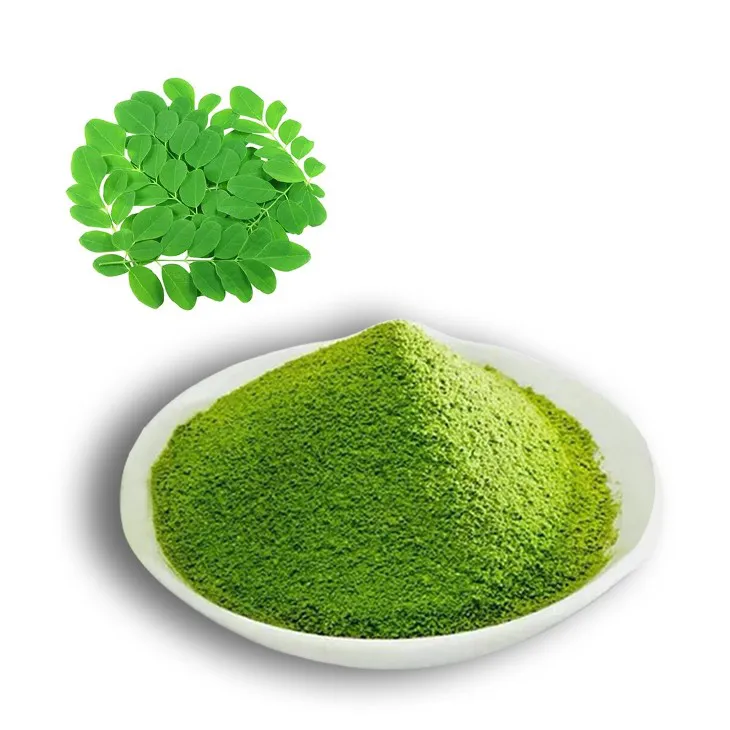
Moringa powder has become a popular natural choice for breastfeeding mothers who want to support their milk supply. But once you decide to try it, the next question is almost always the same: how much should I actually take? The honest answer is that there is no single universal dose, but a range commonly used in clinical research and by lactation consultants can guide you. This article breaks down the recommended dosage of Moringa powder for breastfeeding, how to start safely, and what the research really says.
Why Mothers Take Moringa powder While Breastfeeding
Moringa oleifera, often called the "miracle tree," has been used for generations in South Asia, the Philippines, and parts of Africa as a natural galactagogue — a food that helps support breast milk production. Its leaves are exceptionally nutrient-dense and contain iron, calcium, vitamin A, vitamin C, B vitamins, magnesium, zinc, and amino acids that are valuable for postpartum recovery and lactation.
A growing body of small clinical studies has reported increases in breast milk volume among mothers who supplement with moringa leaf, especially in the early postpartum period. That is why many mothers and health practitioners now consider moringa leaf powder one of the better-evidenced herbal options for lactation support.
The Recommended Dosage of Moringa Powder for Breastfeeding
Because moringa is sold as tea, capsules, and powder, the "dose" depends on the form. Here is a practical breakdown based on clinical studies and lactation guidance.
Moringa Powder (Leaf Powder)
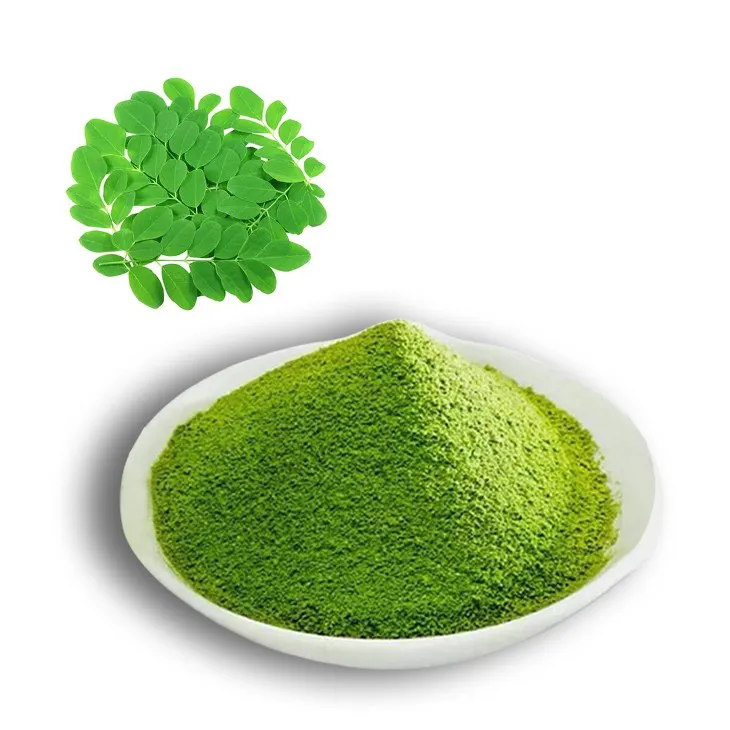
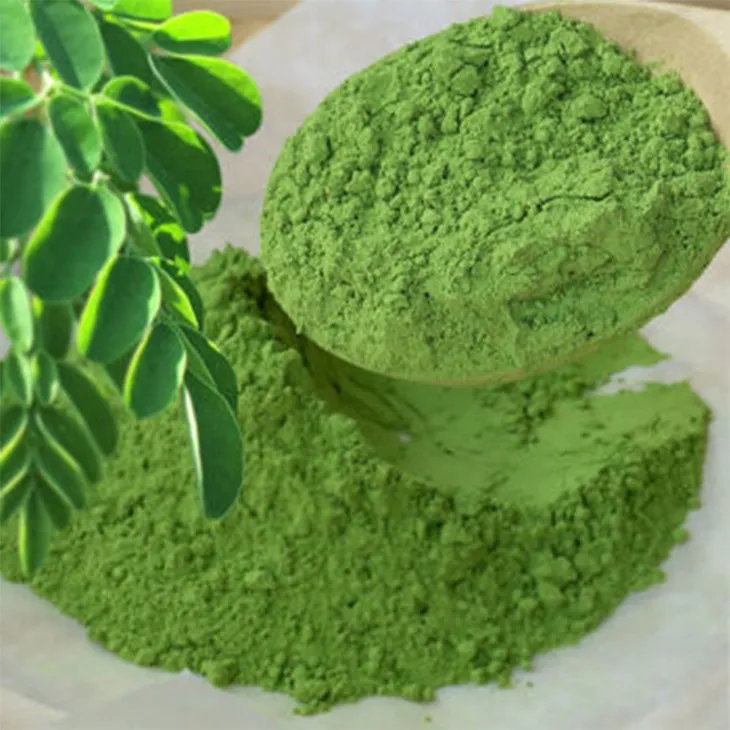
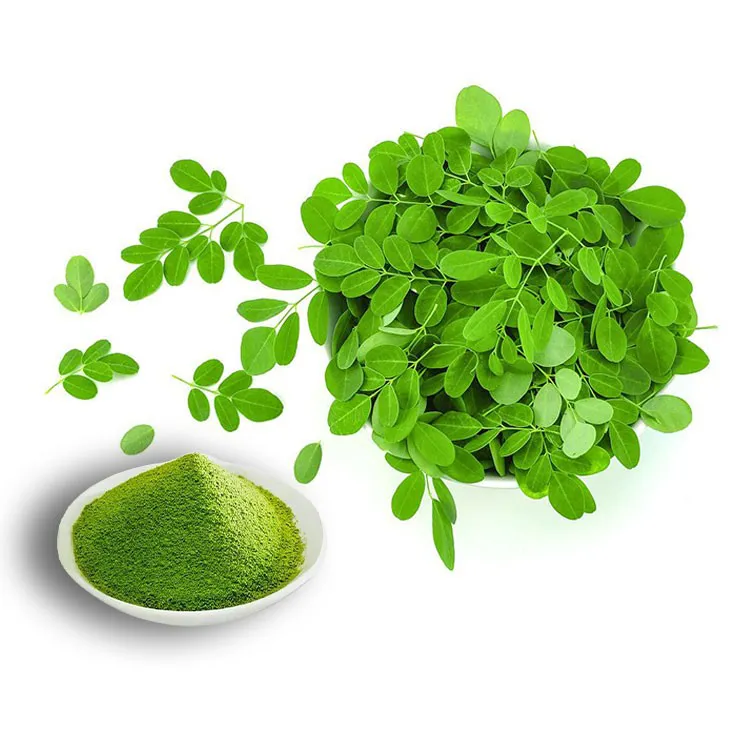
For loose leaf powder, a common starting point is ½ to 1 teaspoon per day, which weighs roughly 1 to 3 grams. Many mothers build up to 1 to 2 teaspoons taken 1 to 2 times per day. Powder can be blended into smoothies, soups, porridge, or stirred into water. The best approach is to start low, observe how you feel, and increase gradually.
Moringa Capsules
If you prefer capsules, most studies use doses in the range of 250 mg to 500 mg taken two to three times per day, which is roughly 750 to 1500 mg per day. A 2022 randomized controlled trial used a 900 mg daily dose of moringa capsules and observed a notable increase in milk output in the treatment group. Some lactation consultants recommend a slightly higher target of around 1000 to 3000 mg per day, divided across meals — but always starting at the lower end.
Moringa Tea
Moringa tea is the gentlest option. A moderate amount is 1 to 2 cups per day. Leaf tea is caffeine-free, so it will not interfere with your sleep or your baby's sleep, and it can be enjoyed at any time of day.
How to Start Moringa Powder Safely
"More is not better" is the key principle when it comes to any herbal product during breastfeeding. Here is a safe, step-by-step plan.
- Start small: Begin with ½ teaspoon of powder (or one capsule) per day for the first week.
- Observe your baby: Watch for any changes in your baby's digestion, behavior, or feeding patterns.
- Increase gradually: If all is well, you can slowly work up to 1 to 2 teaspoons per day over a week or two.
- Stay consistent: Milk supply responds best to regular, moderate use rather than occasional large doses.
- Stay hydrated and fed: Frequent nursing, good latch, adequate hydration, and enough calories remain the foundations of milk supply. Moringa is a supportive tool, not a replacement.
What Does the Research Show?
Several small randomized controlled trials have reported that mothers taking moringa leaf produced more breast milk than those given a placebo, particularly in the first days and weeks after birth. A systematic review of moringa as a galactagogue found that supplementation increased breast milk volume and was associated with higher serum prolactin levels — the hormone most directly linked to milk production.
It is worth being realistic about the limits of the evidence. Most studies are small, relatively short, and were conducted in Southeast Asia, and they use different preparations and doses. That is exactly why a single universal dose does not exist — and why starting conservatively and consulting a professional makes sense.
Safety Considerations and What to Avoid
Moringa leaf is generally regarded as safe for breastfeeding mothers in moderate amounts, based on centuries of traditional use and the absence of documented harm in clinical studies. However, there are important cautions.
- Avoid root, bark, and seed extracts: These parts of the plant contain different compounds and are not considered safe during pregnancy or breastfeeding.
- Keep doses moderate: High doses above roughly 3 grams per day have not been well studied in breastfeeding mothers.
- Check product purity: Use a single-ingredient, pure moringa leaf powder from a reputable supplier, and avoid blends with undisclosed ingredients.
- Talk to your provider: If you take blood pressure, thyroid, or other postpartum medications, discuss moringa with your doctor or a lactation consultant before starting.
- Choose quality: Purity and safety start at the source. Working with a trusted manufacturer of moringa powder ensures you know exactly what you are getting.
Choosing a High-Quality Moringa Powder
Because moringa is a food you consume every day, product quality matters. Look for pure moringa leaf powder that is clean, properly dried, and free from additives or contaminants, ideally from a supplier with strict production standards and recognized certifications such as ISO22000, HALAL, and Kosher. Whether you are buying for yourself or sourcing ingredients for a product line, working directly with an experienced moringa powder manufacturer gives you better control over quality and consistency.
Final Thoughts
For most breastfeeding mothers, a reasonable starting dose of moringa powder is ½ to 1 teaspoon (about 1 to 3 grams) per day, increasing slowly to 1 to 2 teaspoons daily if well tolerated. Capsule users can aim for 250 to 500 mg two to three times per day. The research is promising but not definitive, so think of moringa powder as one supportive piece of a broader lactation plan — alongside frequent feeding, good hydration, and solid nutrition.
If you are sourcing ingredients at scale, finding the best moringa powder means choosing a supplier with transparent sourcing and reliable quality control. As always, before adding any supplement while breastfeeding, discuss it with your healthcare provider or a certified lactation consultant — they can help you personalize the dose to your needs.
TAGS:
- ▶ Hesperidin
- ▶ Citrus Bioflavonoids
- ▶ Plant Extract
- ▶ lycopene
- ▶ Diosmin
- ▶ Grape seed extract
- ▶ Sea buckthorn Juice Powder
- ▶ Fruit Juice Powder
- ▶ Hops Extract
- ▶ Artichoke Extract
- ▶ Mushroom extract
- ▶ Astaxanthin
- ▶ Green Tea Extract
- ▶ Curcumin
- ▶ Horse Chestnut Extract
- ▶ Other Product
- ▶ Boswellia Serrata Extract
- ▶ Resveratrol
- ▶ Marigold Extract
- ▶ Grape Leaf Extract
- ▶ New Product
- ▶ Aminolevulinic acid
- ▶ Cranberry Extract
- ▶ Red Yeast Rice
- ▶ Red Wine Extract
- ▶ blog
-
Dandelion Leaf Extract
2026-08-13
-
Reishi mushroom extract
2026-08-13
-
American Ginseng Root Extract
2026-08-13
-
Bamboo Leaf extract
2026-08-13
-
Coconut Water Powder
2026-08-13
-
Aguaje Extract
2026-08-13
-
Rosemary extract
2026-08-13
-
Boswellia Serrata Extract
2026-08-13
-
Hesperidin
2026-08-13
-
Resveratrol
2026-08-13