We have five factories and 23 years of experience in plant extracts
- 0086-571-85302990
- [email protected]





What documents come with a purchase red yeast rice order?
2026-08-14
Related Product
Red Yeast Rice
Green Sky Bio is the largest plant extract manufacturer exporter and supplier, provide plant extract, annual production 2500 tons China

Buying red yeast rice in bulk for the first time is exciting, but the paperwork that travels with your order can feel like a maze. Whether you are a supplement brand, a food manufacturer, or a distributor importing from overseas, knowing exactly which documents come with a purchase red yeast rice order saves you from customs delays, surprise duties, and compliance headaches. Here is a clear rundown of the documents you should expect, and why each one matters.
1. Commercial Invoice
The commercial invoice is the backbone of every international shipment. It lists the buyer and seller details, a full description of the goods, unit prices, total value, the harmonised system (HS) code, and the terms of sale. Customs uses it to decide whether your shipment can enter the country and how much duty applies. For red yeast rice, make sure the invoice clearly states the product name, the Monacolin K content, and the quantity, so the description matches the certificate of analysis exactly.
2. Packing List
A packing list details how the goods are packed: the number of drums or cartons, net and gross weights, and the contents of each package. It helps the carrier handle your order correctly and lets you verify on arrival that nothing is missing. If your red yeast rice is shipped as powder in sealed food-grade bags inside drums, the packing list should reflect that clearly.
3. Bill of Lading or Air Waybill
The bill of lading (for sea freight) or air waybill (for air freight) is the contract between you and the shipping company. It confirms that the carrier received your goods and states the destination, contents, and handling instructions. It is also a document of title, which means you need it to take possession of the goods at the destination port. Keep the original safe, because releasing it is how ownership of the shipment is transferred.
4. Certificate of Origin
A certificate of origin verifies where your red yeast rice was produced and processed. Many buyers sourcing red yeast rice from China request this document to confirm the country of origin, and it can also qualify the shipment for reduced tariffs under trade agreements. It is usually issued by a chamber of commerce or an authorised export authority, so ask your supplier to arrange it in advance if your destination country requires one.
5. Certificate of Analysis (COA)
For red yeast rice, the certificate of analysis is the most product-specific document in the package. It is issued by the manufacturer's laboratory and confirms the actual test results for the batch you are buying, including the Monacolin K content, moisture, heavy metals, microbial counts, and whether the product is citrinin-free. A reliable supplier tests every batch and provides a COA that matches the batch number on the drums, so you can be confident the product is exactly what you ordered.
6. Health Certificate and Phytosanitary Certificate
Many countries require a health certificate for food ingredients to confirm they meet food-safety standards, and a phytosanitary certificate may be needed to show the plant-based material is free from pests and diseases. Because red yeast rice is a fermented food raw material, your supplier should be able to provide export registration and documentation that supports global regulatory submissions, including the health certificates your destination country expects.
7. HALAL, Kosher, and Organic Certificates
Depending on your market, you may need religious or organic certification. HALAL and Kosher certificates confirm the product is permissible for those communities, while an organic certificate is required if you are selling certified-organic red yeast rice. Established manufacturers hold these certificates at the factory level, so copies can usually be shared with you for your own labelling and registration purposes.
8. Export Registration and Compliance Documents
A professional supplier should also share its company registration, food production licence, and quality-system certificates such as ISO22000, ISO9001, and GMP. These documents prove that the factory operates under recognised food-safety management systems and give you confidence in the supplier behind your order. When you work with experienced red yeast rice manufacturers, this compliance paperwork is part of the standard package.
9. Insurance Certificate
An insurance certificate is proof that your shipment is covered if it is lost or damaged in transit. Depending on the incoterms you agree on, either you or the supplier arranges the insurance. It is a small cost compared with the value of a full container, so make sure coverage is in place before the goods leave the warehouse.
Questions to Ask Your Supplier
Before you place an order, ask your supplier directly which documents they provide as standard and which ones are available on request. Confirm that the COA covers every batch, that the batch numbers on the documents match the physical goods, and that certificates like HALAL, Kosher, or organic are current and valid for your destination market. A transparent supplier will walk you through the full document list without hesitation.
Final Thoughts
The documents that come with a purchase red yeast rice order are more than paperwork, they are your proof of quality, safety, and compliance. When you buy from a manufacturer with a clean production environment, in-house laboratories, and export experience, the right documents arrive with every shipment, making customs clearance smoother and your own customers more confident. Choose your supplier carefully, check the documents before you pay, and your red yeast rice order will arrive exactly as promised.
TAGS:
FAQ
- ▶ Hesperidin
- ▶ Citrus Bioflavonoids
- ▶ Plant Extract
- ▶ lycopene
- ▶ Diosmin
- ▶ Grape seed extract
- ▶ Sea buckthorn Juice Powder
- ▶ Fruit Juice Powder
- ▶ Hops Extract
- ▶ Artichoke Extract
- ▶ Mushroom extract
- ▶ Astaxanthin
- ▶ Green Tea Extract
- ▶ Curcumin
- ▶ Horse Chestnut Extract
- ▶ Other Product
- ▶ Boswellia Serrata Extract
- ▶ Resveratrol
- ▶ Marigold Extract
- ▶ Grape Leaf Extract
- ▶ New Product
- ▶ Aminolevulinic acid
- ▶ Cranberry Extract
- ▶ Red Yeast Rice
- ▶ Red Wine Extract
- ▶ blog
Recommended Products
-
Acerola Extract
2026-08-14
-
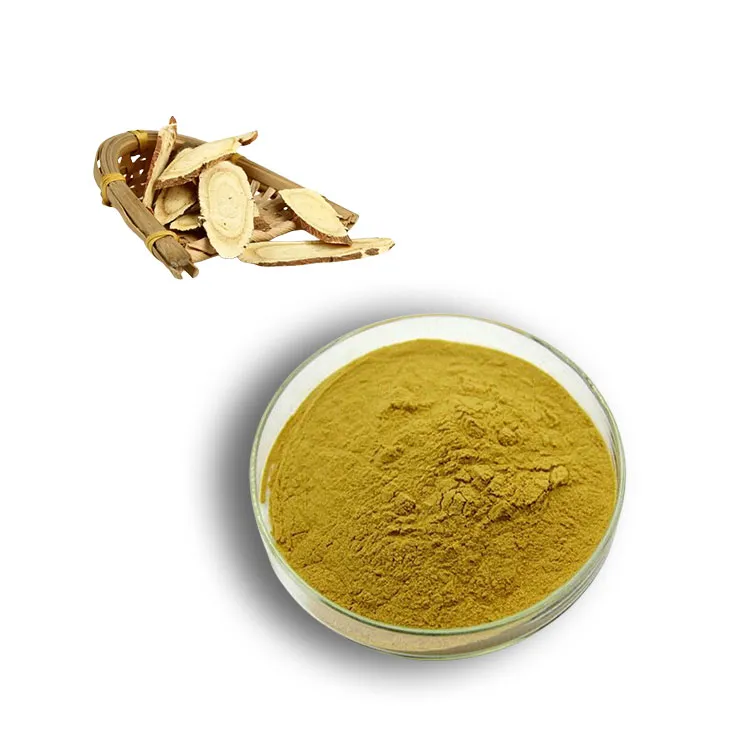
Licorice Root Extract Powder
2026-08-14
-
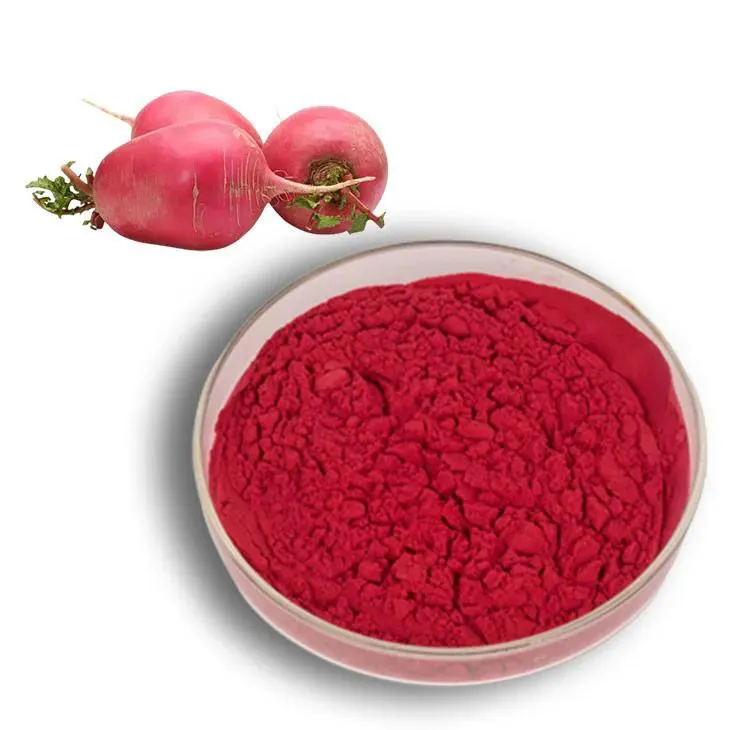
Beetroot juice Powder
2026-08-14
-
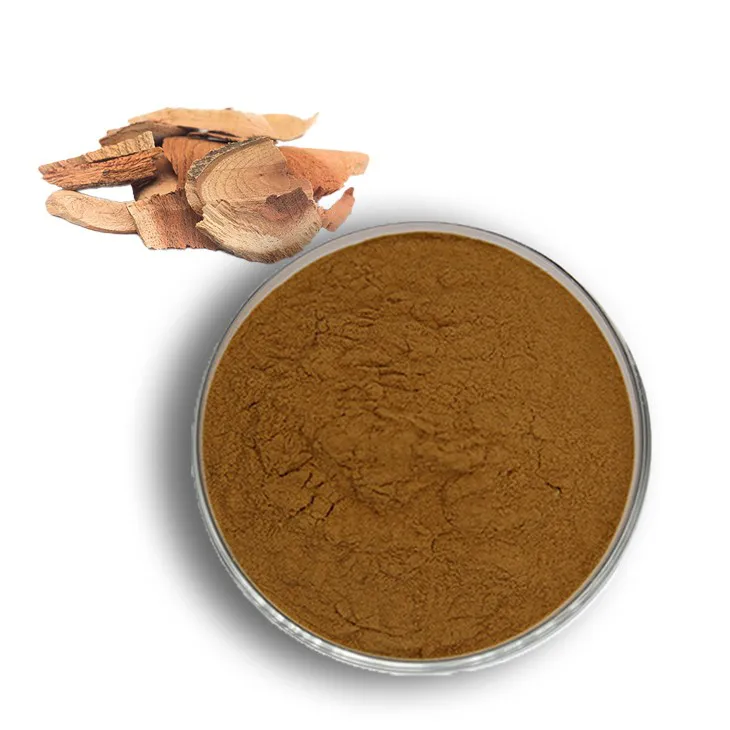
Thunder God Vine Extract
2026-08-14
-
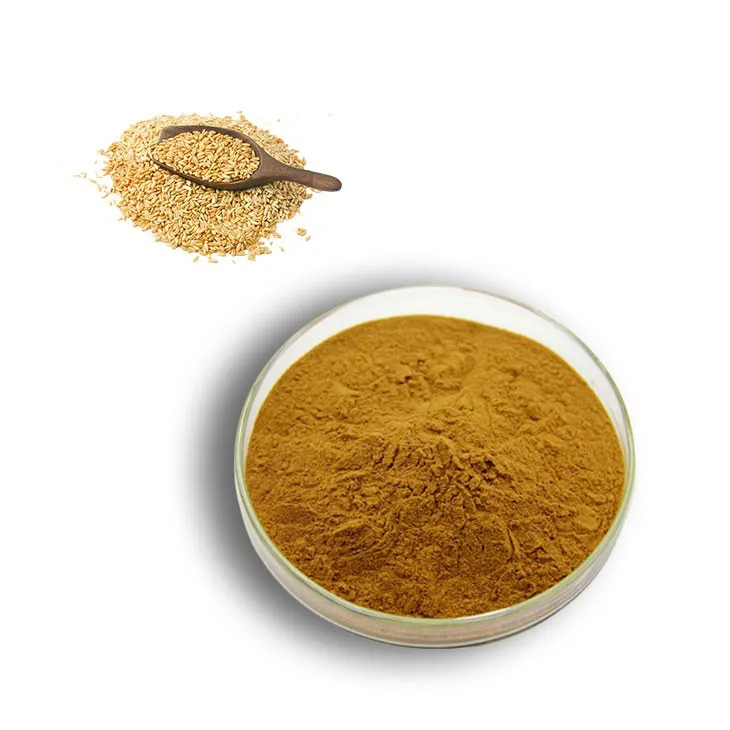
Oat Straw Extract Powder
2026-08-14
-
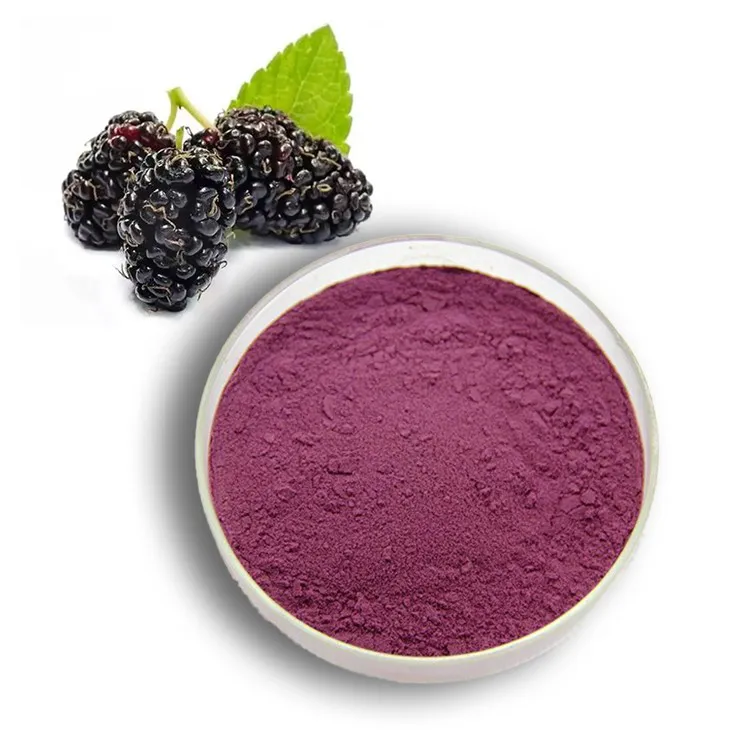
Mulberry Extract
2026-08-14
-
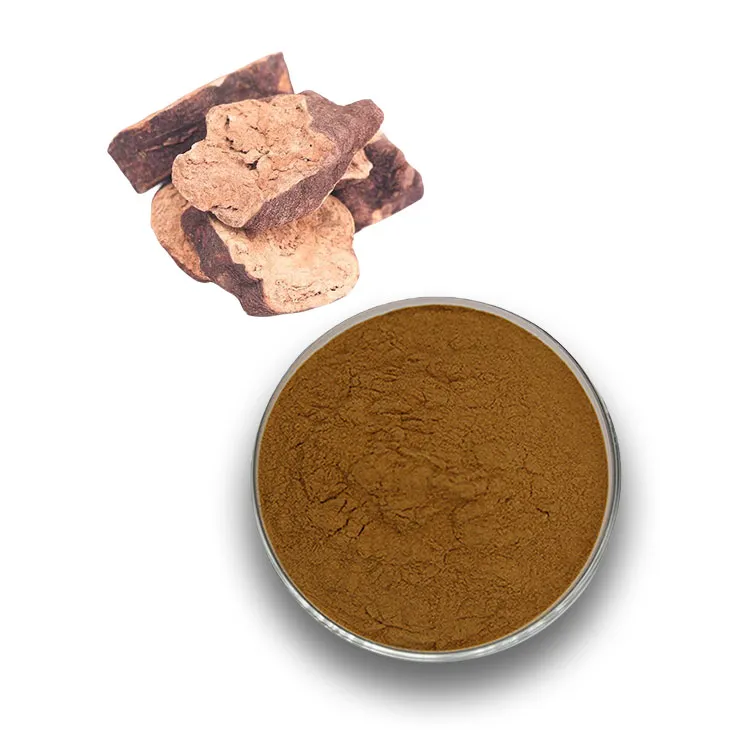
Polygonum multiflorum extract
2026-08-14
-
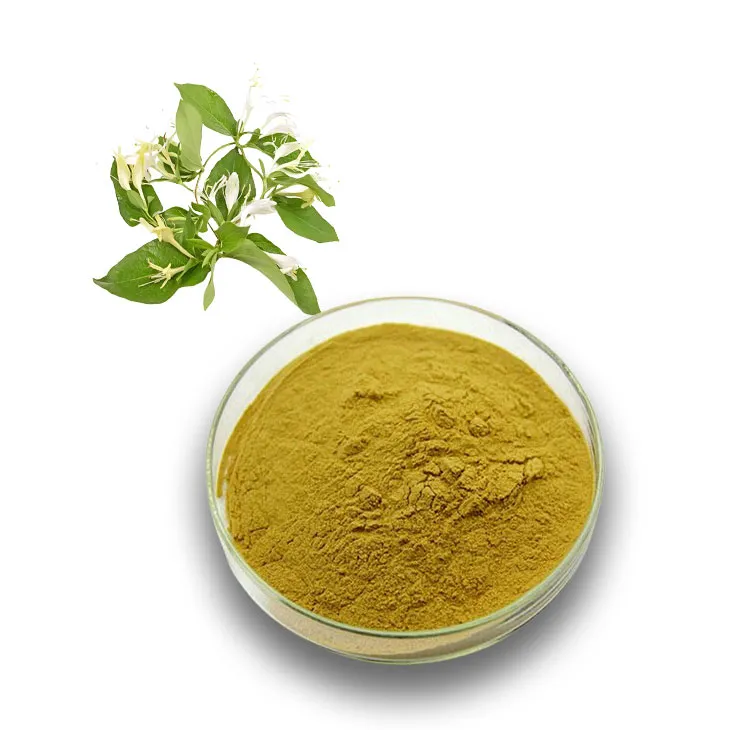
Honeysuckle Pollen
2026-08-14
-
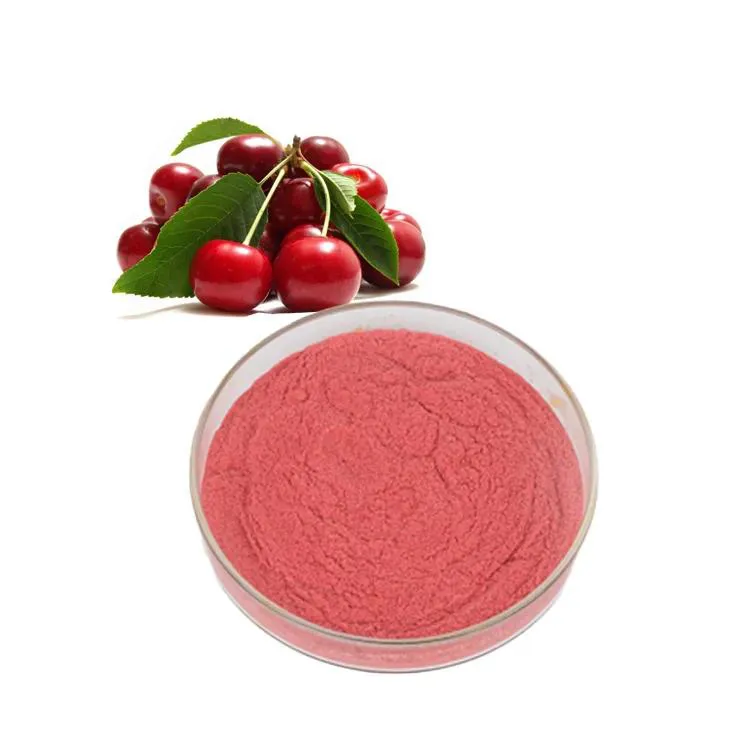
Acerola Juice Powder
2026-08-14
-
Golden Seal Extract
2026-08-14
Get a Quote