We have five factories and 23 years of experience in plant extracts
- 0086-571-85302990
- [email protected]




What documentation should grape seed extract suppliers provide?
2026-08-14
Related Product
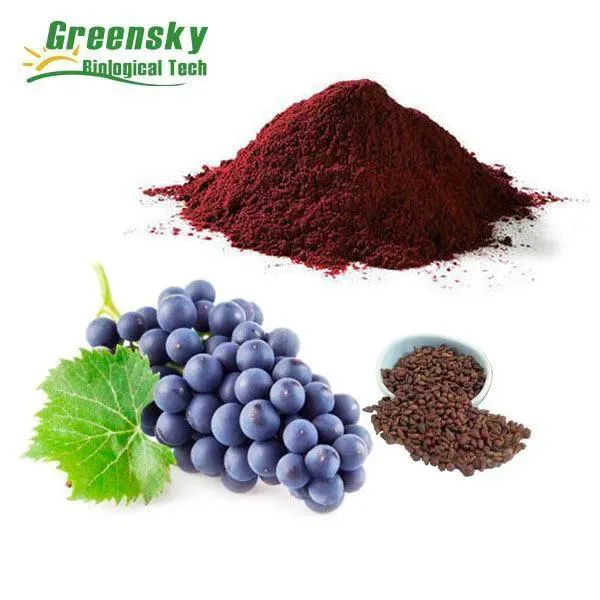
Grape Seed Extract
Green Sky Bio is the Grape Seed Extract manufacturer exporter and supplier, provide plant extract, annual production 2500
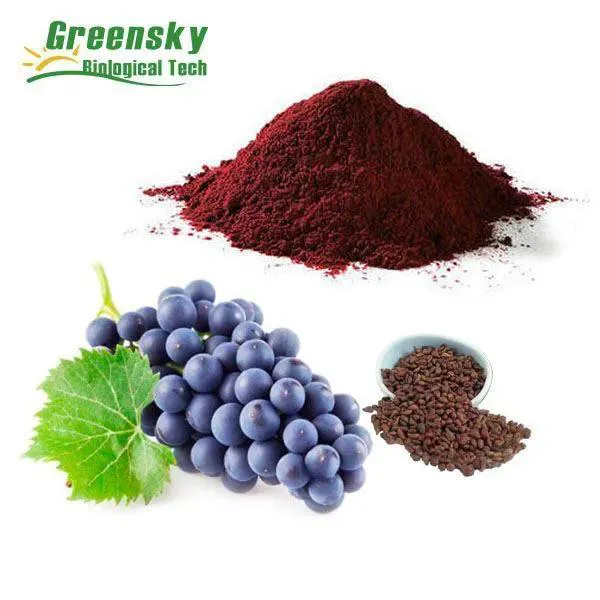
When you source Grape Seed Extract for a dietary supplement, food, or cosmetic launch, the price and the declared OPC percentage are only the starting point. The real test of a dependable supplier is the documentation they are willing to provide. Buyers in the US, EU, South Korea, and other regulated markets are increasingly judged not just on the sample they receive, but on the completeness and consistency of the paperwork behind each batch.
A professional supplier such as Greensky Bio, a manufacturer with more than 20 years of experience in botanical extracts, treats documentation as part of the product itself. This guide explains exactly what documentation Grape Seed Extract suppliers should provide, why each document matters, and how to tell a serious manufacturer from a simple reseller.
Why documentation matters for Grape Seed Extract
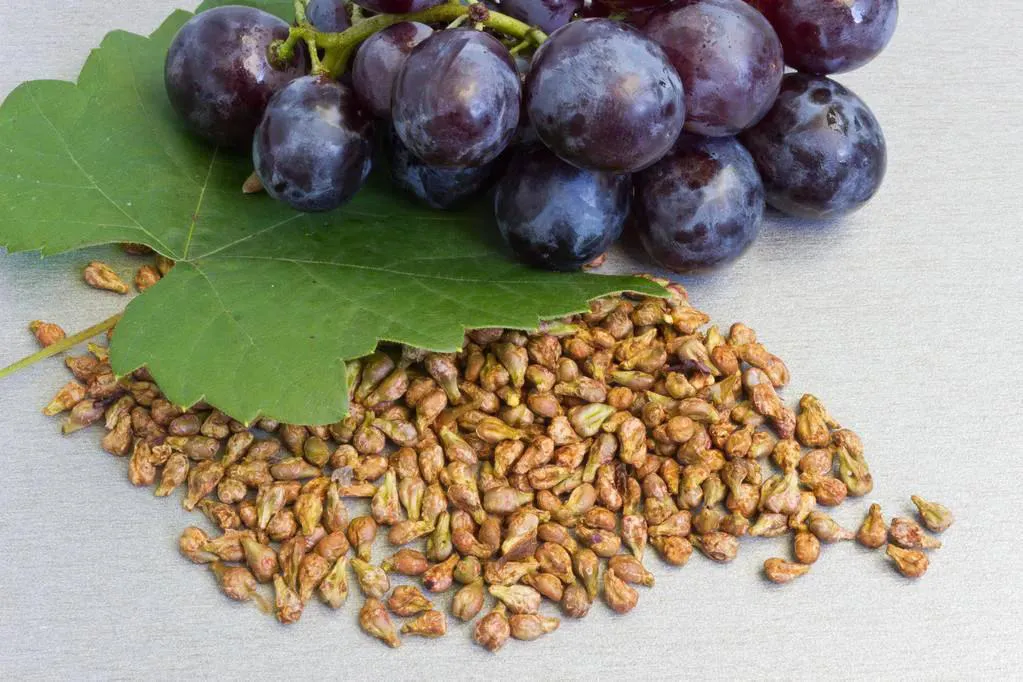
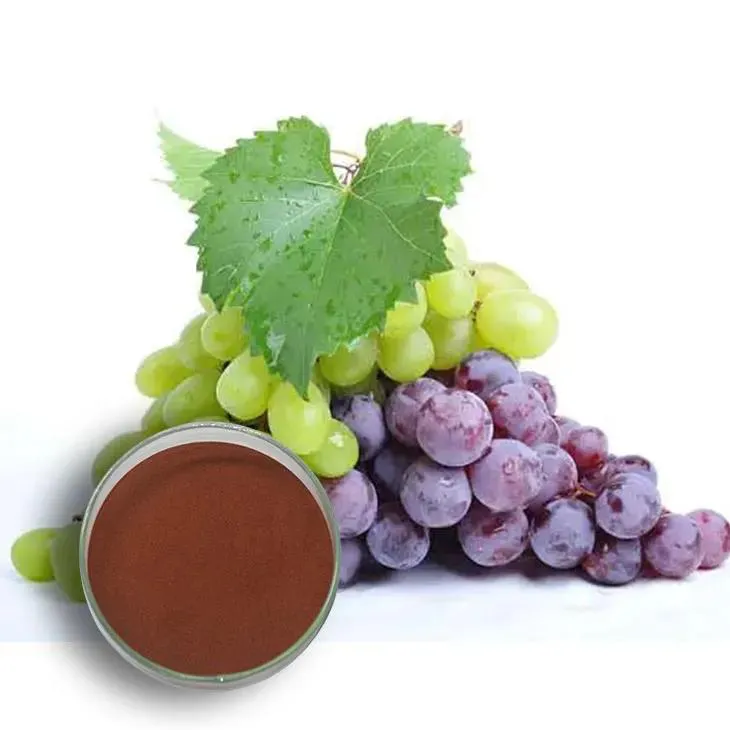
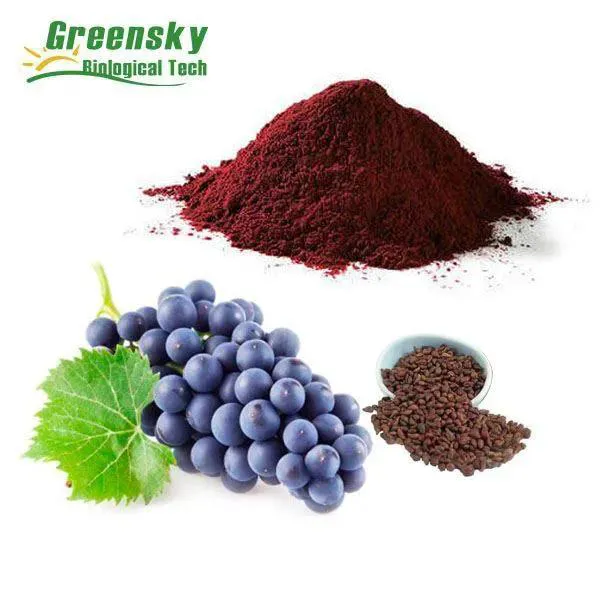
Grape seed extract is one of the most popular botanical ingredients on the market. It is rich in proanthocyanidins, which are valued for their antioxidant properties and support for cardiovascular health. However, its popularity also means that the market is crowded with materials of very different quality. Two batches both labeled "95% OPC" can differ in botanical identity, marker definition, and analytical method.
Documentation closes this gap. It confirms that the extract really comes from Vitis vinifera grape seeds, that the active marker is measured by an agreed method, that the batch meets purity and contaminant limits, and that the product is safe, traceable, and compliant with the regulations of your target market. Without complete documents, you cannot confidently approve a batch, register a product, or pass a customer or authority audit.
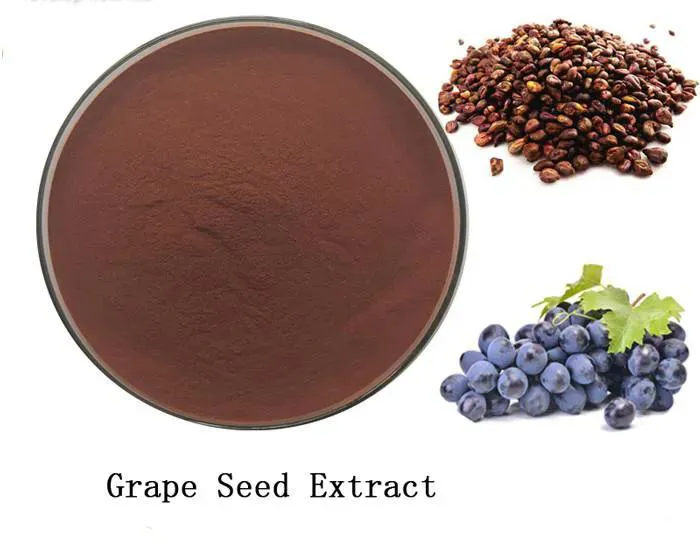
The core two: specification and certificate of analysis
The most important pair of documents is the product specification and the Certificate of Analysis (COA). These are not the same thing. A specification defines the agreed requirements for the ingredient, while a COA reports the actual results for one specific production batch.
A reliable COA from a grape seed extract manufacturer should cover the following test parameters:
- Identity and botanical source: Vitis vinifera L., plant part (seed), and country of origin.
- Active marker: total proanthocyanidins or oligomeric proanthocyanidins (OPC) with the assay method and reference standard stated.
- Physical properties: appearance, particle size, bulk density, and solubility or dispersibility.
- Moisture and loss on drying to indicate stability and storage behavior.
- Contaminants: heavy metals, residual solvents, and pesticides with individual results and limits.
- Microbiology: total plate count, yeast and mold, and absence of pathogens such as E. coli and Salmonella.
- Lot number, production date, and expiry date so the batch can be fully traced.
A trustworthy supplier provides a lot-specific COA, meaning the document references the exact batch number you are receiving, rather than a generic template. At Greensky Bio, the independent laboratory is equipped with GC, HPLC, and UV instruments, allowing every batch to be tested with the appropriate phytochemical method before release.
Regulatory and certification documentation
For grape seed extract sold into food, dietary supplement, and pharmaceutical supply chains, regulatory documents are essential. Serious grape seed extract suppliers will share certificates issued by recognized bodies and explain how they apply to your market.
Typical certifications and statements to request include:
- Food safety management: ISO22000, BRCGS, and SGS-GMP certificates demonstrate that production follows internationally recognized food safety systems.
- Organic certification: an Ecocert Organic Standard certificate if you need an organic grade.
- Religious compliance: HALAL and Kosher certificates for products aimed at those markets.
- Quality management: ISO9001 certification covering the broader management system.
- Export registration: an Export Food Production Enterprise Registration Certificate for products shipped from China.
- Non-GMO and irradiation statements where relevant to your specification.
Greensky Bio holds ISO22000, BRCGS, Ecocert Organic Standard, SGS-GMP, ISO9001, HALAL, and Kosher certifications, and operates a 100,000-class clean production area that meets food-grade requirements without irradiation. These credentials give buyers a clear picture of the manufacturing environment behind the powder.
Safety and handling documents
Beyond purity testing, buyers need documents that support safe transport, storage, and handling. The two most common are the Safety Data Sheet (SDS) and the Technical Data Sheet (TDS).
An SDS explains the hazards of the material, first-aid measures, handling and storage conditions, and emergency procedures. A TDS describes the technical characteristics, recommended usage, and applications of the extract. Both should be provided in the language of your operating region and updated whenever the material or regulations change.
Traceability and trade documentation
Documentation does not stop at the factory. For international trade, grape seed extract suppliers should also provide the shipping and traceability documents needed for customs clearance and record keeping, including invoices, packing lists, and transport documents that link each document to the same lot number.
This traceability chain is one reason why buyers prefer working directly with a manufacturer rather than a broker. A company with vertically integrated production, such as Greensky Bio with its five wholly-owned subsidiaries spanning extraction, red yeast rice, and solid beverage production, can trace a batch from raw seeds to finished powder and provide consistent documentation across every step.
Red flags when reviewing supplier documentation
Some documents are worth more than others. Watch for these warning signs when evaluating a grape seed extract manufacturer:
- A COA with no lot number, or a generic document that is reused for every batch.
- An assay that states a percentage but omits the analytical method or reference standard.
- A specification that lists only "grape extract" without confirming Vitis vinifera and the seed plant part.
- Missing or undisclosed carrier information, which affects potency and labeling.
- Results given only as "conforms" instead of actual numerical values, which makes it hard to monitor batch trends.
- Unwillingness to share certificates, or documents that are clearly out of date.
If a supplier cannot explain the method behind a number, or cannot tie a document to a specific lot, treat that as a reason to look elsewhere. A complete documentation package is a sign of a mature, quality-driven manufacturer.
How quality grape seed extract suppliers support your business
Beyond the documents themselves, the best suppliers make documentation a repeatable, reliable part of the relationship. They provide representative samples, signed specifications, and lot-specific COAs for every order, and they respond to changes in regulation or specifications with formal notifications.
Greensky Bio exports to markets in Europe, the United States, South Korea, and Russia, with export value reaching nearly USD 30 million in 2023. This experience means the company understands the documentation expectations of different regions and can prepare the export registration and quality files needed for global regulatory submissions.
Whether you are a formulator, a contract manufacturer, or a brand owner, the documentation your grape seed extract supplier provides is your best protection against quality surprises. Before confirming an order, ask for the full package: a signed specification, a lot-specific COA, relevant certifications, an SDS, and traceability documents. A capable supplier will be happy to provide them.
If you are looking for a reliable partner, explore the product range offered by trusted grape seed extract suppliers and grape seed extract manufacturers such as Greensky Bio, or discuss your raw material requirements directly with their team to receive documentation tailored to your project.
TAGS:
FAQ
- ▶ Hesperidin
- ▶ Citrus Bioflavonoids
- ▶ Plant Extract
- ▶ lycopene
- ▶ Diosmin
- ▶ Grape seed extract
- ▶ Sea buckthorn Juice Powder
- ▶ Fruit Juice Powder
- ▶ Hops Extract
- ▶ Artichoke Extract
- ▶ Mushroom extract
- ▶ Astaxanthin
- ▶ Green Tea Extract
- ▶ Curcumin
- ▶ Horse Chestnut Extract
- ▶ Other Product
- ▶ Boswellia Serrata Extract
- ▶ Resveratrol
- ▶ Marigold Extract
- ▶ Grape Leaf Extract
- ▶ New Product
- ▶ Aminolevulinic acid
- ▶ Cranberry Extract
- ▶ Red Yeast Rice
- ▶ Red Wine Extract
- ▶ blog
Recommended Products
-
Red Vine Extract
2026-08-14
-
Tormentil Extract
2026-08-14
-
Hawthorn powder
2026-08-14
-
Cayenne Pepper Extract
2026-08-14
-
Apricot Powder
2026-08-14
-
Scutellaria Extract
2026-08-14
-
Red Date Extract
2026-08-14
-
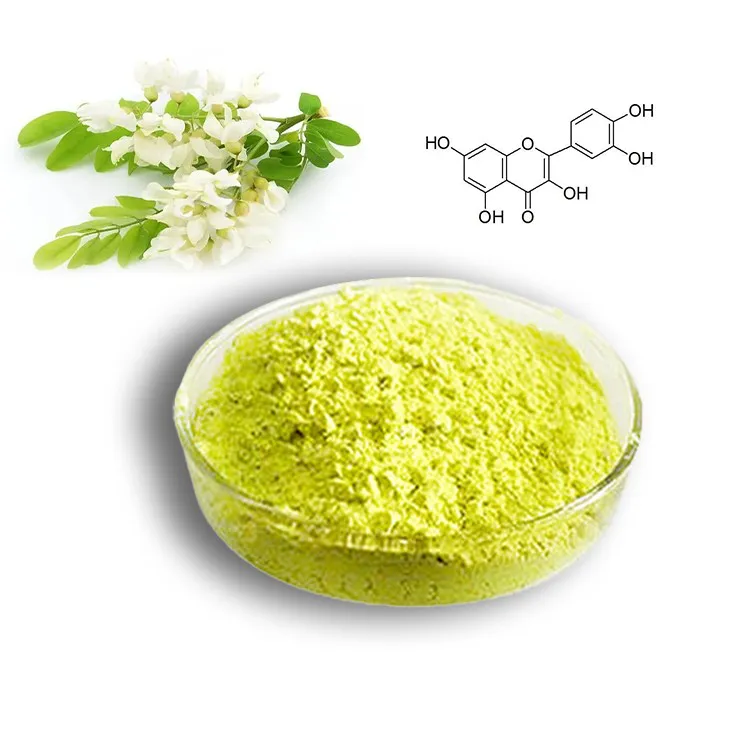
Quercetin
2026-08-14
-
Oyster Mushroom Extract Powder
2026-08-14
-
Chaga Mushroom Extract
2026-08-14
Get a Quote